Last updated:


Hveragerði suits a trip built around hot springs and a walk into Reykjadalur, with time for the town in between. In southern Iceland, the town sits on Route 1, 45 km east of Reykjavík, in an active geothermal area at the foot of the Hengill volcanic area.
The Geothermal Park and the central earthquake exhibition make a useful pairing for understanding the ground beneath Hveragerði. Guided walks in the park explore the hot springs, and rye bread baked with geothermal heat is available there. Its mud pots also provide material for natural mud baths, and visitors can soak their hands and feet.
The exhibition in the town centre tells the story of the 2008 earthquake that struck South Iceland. That earthquake brought a new hot spring area to the surface on 29 May 2008. For a change of subject, the botanical garden is also in the centre, while Listasafn Árnesinga is an art museum founded in 1963 and located in Hveragerði since 2001.
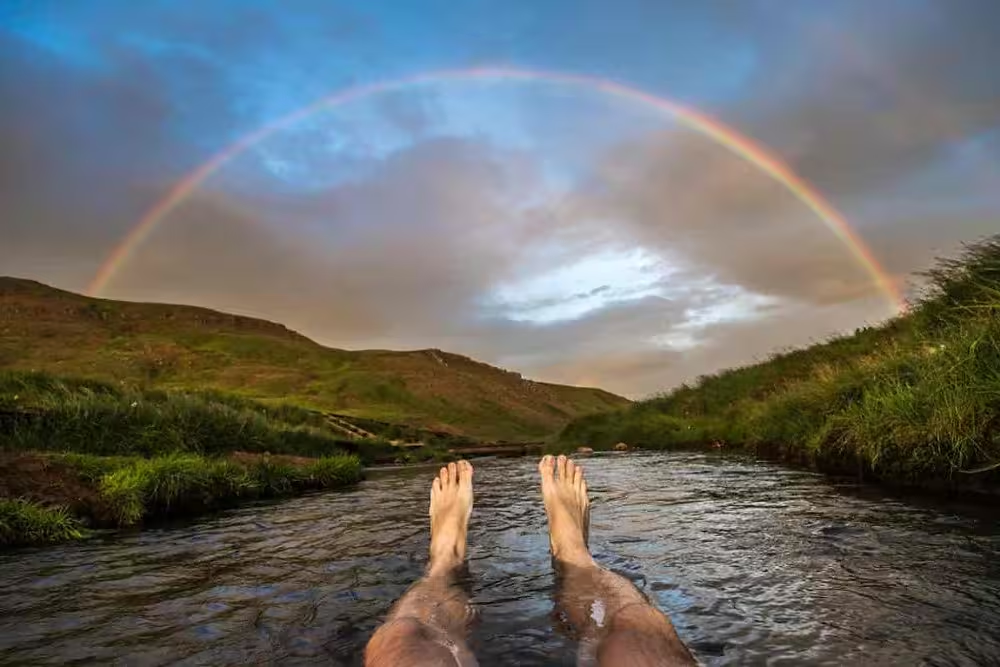
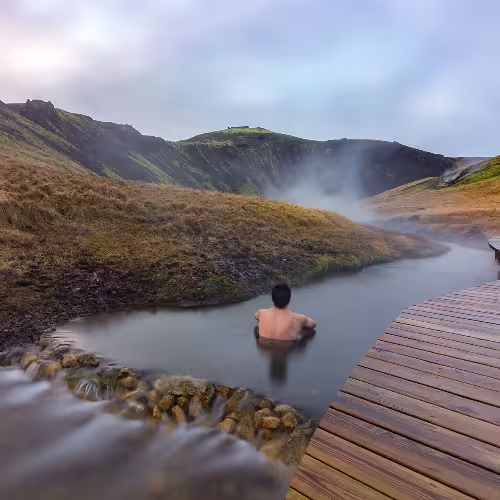
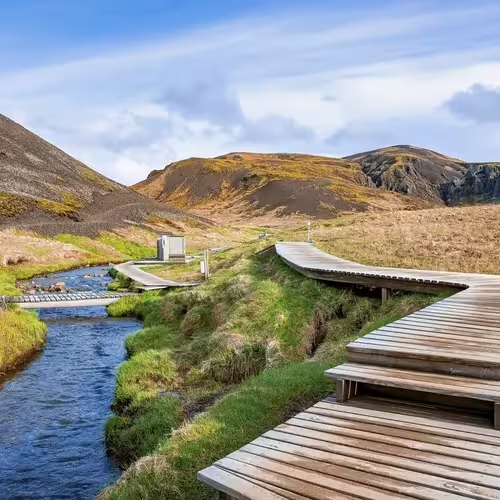
Reykjadalur suits a walk with a river bath as its focus, rather than a visit limited to the town. The valley lies on the outskirts of Hveragerði, below the Hengill volcanic mountain range. Allow for a walk of about 3 km each way from the trailhead parking above the town. Canyons and waterfalls, including Djúpagilsfoss, give the walk its scenery.
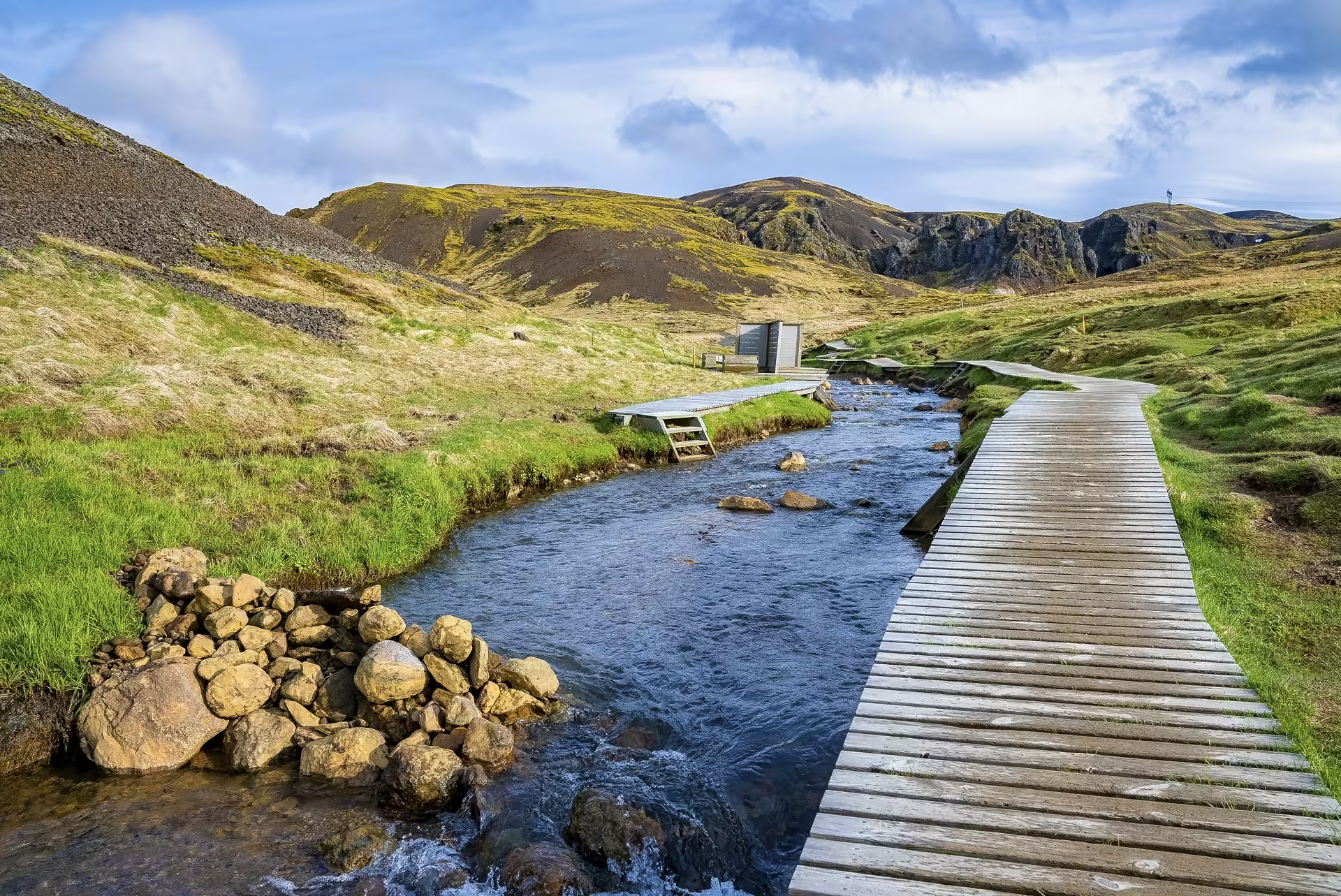
The main bathing stretch has water around 36 to 40 °C, with temperatures rising upstream and falling downstream. Wooden structures around bathing areas help protect the fragile surroundings.
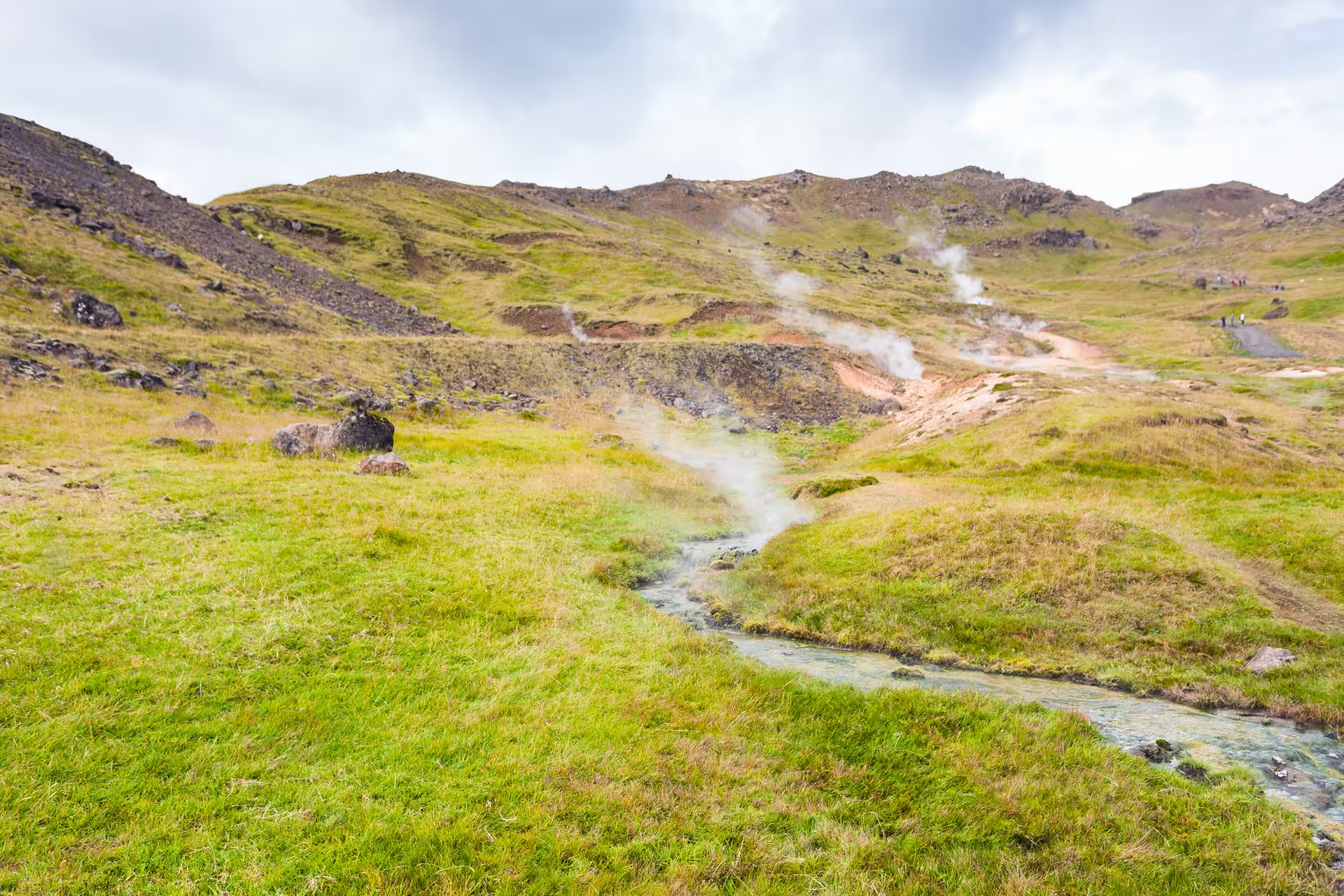
The town's geothermal steam gives you a reason to visit in any season. Steam can rise over Hveragerði throughout the year, and local greenhouses have used hot water to grow fruit and vegetables year-round since the 1920s. This heat is part of everyday life as well as the landscape: hot spring water has supplied local heating since 1929, and steam is still used for baking.
Plan the town centre and the Reykjadalur walk as separate parts of your visit. The earthquake exhibition and botanical garden are central, while the valley is on the outskirts and the walk to the river is about 3 km each way from the trailhead parking above the town. For the wider road itinerary, Hveragerði is on Route 1 and Selfoss is about 12 km away.
Two days give you a town-focused day and a separate day for Reykjadalur. Spend the first day on the Geothermal Park, earthquake exhibition and botanical garden, then devote the second to the valley walk and river bathing.
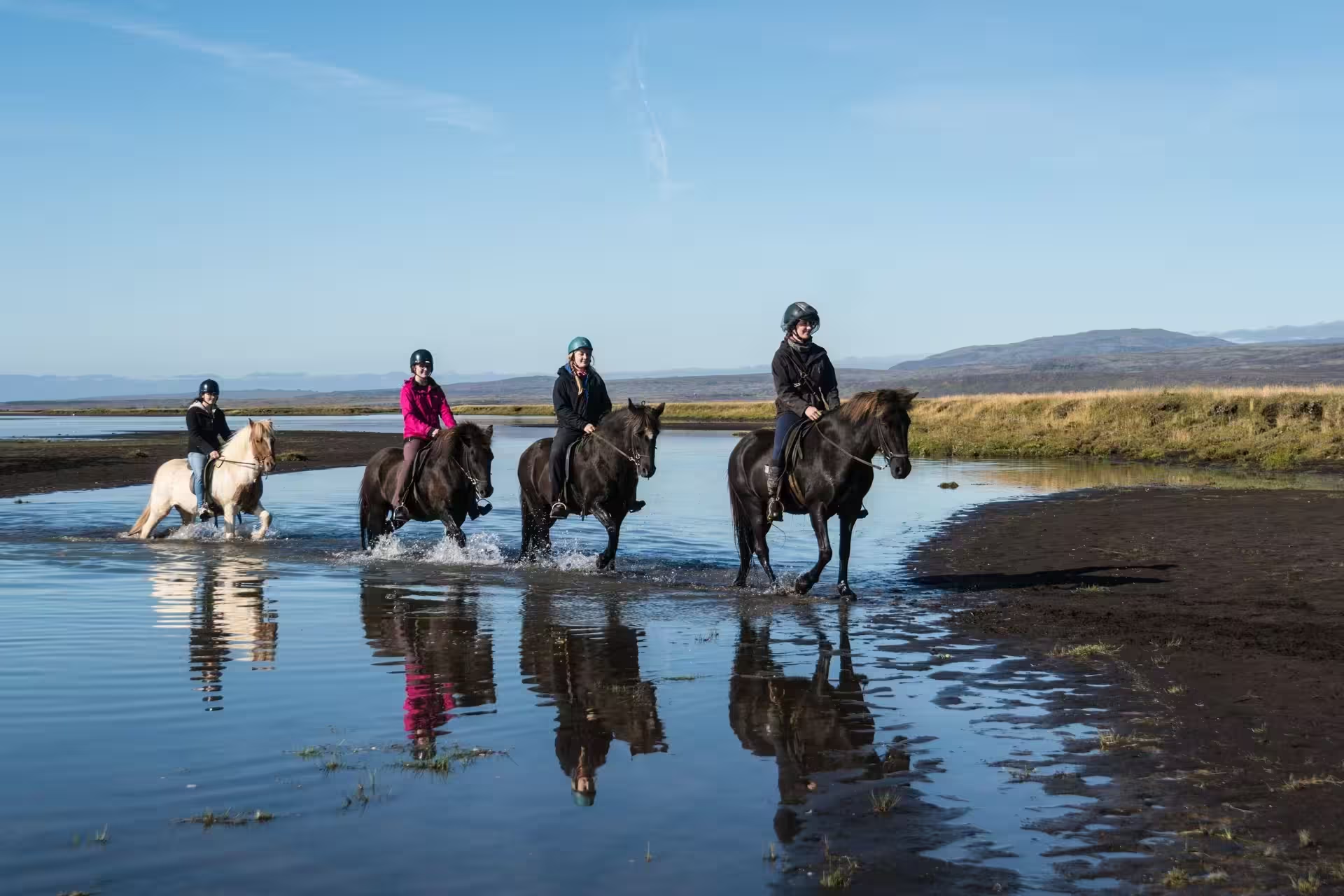
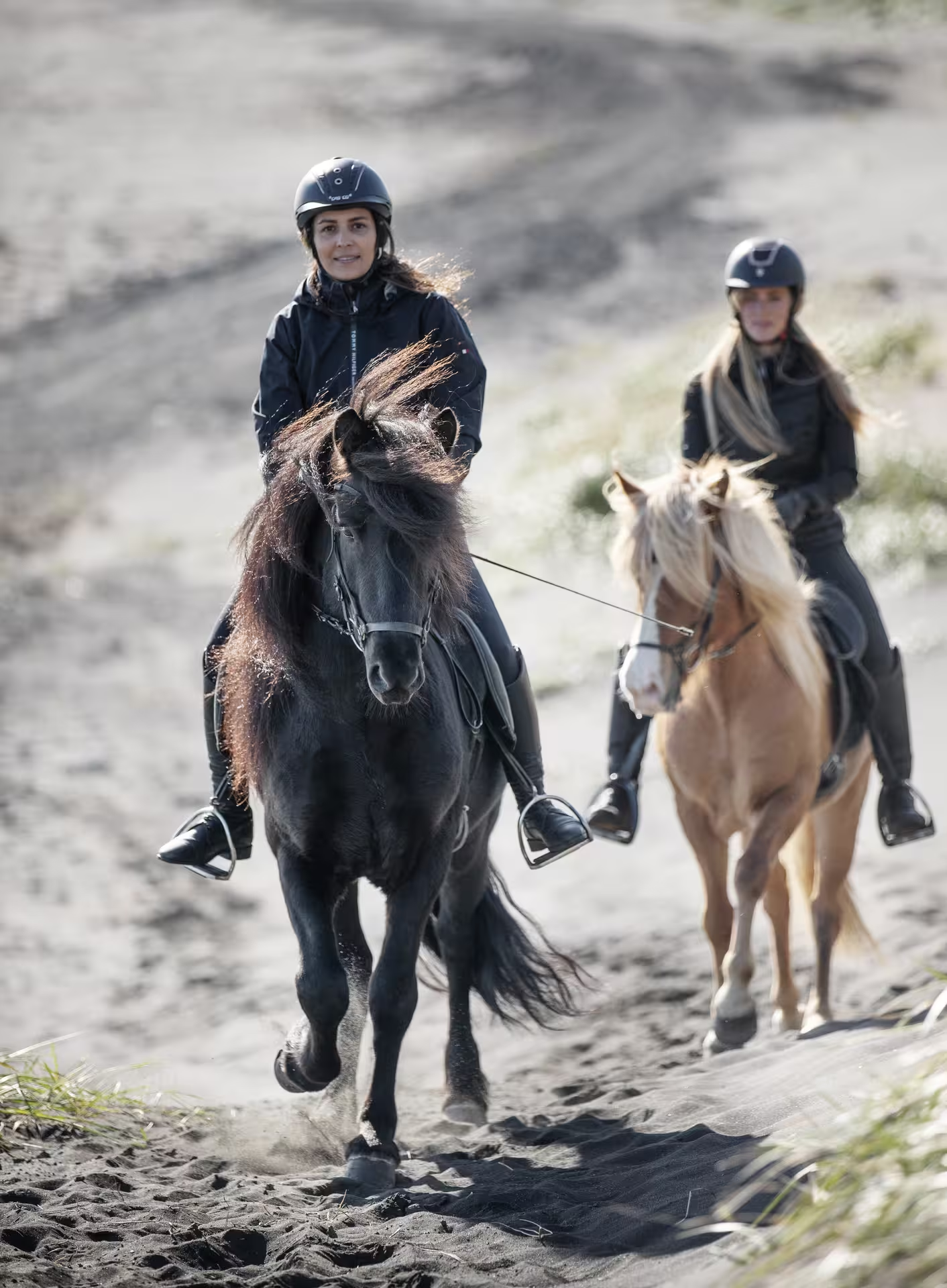
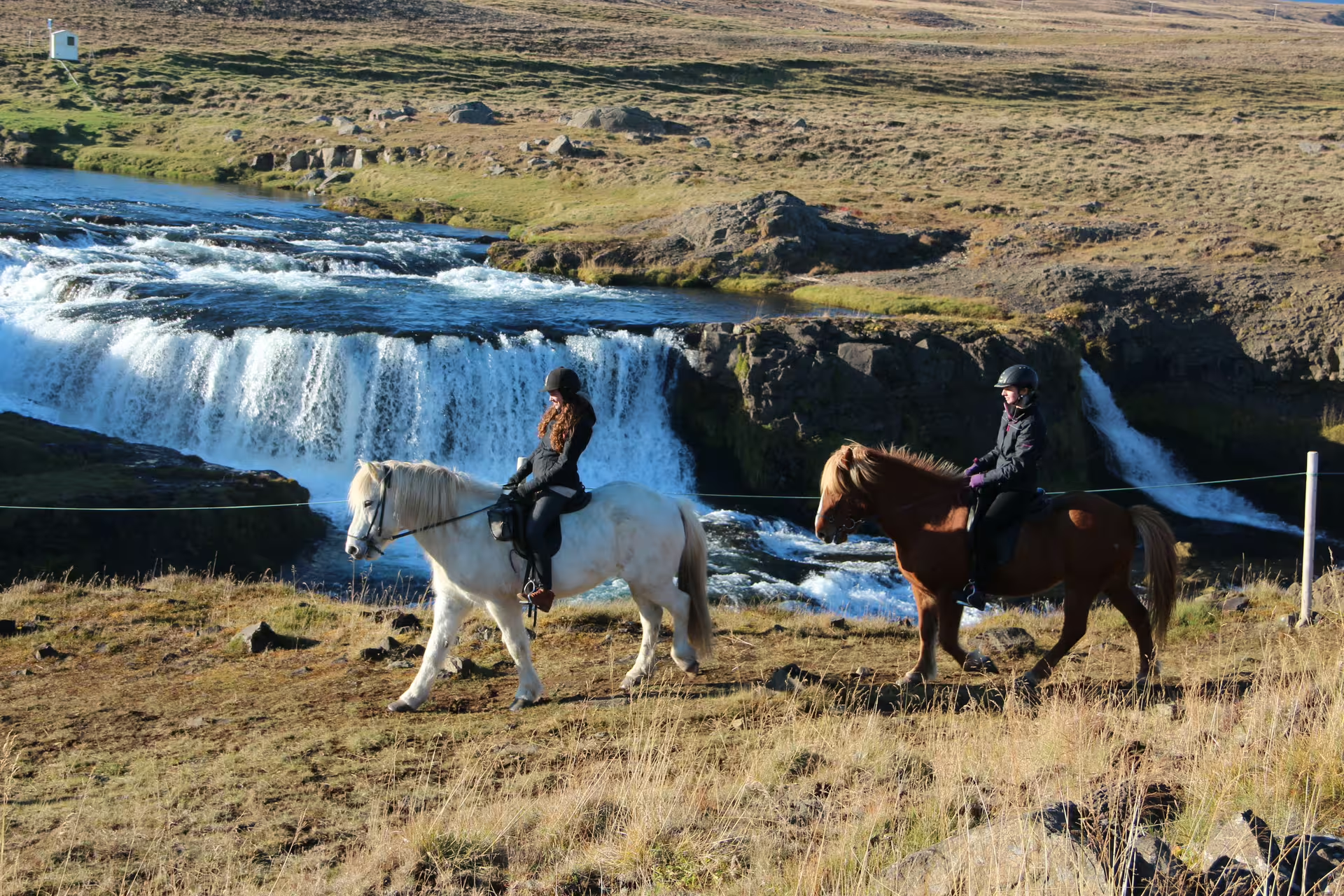
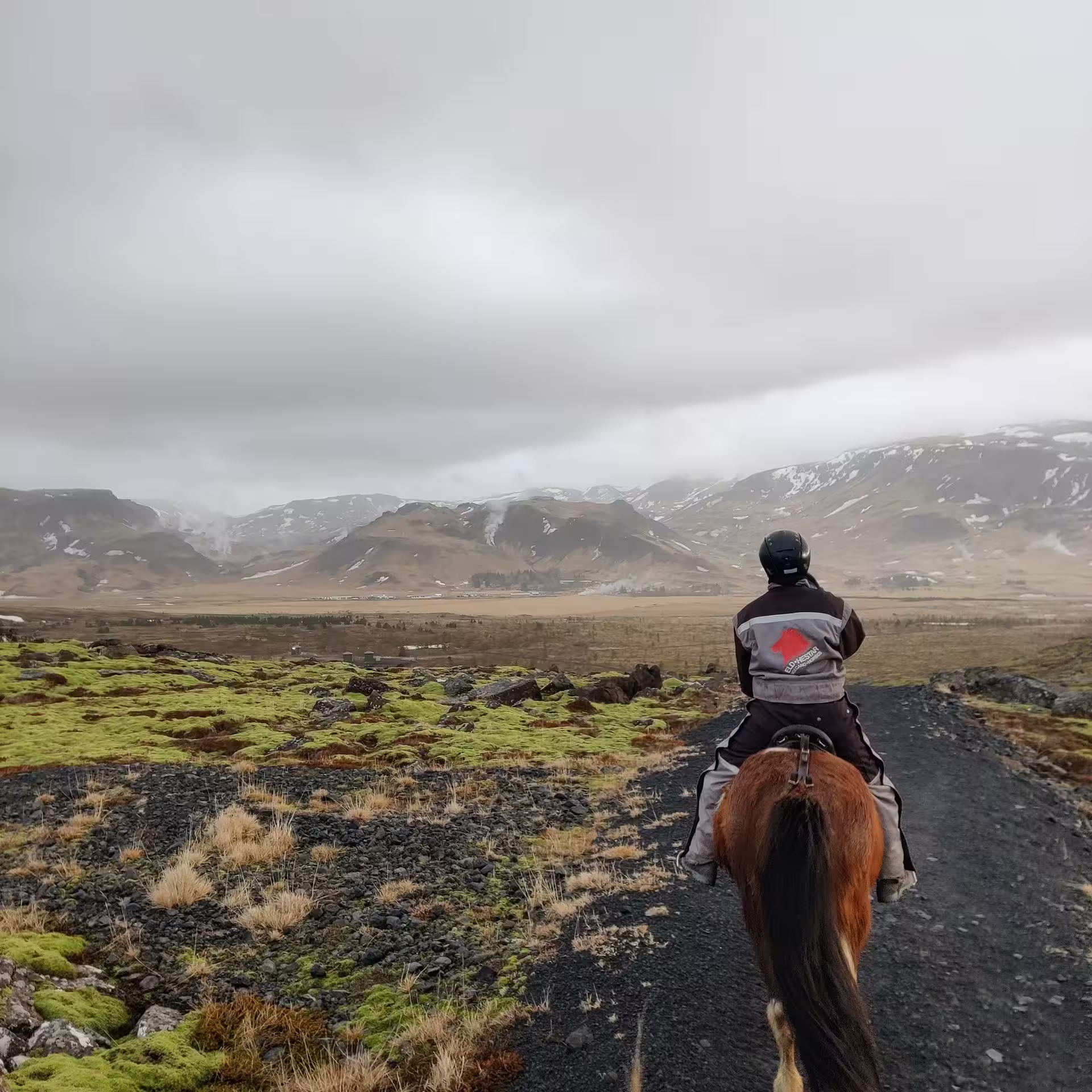
The guided Icelandic horse ride through lava fields and farms lasts 5 hours and includes a horse matched to your riding level, a helmet, safety equipment and a local guide throughout.
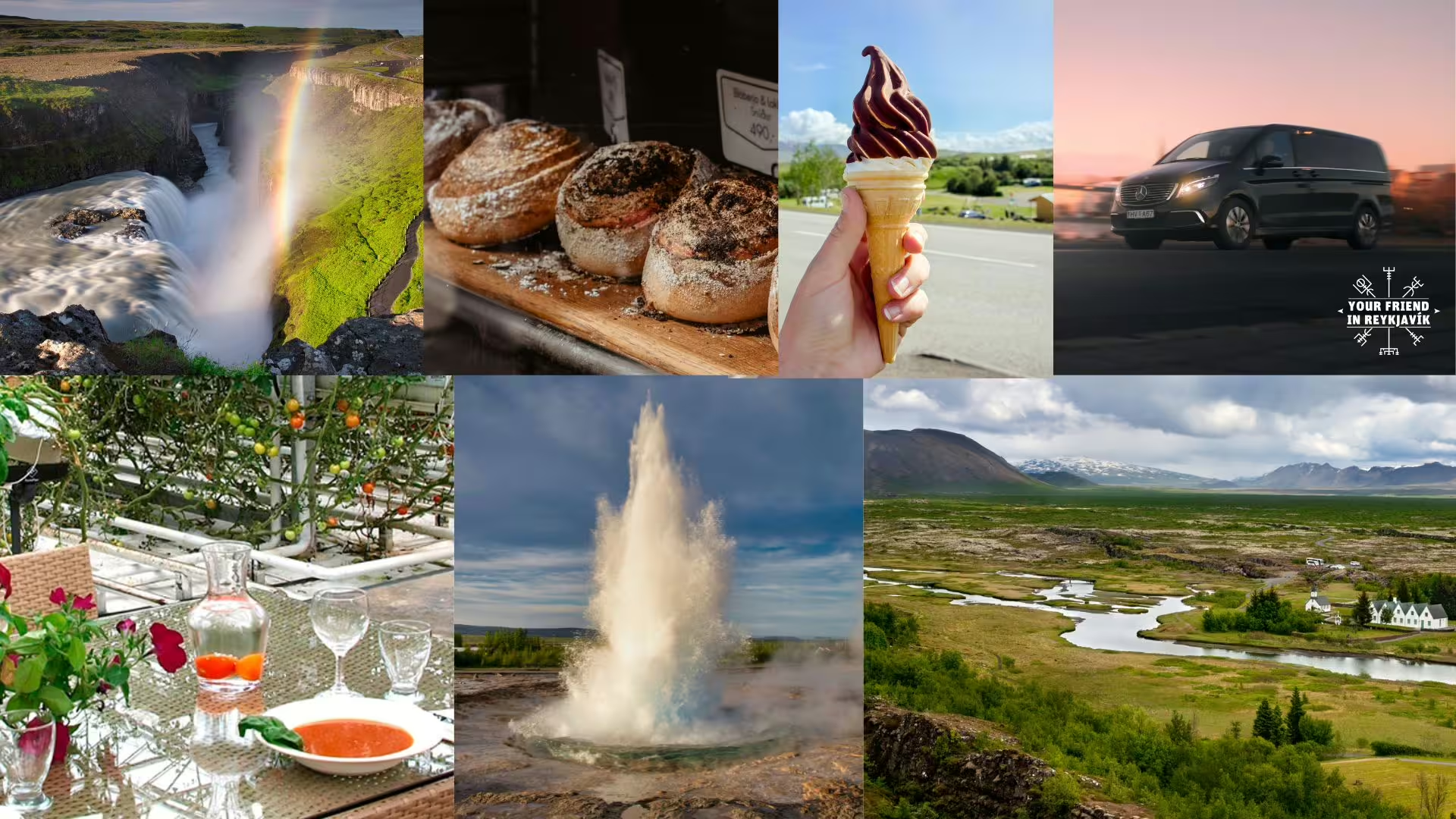
A private luxury Golden Circle day trip with a gourmet experience lasts 10 hours and includes a private luxury vehicle with a professional guide. It includes geothermal egg boiling and rye bread tasting in Hveragerði, along with skyr tasting, Icelandic speciality tastings, tomato soup and homemade bread, grilled leg of lamb, farm ice cream, whey and salted cheese.
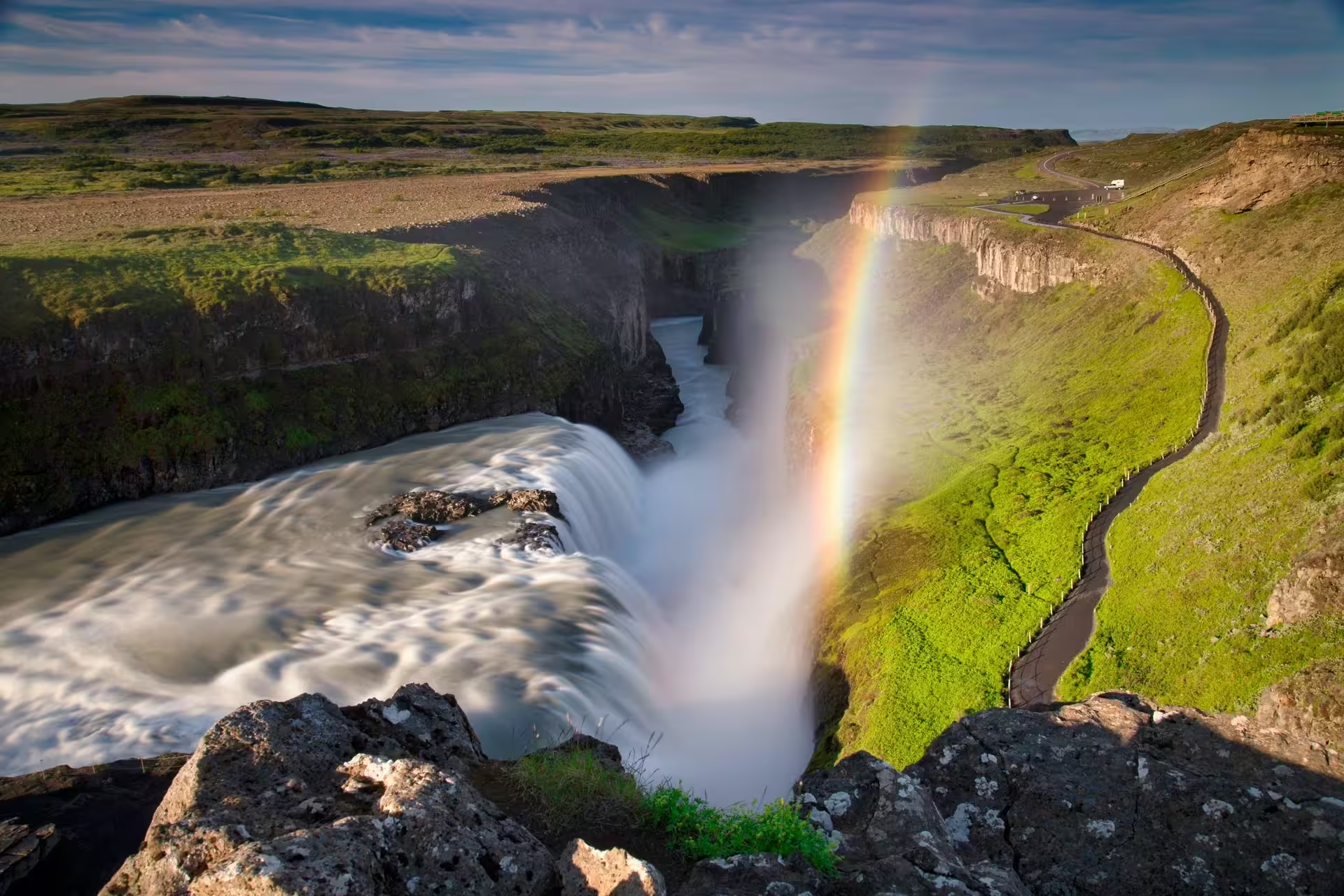
The trail to the river is an easy walk along a winding route.
The Varmá is home to both trout and salmon.
Construction of this modern Protestant church took place from 1967 to 1972.