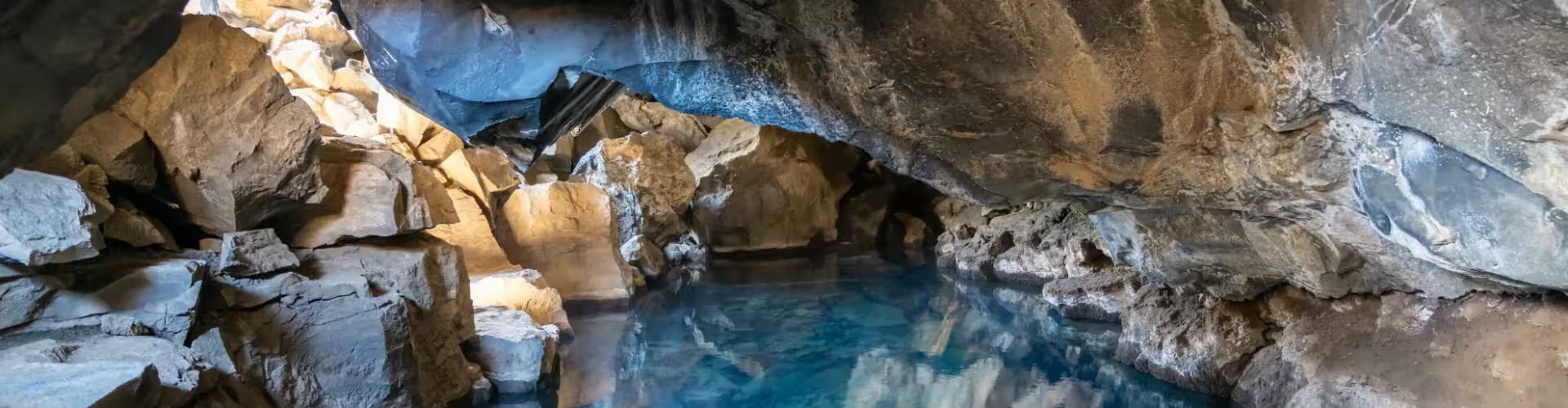
Grjotagja is a geothermal cave located in North Iceland near the Myvatn region, renowned for its naturally heated underground hot spring. This hidden gem offers visitors a chance to experience Iceland's dramatic volcanic landscape and the unique thermal features that define the country's geology. The cave's steaming waters and otherworldly atmosphere make it a memorable destination for adventurous travelers.
What to see in Grjotagja
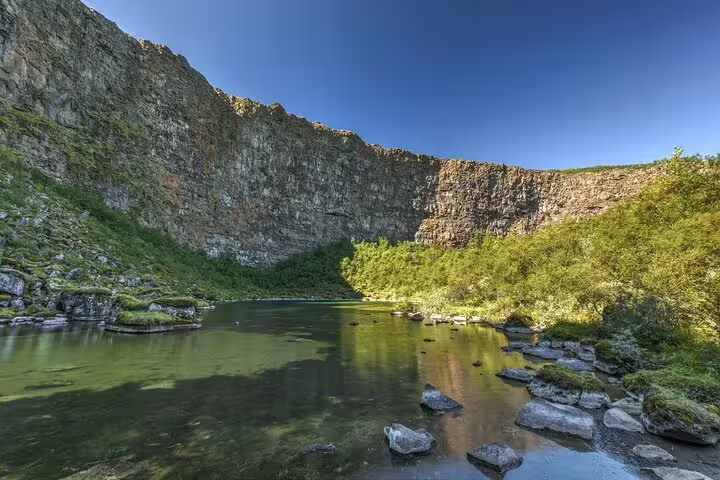
The main attraction is the cave's luminous blue geothermal pool, fed by naturally warm waters that create an enchanting underground environment. Visitors can observe the intricate rock formations and the interplay of light reflecting off the mineral-rich waters. The surrounding area showcases Iceland's volcanic terrain with moss-covered lava fields and rugged geological features.
Things to do in Grjotagja
Exploring the cave allows visitors to witness Iceland's geothermal activity up close and appreciate the unique natural formations. Photography enthusiasts find the blue waters and cave setting ideal for capturing striking images. The location serves as an excellent addition to broader North Iceland itineraries that include visits to nearby attractions like Lake Myvatn and other thermal areas.
Game of Thrones Filming Location
Grjotagja gained international recognition as a filming location for the HBO series Game of Thrones, where scenes were shot featuring the cave's distinctive geothermal pool. This connection has drawn fans and tourists seeking to explore real-world locations from the popular television series. The cave's appearance in the show has significantly increased its profile among global visitors to Iceland.
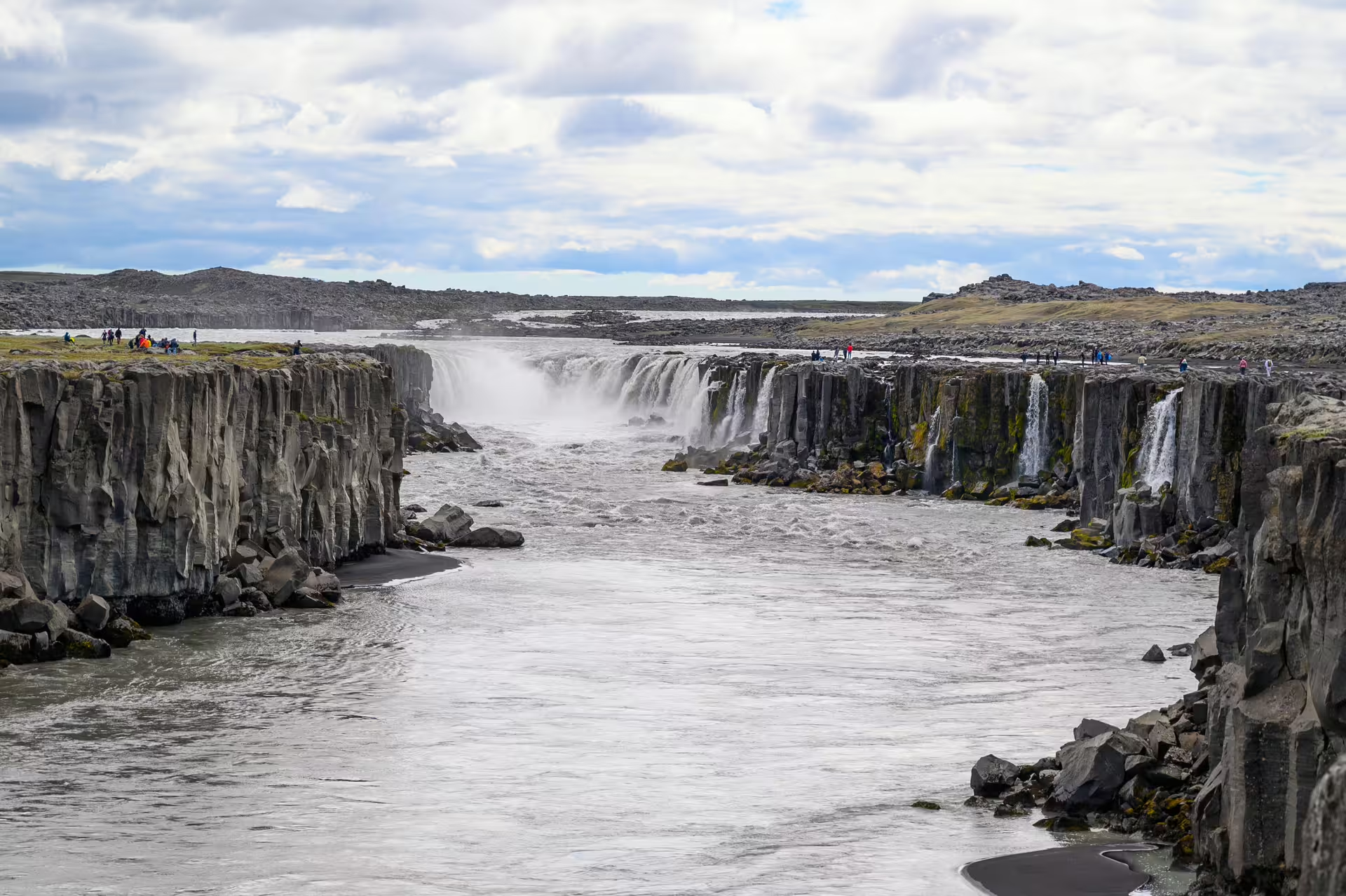
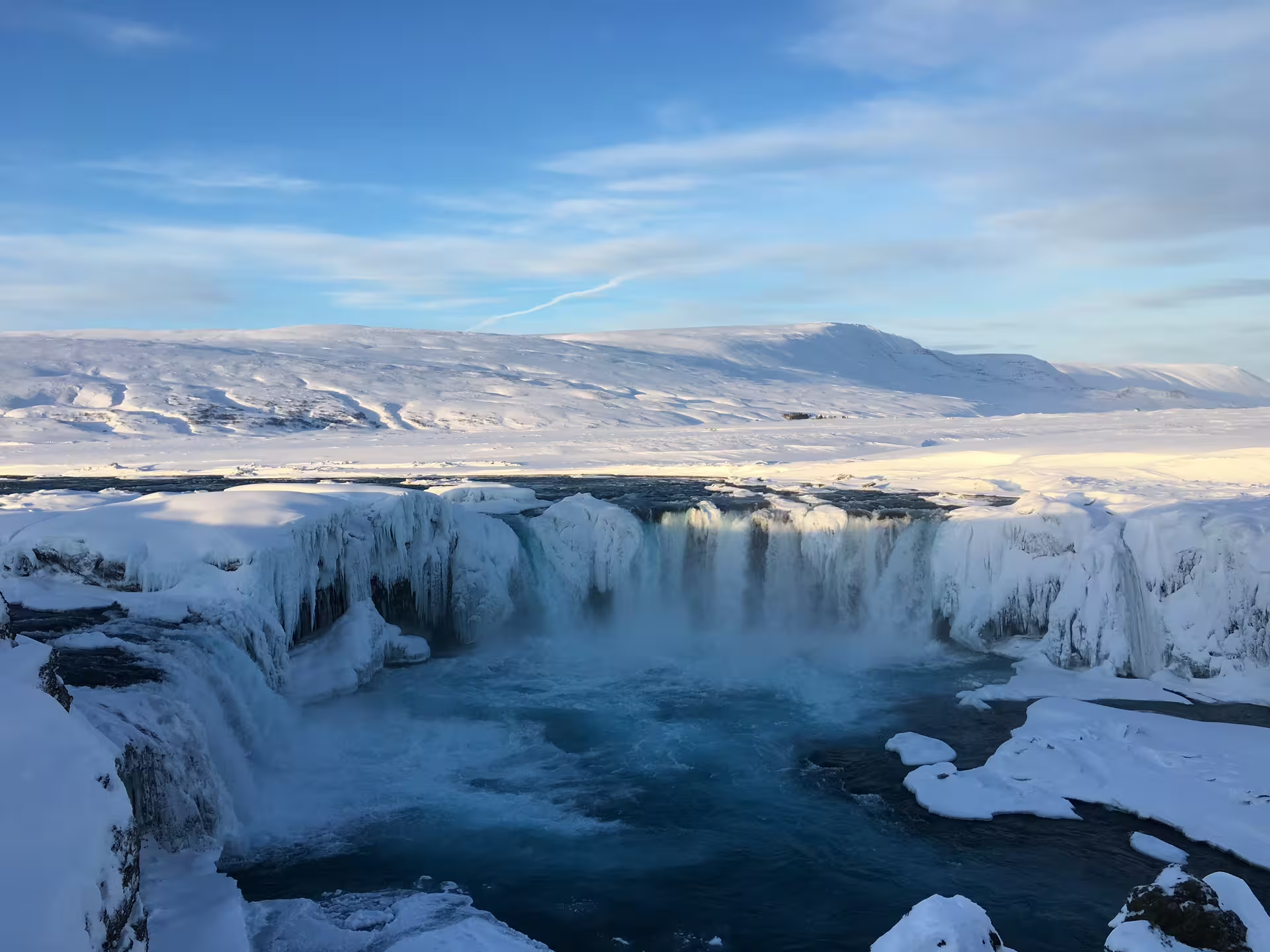
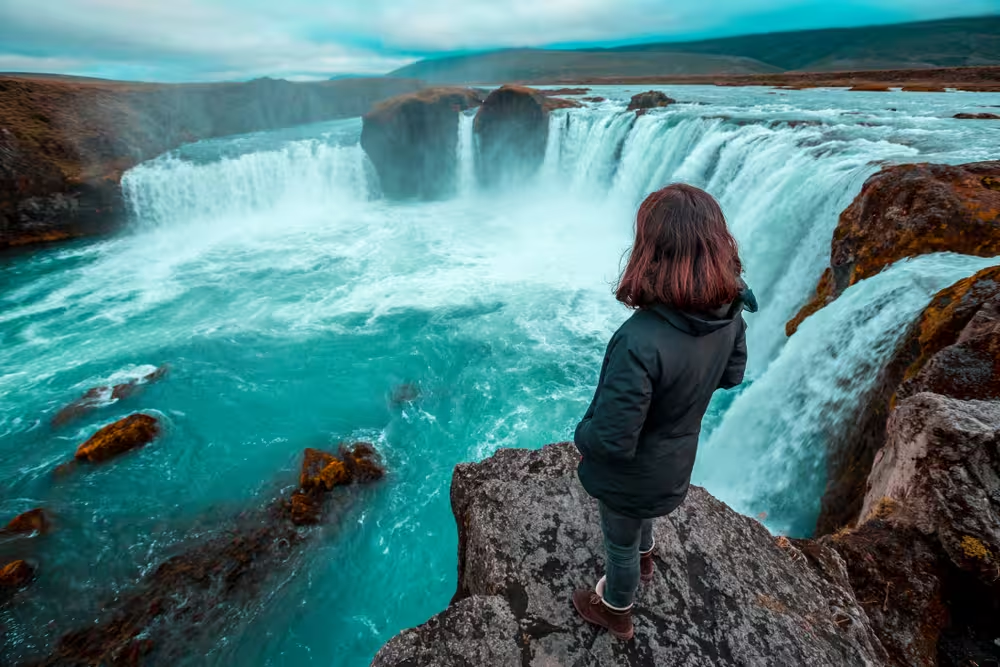
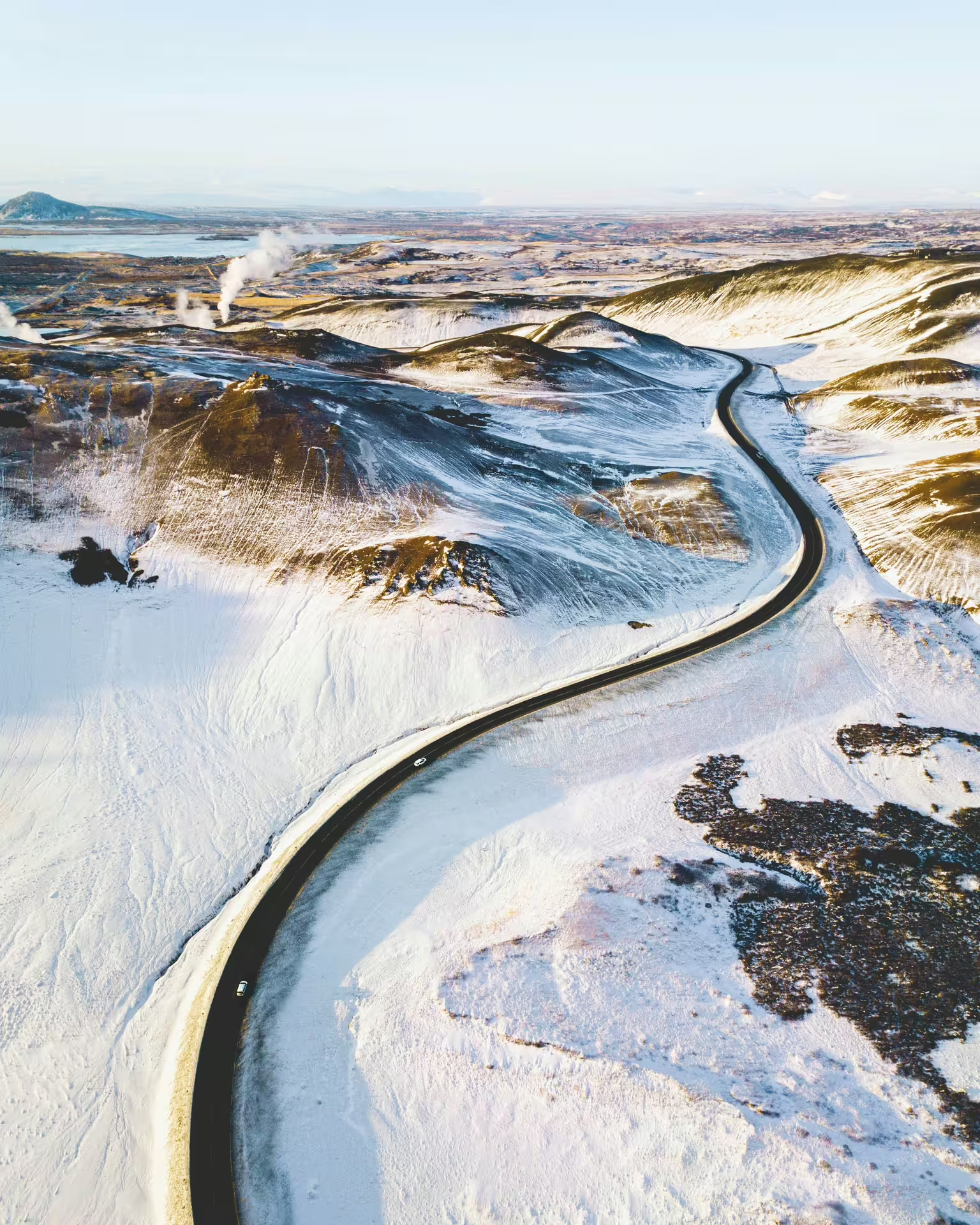
Grjotagja is situated in the Myvatn region of North Iceland, an area known for its extraordinary geothermal and volcanic characteristics. The cave sits within Iceland's active geothermal belt, where hot springs, steam vents, and thermal features are prevalent throughout the landscape. The surrounding Myvatn area encompasses several interconnected thermal attractions and is accessible via Iceland's Ring Road route 1, making it a central hub for visitors exploring North Iceland's natural wonders.