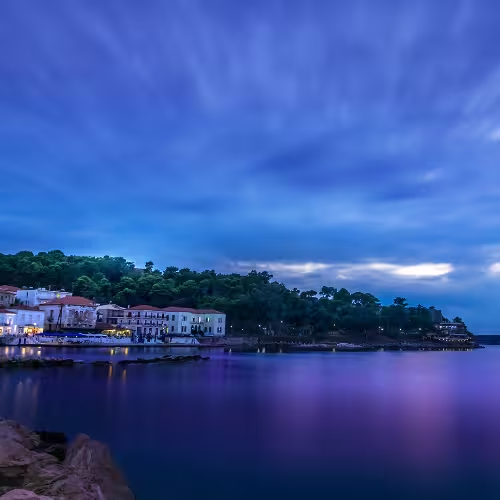
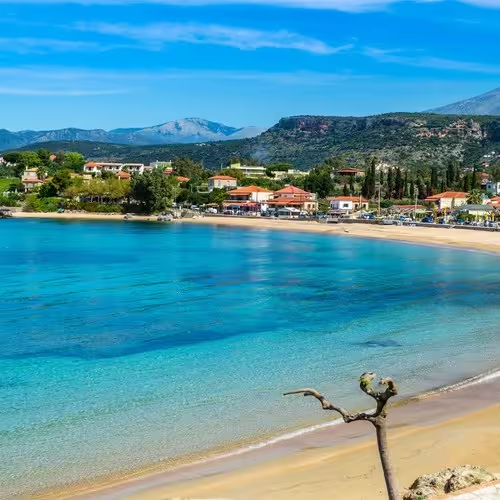
Mavrommati is a historic village nestled in the Peloponnese region of southern Greece, offering visitors a glimpse into authentic Greek countryside life. This charming settlement is known for its traditional stone architecture and connection to ancient Messenia, one of Greece's most significant historical regions.
What to see in Mavrommati
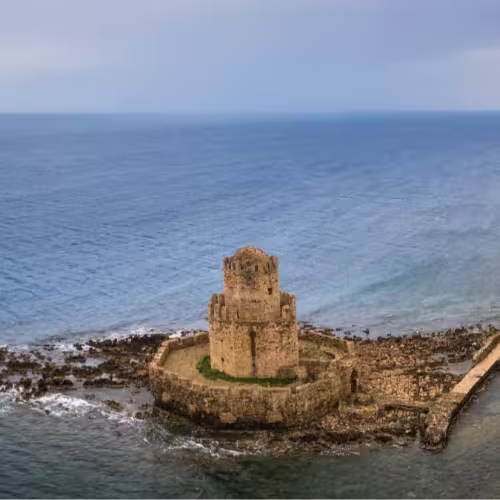
The village serves as a gateway to exploring the archaeological treasures of ancient Messenia. Visitors should not miss the nearby ruins of ancient temples and fortifications that dot the surrounding landscape, which provide insight into the area's rich classical heritage and offer panoramic views of the region.
Things to do in Mavrommati
Travelers can enjoy leisurely walks through traditional village streets, visit local olive groves and agricultural sites, and take guided tours to nearby archaeological sites. The area is ideal for those interested in hiking, photography, and experiencing rural Greek hospitality in a peaceful setting away from crowded tourist destinations.
Olive Oil Heritage and Rural Traditions
Mavrommati is renowned for its long-standing olive oil production, which has been central to the local economy for centuries. The village maintains traditional methods of cultivation and pressing, making it an excellent destination for visitors seeking to understand authentic Greek agricultural practices and local food culture.
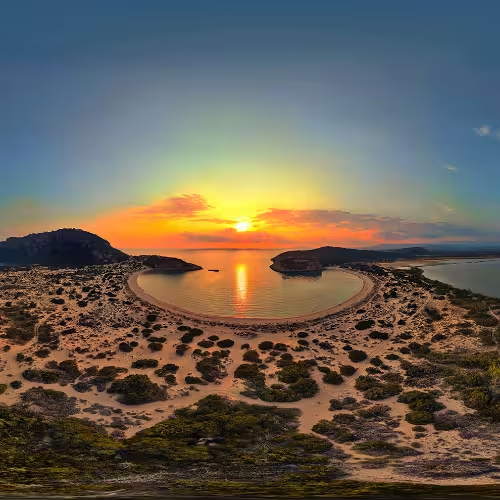
Mavrommati is located in the Peloponnese region of southern Greece, specifically within the Messenia prefecture. This area is characterized by its rich ancient history, rolling countryside landscapes, and traditional farming communities. The village sits in a region historically significant to ancient Greek civilization, with numerous archaeological sites nearby. Its position in rural Peloponnese makes it an authentic destination away from major tourist centers, offering visitors genuine Greek village experiences and connections to the region's agricultural heritage.
Historic village, Olive oil production, Archaeological heritage, Authentic Greek countryside, Peloponnese region, Rural tourism, Traditional culture, Agricultural tourism