Paleokastritsa: coast, tours and heritage
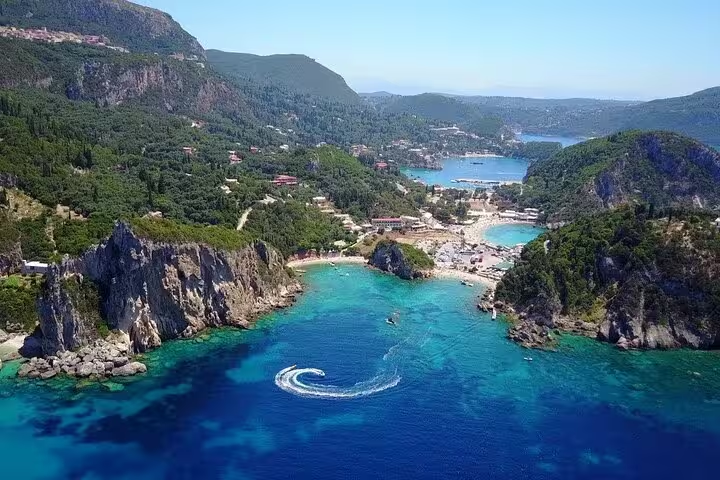
Paleokastritsa is a village in northwestern Corfu, Greece. Its setting is on the island's western coast, immediately south of Angelokastro. Corfu Town is about 23 to 25 km away.
The coast and sea access
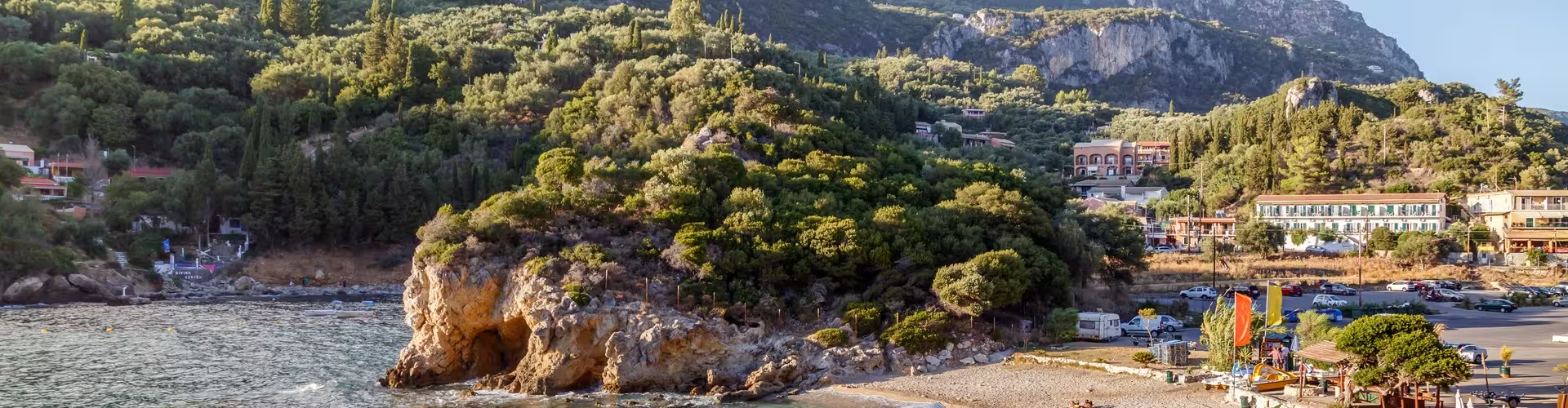
Six little coves and beaches make up Paleokastritsa. Nearby swimming bays include Alypa, Agios Petros, Ampelaki and Platakia. Chomi and Paradise are best reached by boat. The surrounding coves and caves are places for both diving and snorkelling.
A private tour of the Corfu beaches of Paleokastritsa and Glyfada lasts 4 hours and 30 minutes. It includes a local driver throughout, visits to Paleokastritsa Beach and Glyfada Beach, and a stop at the Monastery of Paleokastritsa.
Corfu tours
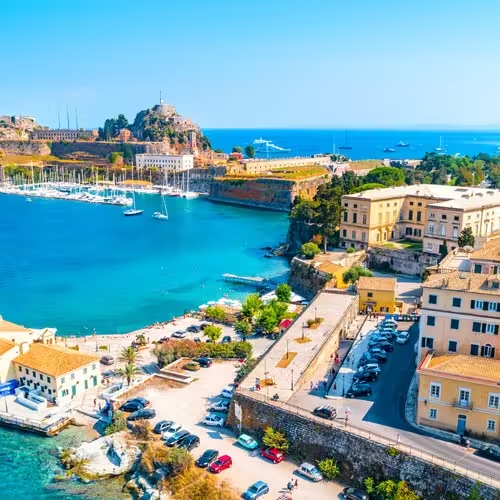
In 2007, UNESCO added Corfu's old town to its World Heritage List.
A private Corfu Town tour with Paleokastritsa and tastings takes 4 hours and 15 minutes. Included are private transport with a driver who speaks English, tastings of honey, kumquat, limoncello and marmalades, a visit to Paleokastritsa Beach, and time to explore Old Corfu Town independently.
A private guided shore excursion in Corfu for up to 15 guests lasts 5 hours and 30 minutes. It includes private vehicle transport throughout, a licensed professional guide who speaks English, and narration at every site. Visits include Paleokastritsa Beach and Monastery, the Monastery of Vlacherna, a local deli for product tastings, Corfu Town's historic centre and the main island museum.
The monastery
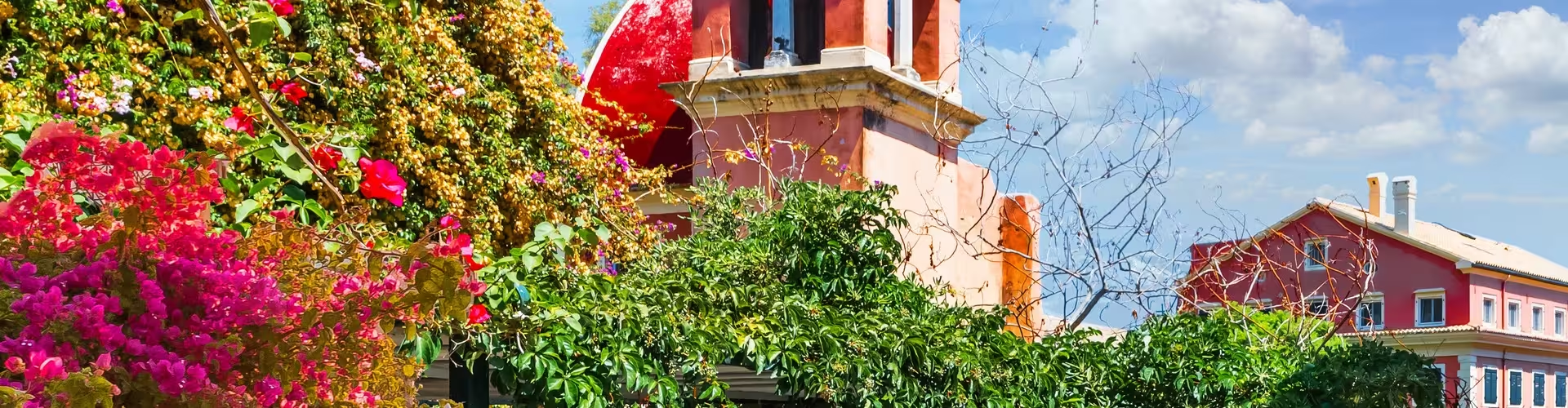
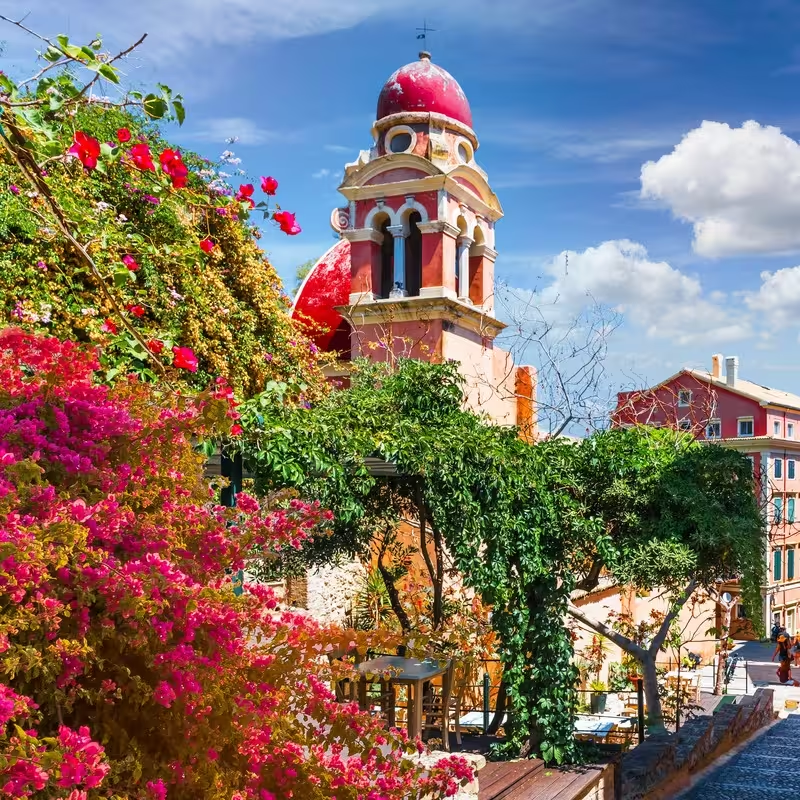
The Monastery of the Theotokos occupies a hillside on the western side of the central bay, facing the Ionian Sea. Its current buildings belong to the eighteenth century. The collection includes Byzantine icons alongside sacred books, religious vestments and church heirlooms. Bones belonging to a marine mammal are also among the objects in the monastery's small museum. A bell tower is an addition characteristic of the Ionian region.
Angelokastro and Lakones
Paleokastritsa's name refers to nearby Angelokastro and conveys the idea of a little old castle. The remains of this Byzantine fortress occupy a hilltop. From its position on a large rock, Angelokastro overlooks the bays around Paleokastritsa. The fortress came under Angevin control in 1272. It was one of Corfu's main strongholds, passing to Venice in 1386. Its western side lacked fortifications because the cliffs there rise almost vertically. The chapel of Saint Kyriaki, cut into the rock at the eastern edge of the site, holds paintings generally dated to the 18th century.
Above Paleokastritsa, Lakones spreads across the mountainside, with old houses and lanes that are narrow. Lakones formerly served as the administrative seat of the former municipality of Palaiokastrites; the Kolovri rock lies offshore.
Stories of Odysseus
Corfu has been suggested to be the mythical island of the Phaeacians. Paleokastritsa's bay has likewise been proposed as the landing place where Odysseus first encountered Nausicaa. Local tradition identifies a rock offshore as Odysseus' mythical ship transformed into stone.
Frequently asked questions
Where is Paleokastritsa?
Paleokastritsa is a village in northwestern Corfu, Greece. Its setting is on the island's western coast, immediately south of Angelokastro. Corfu Town is about 23 to 25 km away.
Which nearby beaches are best reached by boat?
Chomi and Paradise are best reached by boat.
What does the Monastery of the Theotokos contain?
The collection includes Byzantine icons alongside sacred books, religious vestments and church heirlooms. Bones belonging to a marine mammal are also among the objects in the monastery's small museum.
How long is the private beach tour to Paleokastritsa and Glyfada?
A private tour of the Corfu beaches of Paleokastritsa and Glyfada lasts 4 hours and 30 minutes.
What is the link between Paleokastritsa and Odysseus?
Corfu has been suggested to be the mythical island of the Phaeacians. Paleokastritsa's bay has likewise been proposed as the landing place where Odysseus first encountered Nausicaa. Local tradition identifies a rock offshore as Odysseus' mythical ship transformed into stone.