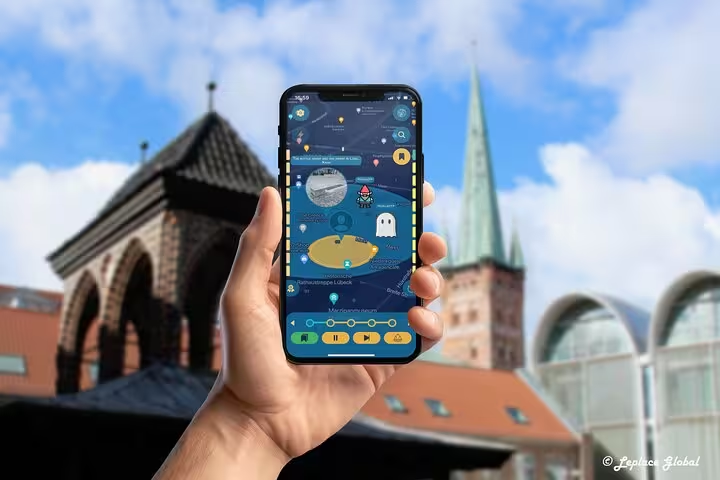
Lubeck is a UNESCO World Heritage city in northern Germany, renowned for its stunning brick Gothic architecture and its historic role as a major Hanseatic League trading center. The city's distinctive red-brick spires and well-preserved medieval streets transport visitors back centuries, while the peaceful Trave River adds to its charming atmosphere.
What to see in Lubeck
The Holsten Gate, an iconic twin-towered structure, stands as the city's most recognizable symbol and houses a museum dedicated to Lubeck's maritime history. Visitors should explore the magnificent St. Mary's Church, St. Peter's Church, and the impressive Town Hall, all showcasing exceptional brick Gothic craftsmanship. The narrow alleyways and historic merchant houses in the Old Town offer countless photographic opportunities and insight into medieval city life.
Things to do in Lubeck
Take walking tours through the atmospheric Old Town to discover hidden courtyards and historic squares. Day trips to nearby coastal towns along the Baltic Sea provide beach relaxation, while river cruises along the Trave offer scenic views of the city. The city also hosts seasonal markets and cultural events throughout the year.
Lubeck's Marzipan Heritage
Lubeck is world-famous for its exceptional marzipan production, a tradition dating back centuries. Visitors can tour historic confectioneries and museums dedicated to this beloved almond paste delicacy, and sample authentic Lubeck marzipan in its birthplace.
Lubeck is located in northern Germany in the state of Schleswig-Holstein, situated on the Trave River near the Baltic Sea coast. The city is approximately 60 kilometers northeast of Hamburg and serves as a gateway to the German Baltic coast. Its strategic location has historically made it a vital trading hub and continues to be an important cultural and tourist destination in northern Europe.
Historic Medieval City, UNESCO World Heritage Site, Hanseatic Heritage, Baltic Gateway, Architecture & Culture, Northern Germany