Last updated:


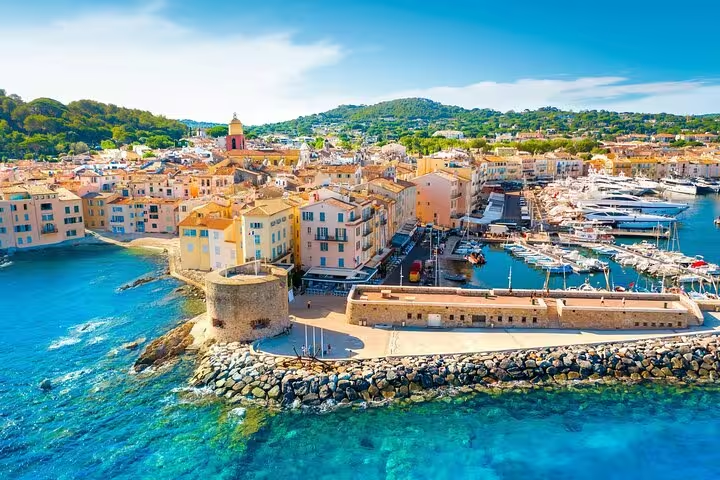
A visit to Saint-Tropez can bring together painting, maritime history and time on the sand. In France’s Provence-Alpes-Côte d’Azur region, this Var town offers different ways to shape a stay, from the former fishing quarter of La Ponche to the collections of the Musée de l’Annonciade.
Art and maritime history make a useful starting point, with film, local traditions or nature filling out the visit according to your interests. At the Musée de l’Annonciade, the collection belongs mainly to the Pointillist, Nabis and Fauvist movements, so this is a natural stop for a trip centred on art. Paul Signac reached Saint-Tropez aboard his yacht L’Olympia in 1892, adding a connection between painting and the sea to that visit.
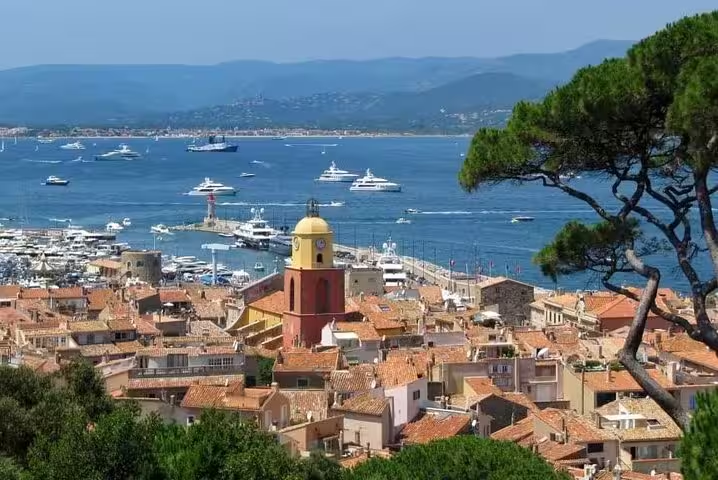
The Citadel offers a different thread through the town’s past, with a museum devoted to maritime history. Its defensive tower began taking shape in 1602 under royal engineer Raymond de Bonnefons. That seafaring theme also runs through the ex-votos at the Chapelle Sainte-Anne, which mainly relate to local sailors.
For a visit shaped around film, the Musée de la Gendarmerie et du Cinéma covers productions filmed in the village and the Gendarmes de Saint-Tropez series. The Maison des Papillons offers a different kind of display: pinned butterflies set against painted landscapes in glass boxes.
Away from the collections, La Ponche gives the visit a link to the town’s fishing past, while Place des Lices is associated with boules players. The ochre and yellow bell tower identifies Notre-Dame-de-l’Assomption, whose interior holds a bust of the patron saint, Saint Torpès. A break for tarte tropézienne means soft brioche with a lightly flavoured cream filling.
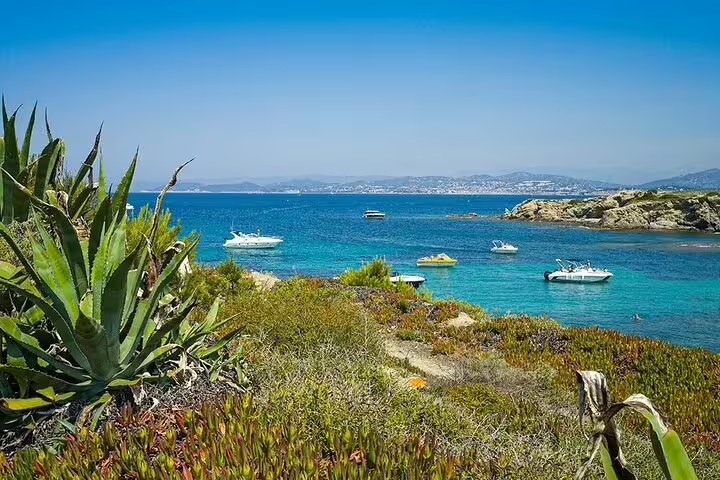
Two days would give this mix of museums and coast room to breathe: a day for art and maritime history, followed by a day for the beach or nature. The Musée de l’Annonciade and the Citadel can anchor the first day, with La Ponche adding the former fishing quarter to the plan. On the other day, Plage des Salins offers fine sand and an east-facing shore, while the protected park at La Moutte provides a nature-focused alternative. La Moutte supports wildlife including hoopoes, green woodpeckers, bats, badgers and weasels.
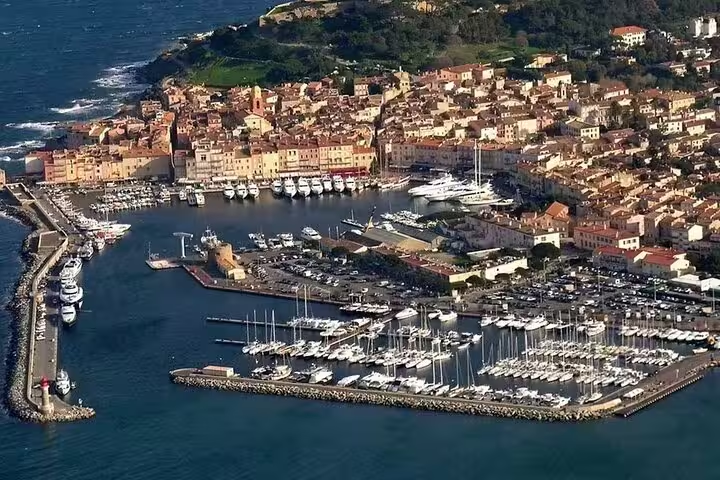
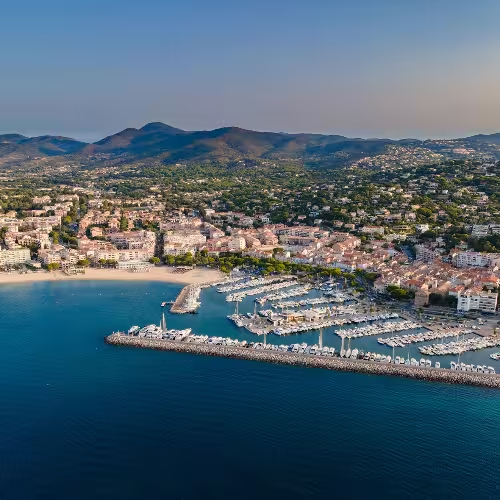
For a day shared between destinations, a full-day private tour of Saint-Tropez and Port Grimaud lasts 9 hours and includes a private guide with historical and cultural commentary throughout. A private day trip to Saint-Tropez and Bormes-les-Mimosas lasts 8 hours and includes private transport, a licensed guide, a Citadelle de Saint-Tropez visit, a guided visit to Bormes-les-Mimosas and an introduction to Provence wine culture.
May suits a visit built around local traditions, with the annual Bravades held on 16, 17 and 18 May. Their history reaches back to 1558, giving those dates a cultural reason to plan a stay. For a trip with a market visit, Tuesday or Saturday is the day to include Place des Lices in your plans.
Regional buses are an option for journeys between Saint-Tropez and Saint-Raphaël or Toulon. ZOU! route 876 serves the Saint-Raphaël connection, while route 878 links Toulon along the coast. For a guided day from Nice, a Saint-Tropez day trip with a Port Grimaud visit lasts 8 hours and includes return transport in an air-conditioned vehicle, a professional guide and time to explore Saint-Tropez independently.
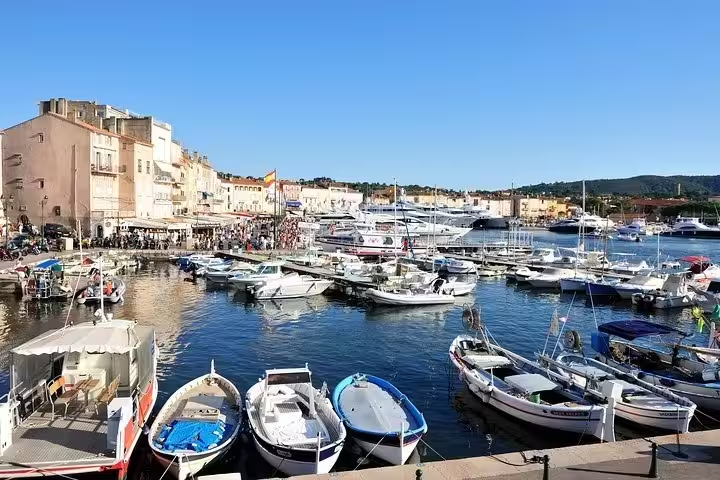
Torpes, a Roman officer serving at Nero’s court, gave Saint-Tropez its name.
More than 35,000 butterfly specimens form the museum’s collection.
Alexandre Micka created the pastry in 1955.