Last updated:


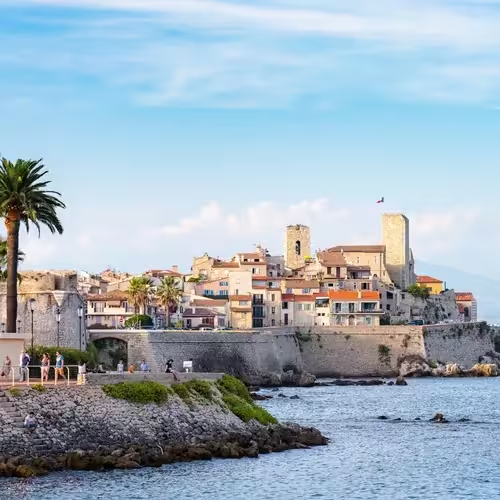
Antibes suits a trip built around art, food and time outdoors, with the Picasso Museum, the Provençal market and the Tirepoil coastal walk offering different ways to spend your days. A useful plan gives the museums their own time and leaves room for Cap d'Antibes rather than trying to fit every stop into a single outing.
Art and the Provençal market make a good focus for a first visit, with Fort Carré adding a different side of Antibes. Château Grimaldi became the Picasso Museum in 1966, so the château is the stop to put on an art-focused itinerary. For a different style of work, the Peynet and Cartoon Museum shows art by Raymond Peynet, who created the Amoureux characters.
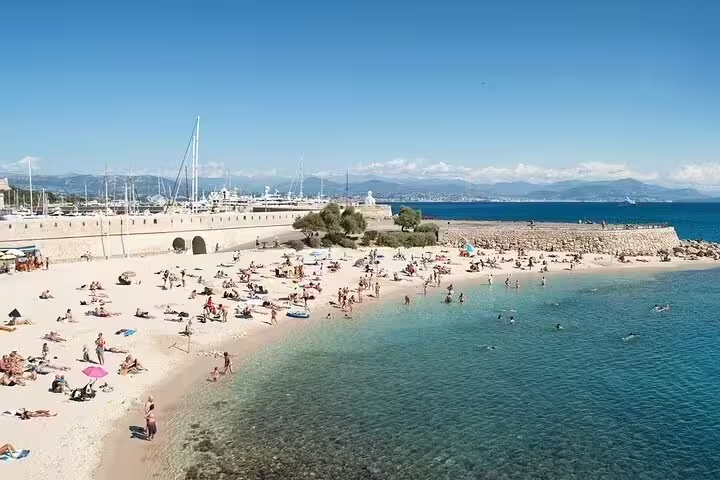
Antibes Cathedral adds another art stop: its Vierge du Rosaire altarpiece was painted in 1513 by Ludovico Bréa. At the Saint-Jaume bastion, the work to look for is Nomade, a monumental sculpture by the Catalan artist Jaume Plensa.
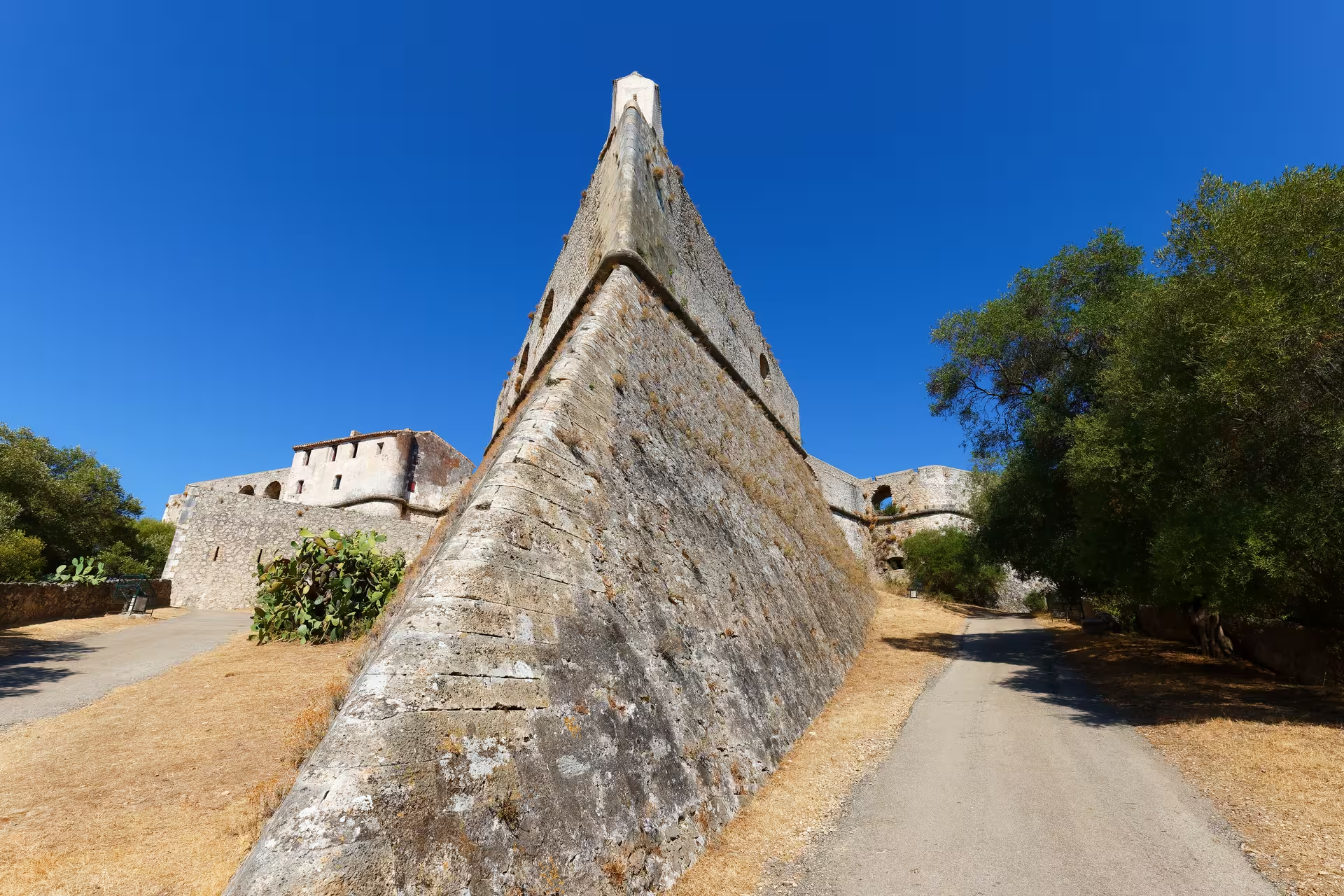
The Provençal market is worth including for food, with local produce, charcuterie, cheeses from the mountains and spices among its goods. Fort Carré makes sense if your interests lean towards fortifications: King Henri II of France ordered its construction, and a protected park surrounds it.
Two days is a useful plan for art and food followed by the coast, with the Picasso Museum and market on the first day and Tirepoil on the second. On the first day, the Archaeology Museum is an alternative for anyone who would rather focus on the past; it was established in the Saint-André bastion in 1963.
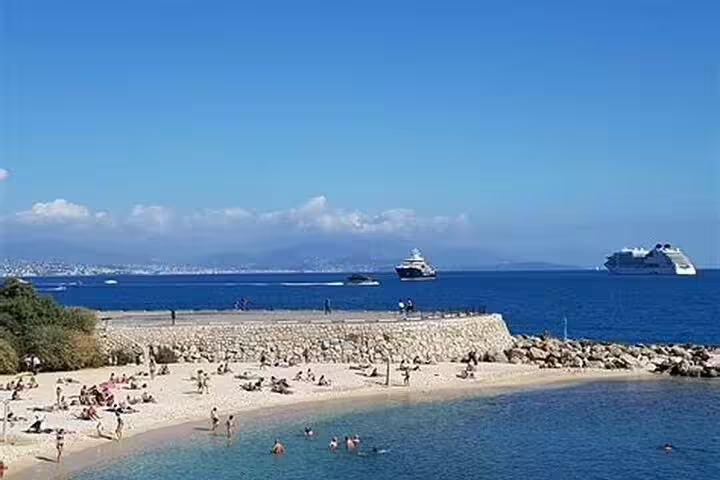
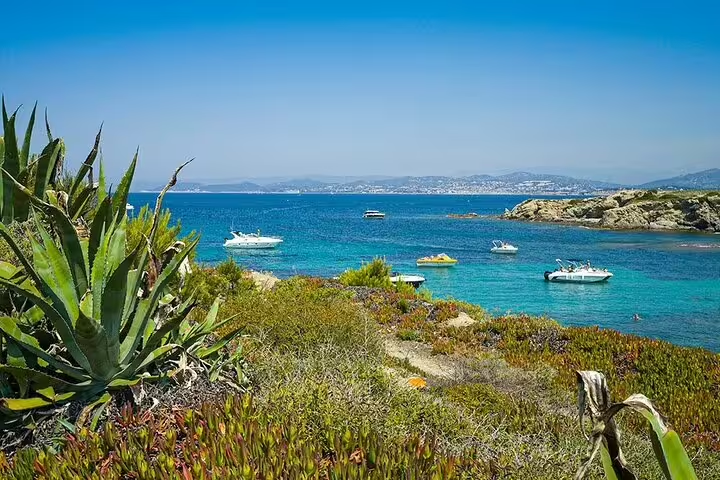
On the second day, allow space for the Tirepoil walk along Cap d'Antibes, which takes about two hours; the part below Villa Eilenroc is closed until May 2027. The area belongs to the Natura 2000 site Baie et cap d'Antibes · îles de Lérins, making this the nature-focused part of the plan. For a botanical interest, Villa Thuret offers another focus on Cap d'Antibes: it has supported research into botany and plant acclimatisation since 1857.
A private full-day tour of Cannes and Antibes lasts 9 hours and includes a local professional guide, a private vehicle, a glassblowing factory visit in Biot, guided destination stops and photo stops along the route. The Provençal market and wine tasting full-day tour from Nice lasts 9 hours and includes a professional guide, shared transport, a guided vineyard and cellar visit at Domaine de la Source, and tastings of red, rosé and white wines.
Regional trains are an option for trips between Antibes, Nice and Cannes, while a self-guided walking tour offers a way to explore Antibes on foot. TER services link Antibes with both cities, so either can fit a rail-based itinerary. For an arrival through Nice airport, the regional rail route to Antibes goes via Saint-Augustin station.
The Antibes self-guided walking tour with GPS audio guide lasts 1 hour and 15 minutes and includes smartphone audio, 22 commentaries in multiple languages and access to the complete itinerary covering 22 stops.
20 km separates Antibes Juan-les-Pins from Nice Côte d'Azur International Airport.
Picasso left 23 paintings and 44 sketches in the château's custody after working there in autumn 1946.
43 metres is the height reached by the rampart walk at Fort Carré.
Yes, the path beside Pinède Gould has handprints of jazz musicians who played at the festival.