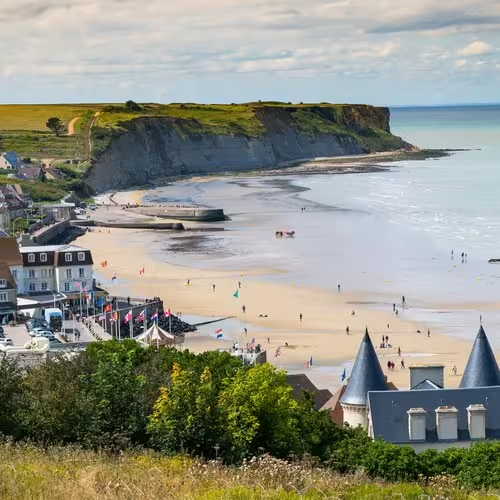
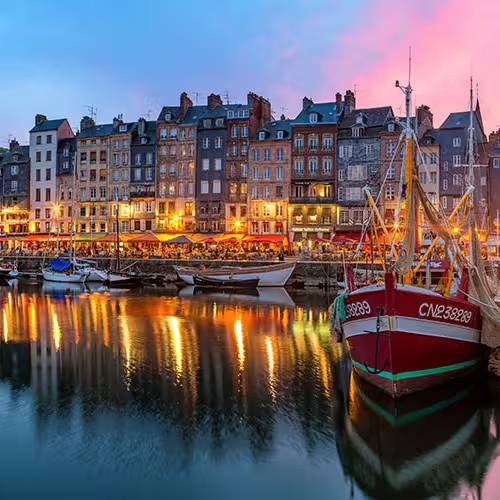
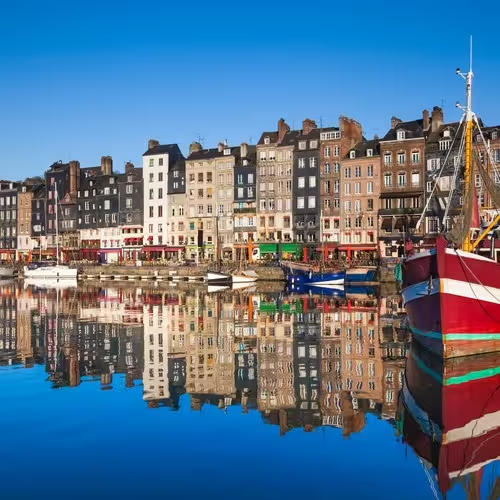
Colleville-sur-Mer is a picturesque coastal village in Normandy, France, perched on the cliffs overlooking the English Channel. This charming destination is renowned for its connection to World War II history and its stunning natural landscape that draws visitors from around the world.
What to see in Colleville-sur-Mer
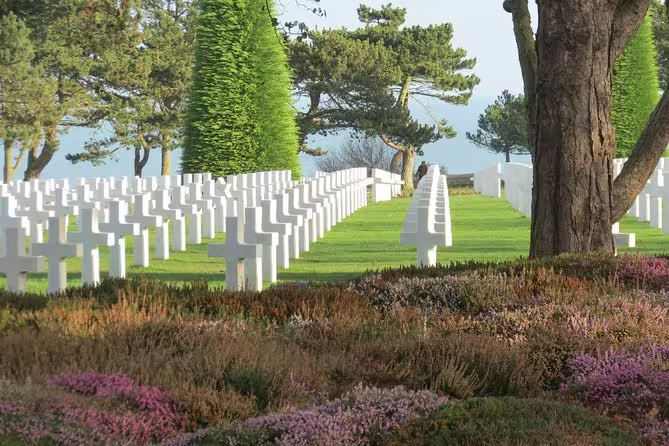
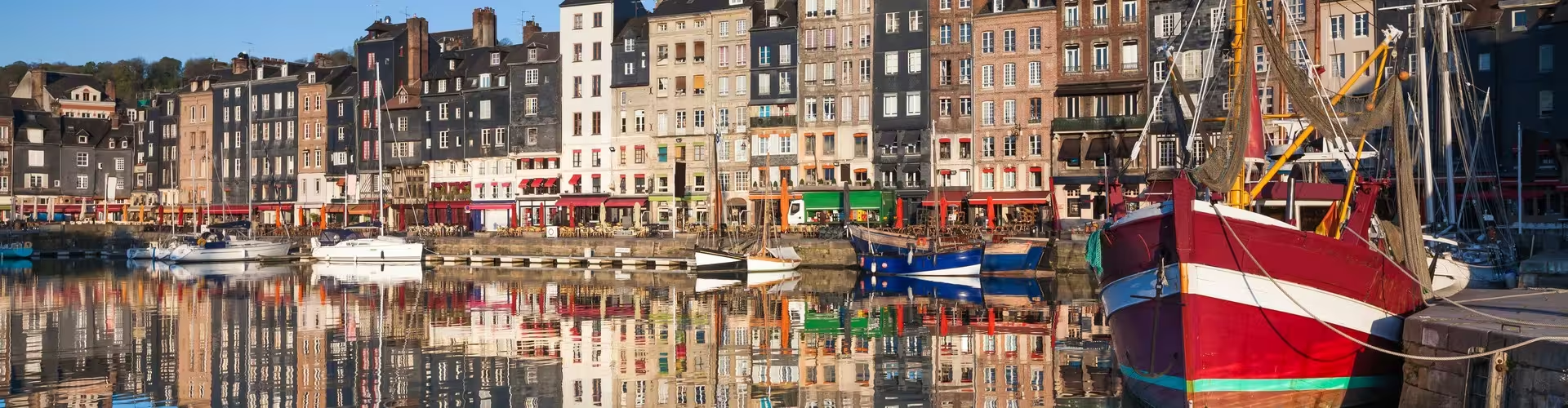
The village offers breathtaking views from its clifftop position and serves as a gateway to the nearby Omaha Beach, one of the most significant D-Day landing sites. Visitors can explore the American Cemetery, set on 172 acres of immaculate grounds, and wander through the village's quiet streets lined with traditional Norman architecture and local shops.
Things to do in Colleville-sur-Mer
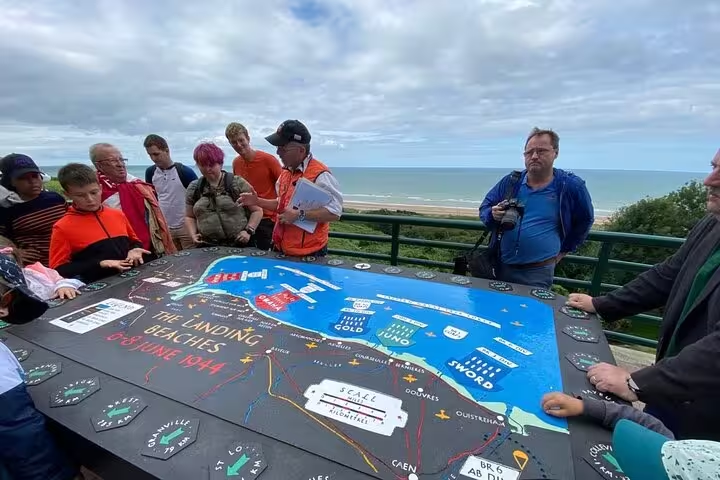
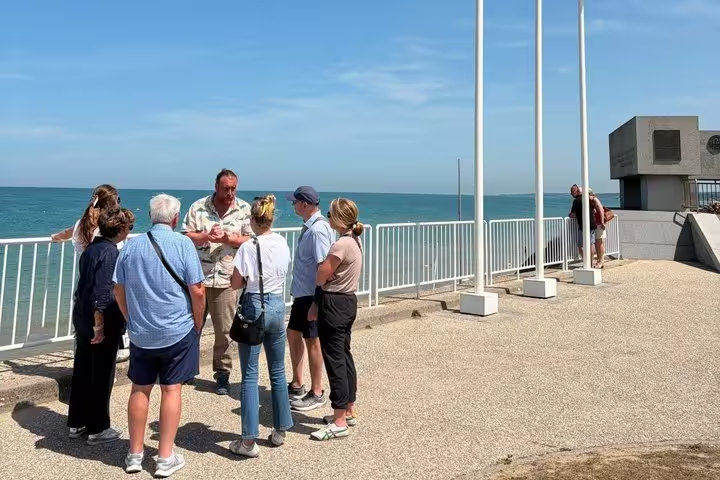
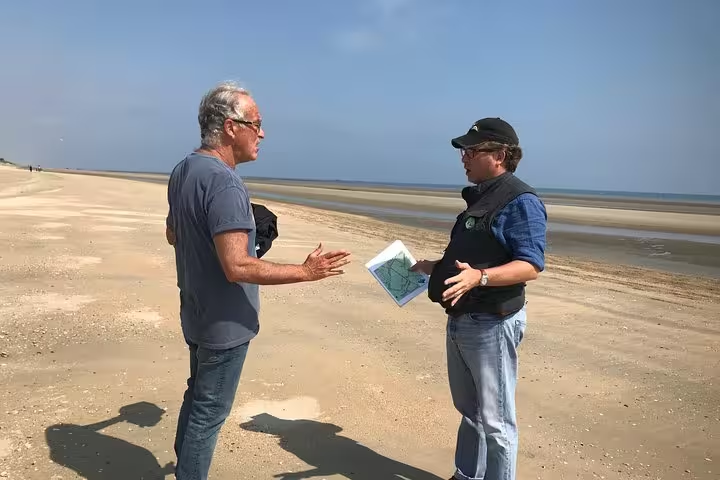
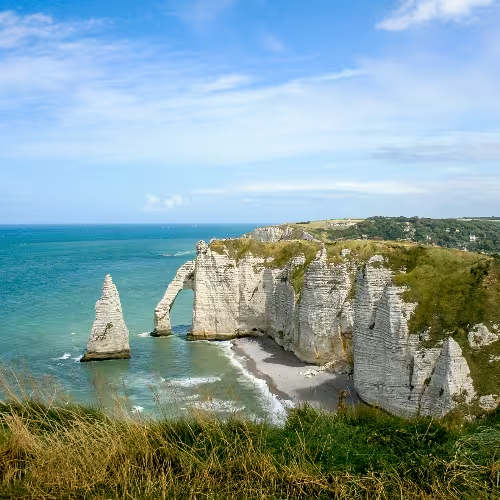
Walking along the coastal paths provides spectacular vistas of the cliffs and Channel. Guided tours of the D-Day beaches and museums offer in-depth historical insights. The area is perfect for day trips to nearby Bayeux and other Normandy attractions, while hiking and photography enthusiasts find endless opportunities in the surrounding countryside.
D-Day Heritage and Historical Significance
Colleville-sur-Mer holds profound historical importance as the location of the American Cemetery, containing the graves of 9,387 service members from World War II. The village and surrounding beaches remain central to understanding the Normandy landings, with numerous memorials and educational sites dedicated to preserving this crucial chapter of history.
Colleville-sur-Mer is located in the Normandy region of northern France, situated on the Côte de Nacre along the English Channel coast. The village sits approximately 240 kilometers northwest of Paris and is part of the Calvados department. It overlooks Omaha Beach, one of the five primary D-Day landing zones from World War II, making it a geographically significant location for 20th-century European history. The surrounding area features dramatic coastal cliffs, rural Norman landscape, and proximity to other historic sites and charming villages throughout Normandy.
D-Day Historical Sites, WWII Memorials, Normandy Coast, European History, War Cemeteries