A ducal castle and two abbeys
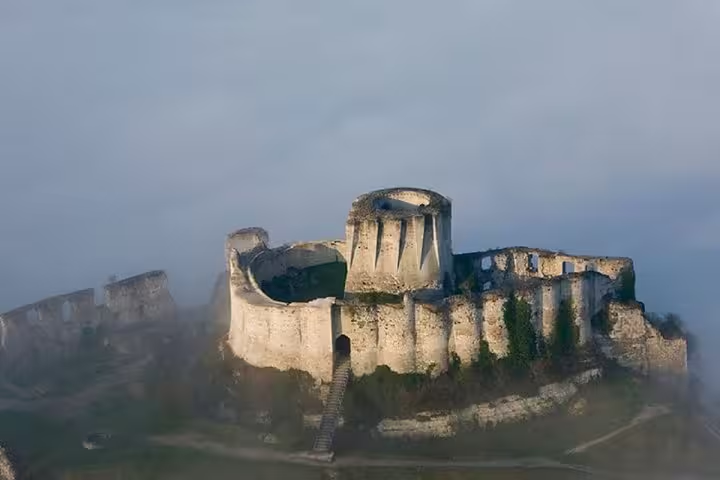
Built around 1060, the ducal castle became one of the largest fortified enclosures in Europe. With its many turrets, the castle today houses two museums.
William also commissioned the Men's Abbey, and his wife Matilda the Women's Abbey; both still stand.
1944 and the Memorial
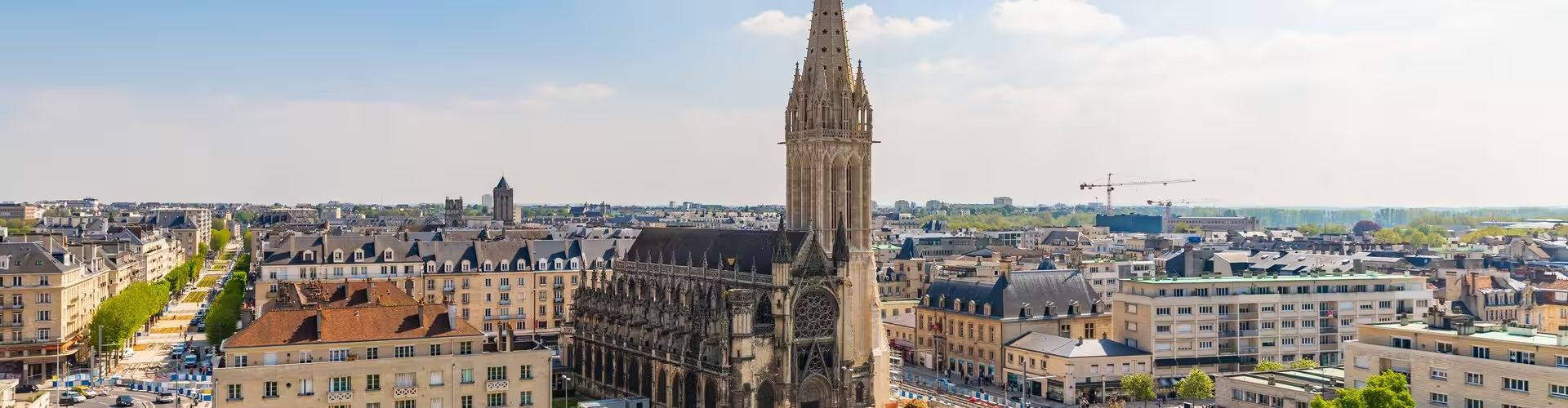
After bitter fighting, Caen was liberated on 9 July 1944, and much of the town was rebuilt in Caen stone.
The Caen Memorial Museum ranks among the largest museums in Europe dedicated to the history of the 20th century. A full visit takes about 4 hours.
Gardens and the marina
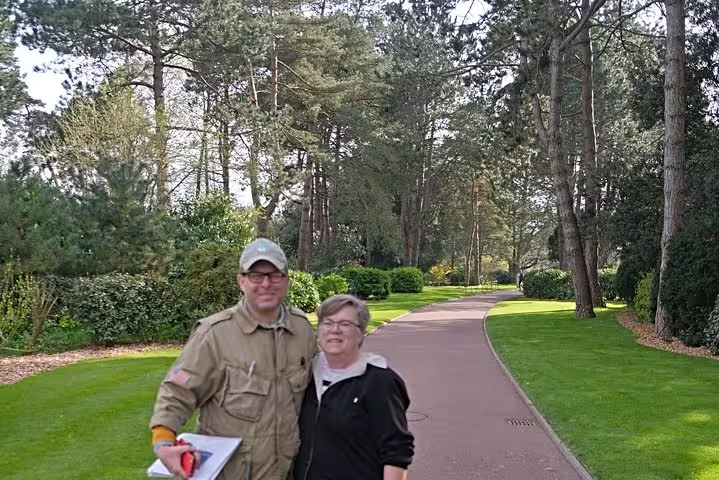
Among Caen's green spaces are the Jardin des Plantes, with 2,000 rare botanical species, and the Parc de la Colline aux oiseaux, which covers 17 hectares and has a rose garden of 570 varieties.
Right in the city centre, Caen has a marina, reached from Ouistreham along the Orne Canal in a crossing of 1.5 hours.
Frequently asked questions
What happened at Pegasus Bridge near Caen?
On 6 June 1944, British airborne forces secured the bridges downstream of Caen, and Bénouville Bridge over the Caen Canal was renamed Pegasus Bridge.
Getting there
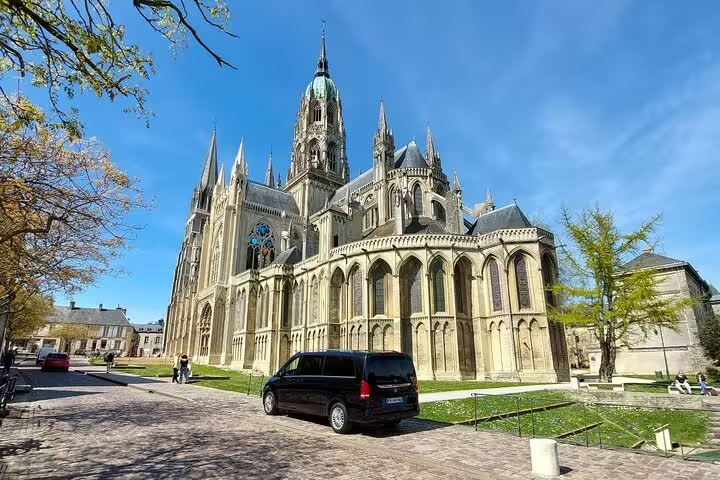
From Paris Saint-Lazare, the train to Caen takes around 2 hours 15 minutes, and the city centre is a 15-minute walk from the station. The cross-Channel port of Ouistreham, with regular sailings to Portsmouth, is 15 minutes away, and the city has its own airport in neighbouring Carpiquet.
Within driving distance are Bayeux, the D-Day Landing Beaches and the Pays d'Auge, home of cider and cheese; the Private Full-Day Tour of Mont-Saint-Michel from Caen and the Private Normandy Food Tour from Caen: Cheese & Calvados start from the city.