




Walking Tours in Prague
Prague, Czechia
9 experiences

Last updated:


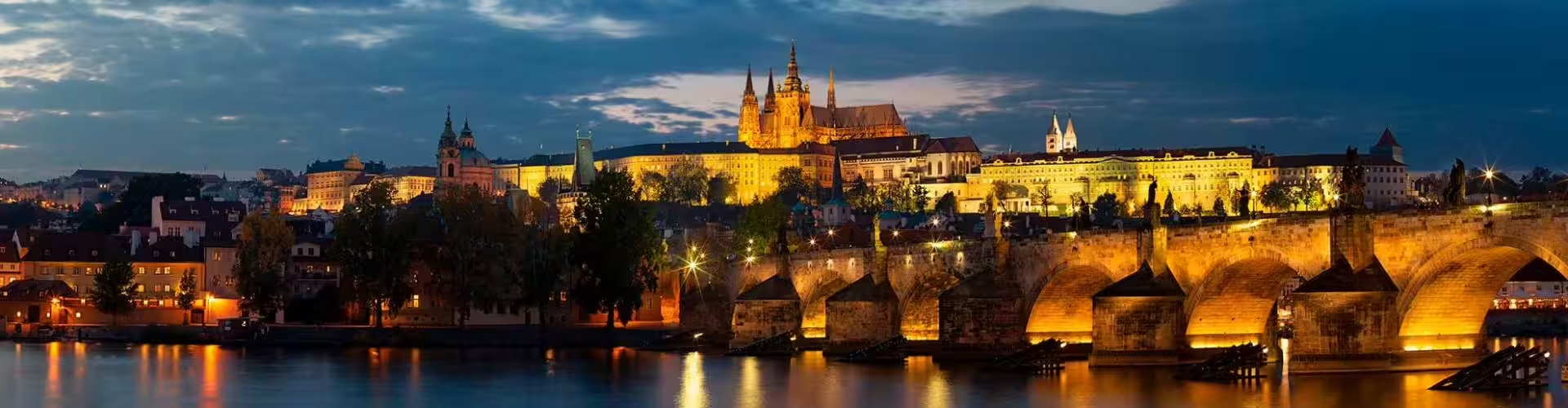
Plan Prague around its historic squares, Prague Castle and Jewish heritage, with time to look beyond the clock and the bridge. Old Town Square grew from a marketplace at the crossroads of trade routes in the 10th century, while Prague Castle, founded in the late 9th century, has been the seat of Bohemian rulers ever since.
Three days would let you give Old Town, Prague Castle and Jewish heritage a day each. For the first day, pair Old Town Square and its Astronomical Clock with Charles Bridge; devote the next to St Vitus Cathedral and the Old Royal Palace. The final day can focus on the Old-New Synagogue, the Old Jewish Cemetery and the Jewish Museum.
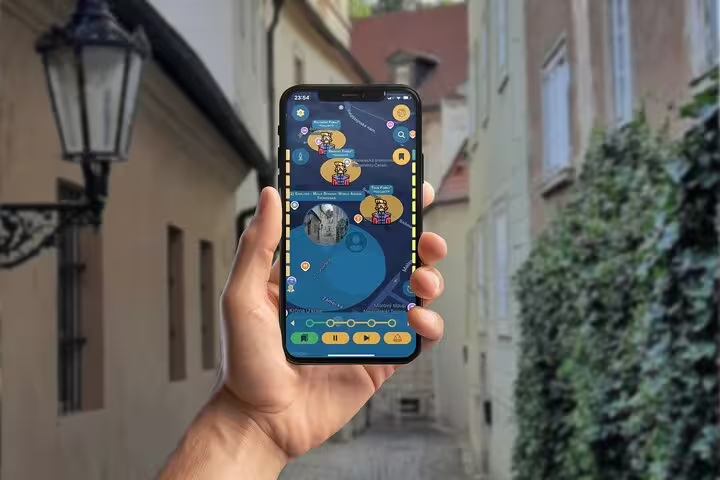
A shorter history activity is the Thirty Years War self-guided walking tour and GPS city game, lasting 1 hour and 30 minutes with a mobile app, historical stories and interactive puzzles.
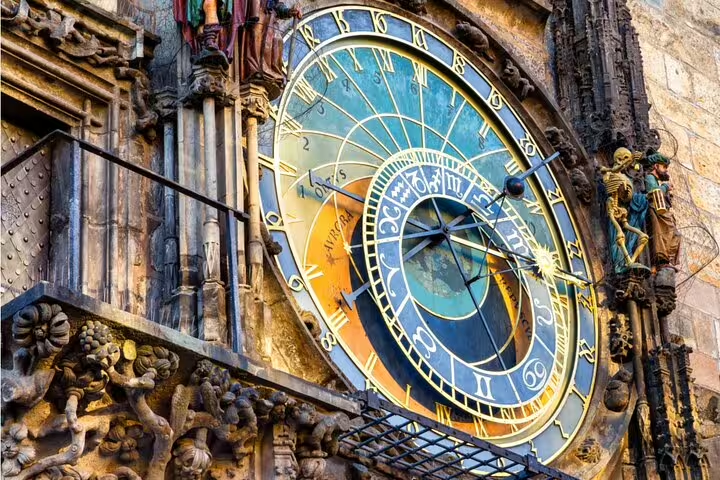
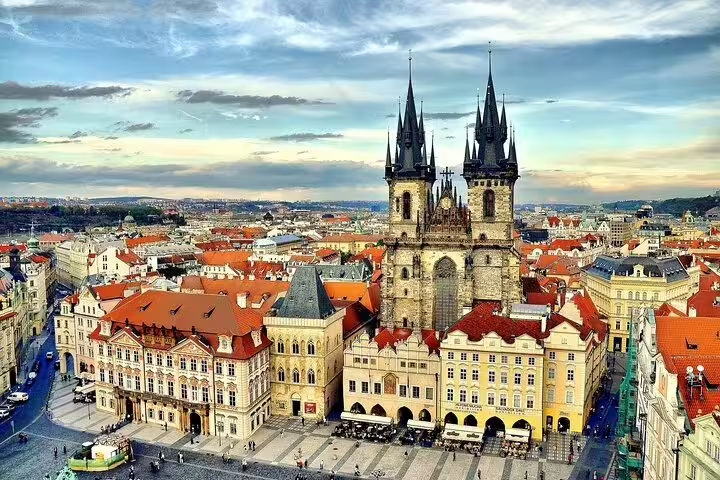
The clock and the architecture deserve time beyond a photograph. The town hall became the base of Old Town government in 1338. Its Astronomical Clock dates to 1410, when the clockmaker Mikuláš of Kadaň built it with the astronomer Jan Šindel; a reconstruction around 1490 is traditionally credited to the clockmaster Jan Růže, known as Hanuš.
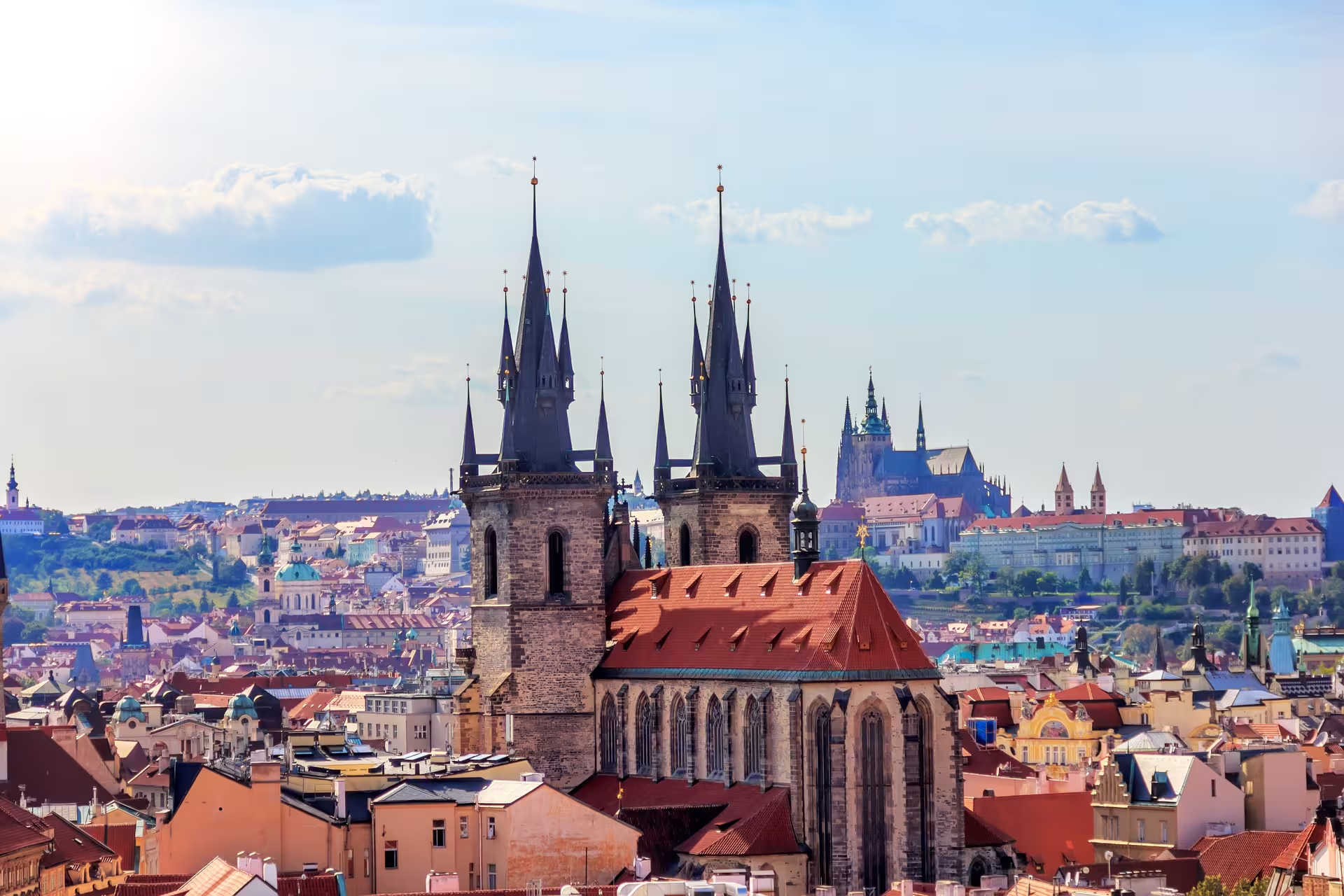
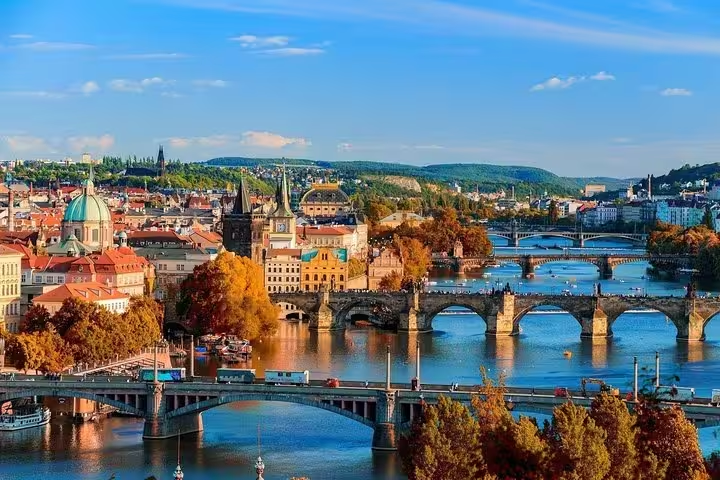
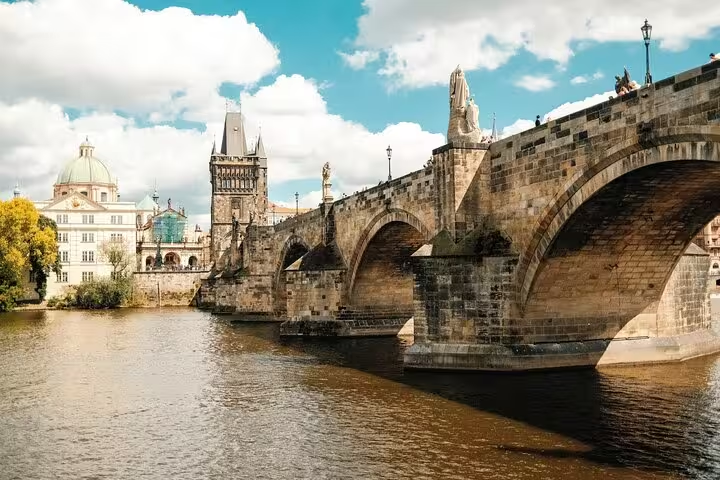
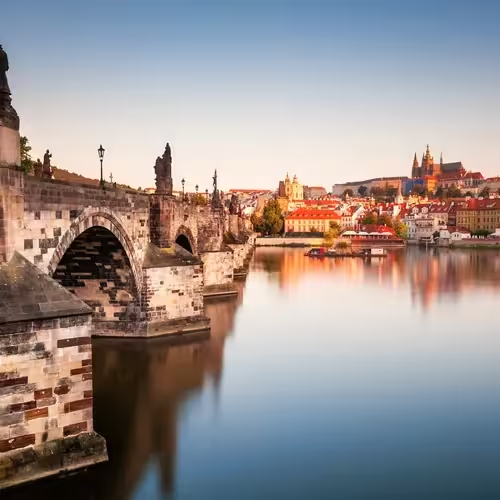
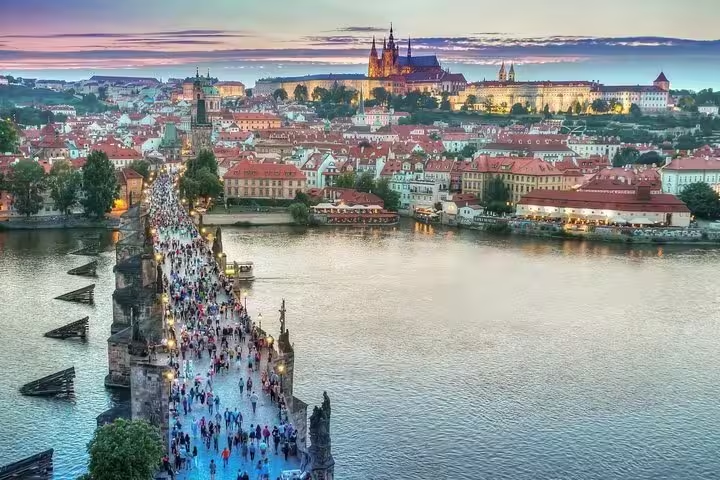
The Gothic Church of Our Lady before Týn took shape between the middle of the 14th century and the early 16th century, and its towers reach 80 metres. At Charles Bridge, look at the sandstone construction: the bridge extends about 516 metres, and its foundation stone was laid in 1357 under Charles IV.
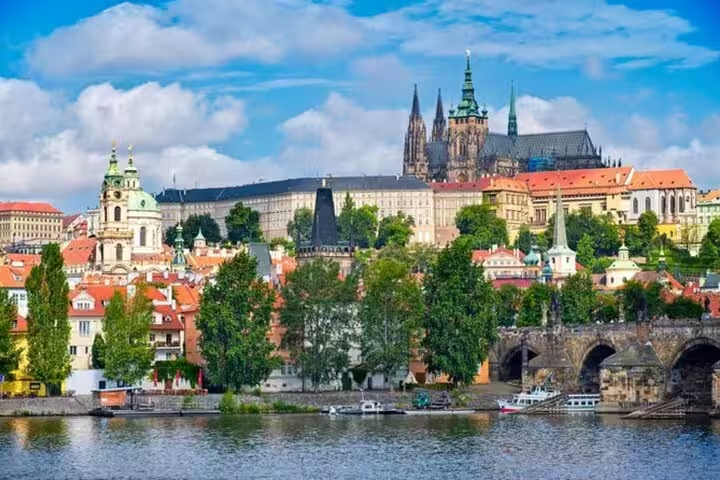
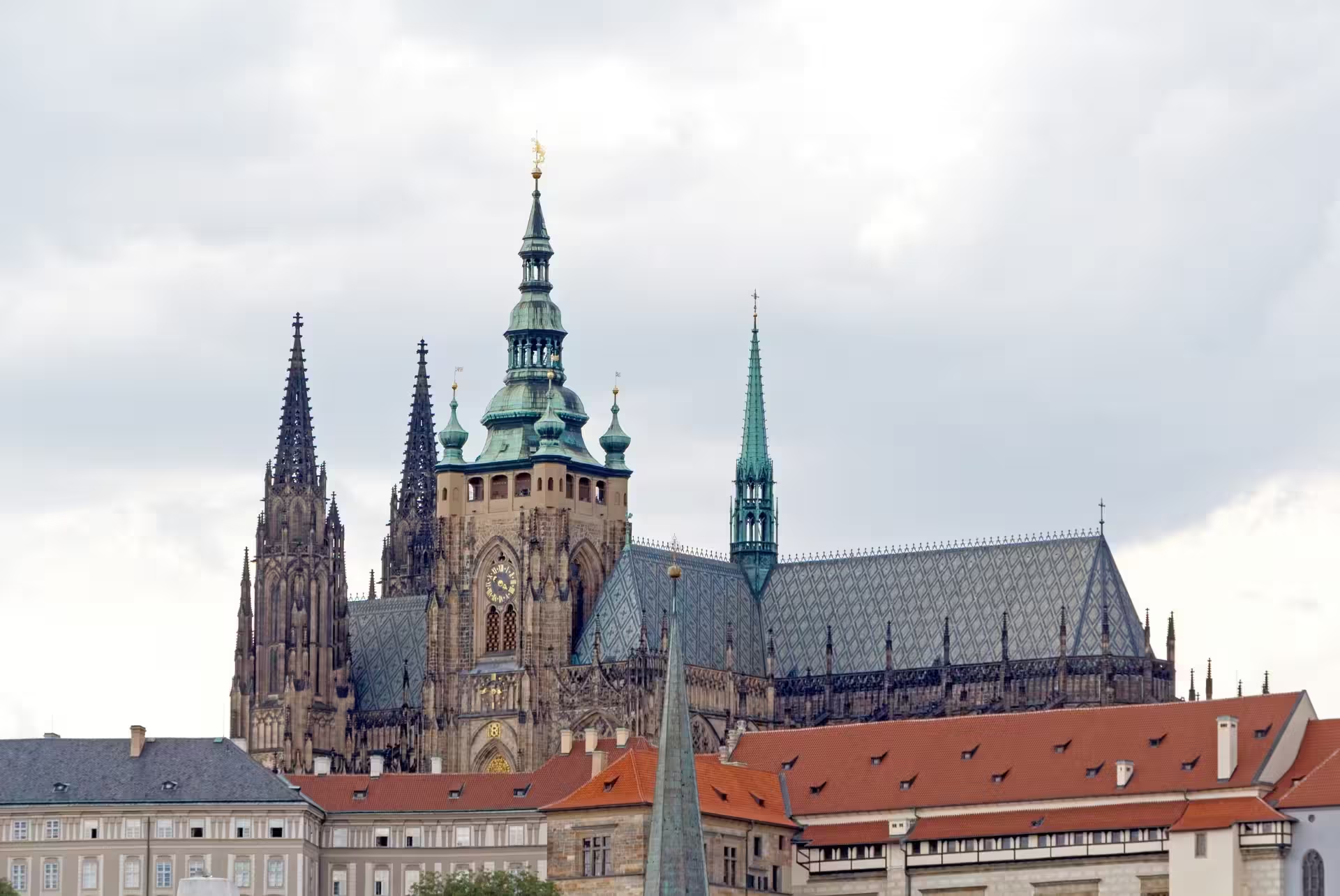
St Vitus Cathedral and the Old Royal Palace reward a focus on architecture. Work on the cathedral began in 1344 over the site of a Romanesque rotunda and ended in 1929. Its 20th-century stained-glass windows were created from the 1920s to the 1940s, with designs by artists including Alfons Mucha, František Kysela and Max Švabinský. In the Old Royal Palace, Vladislav Hall was built between 1493 and 1502 to Benedikt Ried's design.
The four-hour private Prague city highlights tour includes a private vehicle, a professional local guide and a photo session at Prague Castle.
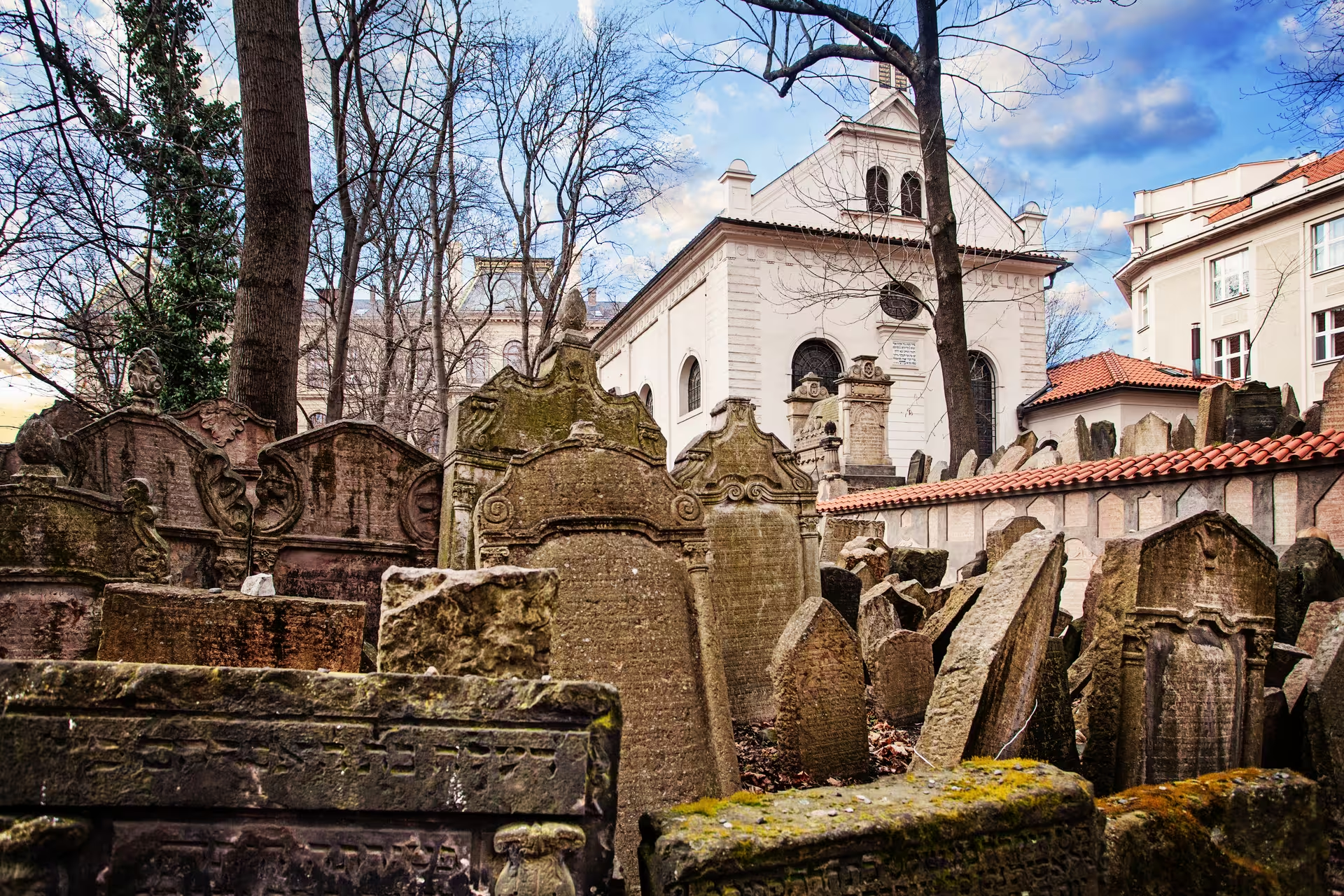
The Old-New Synagogue and the Old Jewish Cemetery make a useful pairing for Jewish history. The synagogue was built in the later 13th century and has served as the community's principal synagogue for over 700 years. The cemetery was used from the 15th to the 18th century, closing in 1787. For museum collections, the Jewish Museum, founded in 1906, holds over 40,000 objects and more than 100,000 books.
Svíčková suits anyone looking for a beef dish with a creamy vegetable sauce. It has appeared in Bohemian cookbooks since the early 19th century.
Old Town is a natural focus if the square and the clock lead your plans; New Town suits an interest in Wenceslas Square. Charles IV founded New Town in 1348, the year Wenceslas Square was created. The square runs for 750 metres, so it offers a different scale to build into your sightseeing.
A self-guided audio walk is an option if you prefer to explore at your own pace. The Prague self-guided walking tour with 28 landmarks lasts 3 hours and 15 minutes and includes 28 audio commentaries, historical and cultural narration and an 8.2 km route map.
The Church of Our Lady before Týn houses the tombstone of Tycho de Brahe, the Danish astronomer.
The 27 crosses in the paving beside the Old Town Hall honour the people executed there on 21 June 1621.
Both are buried in Vyšehrad Cemetery, which holds the graves of more than 600 figures from Czech cultural life in total.