Kornati
Kornati is a rugged Adriatic archipelago ideal for boat days, swimming coves, viewpoints, and slow Dalmatian meals. Use this guide to plan when to go, what to do, how to get around, and how to pair it with nearby coastal hubs.

Kornati is a rugged Adriatic archipelago ideal for boat days, swimming coves, viewpoints, and slow Dalmatian meals. Use this guide to plan when to go, what to do, how to get around, and how to pair it with nearby coastal hubs.

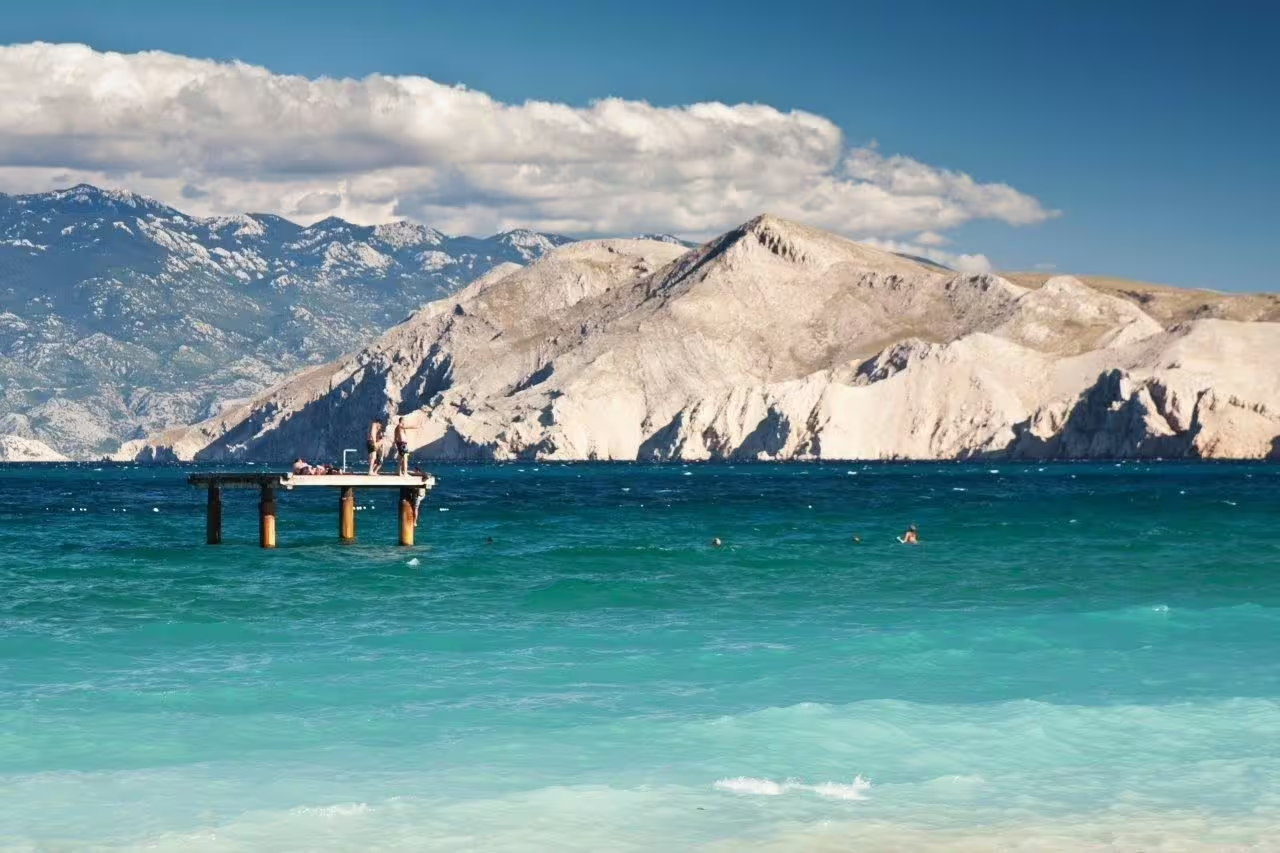
Kornati is a wild, sea shaped destination where stark limestone islands meet glassy Adriatic coves, and days revolve around swimming stops, boat decks, and simple coastal meals. This guide focuses on practical decision support, how to plan, what to do, and how to connect Kornati with the wider Šibenik area. Expect a nature forward itinerary with a sailing mindset, plus clear tips for timing, transport, and day trips.
Kornati feels elemental and uncluttered, a place defined by open horizons, rocky silhouettes, and calm anchorages rather than city streets. The signature vibe is slow travel by water, with swims, viewpoints, and relaxed lunches that stretch into golden hour. Go when you want clear sea time and a quieter Adriatic rhythm, then pair it with nearby coastal towns for variety.
Kornati sits off the central Dalmatian coast, associated with Šibenik Knin County and the maritime corridor between Šibenik and Zadar. Most travelers treat it as an island day trip or a multi day sailing segment rather than a single base. Common gateways are the coastal hubs of Šibenik and Zadar, with the broader region connected by Croatia’s Adriatic road network and ferry routes from nearby ports.
Plan around your priorities: sea temperature, wind, and how busy the anchorages feel. Summer typically brings the most reliable swim weather and the highest demand for boats and excursions. Shoulder season can feel calmer on the water, with fewer crowds and a more spacious pace for viewpoints and coves, though conditions can be more changeable. If your goal is photography and quiet bays, aim for earlier starts and later returns regardless of season.
Croatia uses the euro, and costs can rise in peak season, especially for boat based experiences and waterfront dining. Cards are widely used in coastal areas, but it is smart to carry some cash for small purchases and simple harbor needs. Build your budget around the biggest variable, which is transport on the water, then keep meals flexible by mixing casual konoba style stops with a few planned sit down moments.
Boat Day to Kornati National Park
Why it matters: Seeing the archipelago from the water is the core experience, with a changing panorama of rocky islands, sheltered coves, and open sea. It is the fastest way to understand why Kornati is famous for its rugged beauty and sailing culture. Practical tip: Start early to maximize swim time and avoid the busiest mid day stretches on popular routes.
Swim Stops in Quiet Coves
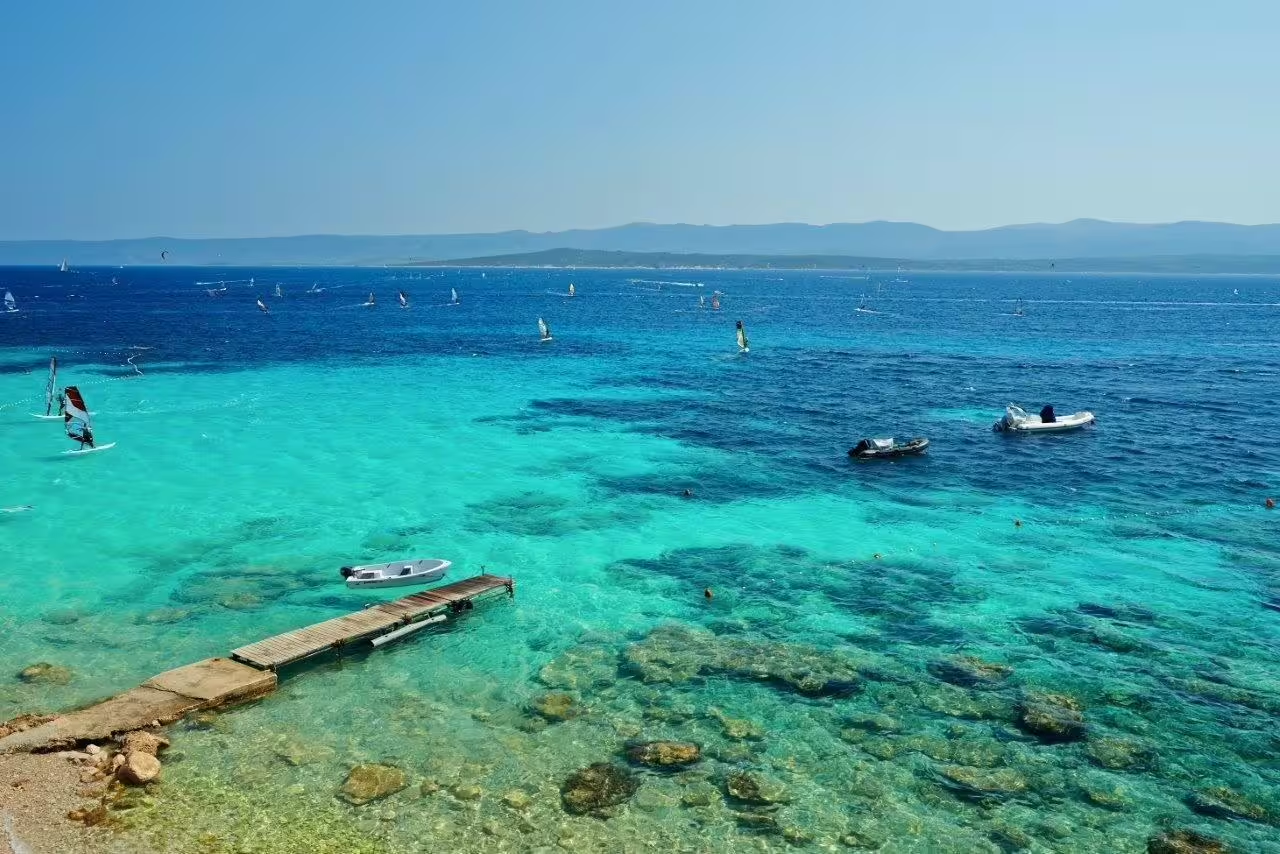
Why it matters: The Adriatic here is about clarity and calm, and a good swim stop becomes the emotional highlight of the day. Even a short dip can reset your pace and make the landscape feel immersive rather than distant. Practical tip: Pack reef safe sunscreen, water shoes for rocky entries, and a dry bag for valuables.
Snorkeling for Underwater Texture
Why it matters: The underwater scenery is part of the story, with rocky seabeds and shifting light that makes shallow bays especially photogenic. Snorkeling adds a second layer to a boat day, and it turns a simple anchorage into an activity. Practical tip: Bring your own mask if you have one for fit and comfort, and snorkel in the morning when the light is softer.
Viewpoints for Wide Angle Photos
Why it matters: The islands are visually dramatic from above, and even modest climbs can deliver a sweeping sense of scale. Viewpoints help you appreciate the archipelago as a pattern of stone and sea rather than a single stop. Practical tip: Wear sturdy sandals or trainers, and time your climb for late afternoon light for warmer tones.
Leisurely Lunch, Dalmatian Style
Why it matters: A long lunch is part of the coastal rhythm, and it is often where the day slows down and becomes memorable. Simple seafood, olive oil, and local wine fit the setting and keep the focus on place. Practical tip: If you have dietary needs, mention them early, and keep your schedule flexible so lunch does not feel rushed.
Sunset on the Water
Why it matters: Sunset turns the limestone landscape into a softer palette, and the sea often calms into a reflective surface. It is also when the day feels most cinematic, especially if you are returning toward the coast. Practical tip: Bring a light layer for the ride back, and keep your camera accessible rather than packed away.
Sailing Segment for Slow Travel
Why it matters: Sailing matches the character of Kornati, which is best experienced as a sequence of anchorages rather than a checklist. It also lets you linger where the water is clearest and the mood is quietest. Practical tip: If you are not chartering privately, look for small group options that prioritize time in coves over speed.
Pair with Šibenik Old Town
Why it matters: After a nature heavy day, a stone built coastal town adds cultural contrast, evening energy, and easier logistics. Šibenik’s waterfront vibe and walkable center make it a natural complement to Kornati. Practical tip: Plan your Kornati day first, then keep the city evening open for a relaxed dinner and stroll.
Start with an early departure from a coastal hub, then spend the morning moving through island channels with one longer swim stop in a sheltered bay. Add a simple lunch break that does not cut into peak daylight, then choose one viewpoint stop for photos and a sense of scale. Return toward the mainland in late afternoon, and keep your evening plan low effort, such as a waterfront walk and a casual meal.
Use day one for a classic boat route focused on coves and swimming, then keep day two slower with extra time for snorkeling and short walks to viewpoints. On day three, add a coastal town component, such as a relaxed morning in Šibenik, then a late start on the water for golden hour and sunset. This pacing keeps Kornati from feeling like a single excursion and turns it into a broader Dalmatian experience.
Grilled Fish
Taste profile: Clean, lightly smoky, and best with olive oil and lemon. Ordering tip: Ask what is freshest that day, and keep sides simple to match the fish.
Octopus Salad
Taste profile: Tender seafood with bright acidity, often paired with herbs and olive oil. Ordering tip: Choose it as a starter before a swim heavy afternoon, it is satisfying without feeling heavy.
Black Risotto
Taste profile: Deep, briny, and rich, with a distinctive sea flavor. Ordering tip: Pair it with a crisp local white wine if you want balance.
Pašticada
Taste profile: Slow cooked, savory, and slightly sweet, a comforting contrast to seafood focused menus. Ordering tip: Order it on a non boat day, it suits a longer sit down meal.
Pag Cheese
Taste profile: Salty, firm, and intensely savory, shaped by coastal air and local grazing. Ordering tip: Try it with olives as a simple snack while waiting for a boat departure.
Olive Oil and Bread
Taste profile: Peppery, smooth, and central to Dalmatian tables. Ordering tip: Use it as a baseline test of quality, good oil usually signals a kitchen that cares.
Kornati is primarily reached by boat, either on organized excursions or as part of a sailing plan. On land, coastal hubs like Šibenik are walkable in central areas, and you can combine walking with taxis or local buses depending on where you stay. For safety, treat boat days like outdoor adventures, bring sun protection, hydrate consistently, and wear secure footwear for rocky entries and short climbs. If you have mobility considerations, choose routes that emphasize scenic cruising and swim ladders rather than scrambling on uneven terrain.
Šibenik
Travel time: Short coastal transfer from nearby bases. Why go: A historic stone town atmosphere that balances sea days with an easy evening plan.
Zadar
Travel time: A straightforward coastal connection. Why go: A lively Adriatic city feel that adds urban energy, sunsets, and promenades to your itinerary.
Dalmatian Coast Drives
Travel time: Flexible, depends on your base. Why go: Viewpoints, small seaside stops, and the freedom to shape your schedule around weather and mood.
Is Kornati better as a day trip or a multi day plan?
A day trip works well if you want a single highlight on your Dalmatian itinerary. A multi day plan suits travelers who want more swim stops, slower pacing, and time to catch sunset on the water.
What should I pack for a boat day?
Bring sun protection, a refillable water bottle, swimwear, and a towel. Water shoes and a dry bag make the day easier, especially for rocky entries and keeping phones safe.
Where do most trips to Kornati start?
Many routes connect from nearby coastal hubs, commonly linked with Šibenik and Zadar. Choose the departure point that best matches your accommodation and your preferred time on the water.
When is the least crowded time to visit?
Crowds generally build in peak summer and around mid day on popular routes. For a calmer feel, aim for earlier departures and consider shoulder season conditions if your schedule allows.
Can I combine Kornati with a city evening plan?
Yes, pairing Kornati with an evening in a coastal town is a strong itinerary balance. Keep dinner plans flexible so you can adjust based on return time and how tired you feel after sun and swimming.