Last updated:


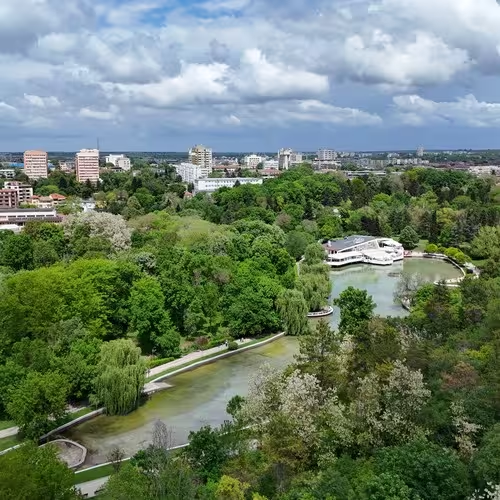
Sofia rewards a visit built around churches, architecture and a day outside the city. In the Sofia Valley, at roughly 550 metres above sea level, Bulgaria's capital has sights ranging from the St George Rotunda to the National Palace of Culture.
A self-guided outdoor game suits a visit focused on Communist Sofia. The Communist Sofia walking tour: self-guided outdoor game lasts 2 hours. It includes a phone-based puzzle quest, a story by professional writers, directions between 11 stops and puzzles at each location. The included self-paced format lets you work through the game without time pressure.
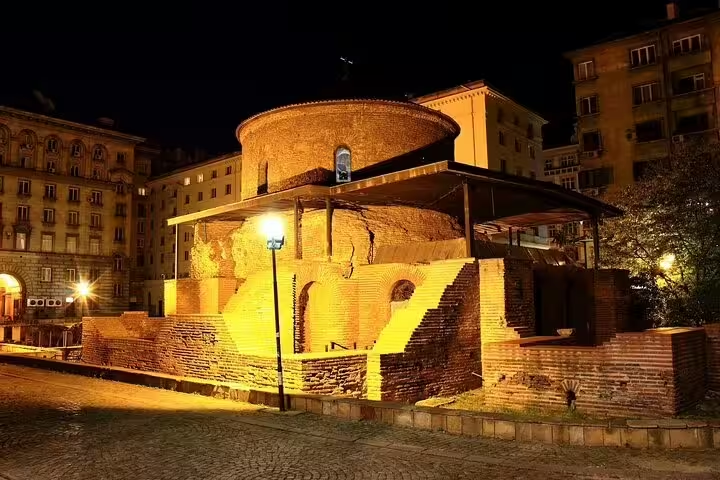
Two days suit a visit focused on Sofia itself; allow a third for Rila Monastery. Spend the first day on St Sophia basilica, the St George Rotunda and the Ivan Vazov National Theatre, then devote the second to Boyana Church and the Central Mineral Baths. This separates the city's early churches and theatre architecture from Boyana's painted interior and the history of its mineral baths.
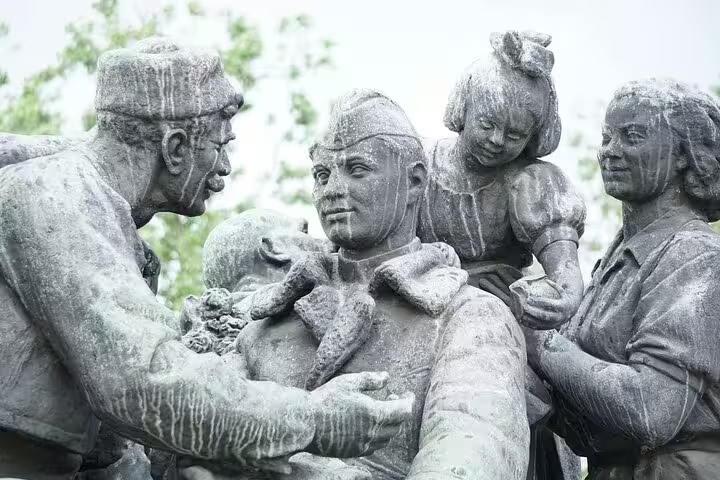
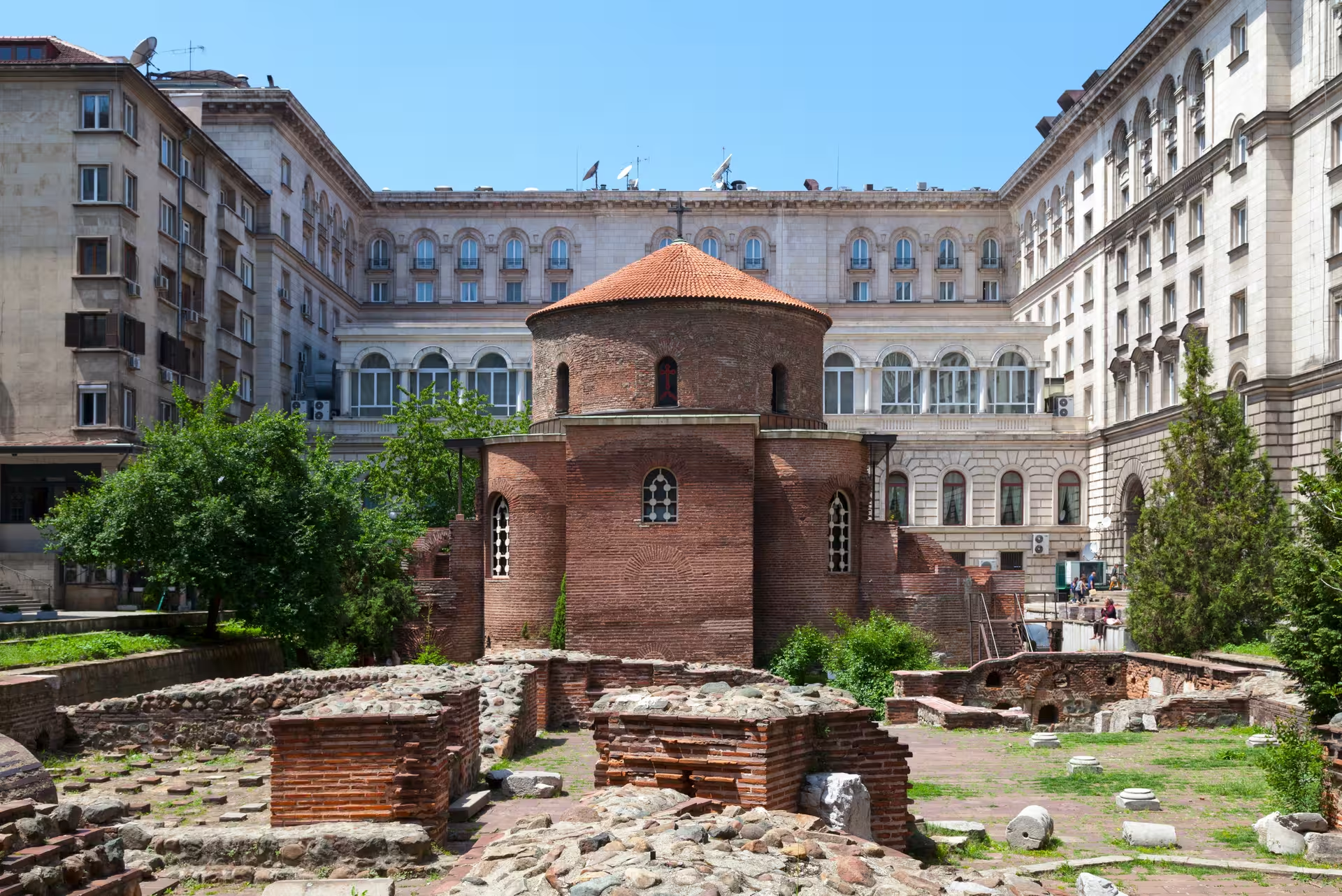
St Sophia basilica and the St George Rotunda make a useful pairing for exploring early church history. The rotunda dates from the early 4th century and became a mosque during Ottoman rule. The present St Sophia basilica dates largely from the 6th century and stands above the remains of earlier churches and a Roman cemetery.
For another period of religious architecture, add Banya Bashi Mosque to your plans. Completed in 1566, it is attributed to the Ottoman architect Mimar Sinan.
The Ivan Vazov National Theatre and National Palace of Culture offer a contrast between different periods of Sofia's architecture. Ferdinand Fellner and Hermann Helmer designed the theatre, completed in 1906 and inaugurated on 3 January 1907. After a fire in 1923, it reopened in 1929 following reconstruction by Martin Dülfer. The National Palace of Culture, in central Sofia, was established in 1981.
Boyana Church is worth a place in your plans if painted interiors interest you. Its frescoes portray Sebastocrator Kaloyan and his wife Desislava, with those images dated to 1258/59. The founder's inscription gives 1259 as the year the painting was completed. The church gained UNESCO World Heritage status in 1979.
The Central Mineral Baths add a chapter of public bathing history to an architecture-focused visit. Petko Momchilov and Friedrich Grünanger designed the building, and their plan was approved in January 1906. Public access began in 1911, ahead of the official inauguration on 13 May 1913; the baths remained in use until 1986.
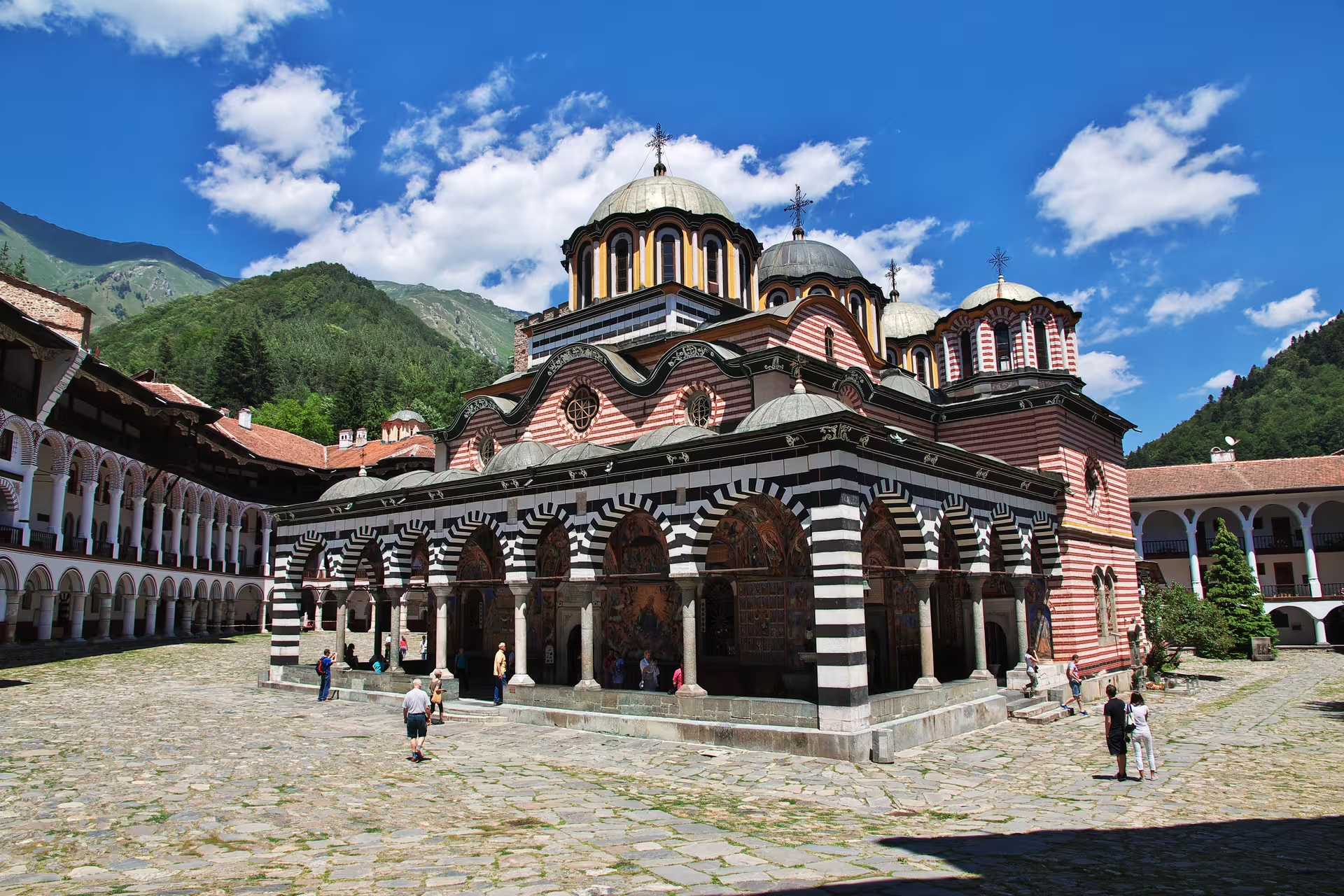
Rila Monastery is a heritage-focused choice for the third day of your trip. It received recognition as a historical monument of national significance in 1976, followed by UNESCO World Heritage listing in 1983.
Vitosha offers a mountain alternative to a trip focused on buildings. Near Sofia, Cherni Vrah reaches about 2,290 metres, while Vitosha Nature Park covers about 27,000 hectares.
The metro is an option for reaching the Largo, where Serdica station is located. Sofia's underground railway began running in January 1998 with an initial five stations.
Duhlata cave extends for 18 kilometres on Vitosha mountain near Sofia.
Banya Bashi remains an active Muslim place of worship in Sofia.
The National Palace of Culture has 15 multifunctional halls and 55 meeting rooms, with a combined capacity of more than 8,000 seats.