Last updated:


Brussels suits a trip built around architecture, museums and food, with the Grand-Place, the Atomium and Horta House offering different ways into the city. French and Dutch are the official languages of the Brussels-Capital Region, which includes the City of Brussels among its 19 municipalities.
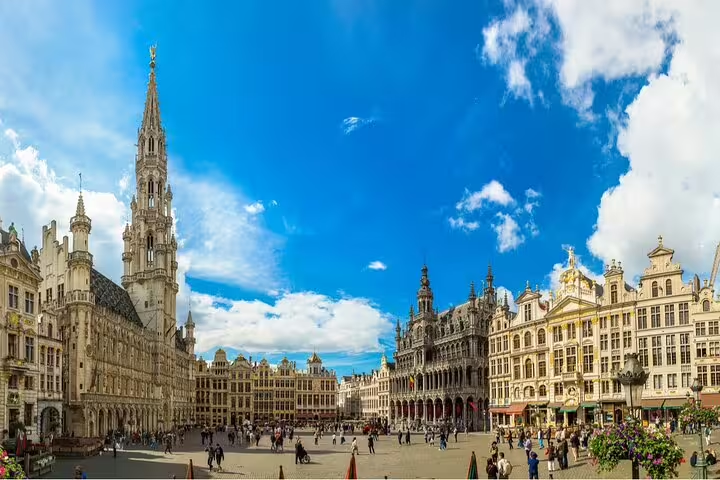
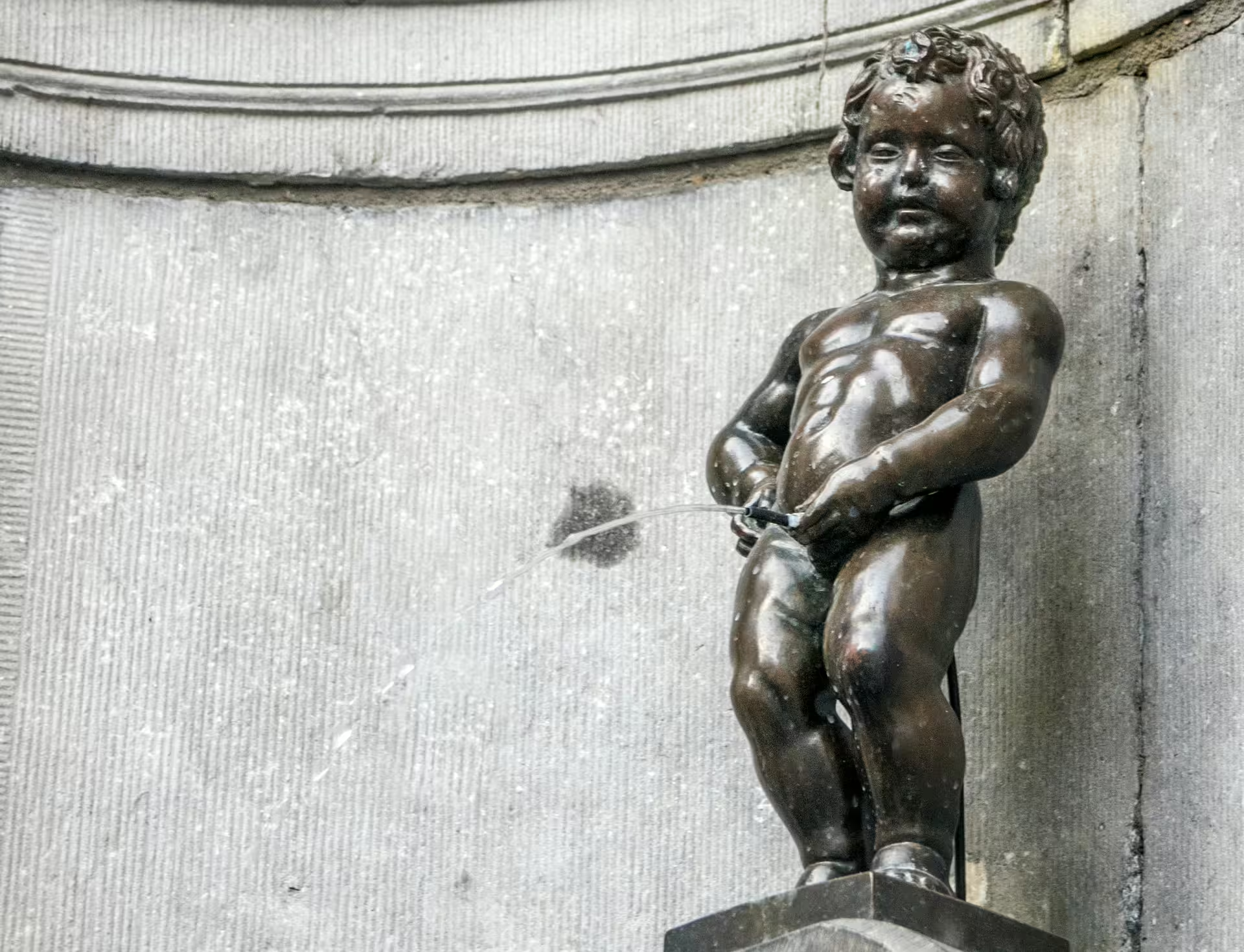
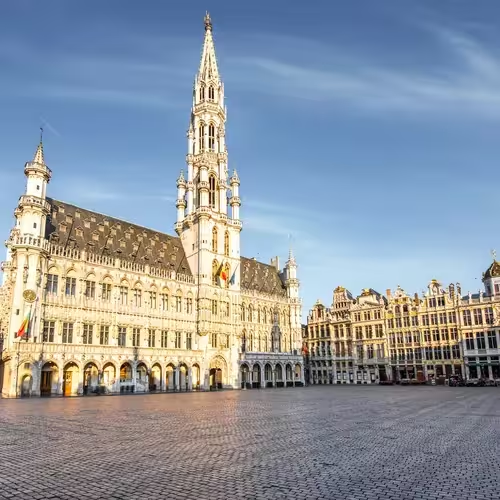
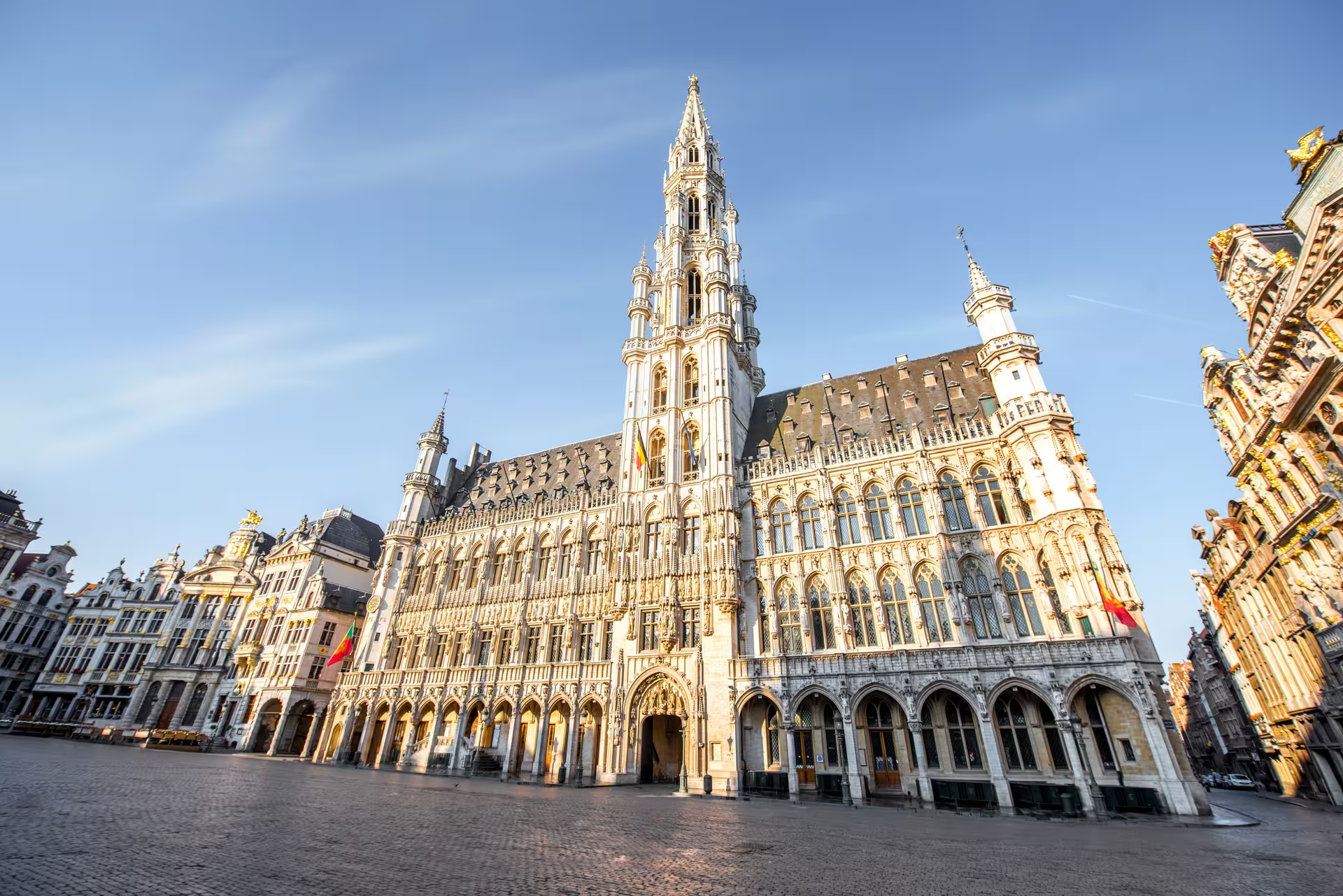
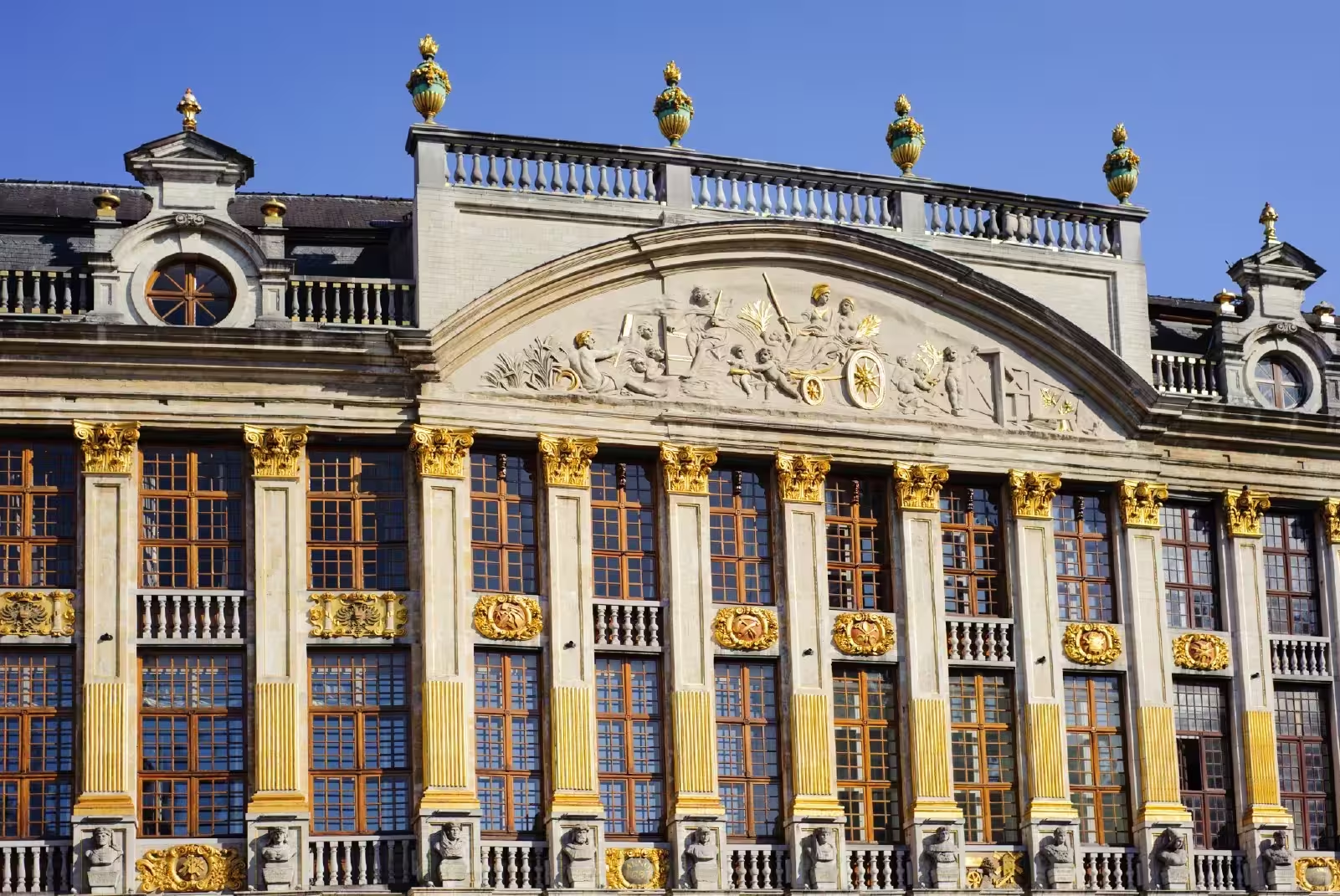
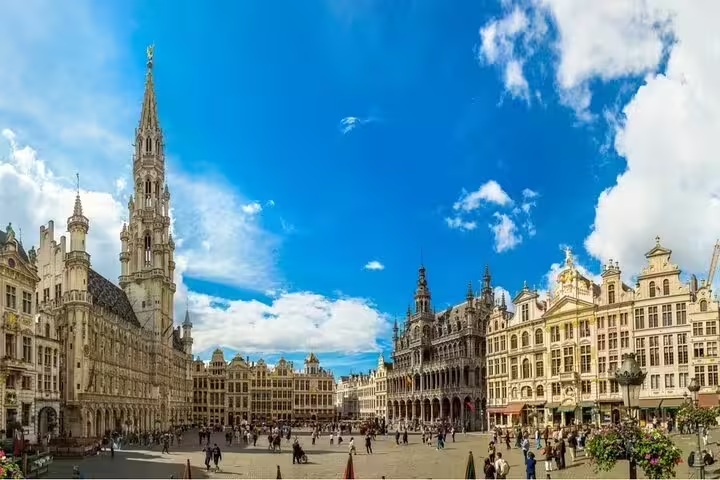
The Grand-Place is a useful first stop for architecture and city history, with the Town Hall and Brussels City Museum together on the square. UNESCO recognises its mix of architectural and artistic styles; look for the Brabantine Gothic character of the Town Hall tower. Inside the Maison du Roi, the Brussels City Museum holds the original Manneken Pis statue, while the GardeRobe museum displays his costumes.
A self-guided Brussels walk with an audio guide app lasts 2 hours and 40 minutes and includes app access, 25 commentaries in English, French and Spanish, an offline interactive 3D map with live geolocation, access on up to 5 devices and no expiry date. A self-guided Brussels walking treasure hunt lasts 1 hour and 45 minutes, with at least 10 story-based puzzles and challenges, a phone-delivered narrative, clues, landmark directions and local history at each stop.
For food breaks, light, crisp rectangular Brussels waffles and shrimp croquettes give you local specialities to try. Beer interests can lead you towards Cantillon for lambic-style beers, while chocolate interests connect with the praline, created in 1912 at a Galerie de la Reine house that began as a pharmacy.
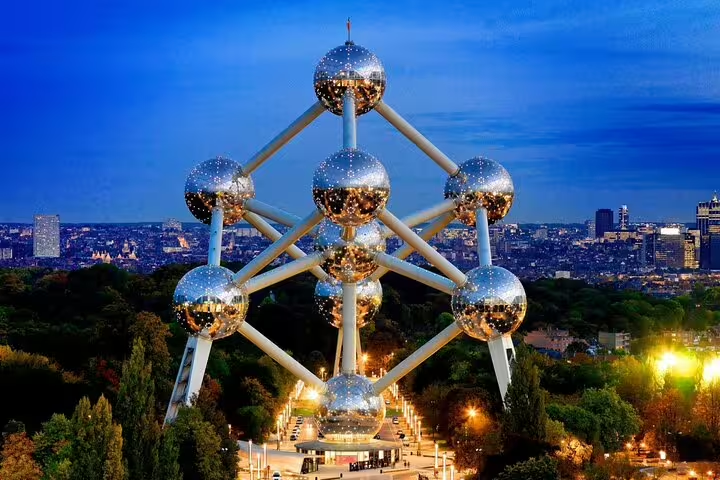
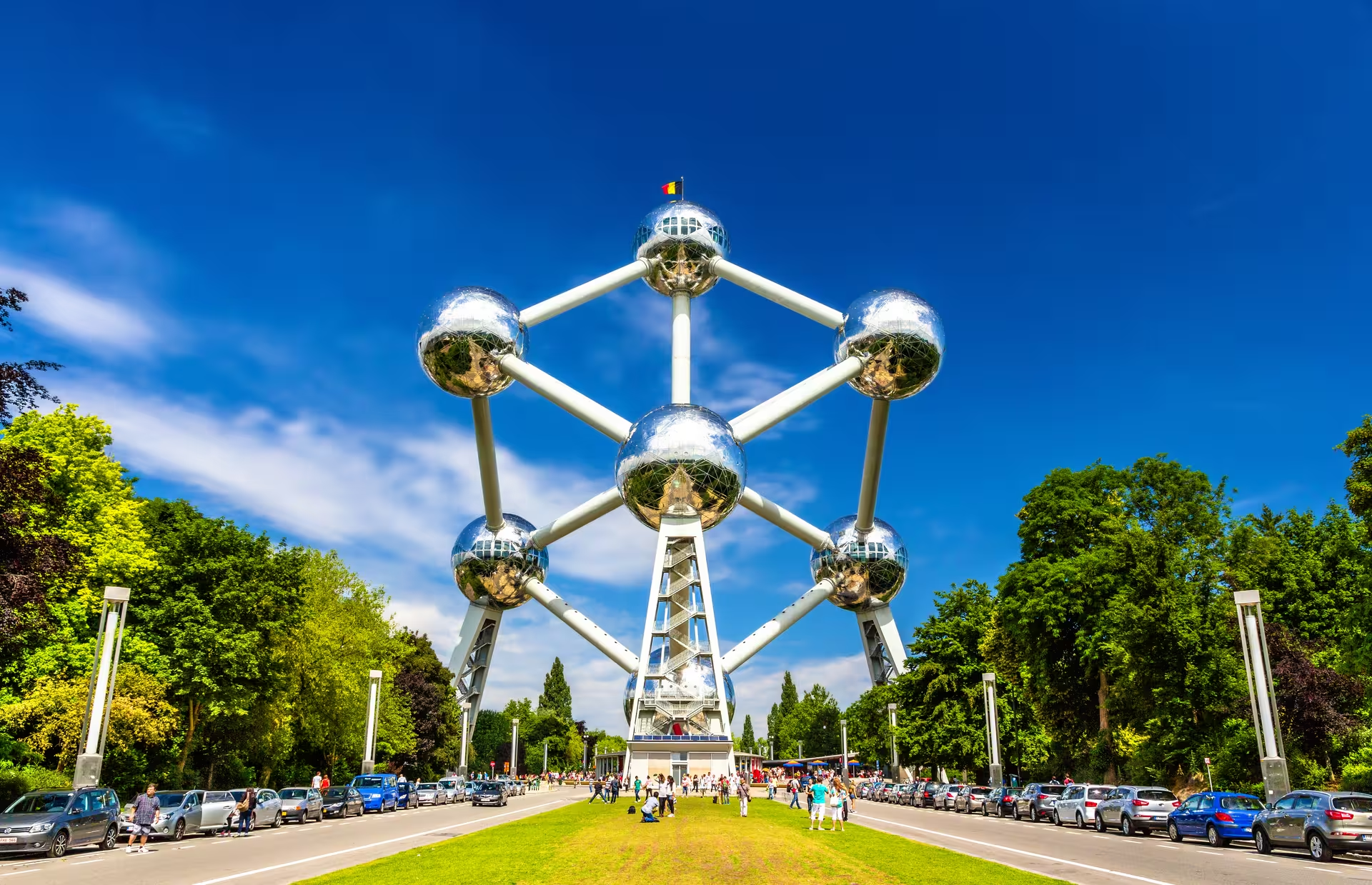
Three days is a practical plan for the Grand-Place, the Atomium and an architecture or museum day. Spend the first day on the Grand-Place and the Brussels City Museum, with the GardeRobe museum if the Manneken Pis costumes interest you. Give the second day to the Atomium, built for the 1958 World Fair: its nine spheres model an iron crystal enlarged 165 billion times.
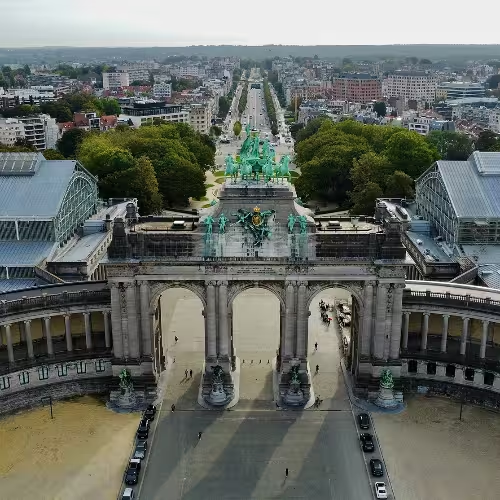
For the third day, Horta House suits an interest in Art Nouveau, while the Cinquantenaire suits a garden and museum programme. Horta built the house as his home and office; it now presents Art Nouveau design as a museum. At the Cinquantenaire, a formal garden accompanies Autoworld, the Art & History Museum and the Royal Museum of the Armed Forces and Military History.
A walking trip needs room for rain, whichever dates you pick. May to September are the mildest months for walking, with average highs of about 18 °C in May, 21 °C in June, 23 °C in July and August and 20 °C in September, although rain still falls on around 14 days a month in summer. Brussels has an oceanic climate, and the reference station records precipitation on about 190 days a year, spread across every month. Keep the Brussels City Museum or Horta House as an indoor alternative to time outside on the Grand-Place.
Public transport is a practical option for getting around, with STIB / MIVB operating the Brussels network. For the European district, the Airport Line provides a direct connection from Brussels Airport. On Friday and Saturday nights, the Noctis night buses all depart from Brussels-Central. Driving plans need to account for the low emission zone covering the whole region.
Paris is a full-day option on a private tour from Brussels featuring the Eiffel Tower, lasting 12 hours with a private vehicle, a professional driver and an itinerary adapted to your pace.
The Grand-Place is a useful focus for an architecture and city history stay, because the Town Hall and Brussels City Museum share the square.
The airport lies 12 km northeast of Brussels, in the municipality of Zaventem.
Services on the STIB / MIVB network begin at 06:00 and end at midnight.
The floral display in the Grand-Place lasts three to four days.