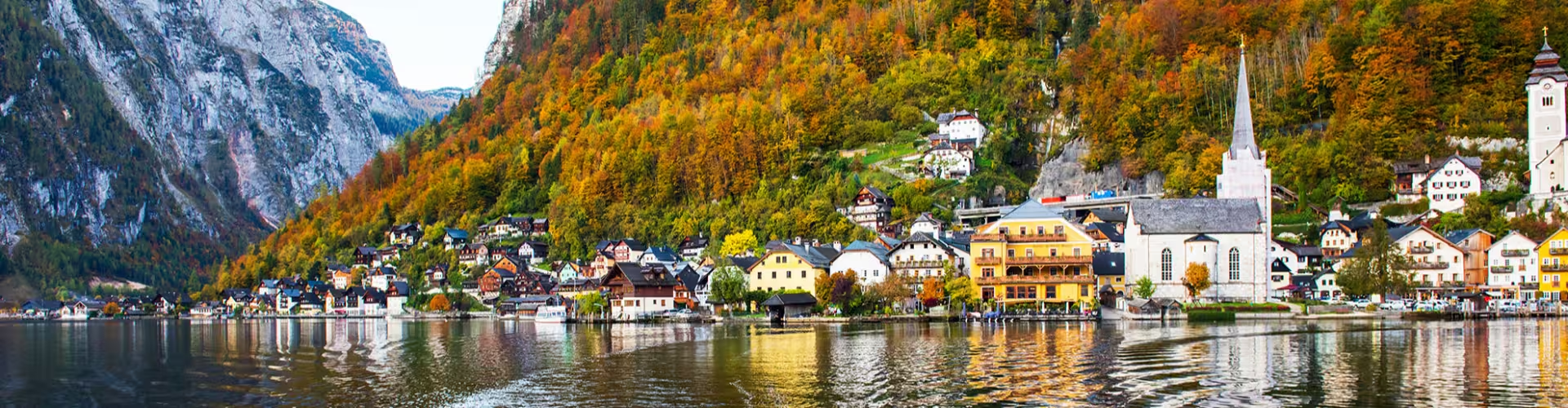


Gmunden District is one of Upper Austria’s most scenic corners, shaped by shimmering lakes, forested foothills, and a strong tradition of spa and summer culture. Think waterfront promenades, mountain panoramas, and villages where cafés and bakeries still set the pace of the day. It is an easy choice for travelers who want a nature rich break with culture, viewpoints, and relaxed dining, without the pressure of a big city schedule.
Gmunden District blends lake life and alpine energy, with a calm, polished vibe that suits both slow travel and active days outdoors. Go now if you want flexible planning, you can build a trip around weather, viewpoints, and seasonal lake and mountain experiences. It is also a strong base for exploring Upper Austria, thanks to its mix of towns, nature areas, and transport links.
Gmunden District sits in Upper Austria, with landscapes that transition from lake shores to alpine foothills. The district is commonly approached via regional hubs in Upper Austria and wider Austria, then continued by train, bus, or car depending on your route and the specific lake or village you are targeting. For trip planning, treat the area as a network of lake towns and trailheads rather than one single center, then group sights by shoreline or valley to cut transit time.
Seasonality here is defined by lake weather, mountain visibility, and daylight. Warmer months favor swimming spots, boat time, and long promenade walks, while cooler months shift the focus to viewpoints, cafés, and indoor culture when conditions are less predictable. Shoulder seasons can feel quieter, which is ideal if you prefer calmer lakeside paths and easier parking, but you should plan with flexibility for changing conditions near the water and in higher elevations.
Austria uses the euro. In towns and around lakefront areas, you can expect a range of spending options, from simple bakeries and casual lunches to more polished dining near promenades and viewpoints. Cards are commonly used, but it is still smart to carry some cash for small purchases, local bakeries, and quick stops, especially if you are moving between smaller villages.
Lakeside Promenade Walks
Why it matters, the lakefront is the district’s signature mood, it is where scenery, architecture, and everyday life meet. A promenade stroll helps you understand the rhythm of the area, especially in the early morning and early evening when the light is softer. Practical tip, pick one shoreline segment and walk it end to end rather than hopping between short sections.
Panoramic Viewpoints and Lookouts
Why it matters, elevation changes quickly in Gmunden District, and viewpoints deliver the “wow” factor that photos rarely capture. They also help you orient yourself, you can see how lakes, valleys, and towns connect. Practical tip, plan your viewpoint time around visibility, if clouds are low, prioritize lakeside culture first and return later.
Boat Time on a Lake
Why it matters, being on the water changes your perspective, and it is one of the most relaxing ways to experience the district’s scale. It also pairs well with short hikes, café stops, and photo breaks along the shore. Practical tip, build a simple loop, water time plus one village stop, then return the same way to keep timing predictable.
Easy Hikes and Forest Walks
Why it matters, the forests and foothills are a natural extension of the lakes, and even short walks can feel immersive. This is a good option if you want a break from busier waterfronts while staying close to towns. Practical tip, pack a light layer, temperatures can shift between shade, water, and higher ground.
Historic Town Stroll and Café Culture
Why it matters, towns in Gmunden District are built for walking, with compact centers that reward slow exploration. A café stop is not just a break, it is a local ritual, and a good way to pace a day of sightseeing. Practical tip, sit down for a hot drink or pastry between activities, it helps you avoid the feeling of rushing from photo spot to photo spot.
Local Markets and Bakeries
Why it matters, markets and bakeries are where you get a direct taste of regional habits, seasonal ingredients, and everyday routines. They are also practical for building a picnic for lakeside benches or trail breaks. Practical tip, shop earlier in the day for the best selection, then carry snacks to avoid overpaying at peak time lakefront stops.
Wellness and Spa Style Downtime
Why it matters, Upper Austria has a long tradition of restorative travel, and this district fits that theme naturally with its calm scenery. Even without a full spa day, you can build wellness into your itinerary through gentle walks, lake views, and unhurried meals. Practical tip, schedule downtime intentionally, it makes the active parts of your trip more enjoyable.
Photography Loop at Golden Hour
Why it matters, water reflections and mountain silhouettes are at their best when the light softens. A short photo loop can become a highlight, even if you are not a serious photographer. Practical tip, choose one shoreline and one elevated spot, then keep the route simple to avoid spending the whole evening in transit.
Start with a lakeside promenade walk for orientation and calm morning light, then add a compact town stroll with a café stop to set the pace. Midday, aim for a viewpoint or short hike that gives you a wide panorama, then return to the water for a relaxed boat segment or shoreline loop. Finish with an early evening lakeside meal, then a short golden hour walk for reflections and photos.
Day one, focus on one main lake area, combine a long shoreline walk, a town center, and a viewpoint to understand the geography. Day two, shift to active nature, choose a longer forest walk or hike, then reward the effort with a slow café afternoon and an unhurried dinner. If you have a third day, use it to explore a second lake or valley, keep the schedule light, and leave room for weather based swaps, such as replacing a viewpoint with culture and bakery stops when visibility is low.
Austrian Pastries
Taste profile, buttery, sweet, and often paired with coffee for a slow break. Ordering tip, ask what is freshest that day, then build a small tasting rather than ordering one large dessert.
Lake and Alpine Style Comfort Food
Taste profile, hearty and warming, designed for active days and cooler evenings. Ordering tip, look for house specialties, they often reflect local habits and seasonal ingredients.
Regional Soups
Taste profile, savory and satisfying, a practical lunch if you are hiking or moving between villages. Ordering tip, soups are a strong value choice when you want something filling without a long sit down meal.
Cheese and Bread Plates
Taste profile, simple, salty, and ideal for sharing, especially as a late afternoon snack. Ordering tip, pair with a non alcoholic drink if you want a lighter option before dinner.
Coffeehouse Culture
Taste profile, coffee forward and ritual driven, more about the pause than the caffeine. Ordering tip, take your time, cafés are best enjoyed as a planned stop, not a quick takeaway.
Seasonal Fruit Desserts
Taste profile, sweet with a fresh, tart edge when local fruit is in season. Ordering tip, ask what is seasonal, then choose a dessert that matches the day’s weather, lighter when it is warm, richer when it is cool.
Getting around Gmunden District works best when you cluster activities by area, such as one lake shore, one valley, or one town center per half day. Walking is ideal for promenades and historic centers, while buses and regional connections are useful for linking towns and trailheads. If you are driving, you gain flexibility for viewpoints and smaller villages, but you should still plan your day to avoid constant backtracking. For safety and comfort, pack layers and rain protection, conditions can change quickly near the water and at higher elevations, and wear shoes that handle wet paths.
Upper Austria Lake Hopping
Travel time, variable depending on the specific lake and route. Why go, it lets you compare different shoreline vibes, from lively promenades to quieter nature focused corners.
Mountain Foothill Viewpoint Routes
Travel time, variable depending on the chosen road or trailhead. Why go, these routes deliver the signature panorama experience and a strong sense of scale.
Neighboring Town Centers
Travel time, short to moderate depending on which town you pick. Why go, town centers add architecture, cafés, and local shopping, which balances active outdoor time.
Forest and Nature Areas
Travel time, short to moderate depending on access. Why go, it is the best reset if you want shade, quiet, and a more local feel away from the busiest waterfronts.
How many days do I need in Gmunden District?
One day covers a promenade, a town stroll, and one viewpoint. Two to three days lets you add a hike, boat time, and a second lake area without rushing.
What is the best way to get around?
Walking works best for lakefronts and town centers, while regional buses and trains help connect different areas. Driving adds flexibility for viewpoints and smaller villages, but you should group stops to avoid backtracking.
When is the best time to visit Gmunden District for views?
Clear days are ideal for elevated lookouts, while low clouds can reduce panorama visibility. If conditions are mixed, start with lakeside walks and cafés, then shift to viewpoints when the sky opens up.
Do I need cash, or can I pay by card?
Cards are commonly accepted, especially in larger towns and more polished lakefront venues. It is still wise to carry some cash for bakeries, small purchases, and quick stops.
What should I pack for a trip focused on lakes and short hikes?
Bring comfortable walking shoes that handle wet paths, plus layers for temperature changes near water and higher ground. A light rain shell is useful because conditions can shift quickly in the district.