



Walking Tours in London
London, United Kingdom
36 experiences

Last updated:


A London itinerary can balance history at Westminster Abbey, open space in Hyde Park and a separate outing to Greenwich. Let those interests shape your days: royal history, time outdoors and the story of the Prime Meridian each give the trip a different focus.
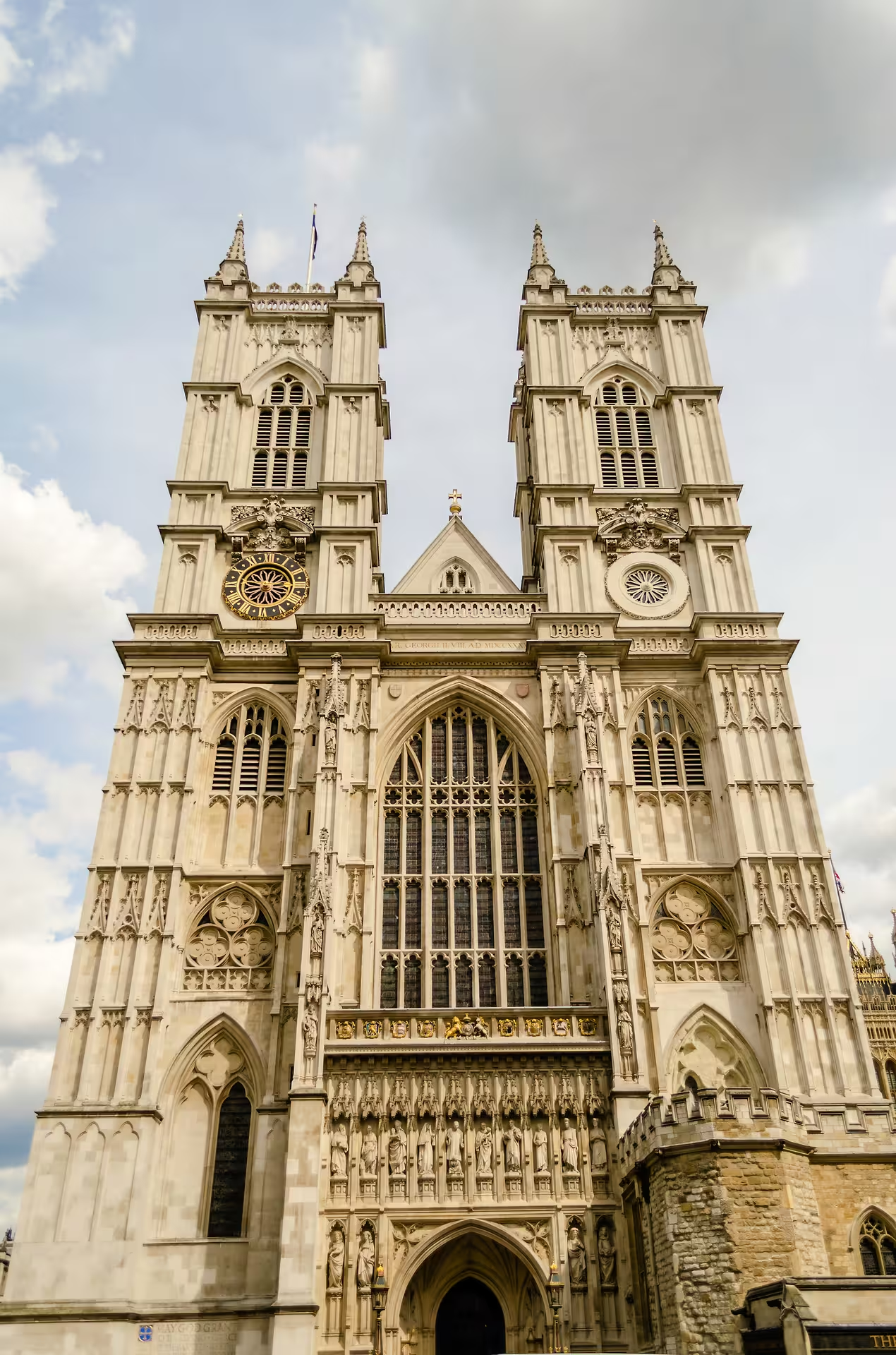
Westminster Abbey suits a history-focused visit, while Hyde Park gives an outdoors-focused day a clear anchor. The abbey was consecrated in December 1065; William the Conqueror received his crown there on Christmas Day the following year. Hyde Park offers about 142 hectares of parkland, so it deserves its own place in the plan.
For a game-based walk in Westminster, the self-guided escape game walking tour lasts 1 hour and 45 minutes. It includes a mobile exploration game, a written story, GPS directions between stops and the full route's clues and challenges.
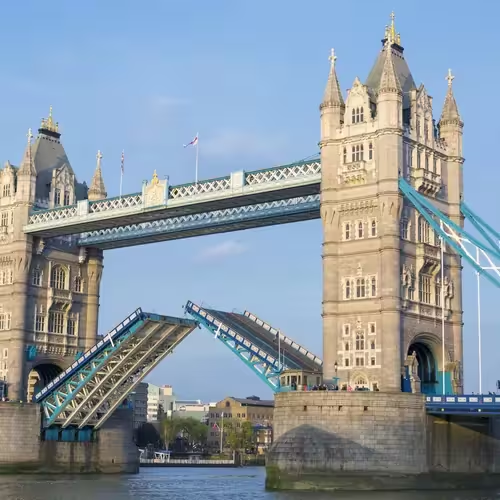
Tower Bridge is another option if historic structures interest you: it began operating in June 1894 and is run by City Bridge Foundation, a charity.
Three days is a workable plan for this selection: a day in Westminster around the abbey, with Hyde Park nearby for time outdoors, a day around Tower Bridge and the City, and a Greenwich outing. That gives each day a focus without making every visit about the same kind of history.
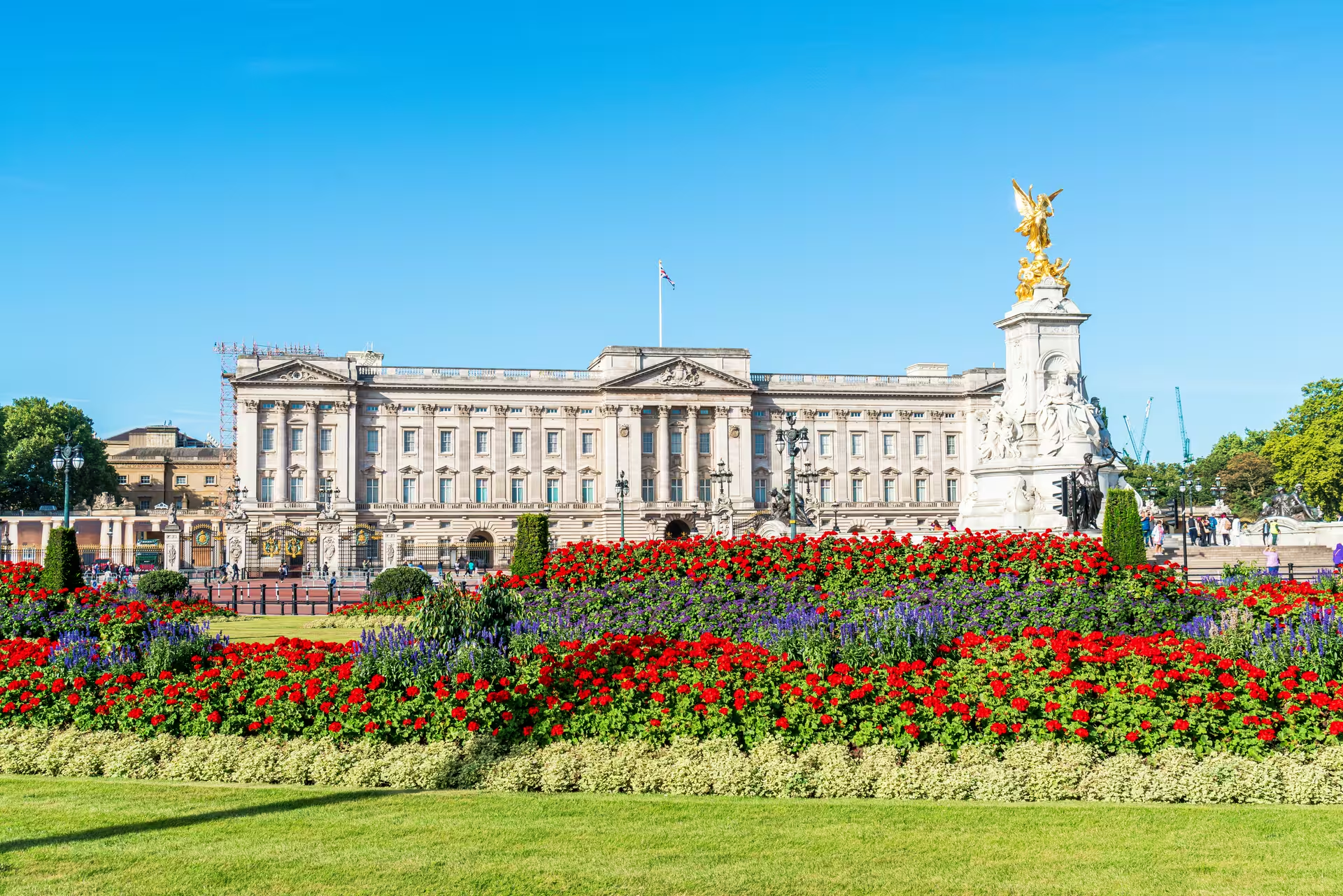
For a walking component, the London self-guided walking tour with GPS audio guide lasts 3 hours. It includes an audio tour app, 20 historical and cultural commentaries, an interactive 3D map with live location tracking, offline operation and access for up to 5 devices.
A shorter alternative is the London self-guided walking quest with puzzles and hidden stories, lasting 1 hour and 45 minutes. It includes smartphone tour access, puzzles and trivia at each stop, a story revealed in stages and support for 5 or more languages.
May and September suit a walking-focused trip if you prefer mild conditions. At Heathrow, the average daily high is 18.37 °C in May and 20.22 °C in September in the 1991-2020 figures. March and April are cooler, with average highs of 11.73 °C and 15.00 °C; October and November fall to 15.81 °C and 11.47 °C.
July suits travellers who value sunshine: Heathrow averages 217.81 sunshine hours then, compared with 54.96 in December. January calls for a colder-weather plan, with Heathrow averages of 8.42 °C for the daily high and 2.68 °C for the low.
The Underground and buses can form the backbone of your travel plan. The Underground serves 272 stations over 402 km on 11 lines, while London's bus network has about 9,300 buses across 675 routes, run by private operators under contract to Transport for London. For a journey between the Greenwich Peninsula and the Royal Docks, the London Cable Car provides that connection.
Greenwich suits a separate outing if the history of longitude interests you. The 1884 International Meridian Conference recommended the meridian through Greenwich as the reference for zero degrees longitude.
An abbey-focused trip gives you a reason to look at Westminster as a base. Let that planned visit guide your accommodation search if coronation history is a priority.
How many days do you need in London?
Three days works for the suggested plan: Westminster Abbey and Hyde Park, then Tower Bridge, then Greenwich.
When should I visit London for walking?
May and September suit mild-weather walking, with Heathrow average highs of 18.37 °C and 20.22 °C.
How can I get around London?
The Underground and buses can anchor your journeys; the cable car connects the Greenwich Peninsula and the Royal Docks.
Is Greenwich worth a day trip?
Yes, if the history of longitude interests you: Greenwich was chosen in 1884 as the reference for zero degrees longitude.
Where should I stay in London?
Westminster is worth looking at as a base for an abbey-focused trip.