Last updated:


Gibraltar suits a visit built around the Rock, with caves, macaques and underground passages to shape the day. A British Overseas Territory near the southern end of the Iberian Peninsula, it overlooks the Strait of Gibraltar, the narrow gateway to the Mediterranean Sea.
One day is a practical plan for the Rock, St Michael's Cave and the Great Siege Tunnels, with time in the city centre.
The private day trip to Gibraltar from Costa del Sol lasts 8 hours and includes a professional guide throughout the day, a guided Upper Rock Natural Reserve visit, St Michael's Cave, the Great Siege Tunnels, the Moorish Castle, a macaque encounter and free time for lunch and shopping in the city centre.
For a day that also includes dolphin watching, the Gibraltar day trip with the Rock, monkeys and dolphin watching lasts 8 hours.
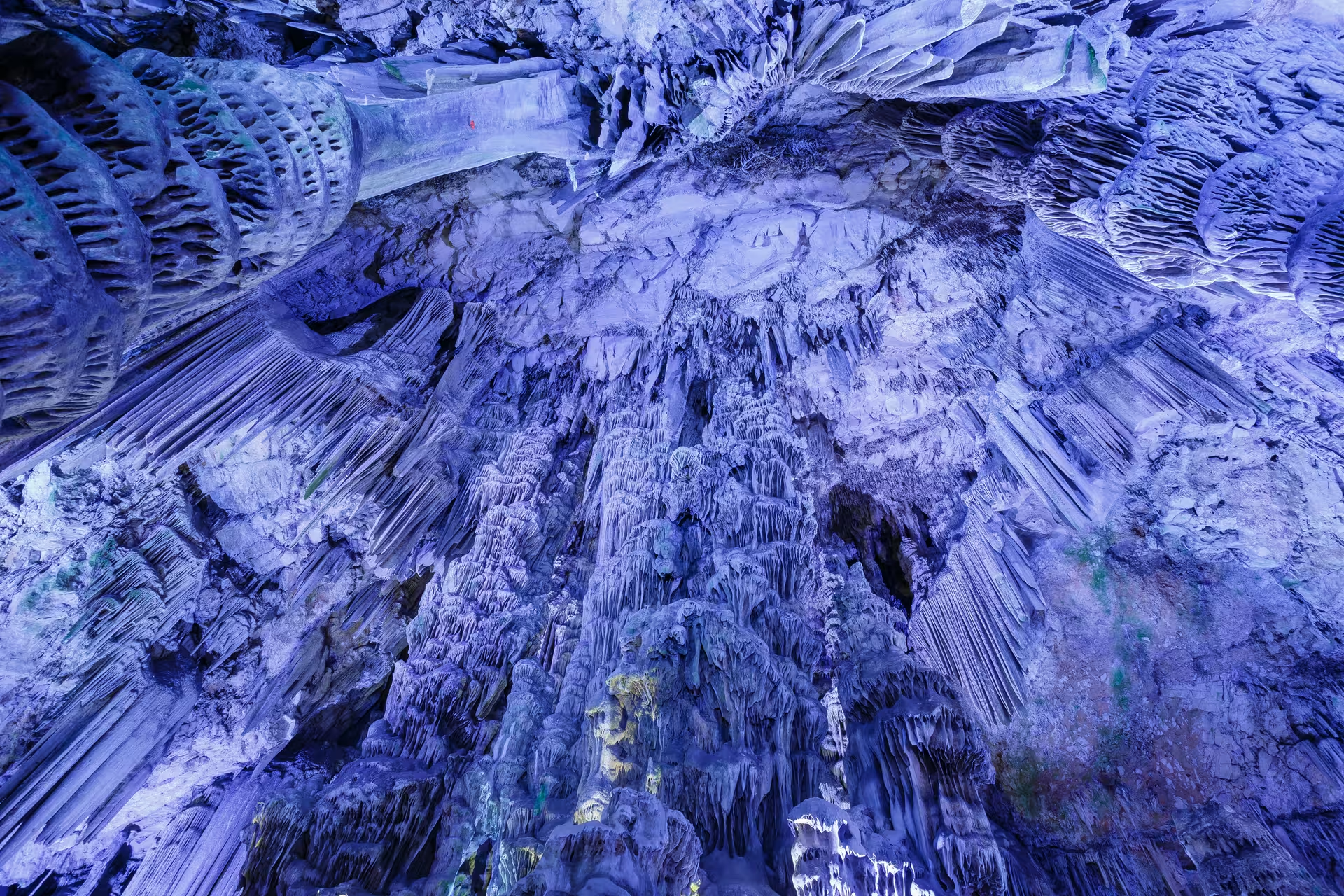
St Michael's Cave suits an interest in natural formations, while the Great Siege Tunnels offer underground passages to explore. Stalactites and stalagmites fill St Michael's Cave, and the tunnels are also known as the Galleries.
For wildlife, make the Upper Rock part of your plan: around 230 to 300 Barbary macaques live on the Upper Rock, in several groups. A nature reserve occupies much of the upper Rock, which reaches 426 metres. For a walk linked to caves, the Mediterranean Steps path takes you to the Goat's Hair Twin Caves.
The private Gibraltar Nature Reserve tour from Costa del Sol lasts 4 hours, including a private guide throughout, private transport to and from Gibraltar, St Michael's Cave, the Great Siege Tunnels, a Barbary macaque encounter on the Upper Rock and a Moorish Fortress visit.
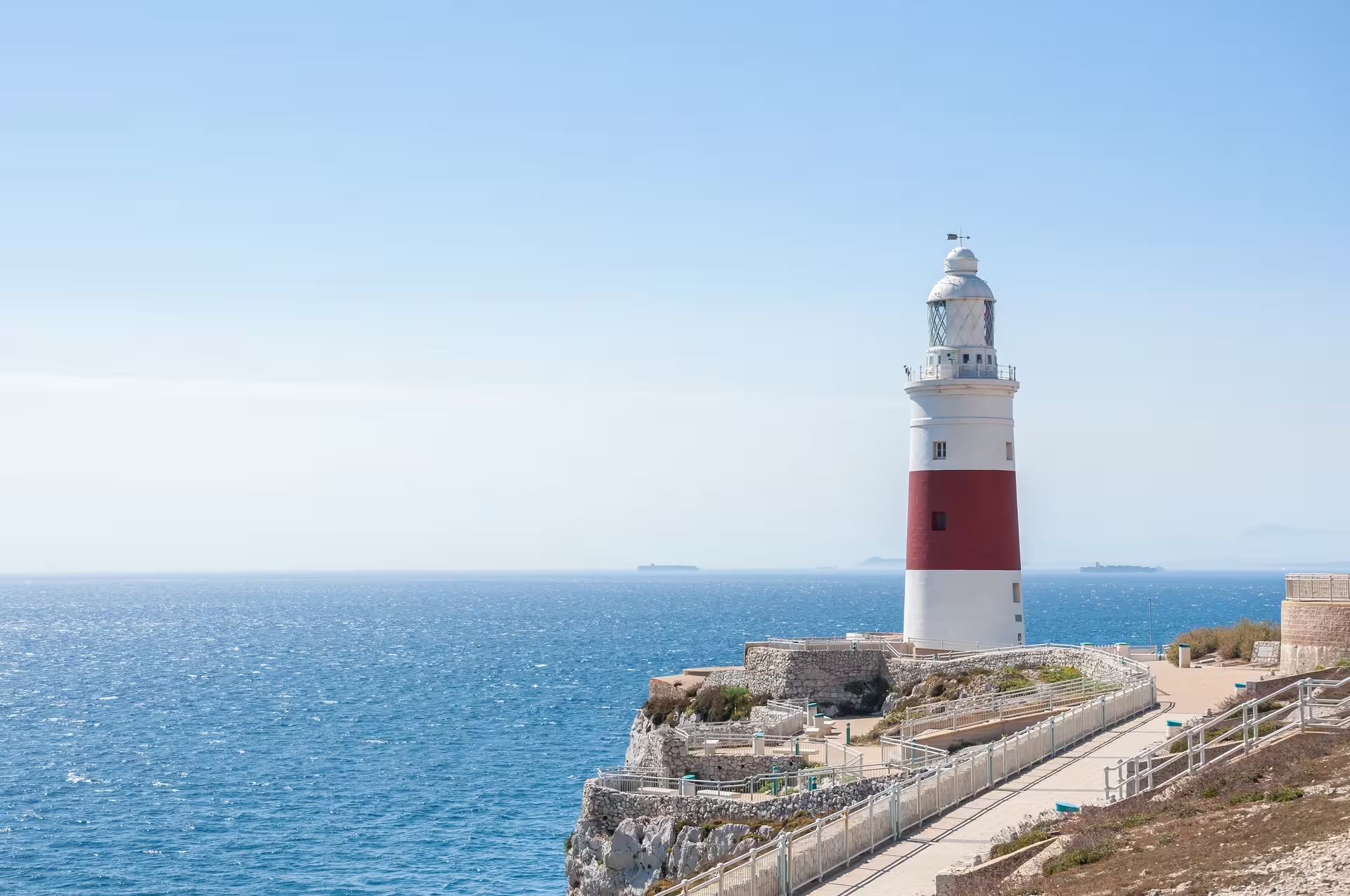
The Moorish Castle and Europa Point add historical landmarks to a Rock-focused visit. The castle dates from the period of Moorish rule, which lasted from 711 to 1462 apart from a Castilian interval between 1309 and 1333. At Gibraltar's southern tip, Europa Point has a lighthouse built between 1838 and 1841.
The Great Siege Tunnels also give a history-focused visit an underground stop. Gibraltar's Great Siege ran from 1779 to 1783, ending with a British victory on 7 February 1783.
Gibraltar has a Mediterranean climate.
Private transport to and from Gibraltar is included in the 4-hour private nature reserve tour from Costa del Sol.
Since 31 March 2023, vehicles reach the frontier through the Kingsway tunnel under the runway instead of crossing it on Winston Churchill Avenue. Gibraltar International Airport occupies the strip of land connecting the territory to the Iberian Peninsula.
There is an occasional ferry from Gibraltar to Tanger Med port, near Tangier, with sailings on a limited number of dates, so check the timetable before planning. Gibraltar also has a land frontier with Spain extending 1.2 km.
How many days do you need in Gibraltar?
One day is a practical plan for the Rock, St Michael's Cave, the Great Siege Tunnels and time in the city centre.
What type of climate does Gibraltar have?
Gibraltar has a Mediterranean climate.
How can you travel to Gibraltar on a private tour?
Private transport to and from Gibraltar is included in the 4-hour private nature reserve tour from Costa del Sol.
Can you travel from Gibraltar to Tangier?
Yes, there is an occasional ferry from Gibraltar to Tanger Med port, near Tangier, with sailings on a limited number of dates, so check the timetable before planning.
What can you see on the Rock of Gibraltar?
St Michael's Cave, the Great Siege Tunnels and the Upper Rock's Barbary macaques provide a mix of cave formations, underground passages and wildlife.