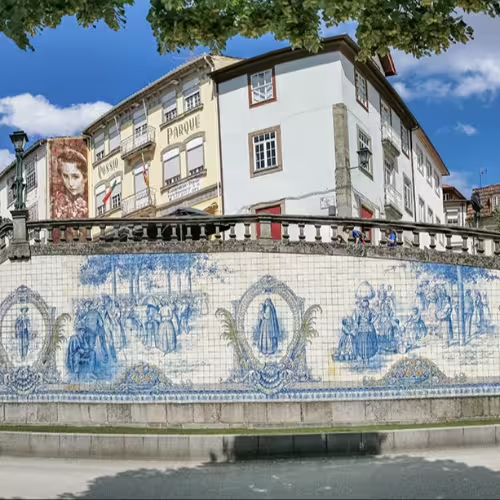
Armamar is a charming municipality in the Douro Valley region of northern Portugal, renowned for its terraced vineyards and authentic rural character. Nestled along the Douro River, this historic area represents the heart of Portugal's wine country, where centuries-old traditions shape both the landscape and local life.
What to see in Armamar
Visitors should explore the Igreja Matriz de Armamar, the town's principal church, which reflects local religious heritage. The surrounding terraced vineyards, meticulously carved into the hillsides, offer stunning views and insight into the region's agricultural practices. Walking through the old town center reveals traditional stone architecture and quiet squares that embody Douro Valley charm.
Things to do in Armamar
Wine tastings at local quintas and wineries are essential experiences for visitors seeking to understand the region's viticulture. Hiking trails along the Douro River provide opportunities to explore the dramatic landscape, while boat tours offer perspective on the valley's geography. Seasonal festivals celebrate local harvests and traditions throughout the year.
Wine Heritage and Douro Valley Traditions
Armamar sits at the core of the Douro Valley Wine Region, a UNESCO World Heritage site known for producing exceptional port and table wines. Local producers continue time-honored vineyard management techniques passed through generations, making the area a destination for wine enthusiasts and cultural travelers interested in authentic Portuguese heritage.
Armamar is located in the Douro Valley region of northern Portugal, approximately 100 kilometers southeast of Porto. The municipality sits along the Douro River in the heart of Portugal's most celebrated wine-producing area, which has been recognized as a UNESCO World Heritage Site since 2001. The region is characterized by steep terraced vineyards, traditional quintas (wine estates), and small historic towns that preserve centuries of Portuguese winemaking culture.
Wine Tourism, Cultural Heritage, Rural Experiences, UNESCO Sites, Wine Regions