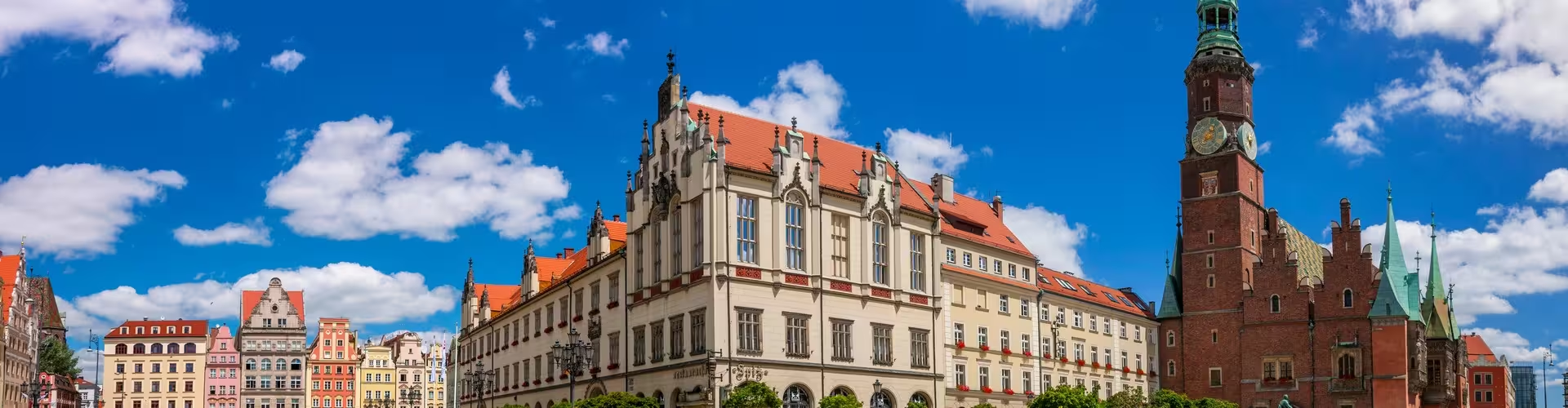
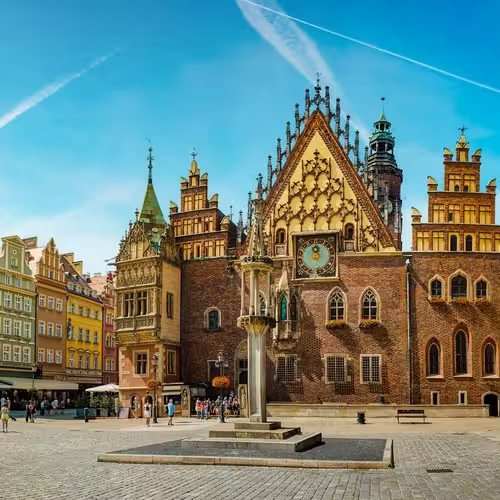
Lower Silesia is a captivating region in southwestern Poland, home to the historic city of Wrocław and surrounded by diverse landscapes ranging from mountain peaks to lush river valleys. This area blends medieval architecture, cultural heritage, and natural beauty to create a destination that appeals to history enthusiasts and outdoor adventurers alike.
What to see in Lower Silesian
Visitors should not miss Wrocław's stunning Market Square with its Town Hall, the enchanting Ostrów Tumski island with its Gothic cathedral, and the remarkable Centennial Hall, a UNESCO World Heritage site. The region also features the scenic Karkonosze Mountains and charming medieval towns like Legnica and Jawor, each offering architectural treasures and cultural insights.
Things to do in Lower Silesian
Explore the region through hiking trails in the Sudetes Mountains, take river cruises along the Oder River, and visit local markets showcasing regional crafts. Cultural tours of Wrocław's Jewish Quarter and day trips to nearby villages provide immersive experiences of the area's complex history and contemporary vitality.
Wrocław's Multicultural Legacy
Wrocław's Jewish Quarter tells powerful stories of resilience and cultural significance, while the city's contemporary art scene thrives with galleries and street murals. The region's position as a cultural crossroads has shaped its diverse architectural styles and vibrant traditions that remain evident today.
Lower Silesia is located in southwestern Poland, bordering the Czech Republic. The region is characterized by the Oder River valley, Sudetes and Karkonosze Mountains, and encompasses major cities including Wrocław, Legnica, and Jawor. The terrain ranges from lowland plains to alpine peaks, with a temperate climate suitable for year-round exploration.
Lower Silesia exemplifies Central European heritage through its architectural diversity, multicultural history, and natural landscapes. The region serves as a gateway to both mountain recreation and urban cultural experiences.