Razzoli Island is a small, uninhabited island nestled in the Strait of Bonifacio between Sardinia and Corsica, Italy. This remote granite outcrop represents one of the Maddalena Archipelago's most pristine natural treasures, offering visitors a glimpse of untouched Mediterranean wilderness and crystal-clear waters.
What to see in Razzoli Island
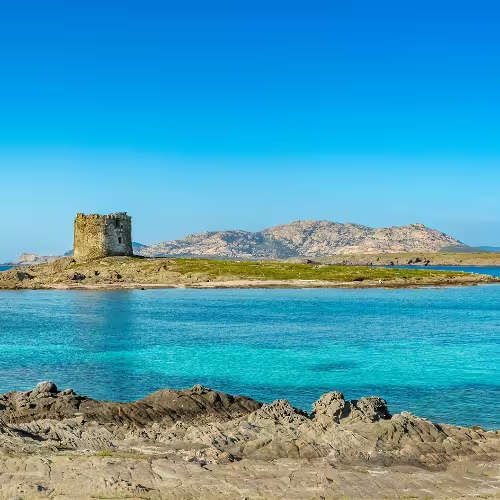
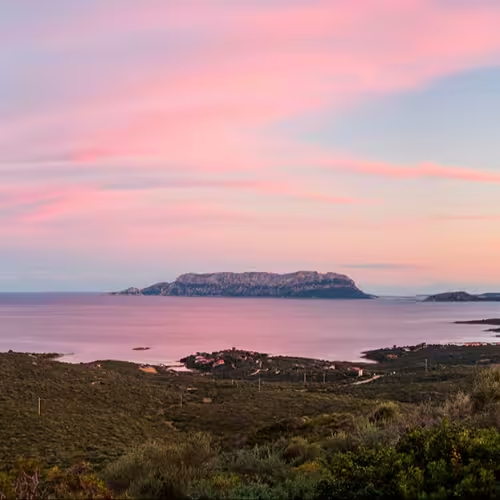
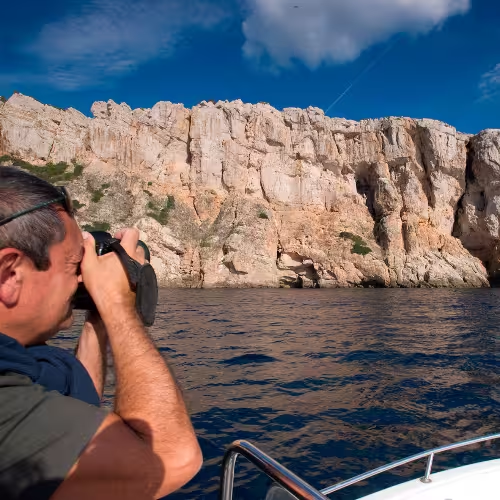
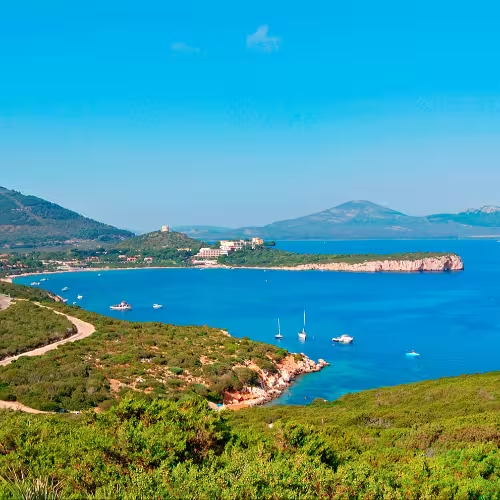
The island features dramatic rocky coastlines, hidden coves, and turquoise waters ideal for snorkeling and swimming. Visitors can explore rugged granite formations, observe Mediterranean seabird colonies, and discover submerged archaeological remnants in the surrounding waters. The island's unspoiled landscape provides stunning photography opportunities and panoramic views of neighboring islands.
Things to do in Razzoli Island
Day trips and guided boat tours from nearby Maddalena Island are the primary ways to experience Razzoli. Visitors can participate in snorkeling expeditions, swimming adventures, and marine wildlife observation tours. Kayaking around the island's perimeter and picnicking on secluded beaches offer peaceful ways to enjoy the pristine Mediterranean environment.
Marine Biodiversity and Conservation
Razzoli Island is part of a protected marine area, making it a haven for Mediterranean sea life and seabirds. The waters surrounding the island support diverse fish species and provide breeding grounds for rare bird populations. Conservation efforts maintain the island's ecological integrity, allowing visitors to experience authentic Mediterranean nature while protecting this delicate ecosystem.
Razzoli Island is located in the Strait of Bonifacio between Sardinia and Corsica, forming part of the protected Maddalena National Park. The island is situated approximately 40 kilometers north of Maddalena town and is accessible only by boat from nearby islands. Its remote position in the Tyrrhenian Sea makes it one of the most isolated and pristine destinations in the Italian archipelago.
Razzoli Island represents a quintessential Mediterranean island experience, combining natural beauty with conservation efforts. The island's protected status ensures that visitors encounter authentic Mediterranean ecosystems, including endemic plant species and rare bird populations. Its accessibility via day trips makes it an ideal destination for travelers seeking wilderness experiences without extensive expedition planning.