Vestmannaeyjar: what to see and do
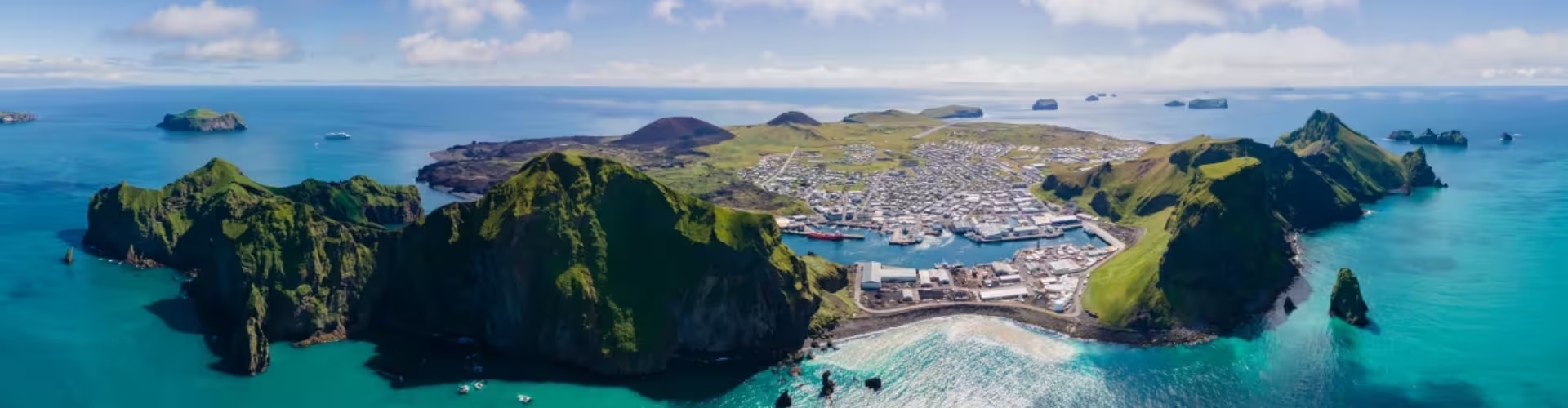
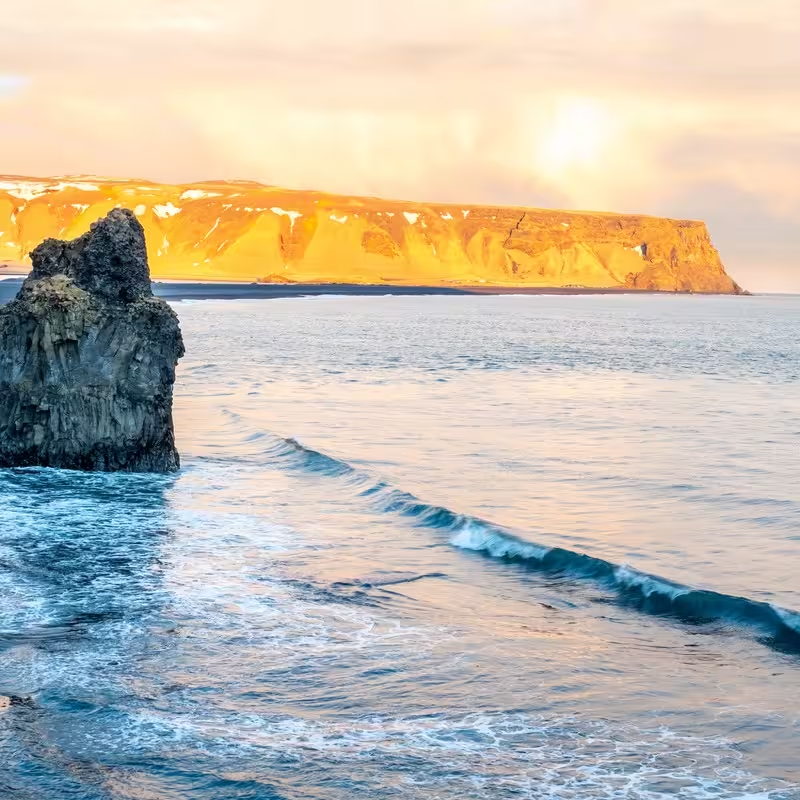
Vestmannaeyjar comprises 18 islands, together with roughly 30 rock stacks and skerries. The islands cover a combined area of 16.3 square kilometres. Heimaey, the only inhabited island, has about 4,500 residents, almost all of them in the town of Vestmannaeyjabær.
Westman Islands tours
Heimaey is the only island in the group with a resident population. The remaining islands are uninhabited, though some of the islands have hunting cabins.
A private Westman Islands day tour with volcanic sights has a duration of 10 hours. It includes a private guide for the day, private vehicle transport from Reykjavik, Eldheimar Museum admission, wildlife viewing stops including puffin areas and the Beluga Whale Sanctuary, and a guided volcanic crater hike.
The private Westman Islands day tour from Reykjavik lasts 11 hours. Included are a private driver and guide for the day, a coffee stop in Hveragerdi, guided visits to Stafkirkjan, Urdaviti Lighthouse and Eldheimar Museum, and a guided hike on Eldfell.
Things to do on Heimaey
At Skansinn, the stave church was built as a Norwegian government gift to Iceland. The Westman Islands Golf Club dates to 1938, and its course occupies the remains of an extinct volcano.
A private full day Westman Islands tour with a Heimaey boat cruise has a duration of 10 hours. It includes a private driver and guide for the day, a guided Heimaey island tour, a cruise around the archipelago, a music experience in Klettshellir cave and admission to the Pompeii of the North museum.
Vestmannaeyjar in Iceland: volcanic history
On 23 January 1973, Eldfell erupted unexpectedly on the eastern side of Heimaey. That first night, 5,000 islanders were evacuated, chiefly aboard fishing boats. The eruption lasted about five months, and residents began returning only after it ended in July 1973.
Pumping more than 6 million cubic metres of cold seawater onto the lava helped slow it and protect the harbour. The seawater cooling operation preserved the harbour. The eruption added about 2 square kilometres to Heimaey. On Heimaey, Eldfell stands about 200 metres high.
Surtsey
Surtsey is an uninhabited volcanic island within the archipelago off the southern coast of Iceland. Its eruption started at a depth of 130 metres beneath the sea and broke through the surface on 14 November 1963. When the eruption ended in June 1967, the island covered about 2.5 square kilometres; erosion has since roughly halved it.
The name Surtsey comes from Surtr, the fire giant of Norse mythology. In recognition of its scientific importance, UNESCO gave the island World Heritage status in 2008. Permission to land there is restricted to a few scientists.
Puffins and island traditions
Vestmannaeyjar uses the puffin as its emblem. On Heimaey, children traditionally rescue young puffins and release them to the sea. The outdoor festival Þjóðhátíð is held in Vestmannaeyjar every year. It began in 1874 and takes place over the weekend preceding the first Monday of August.
Connections to mainland Iceland
Ferries sail to the islands from the mainland harbour of Landeyjahöfn. The harbour opened in 2010 and cut the crossing to about 35 minutes; in rough weather the ferry may sail from Þorlákshöfn instead. At Vestmannaeyjar Airport, operations include seasonal services, charter flights, medical flights and general aviation.
Frequently asked questions
How many islands make up Vestmannaeyjar?
The archipelago comprises 18 islands and roughly 30 rock stacks and skerries.
Which island is inhabited?
Heimaey is the only island in the group with a resident population.
When did Eldfell erupt?
The eruption started on the eastern side of Heimaey on 23 January 1973.
Is landing on Surtsey permitted?
Permission to land there is restricted to a few scientists.
Where does the ferry leave from?
Ferries sail to the islands from the mainland harbour of Landeyjahöfn.