Hellnar in Iceland
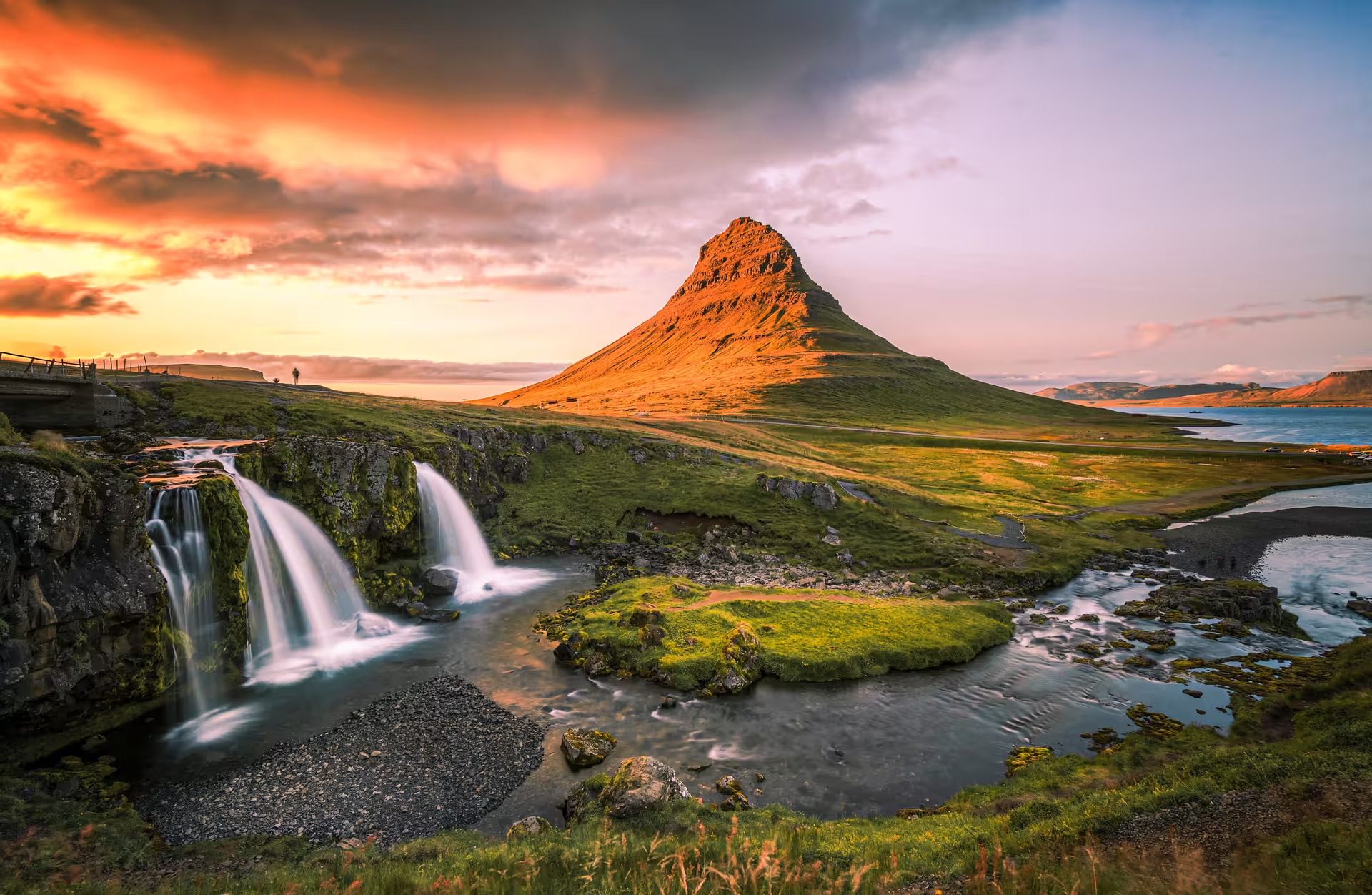
Hellnar lies near Arnarstapi towards the western end of the Snæfellsnes peninsula. In western Iceland, the peninsula extends to the west of Borgarfjörður. Fishing boats once called at Hellnar as an important port, a role that probably reaches back to medieval times.
Hellnar and Arnarstapi
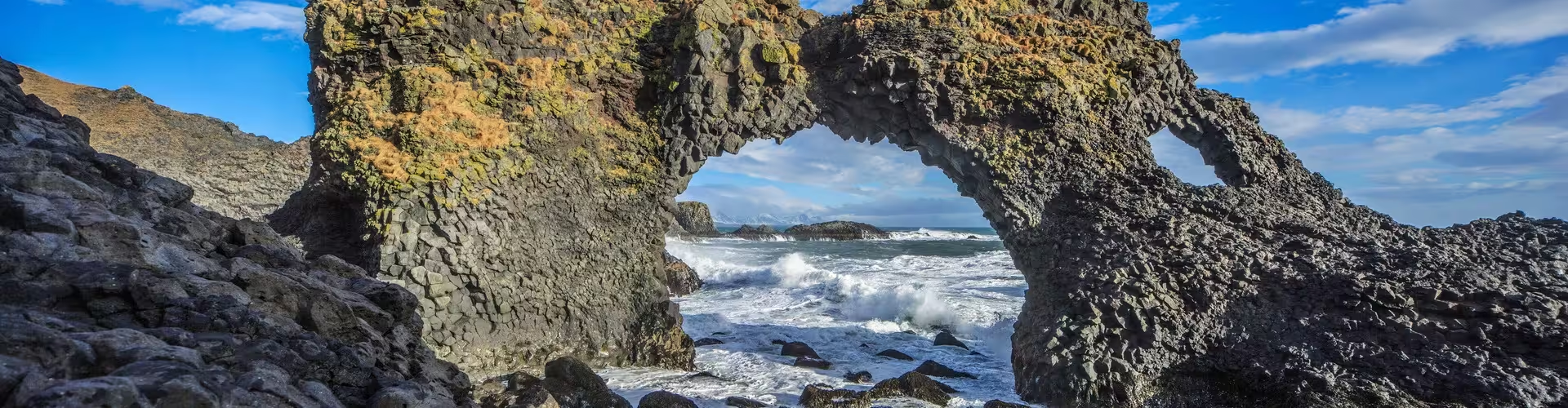
A written account from 1560 records Hellnar as a fishing port. Nearby Arnarstapi also had a busy port for fishing and served as a trading centre for the west coast under Danish rule. A walking route between Arnarstapi and Hellnar passes over lava and follows the beach, taking between 30 minutes and an hour. Within the Valasnös cliff, a cave is noted for the changing colours of its light and shadow.
Snæfellsnes peninsula tours
A private day tour of the Snæfellsnes peninsula in west Iceland lasts 9 hours and includes an expert guide, a private vehicle, transport between stops, an itinerary adapted to the group, fishing village stops and entry to publicly accessible natural sites along the route.
A private guided peninsula tour from Reykjavik lasts 12 hours, with private transport, a professional guide who speaks English, the stops in the itinerary and a pace adapted to the group.
The Snæfellsnes peninsula day tour from Reykjavik runs for 12 hours and includes vehicle transport from Reykjavik, a professional guide for the day and entry to public natural sites listed in the itinerary.
A private guided Snæfellsnes tour with hot springs takes 9 hours and includes an expert guide, a private vehicle, a visit to Hvammsvik Hot Springs and an itinerary adapted to the group’s interests.
The volcano and the national park
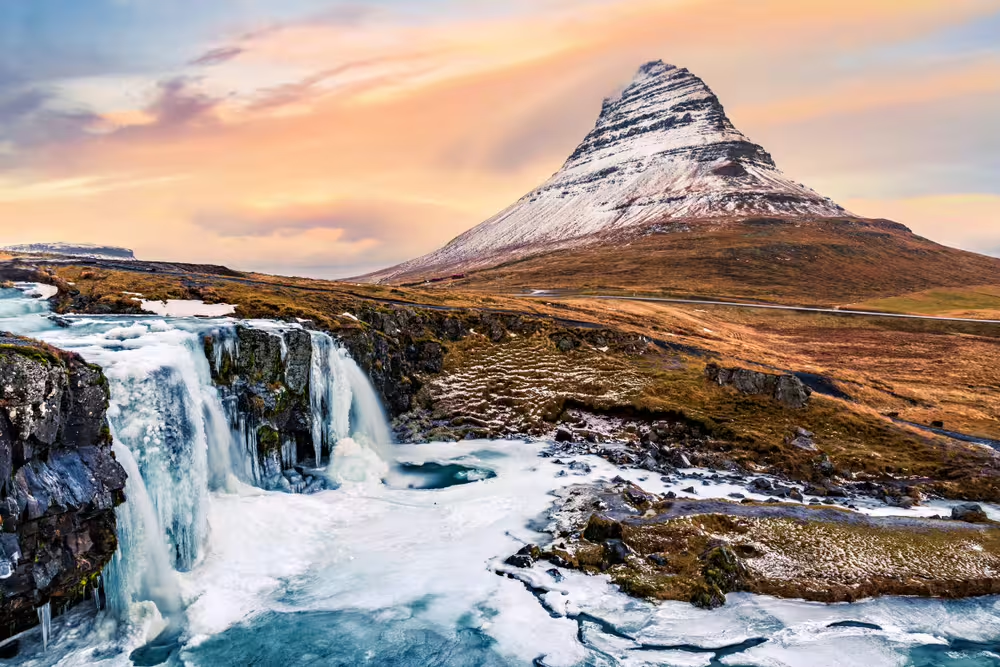
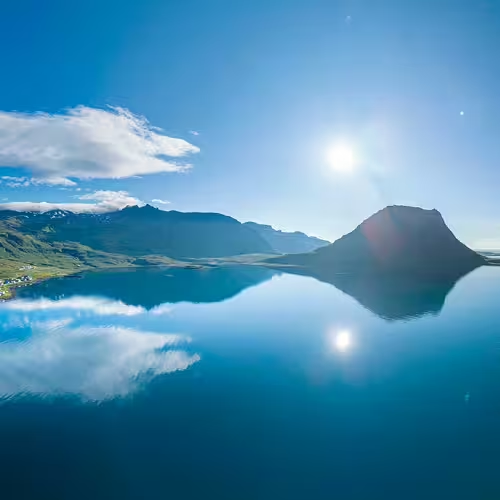
Volcanic activity formed the peninsula, whose centre is crossed by the Snæfellsnes volcanic belt. At its western end, Snæfellsjökull is a stratovolcano capped by a glacier, with an age of 700,000 years and a height of 1,446 m. Its most recent eruption is dated to around 200 CE, though the date is uncertain. Craters on its lower slopes have released flows of basalt lava. When the sky is clear, the volcano is visible from Reykjavík, with about 120 km separating the city from Snæfellsjökull.
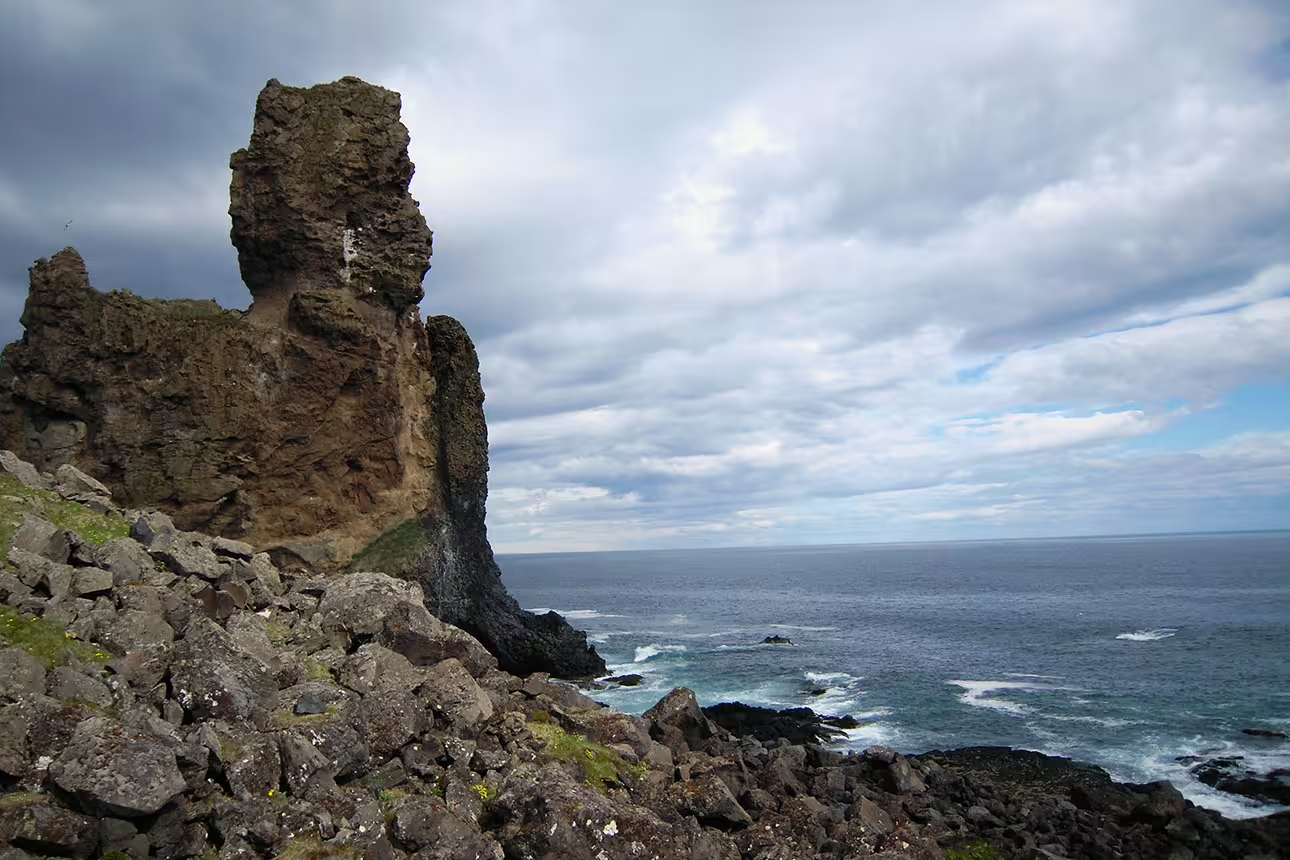
Snæfellsjökull National Park, at the edge of the peninsula in western Iceland, was created on 28 June 2001. Its conservation aims cover the landscape, native plants and animals, and historical remains. The national park also extends to the coast. The active volcano has shaped a landscape of lava fields covered in moss. The park also contains black sand beaches and sea cliffs inhabited by birds. Bird species recorded at the Lóndrangar towers include the black-legged kittiwake, common murre, puffin and northern fulmar. At the Malarrif visitor centre, an exhibition covers nature and the remains of fishing stations.
Literature and Laugarbrekka
The glacier has provided inspiration for Jules Verne and Halldór Laxness. In Verne’s science fiction, Snæfellsjökull is the gateway to a journey beneath the earth. Laugarbrekka farm had a church until 1881. Laugarbrekka, on Iceland’s Snæfellsnes peninsula, was also the birthplace of Guðríður Þorbjarnardóttir.
Frequently asked questions
Where is Hellnar?
Hellnar is near Arnarstapi at the western end of the Snæfellsnes peninsula in western Iceland.
What connects Hellnar and Arnarstapi?
A walking trail crosses lava and follows the beach between the two places, with a walking time of between 30 minutes and an hour.
What is Hellnar’s connection with fishing?
Hellnar was an important calling point for fishing vessels, and a written account from 1560 describes its role as a fishing port.
How high is Snæfellsjökull?
The volcano reaches 1,446 m and has a glacier covering its summit.
What does the national park protect?
Its conservation aims include the landscape, native plant and animal life, and historical remains.