Bouches-du-Rhône: what to see and do
Marseille serves as the prefecture of Bouches-du-Rhône. The department occupies 5,087 square kilometres. It dates to 4 March 1790, when it was established among the original 83 departments.
Marseille tours
Greek settlers from Phocaea established the colony of Massalia, now Marseille, around 600 BC. In 2013, the city held the title of European Capital of Culture.
The Château d'If was built in the late 1520s on the orders of Francis I and finished by 1531. The château stands about 2 kilometres off Marseille's Old Port. It also features as a setting in Alexandre Dumas' 1844 adventure novel.
Construction of Le Corbusier's Cité Radieuse in Marseille ran from 1947 to 1952. Its 12 storeys contain 337 apartments, and it received UNESCO World Heritage listing in 2016.
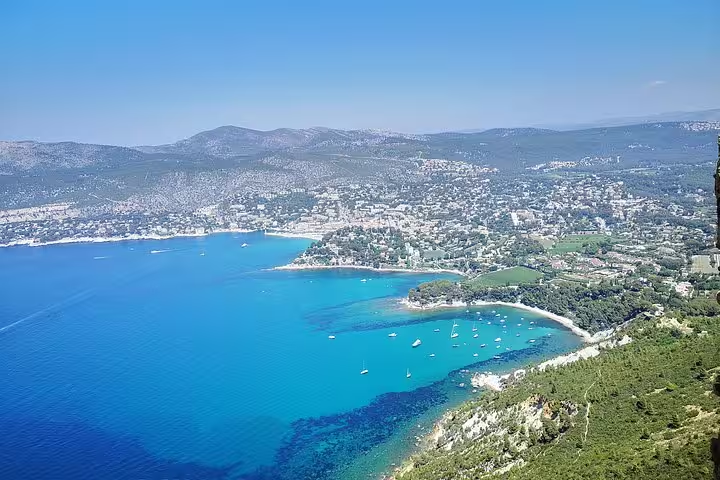
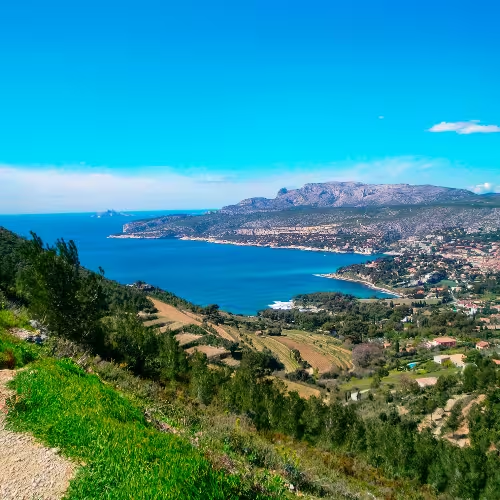
A decree dated 18 April 2012 established Calanques National Park. Of its 520 square kilometres, 85 are on land and the rest are marine. Bonelli's eagle is one of the birds associated with the park. Cassis is on the Mediterranean coast, approximately 20 kilometres east of Marseille.
Provence day trips
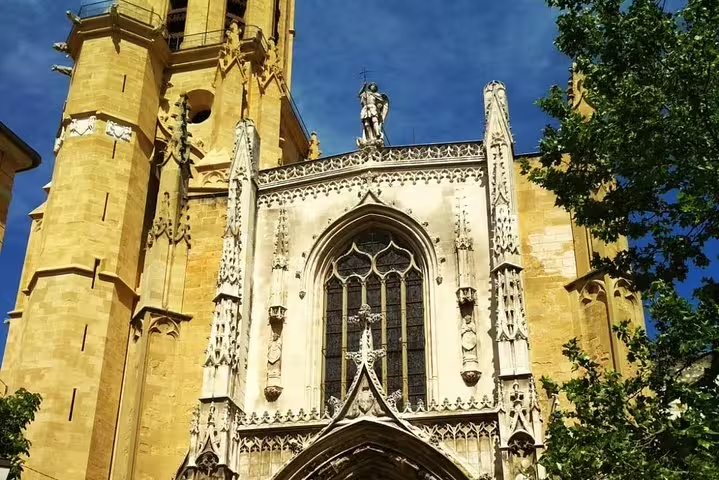
Aix-en-Provence was founded in 123 to 122 BC. The painter Paul Cézanne was born there. Cézanne repeatedly painted the limestone ridge of Mont Sainte-Victoire. The calisson, a sweet associated with Aix, has a lozenge shape and contains almonds, orange peel, sugar and crystallised melon.
The full day shore excursion to Avignon and Aix-en-Provence lasts 8 hours and includes a licensed professional guide and transport with air conditioning throughout. It also includes a guided walk through the old town of Aix-en-Provence and Cours Mirabeau, plus a guided Avignon visit covering the Palais des Papes and the exterior of Pont Saint-Bénézet.
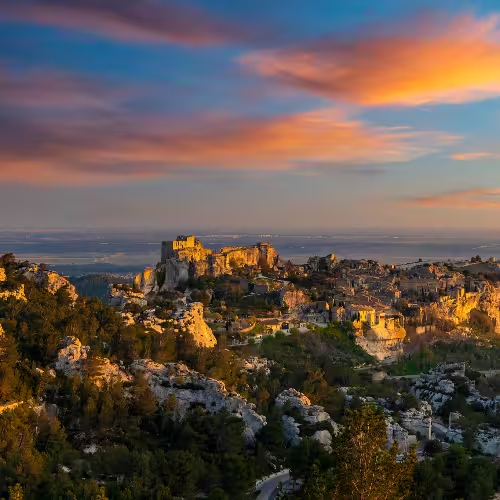
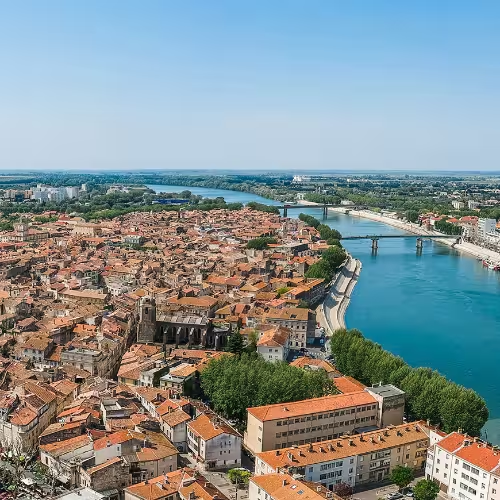
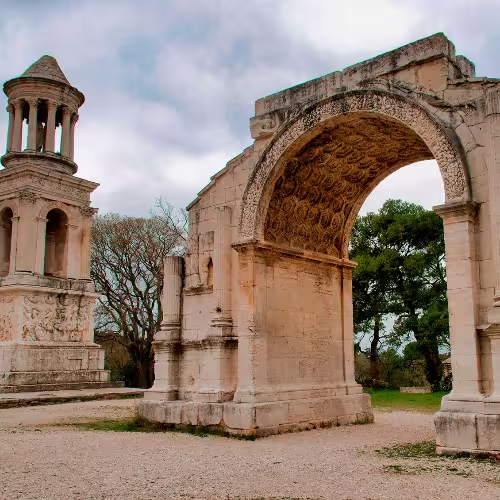
Arles received UNESCO World Heritage recognition for its Roman and Romanesque monuments in 1981. During his residence there between 1888 and 1889, Vincent van Gogh created around 300 paintings and drawings. Northeast of Arles, Les Baux-de-Provence lies in the Alpilles mountains.
The private day tour from Marseille to Arles, Saint-Rémy-de-Provence and Les Baux lasts 8 hours. It includes a private driver and guide who speaks English for the full day, a premium vehicle with air conditioning and all transport between destinations.
The full day tour of Les Baux-de-Provence with Saint-Rémy-de-Provence lasts 8 hours. Included are a professional guide for the day, transport between sites where applicable and wine tasting at selected Alpilles estates. Visits cover the village and château of Les Baux-de-Provence, admission to immersive quarry art exhibits, Saint-Paul-de-Mausole monastery and a guided visit to the Glanum archaeological site.
Camargue
The Camargue wetlands occupy the Rhône delta in the southwest of the department. Just upstream from Arles, the Rhône divides into the two branches that form this delta. The Camargue gained designation as a Wetland of International Importance on 1 December 1986.
Greater flamingos have habitat in the Camargue's brine ponds. The region also has a white horse breed, the Camarguais, which the gardians ride. Between the Rhône delta and the Crau plain, the protected Marais du Vigueirat covers 1,200 hectares. Records from this site include more than 300 species of birds.
Frequently asked questions
When was Marseille founded?
Settlers from Phocaea founded the Greek colony of Massalia around 600 BC.
What is the Cité Radieuse?
It is a building by Le Corbusier in Marseille, constructed between 1947 and 1952.
What is a calisson?
It is a lozenge shaped sweet associated with Aix, made with almonds, orange peel, sugar and crystallised melon.
What heritage is recognised in Arles?
Its Roman and Romanesque monuments received UNESCO World Heritage recognition in 1981.
Where is the Camargue?
It occupies the Rhône delta in the southwest of Bouches-du-Rhône.