Last updated:


The city's statistics for 2025 put Vienna's area at 414.9 square kilometres. On 1 January 2025, the city counted 2,028,289 residents. Green space covers almost half of the city's 41,487 hectares. Under the Separation Act passed in 1921, Vienna became an independent province on 1 January 1922.
From 1485 until 1490, Vienna was governed by Matthias Corvinus, the king of Hungary. The Turkish siege of 1529 was the first such siege of Vienna.
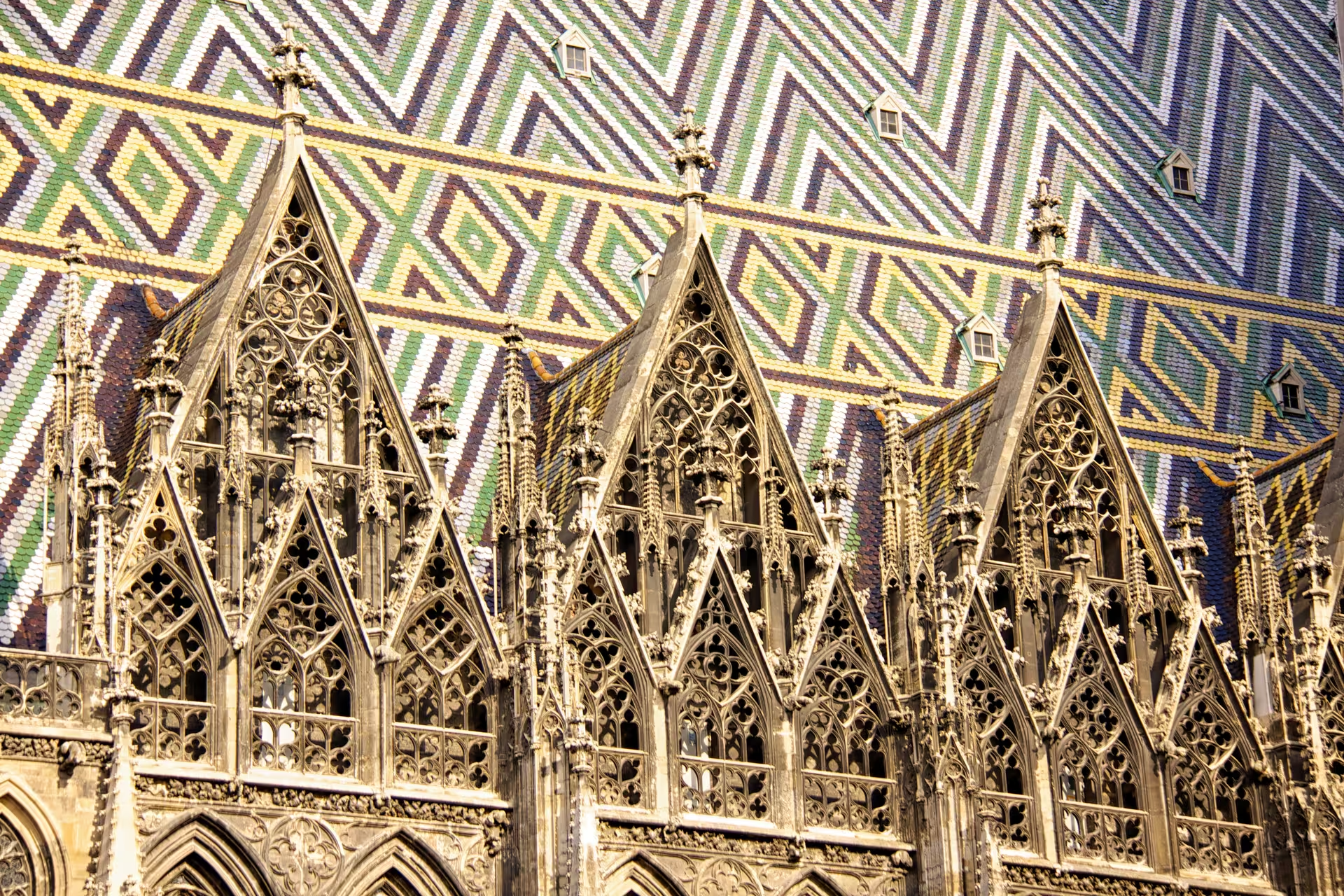
The consecration of St. Stephen's Cathedral as a Romanesque church dates to 1147. In 1359, Duke Rudolf IV placed the foundation stone for its reconstruction in the Gothic style. Following extensive damage during World War II, rebuilding was completed by 1952. Its north tower rises to 68 metres and has housed the Pummerin, Austria's largest bell, since 1957.
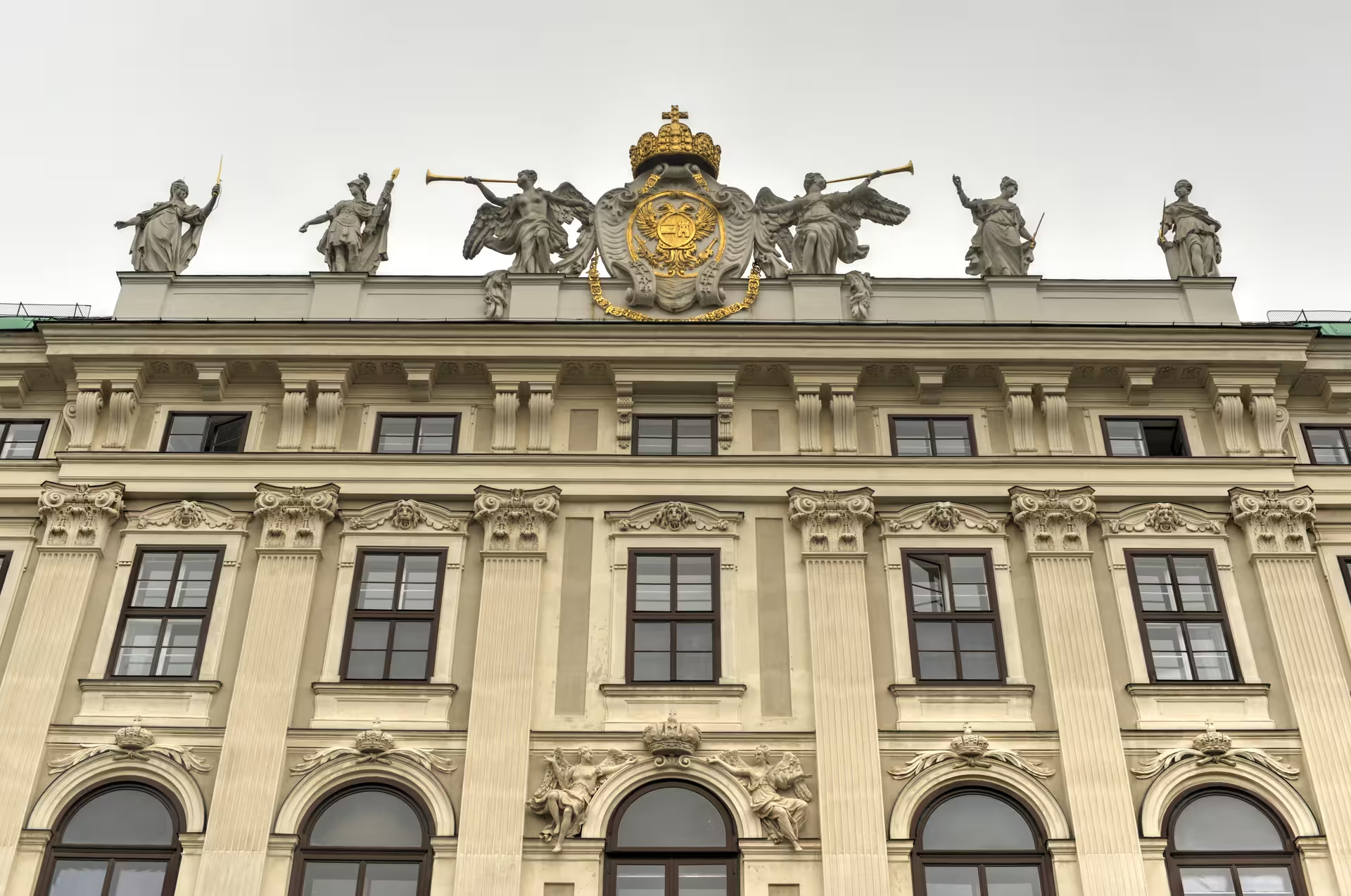
The Hofburg contains more than 2,000 rooms spread across 18 wings, along with 19 courtyards. Between 1279 and 1918 it was the principal residence of the rulers, although that use was interrupted at times.
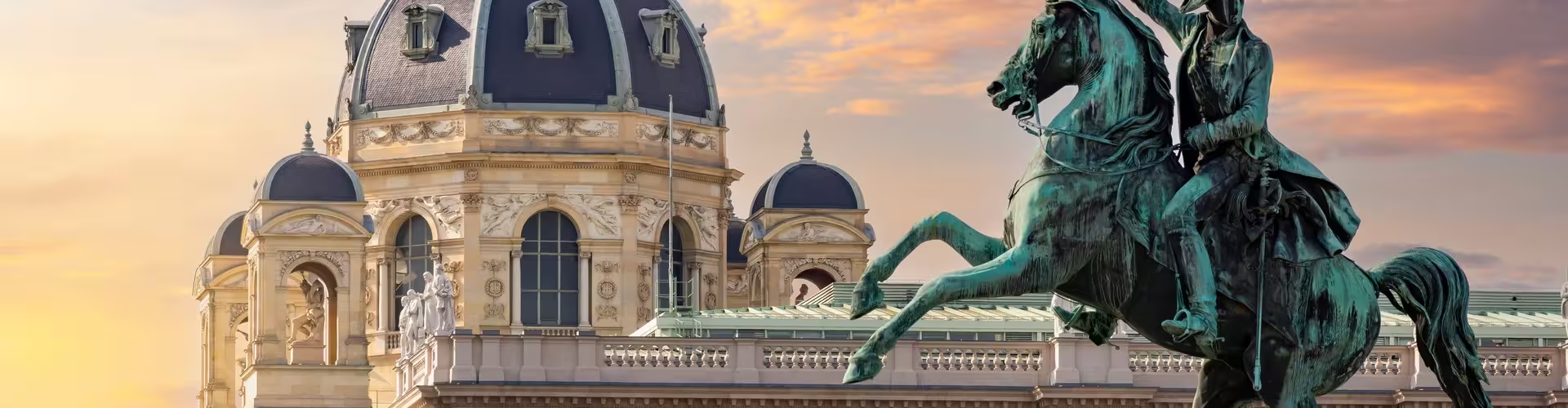
On 20 December 1857, Emperor Franz Joseph authorised the removal of the city walls and the building of the Ringstrasse by signing a decree. Gottfried Semper and Carl von Hasenauer created the Kunsthistorisches Museum building on the Ringstrasse during the period from 1871 to 1891.
Mozart's Don Giovanni marked the opening of the present Vienna State Opera building in 1869; the building has 1,709 seats plus standing places. Bombing in March 1945 destroyed much of it, and Beethoven's Fidelio marked its reopening on 5 November 1955.
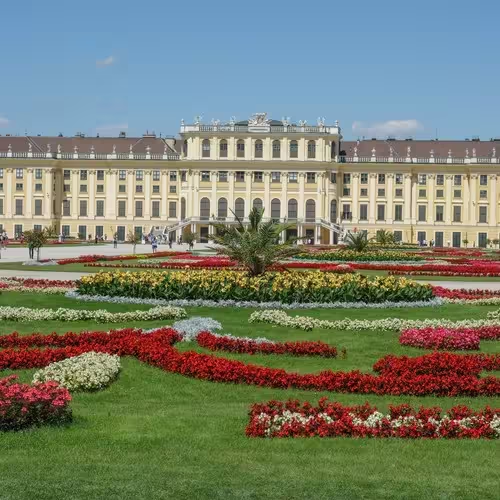
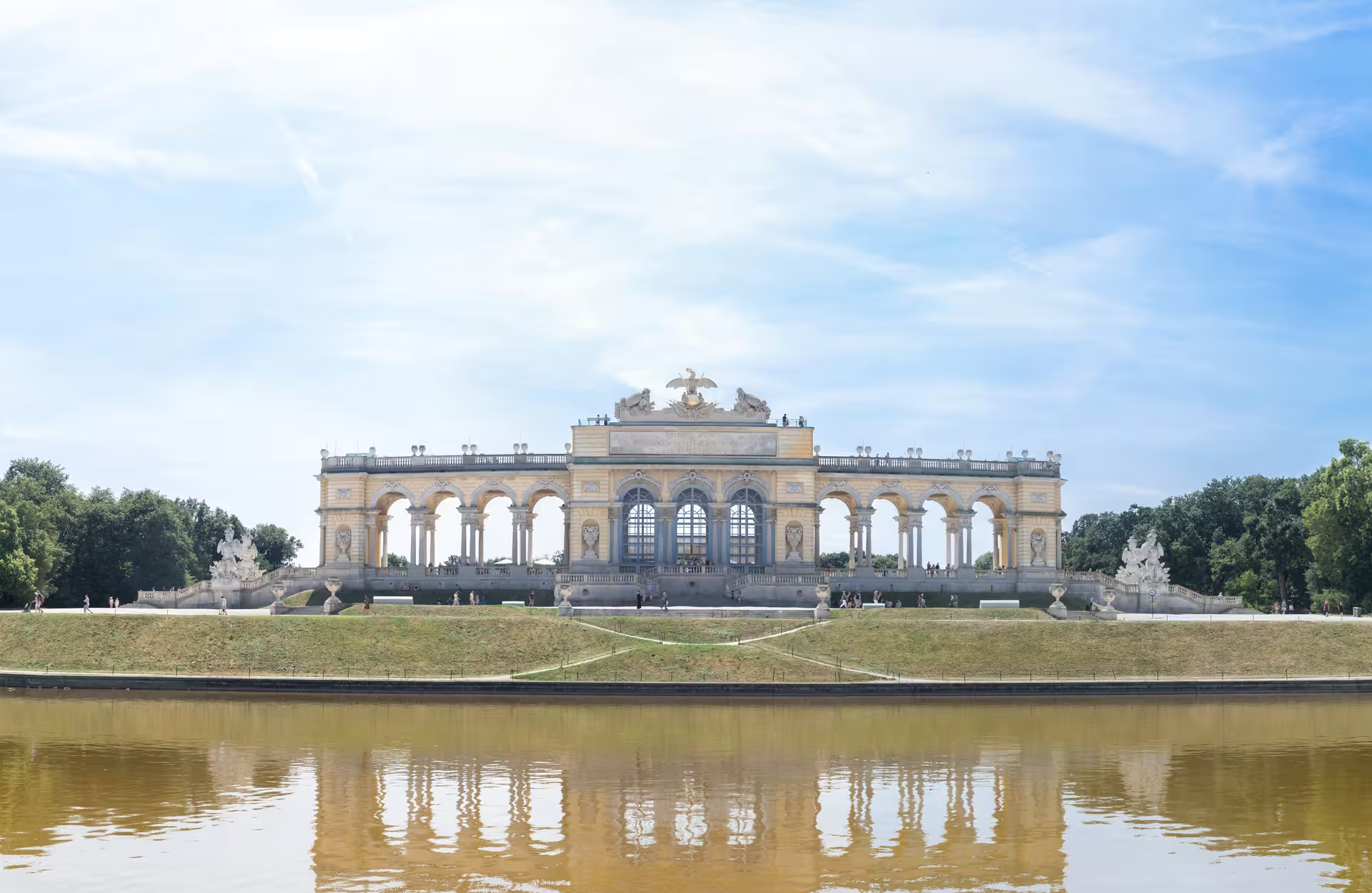
Around 40 rooms can be visited at Schönbrunn Palace. The palace received UNESCO World Heritage status in 1996, while the founding of Schönbrunn Zoo dates to 1752. Built as an open arcade in 1775, the Gloriette at Schönbrunn commemorates Austria's 1757 victory against Prussia at the Battle of Kolín.
In 2011, Vienna's coffeehouse tradition received recognition as intangible cultural heritage. The city had roughly 600 coffeehouses during the 1910s.
Emperor Joseph II made the Prater accessible to the public in 1766. Along its main boulevard, the Hauptallee, there are 2,500 chestnut trees.
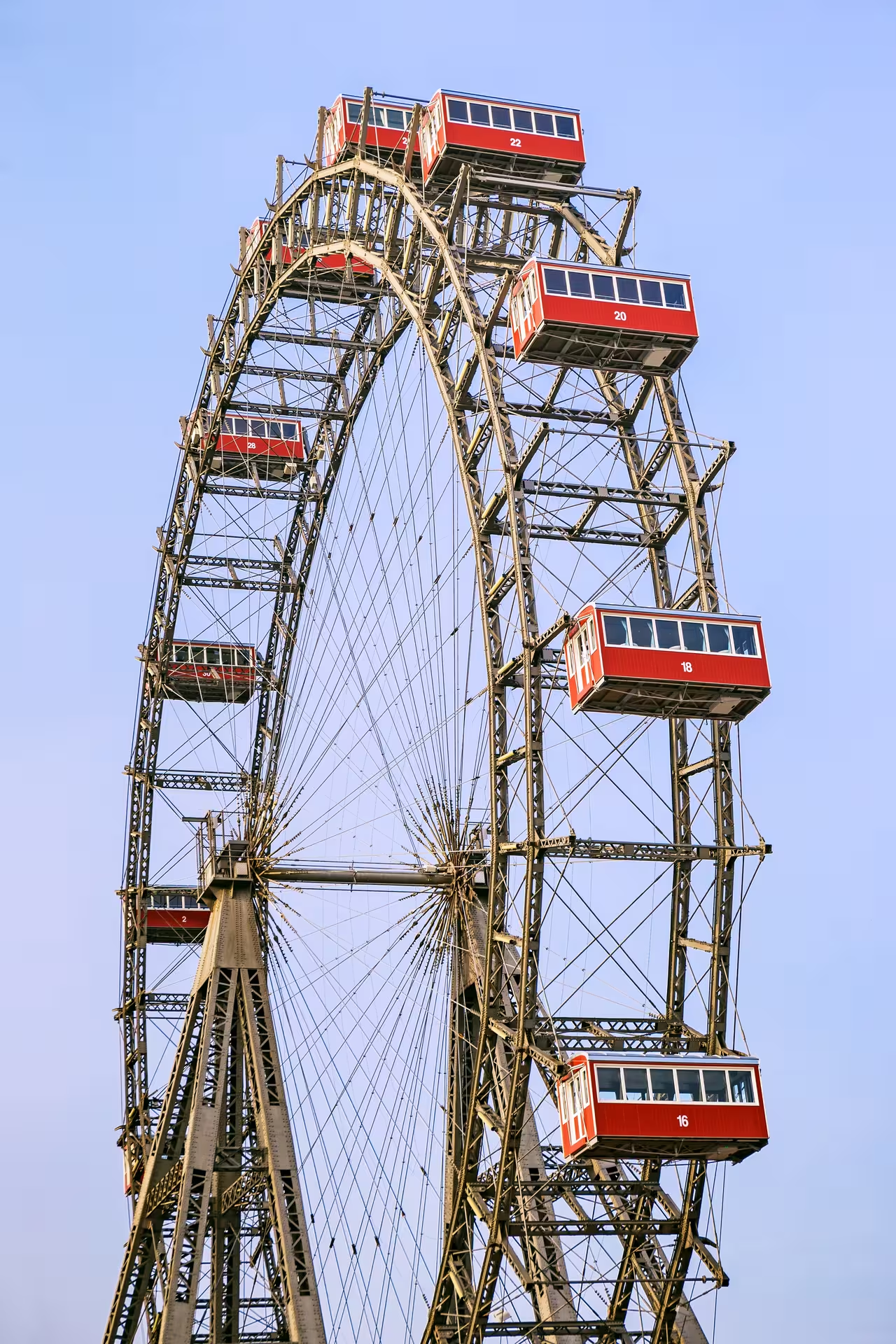
The self-guided Vienna Wurstelprater exploration game is a 55-minute experience. It includes access to the mobile game, an original story by professional writers, directions within the app to each stop and an email with download instructions after booking.
In Vienna's 21st and 22nd districts, the Donauinsel, or Danube Island, extends for about 21 kilometres. The Donauturm reaches a height of 252 metres in Donaupark, in the 22nd district.
The Wienerwald Biosphere Reserve includes seven districts of Vienna and 51 communities in Lower Austria. Its plant life comprises over 2,000 species, and about 150 bird species breed in the Wienerwald.
Around 40 rooms can be visited.
The Prater was opened to the public by Emperor Joseph II in 1766.
The game includes mobile access, a story written by professional writers, in-app directions to the stops and download instructions sent by email after booking.
The recognition of Viennese coffeehouse culture as intangible cultural heritage came in 2011.
Danube Island is about 21 kilometres long and extends through Vienna's 21st and 22nd districts.