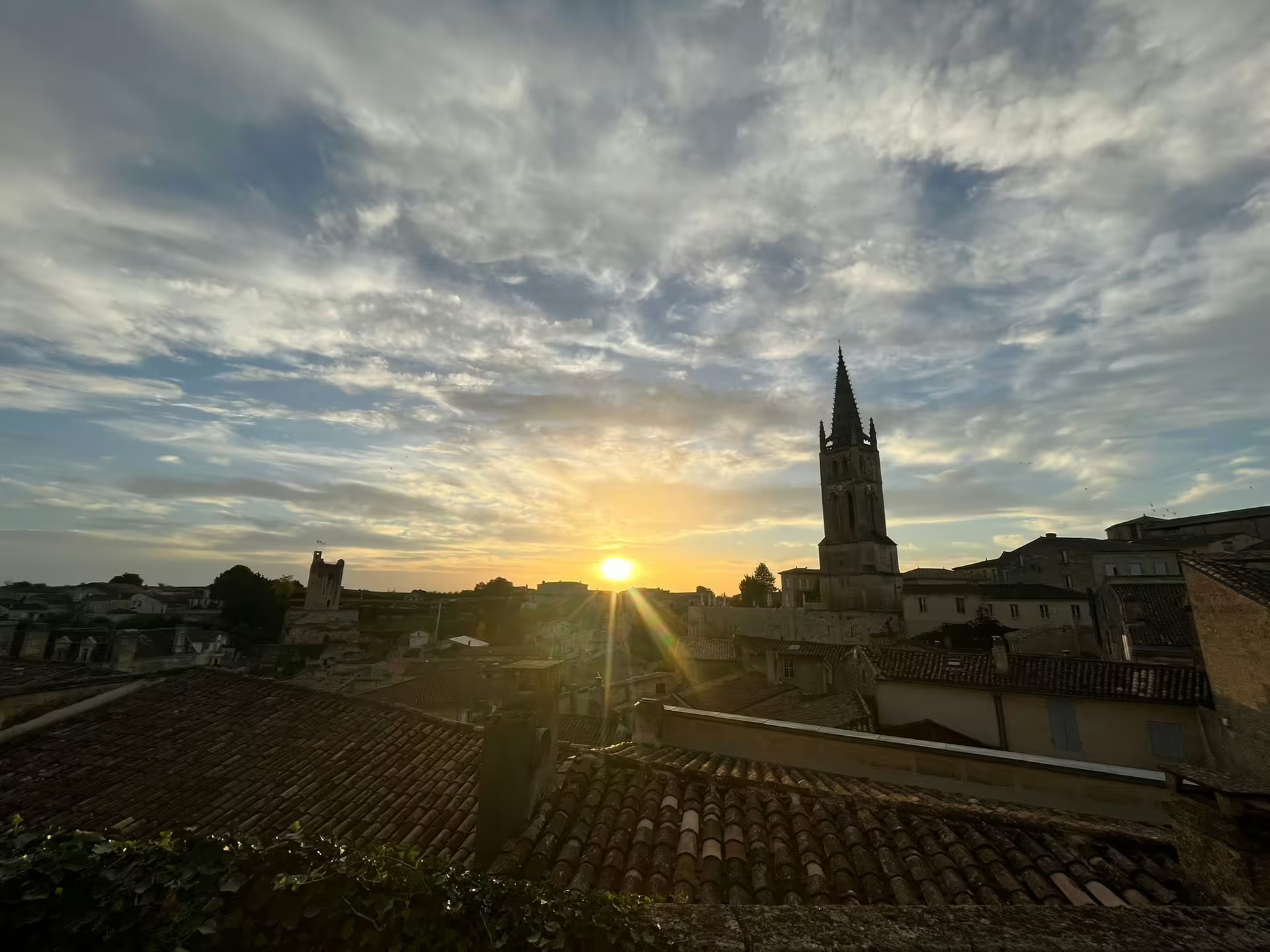
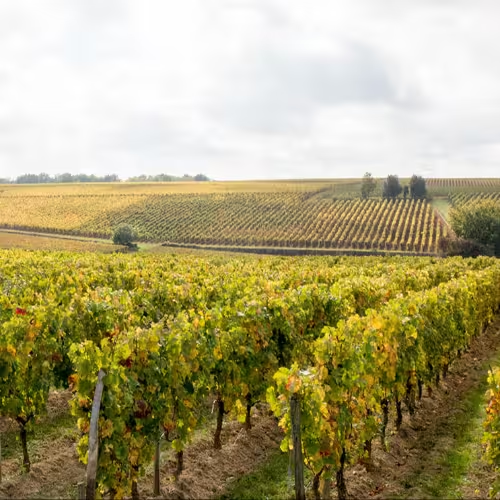
Saint-Emilion is a picturesque medieval village nestled in the Bordeaux wine region of southwestern France. Perched on a hillside overlooking rolling vineyards, this UNESCO World Heritage site captivates visitors with its historic charm, narrow cobbled streets, and world-renowned wine production.
What to see in Saint-Emilion
Visitors should not miss the Monolithic Church, an impressive 11th-century structure carved entirely from rock beneath the village. The Bell Tower offers panoramic views of the surrounding vineyards and medieval architecture. The picturesque town square, surrounded by limestone buildings and local cafes, provides an authentic glimpse into village life.
Things to do in Saint-Emilion
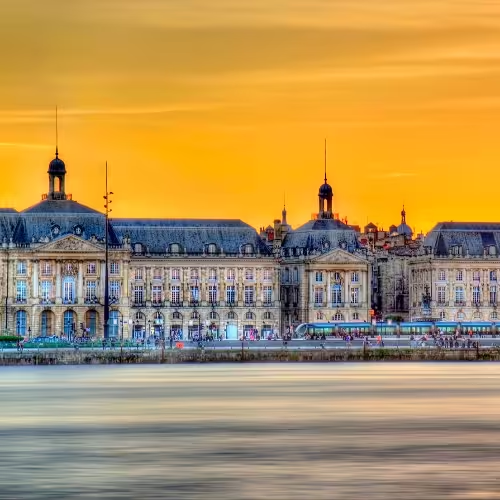
Wine enthusiasts can explore numerous châteaux and wineries offering tastings and cellar tours. Guided walking tours through the historic center reveal centuries of architectural details and stories. Day trips to nearby Bordeaux or scenic vineyard drives provide memorable experiences in the heart of Aquitaine's wine country.
Wine Heritage and Medieval Charm
Saint-Emilion's reputation rests on centuries of wine excellence, with Bordeaux wines from local vineyards recognized globally. The village's preservation as a medieval town combined with its agricultural heritage creates a unique cultural landscape where history, architecture, and gastronomy intertwine seamlessly.
Saint-Emilion is located in the Nouvelle-Aquitaine region of southwestern France, approximately 40 kilometers northeast of Bordeaux city. The village sits in the heart of the Saint-Emilion wine appellation, one of France's most prestigious wine-producing areas. The region's geography, characterized by limestone plateaus and clay-limestone slopes, creates ideal conditions for Bordeaux wine production. The village's elevation provides commanding views across the surrounding vineyard landscape toward the Dordogne River valley.
Saint-Emilion is a premier wine tourism destination that combines medieval European architecture with world-class viticulture. The village serves as the cultural and commercial center of the Saint-Emilion wine region, attracting wine connoisseurs, history enthusiasts, and cultural tourists. Its UNESCO World Heritage designation recognizes both its outstanding universal value as a preserved medieval settlement and its exceptional wine heritage spanning nearly two millennia.