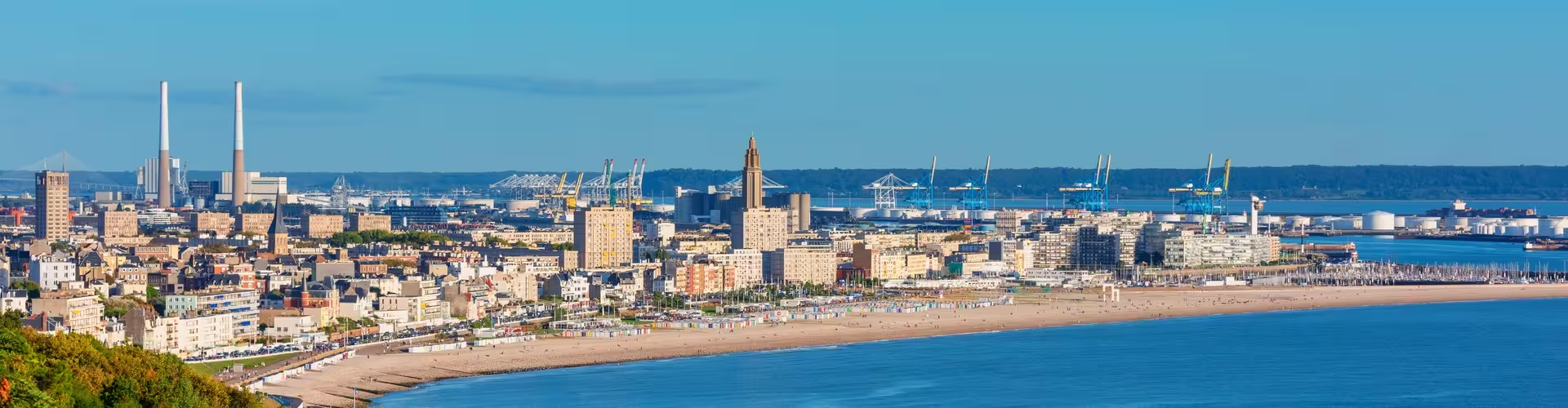
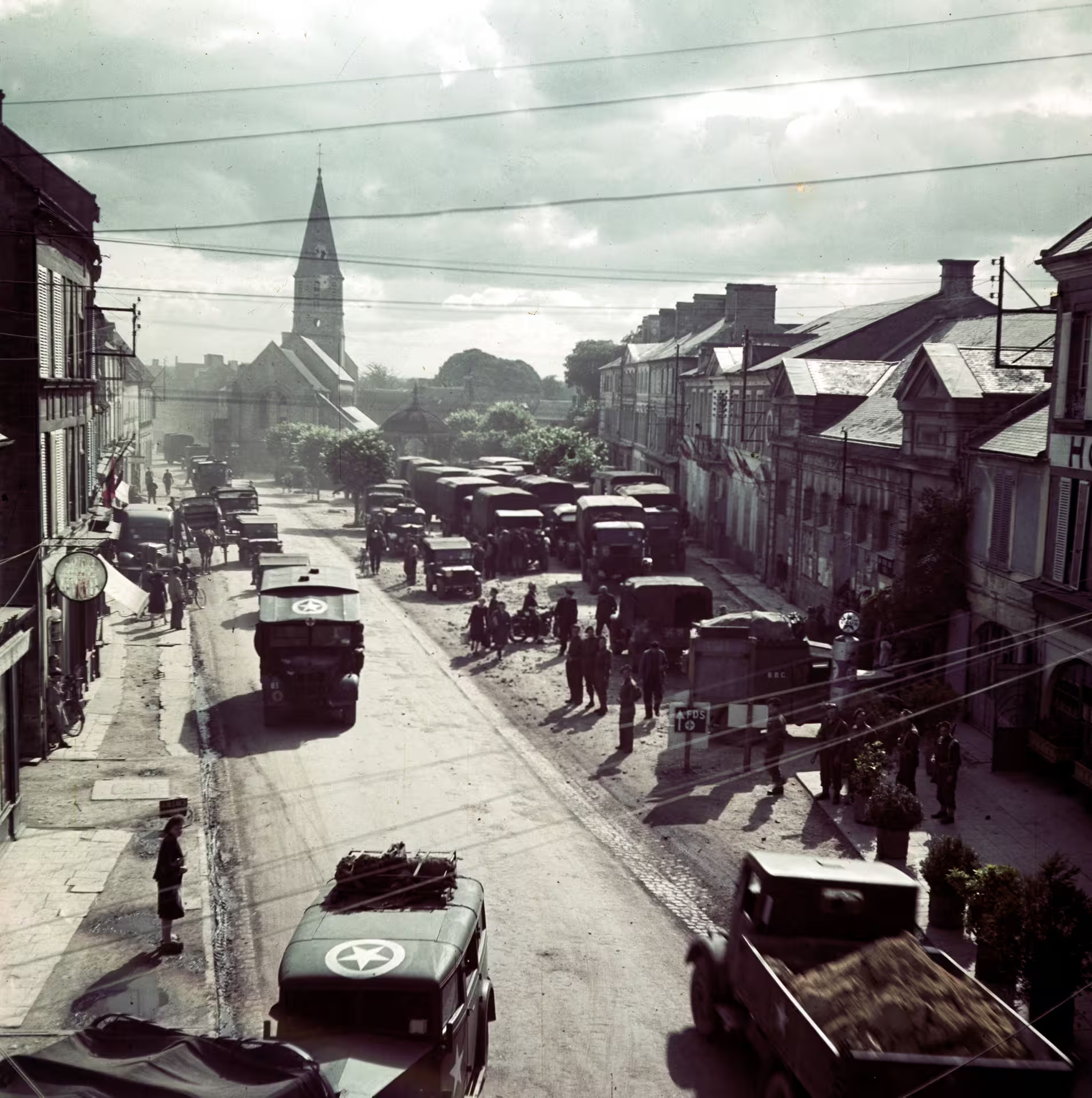
Le Havre is a striking coastal city in Normandy, France, rebuilt after World War II with distinctive modernist architecture. This Atlantic port town blends maritime heritage with innovative urban design, offering visitors a unique glimpse into post-war European reconstruction and coastal French culture.
What to see in Le Havre
The Volcan cultural center dominates the skyline with its dramatic pyramid shape, while the Saint-Joseph Church showcases remarkable concrete architecture. The Museum of Modern Art houses impressive Impressionist collections, and the rebuilt city center features wide avenues and geometric squares designed by architect Auguste Perret.
Things to do in Le Havre
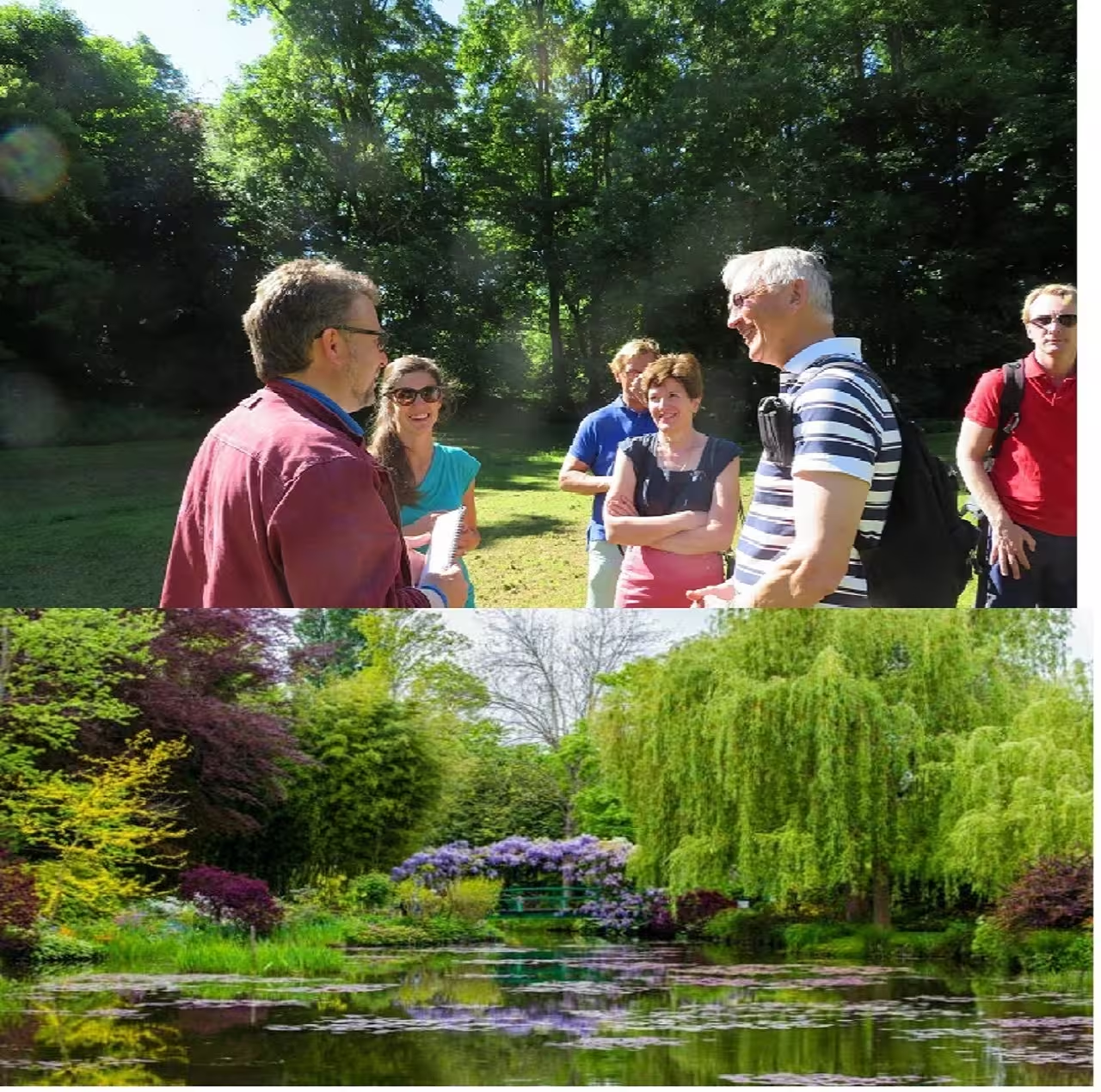
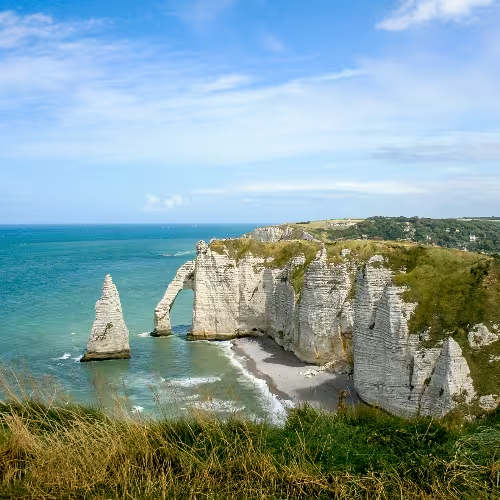
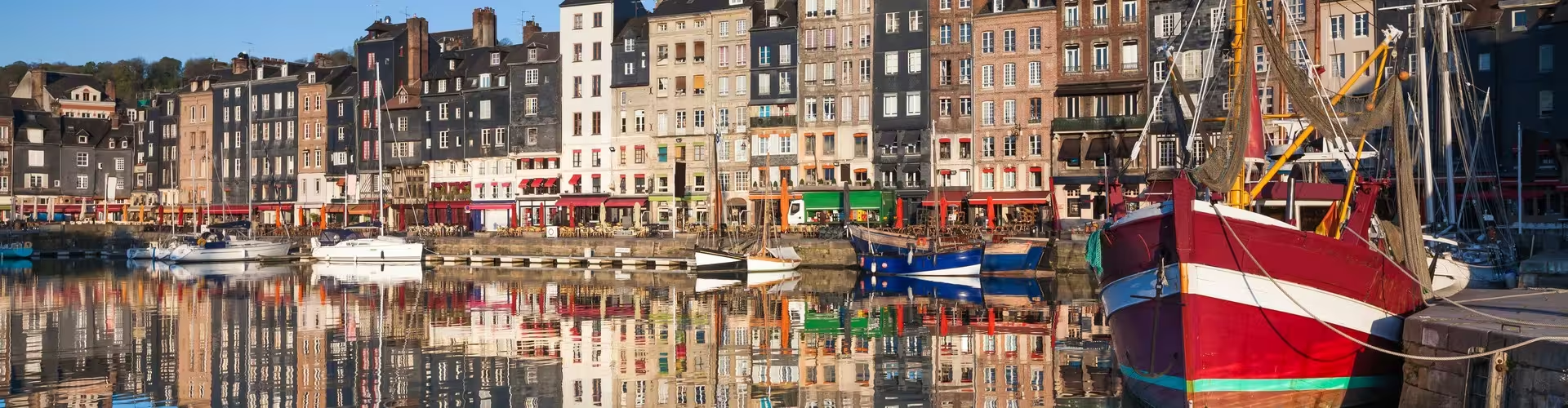
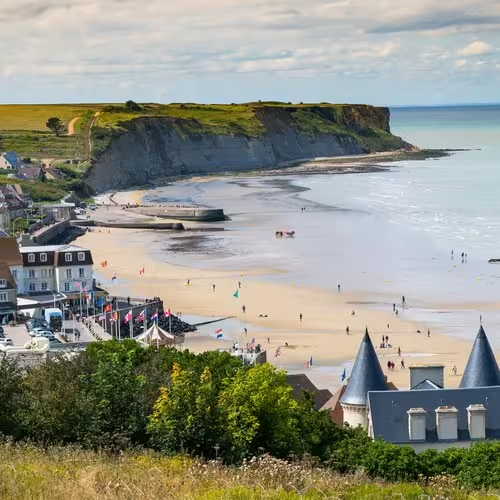
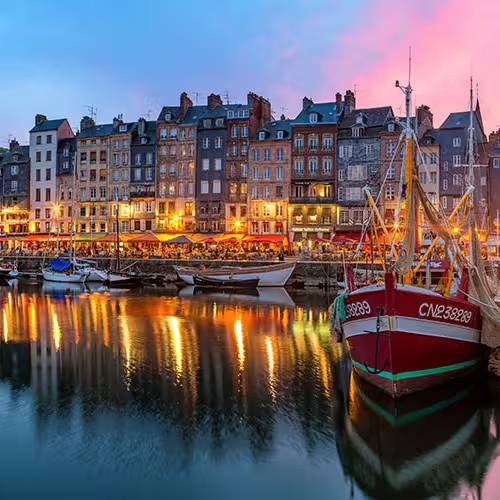
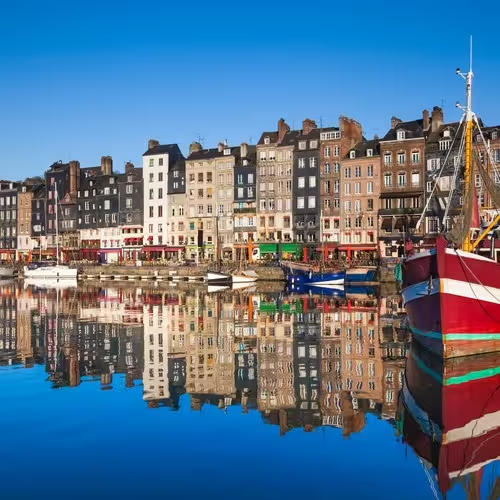
Visitors can stroll along the pebbly beaches, explore the historic port district, or take boat tours of the harbor and coastal cliffs. The city serves as a departure point for Seine Valley cruises and day trips to nearby medieval villages and Abbey ruins.
Architectural Heritage and Modernism
Le Havre stands as a remarkable example of post-war urban planning, with Auguste Perret's concrete masterpiece earning UNESCO World Heritage status. The city's bold architectural vision created a open, light-filled environment that contrasts sharply with traditional French towns.
Le Havre is located on the northern coast of France in the Normandy region, serving as a major Atlantic port city. The city sits at the mouth of the Seine River and offers access to coastal attractions, the Seine Valley, and nearby historical sites within Normandy. Its strategic location makes it an ideal base for exploring both maritime heritage and inland cultural destinations.
Modernist Architecture, UNESCO World Heritage, French Coastal Cities, Normandy Travel, Post-War Urban Design, Maritime Heritage, Atlantic Coast Destinations