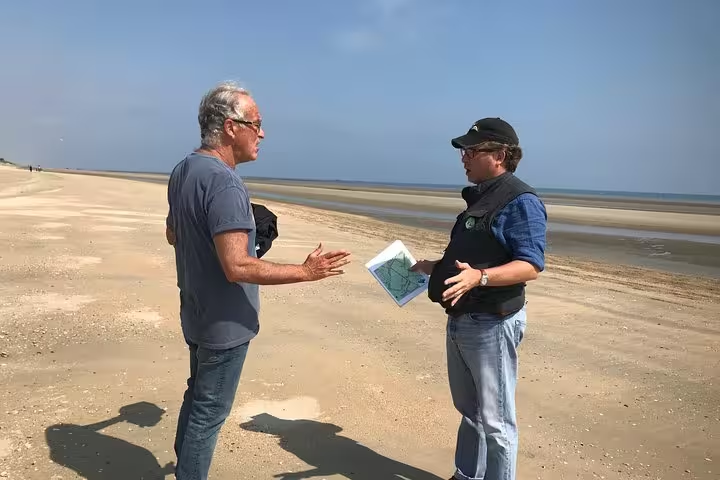
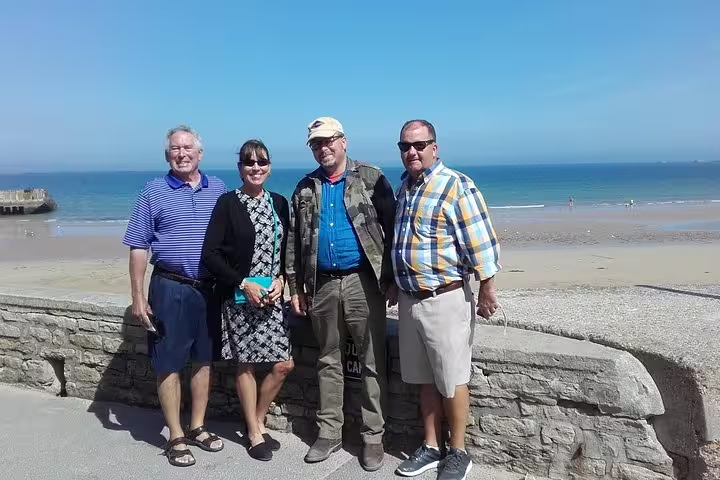
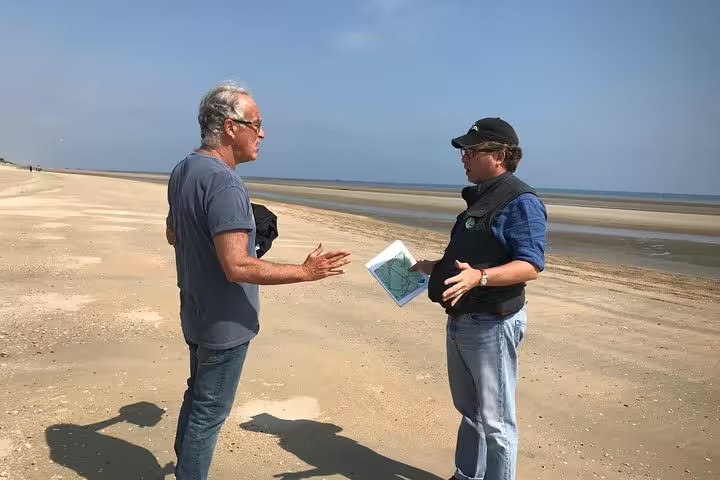
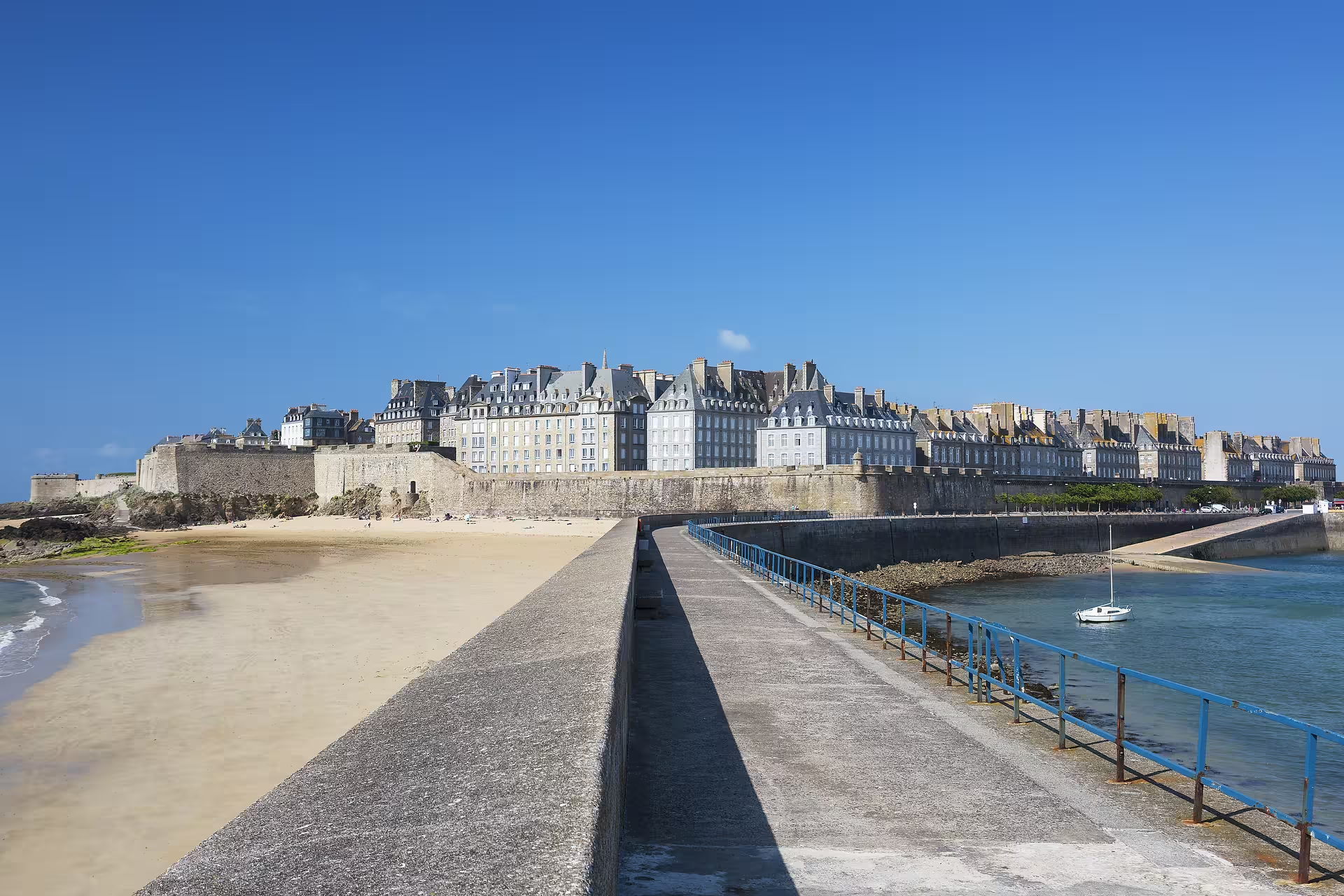
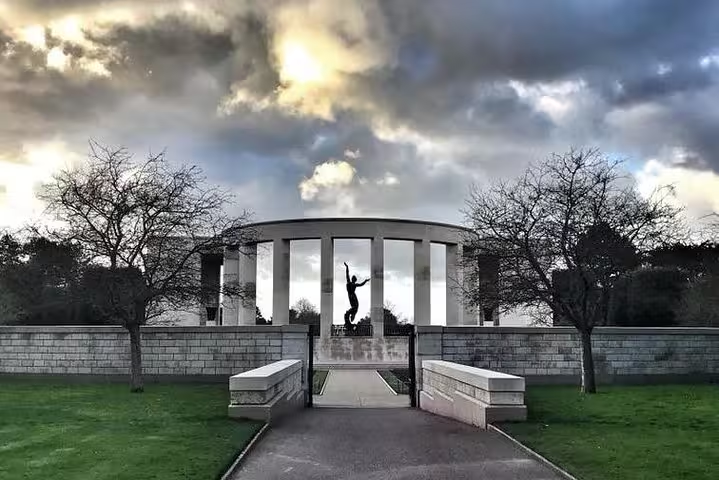
Longues-sur-Mer is a charming coastal village in Normandy, France, perched on dramatic cliffs overlooking the English Channel. This picturesque destination is best known for its World War II German gun battery ruins and stunning seaside landscapes that attract history enthusiasts and nature lovers alike.
What to see in Longues-sur-Mer
The main attraction is the Longues-sur-Mer Battery, a remarkably preserved German coastal defense installation from World War II featuring four gun emplacements and underground bunkers. Visitors can explore the clifftop fortifications while enjoying panoramic views of the Channel and nearby D-Day beaches, making it an essential stop for history buffs exploring Normandy's wartime heritage.
Things to do in Longues-sur-Mer
Visitors can walk the scenic coastal paths that trace the cliffs, offering breathtaking sea views and access to nearby beaches. The location serves as an ideal base for exploring the wider D-Day landing beaches and connecting with guided historical tours that illuminate Normandy's pivotal World War II significance.
Historical Significance of the German Battery
The Longues-sur-Mer Battery remains one of Normandy's most intact German fortifications, providing tangible insight into coastal defense strategies during World War II. The site offers visitors an authentic, on-site experience of military architecture and strategic positioning that shaped the region's wartime narrative.
Longues-sur-Mer is a small coastal commune in the Calvados department of Lower Normandy, located approximately 20 kilometers west of Bayeux and 15 kilometers northeast of Arromanches. The village sits on elevated terrain overlooking the English Channel, positioning it strategically along Normandy's historic coastline. The nearest major city is Caen, approximately 50 kilometers away, making Longues-sur-Mer accessible to visitors exploring the broader D-Day beach region and Normandy's Atlantic coast attractions.
Longues-sur-Mer is renowned as a World War II heritage destination, home to one of the most complete German coastal gun batteries remaining in Normandy. The battery's four gun casemates and fortified bunkers survive as testament to mid-20th century military engineering. The site attracts military history researchers, educational tours, and visitors interested in understanding D-Day invasion context and Axis defensive strategies along the Normandy coast.