Bayahibe: tours, islands and village life
Bayahibe is a municipal district of San Rafael del Yuma in La Altagracia province, with a population of 5,618 in 2022. Bayahibe was founded as a fishing village in 1874 by Juan Brito and his family, who came from Puerto Rico.
Bayahibe tours
Boats bound for Saona Island depart from Bayahibe. The town also provides access to Catalina Island and Cotubanamá National Park. Catalina has an area of 9.6 square kilometres.
Saona Island
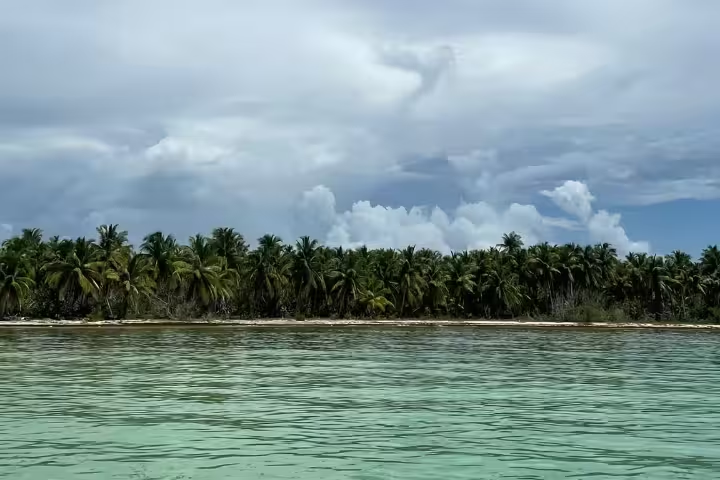
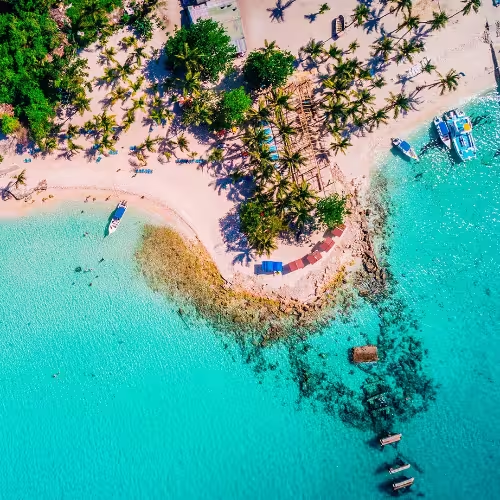
Saona has an area of approximately 110 square kilometres. Saona's main village is Mano Juan, a small fishing settlement. Christopher Columbus reached the island in 1494, on his second voyage, and named it after Savona, the Italian home town of his companion Michele da Cuneo. Sea turtles use Saona as a nesting site. Out in the open sea, the Palmilla Natural Pool consists of a sandbank covered by shallow water.
The Dominican Republic tour with sun, sea and adventure lasts 12 days and includes a professional guide throughout the tour and transport between the destinations on its itinerary. Also included are a guided Saona Island excursion, a guided hike to El Limón Waterfall, a cable car ride at Loma Isabel de Torres in Puerto Plata, a boat crossing of Samana Bay and meals as specified in the daily itinerary.
Things to do in Bayahibe
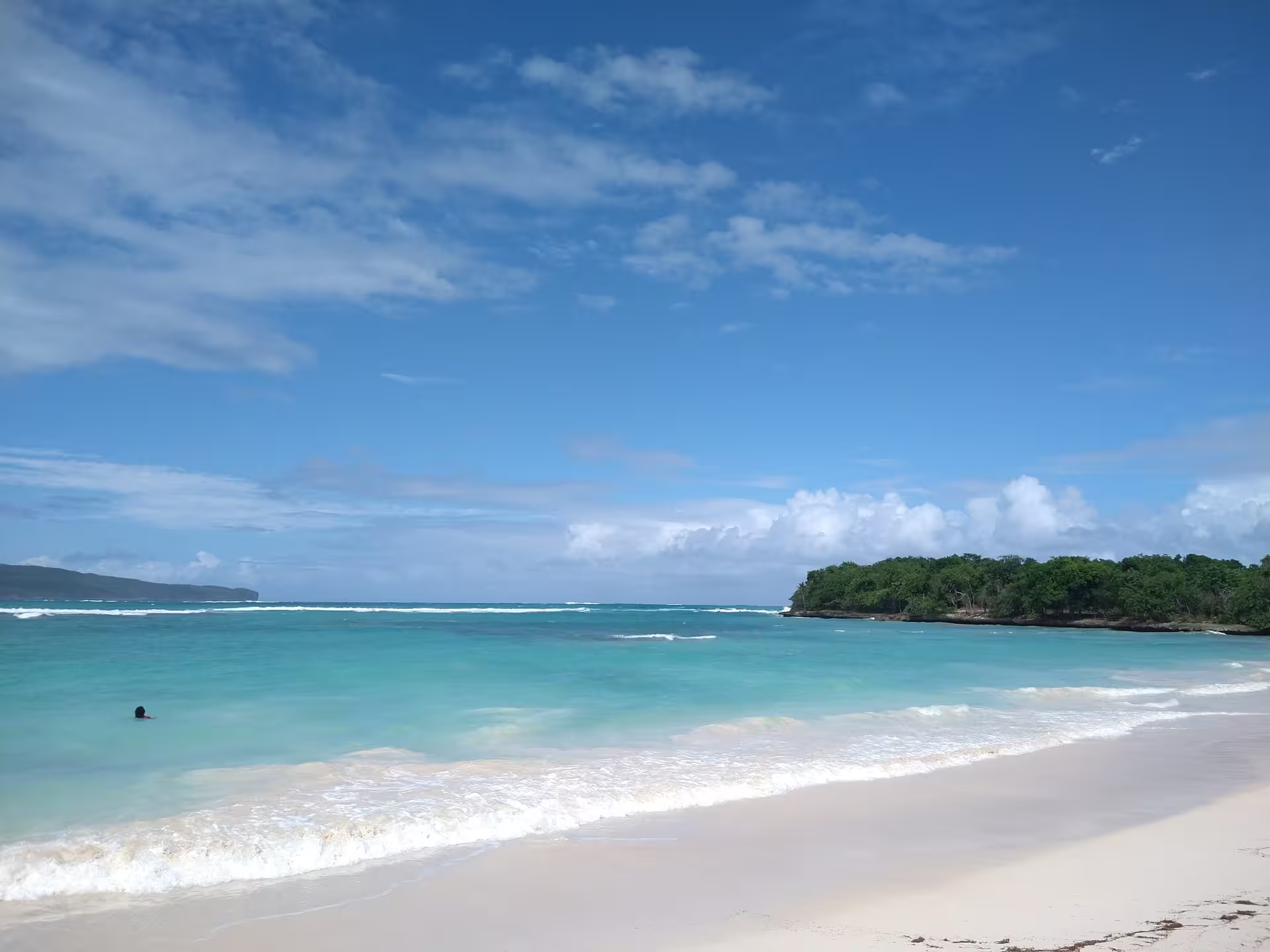
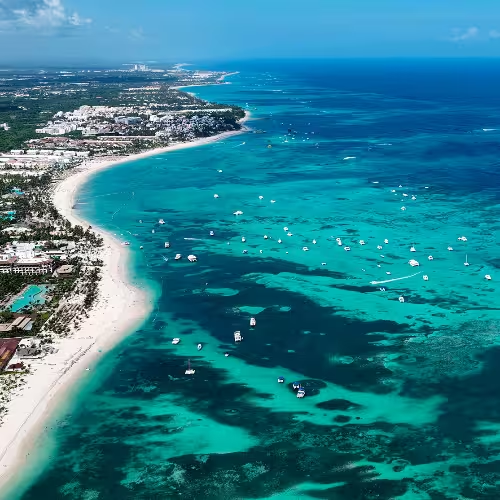
Bayahibe Beach is open to the public. Its white sand is fine, while the water is warm and shallow, with gentle surf. Scuba diving takes place in Bayahibe, with more than 20 officially recognised dive sites nearby. Dominicus Beach is where most of Bayahibe’s hotel complexes offering all inclusive stays are located.
Padre Nuestro Cave is a freshwater cenote within Cotubanamá National Park. The park received its official designation as a National Park and Reserve in 1975 under Decree No. 1311. Its caves held sacred significance for the Taíno. Some 539 plant species grow in the park, about 50 of them endemic to Hispaniola.
Village culture and Dominican food
Restaurants and shops selling artisan goods form part of Bayahibe’s fishing village. The village’s name comes from an indigenous word, although its precise meaning remains uncertain. The Taíno word Baya appears in many names of places in the area.
Dominican cuisine draws on Taíno, African and Spanish traditions. La Bandera Dominicana brings together white rice, beans and stewed chicken, beef or pork. The festive Dominican sancocho de siete carnes uses seven kinds of meat. For Dominican mofongo, fried green plantain is pounded with garlic, olive oil and pork rinds in a pestle and mortar.
Cultural visits
Museums and an amphitheatre are part of Altos de Chavón, a village designed in a Mediterranean style. It has an open-air amphitheatre in classical style that seats 5,000 people. In Santo Domingo, the Colonial Zone holds UNESCO World Heritage status.
The Dominican Republic tour with cultural experiences lasts seven days, with guided visits to landmarks in Santo Domingo’s Colonial Zone, ground transport throughout the itinerary and a local dinner with a cultural experience in Santo Domingo included.
Seasonal weather
In the Bayahibe area, the period from December to April brings drier weather.
Frequently asked questions
Do boats leave Bayahibe for Saona Island?
Yes, Bayahibe is a departure point for boats travelling to Saona Island.
Is Bayahibe Beach public?
Yes, Bayahibe Beach is a public beach with fine white sand and warm, shallow water with gentle surf.
Can you go scuba diving in Bayahibe?
Scuba diving takes place in Bayahibe, and there are more than 20 official dive sites nearby.
What is Padre Nuestro Cave?
Padre Nuestro Cave is a freshwater cenote within Cotubanamá National Park.
When was Bayahibe founded?
Juan Brito and his family, who came from Puerto Rico, established Bayahibe as a fishing village in 1874.