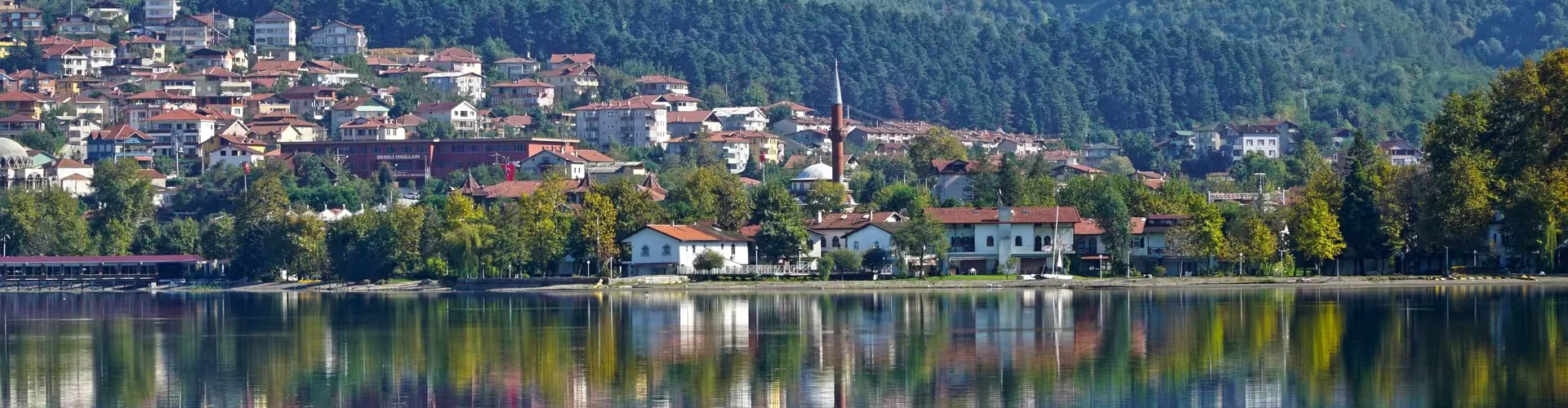
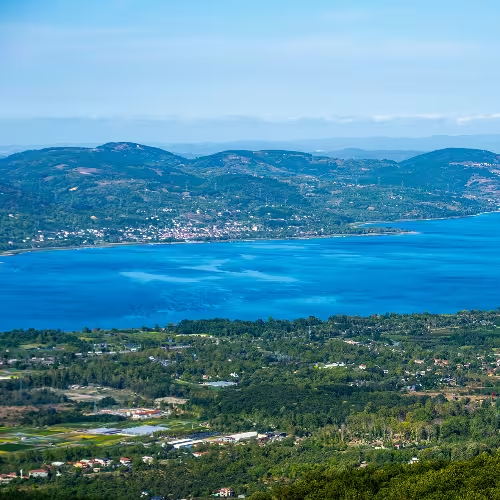
Sakarya Province lies in northwestern Türkiye, where the Black Sea coast meets lush forests and rolling hills. This region blends natural beauty with industrial heritage, offering visitors a distinctive Turkish experience beyond the typical tourist routes. The province is known for its verdant landscapes, riverside charm, and authentic local culture.
What to see in Sakarya Province
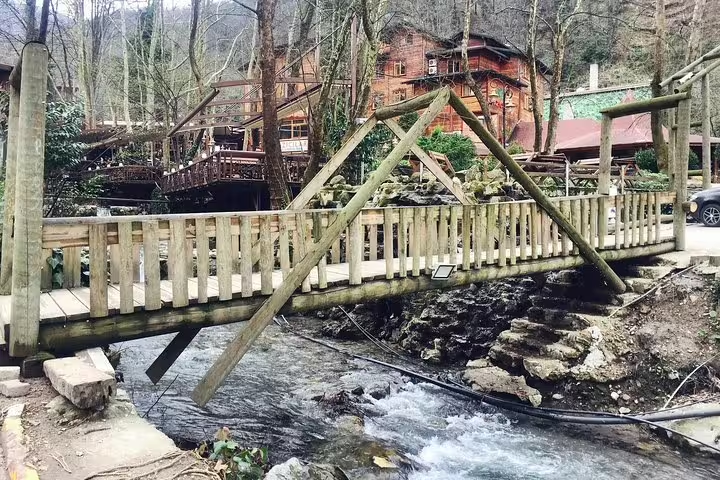
Visitors should explore the historic Sakarya River, which shaped the region's identity and serves as a scenic focal point for outdoor enthusiasts. The coastal town of Adapazarı showcases Ottoman-era architecture and local markets, while nearby nature reserves protect diverse ecosystems. Forest villages and traditional settlements offer glimpses into rural Turkish life.
Things to do in Sakarya Province
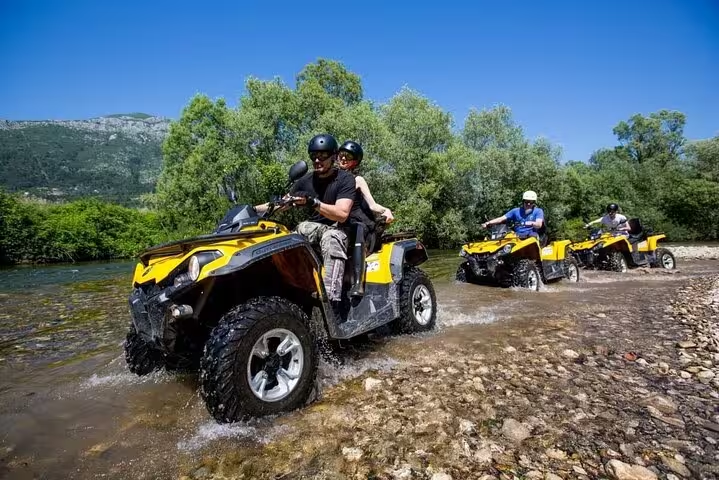
The province invites hiking through dense woodlands, river activities along the Sakarya, and visits to local thermal springs. Travelers can explore traditional crafts in village workshops, enjoy fresh local cuisine at family-run restaurants, and participate in seasonal festivals celebrating regional heritage. Birdwatching and nature photography thrive in the province's protected areas.
Agricultural Heritage and Local Food Scene
Sakarya Province has strong agricultural traditions, with hazelnut cultivation dominating the landscape and economy. The region's food culture celebrates fresh produce, traditional cooking methods, and communal meals, making local markets and farmhouse dining essential experiences for understanding provincial life and flavors.
Sakarya Province is located in the Marmara region of northwestern Türkiye, bordered by the Black Sea to the north and characterized by forested terrain, river systems, and a blend of coastal and inland communities. The province serves as a gateway between Istanbul's urban landscape and Türkiye's pristine natural areas.
Sakarya Province represents authentic, less-commercialized Turkish travel, combining industrial heritage with natural attractions and strong agricultural traditions, particularly hazelnut farming.