Explore Tours

Build your dream
experience

More to know about Canakkale
Canakkale Travel Guide
Snapshot
Canakkale is one of Turkey's most historically layered destinations, sitting at the crossroads of two continents where Europe and Asia face each other across the narrow Dardanelles Strait. This vibrant port city serves as the gateway to the legendary ruins of ancient Troy and the solemn battlefields of Gallipoli, drawing history enthusiasts, culture lovers, and curious travelers from around the world. With a lively waterfront promenade, a thriving student population, and deep roots in both ancient and modern history, Canakkale offers a travel experience that is as intellectually rewarding as it is visually striking.
Geography and Logistics
Orientation
Canakkale sits on the southern shore of the Dardanelles Strait in northwestern Turkey, directly across from the Gallipoli Peninsula. The city center is compact and walkable, with the ferry terminal, clock tower, and main bazaar all within close proximity. The Troy archaeological site lies approximately 30 kilometers to the south, while Gallipoli is accessible via a short ferry crossing to the opposite shore.
When to Go
The best time to visit is between April and June or September and October, when temperatures are mild and crowds are manageable. July and August bring intense heat and peak tourist traffic, particularly around Troy and Gallipoli. The April 25 Anzac Day commemorations draw large international crowds, especially Australians and New Zealanders, so book accommodations well in advance if visiting around that date.
Budget and Currency
Turkey uses the Turkish Lira (TRY). Canakkale is considered a mid-range destination by Turkish standards, with affordable street food, budget guesthouses, and reasonably priced museum entries. Credit cards are widely accepted in hotels and restaurants, but carrying some cash is advisable for markets, local ferries, and smaller eateries.
Essential Things to Do
Ancient City of Troy
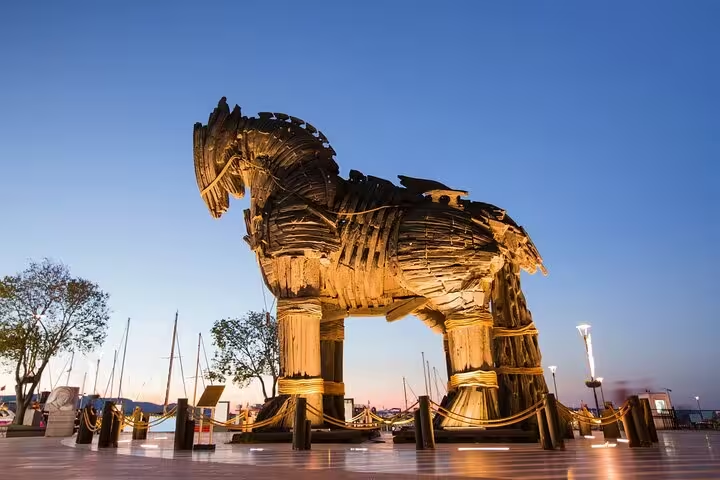
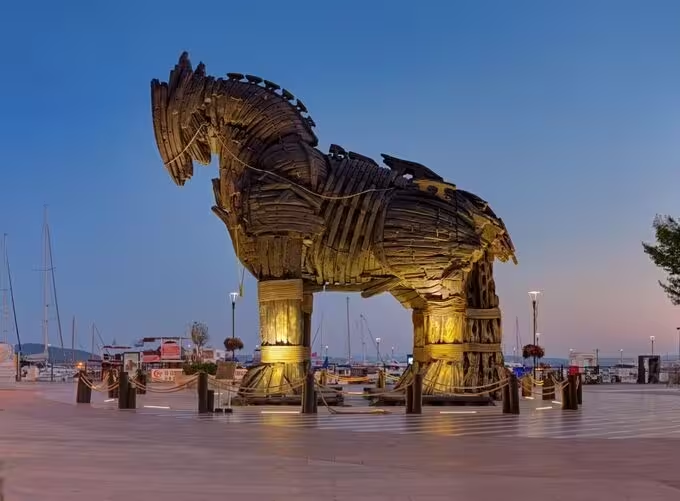
The ancient city of Troy is the single most iconic site in the region, immortalized in Homer's Iliad and Odyssey. The archaeological park contains nine distinct layers of civilization spanning more than 4,000 years, offering a fascinating window into the ancient world. A giant wooden replica of the Trojan Horse greets visitors at the entrance and makes for an unmissable photo opportunity. Practical Tip: Hire a licensed guide at the entrance to fully appreciate the layered history, as signage alone does not convey the depth of the site.
Gallipoli Peninsula Historical National Park
The Gallipoli Peninsula is hallowed ground, home to the battlefields and cemeteries of the catastrophic 1915 World War I campaign. The park contains dozens of memorials, including Chunuk Bair, Lone Pine Cemetery, and the Turkish memorial at Conkbayiri. The landscape itself, rolling hills above the Aegean, adds a haunting beauty to the solemn atmosphere. Practical Tip: A guided bus tour of the peninsula is the most efficient and informative way to cover the major sites in a single day.
Canakkale Archaeological Museum
The Canakkale Archaeological Museum houses an impressive collection of artifacts excavated from Troy and surrounding ancient sites. Exhibits include bronze age pottery, jewelry, coins, and sculptures that span millennia of regional history. The museum provides essential context before or after a visit to the Troy ruins. Practical Tip: Allow at least 90 minutes to explore the collection thoroughly.
Dardanelles Strait Ferry Crossing
Taking the Dardanelles ferry between Canakkale and the Eceabat or Kilitbahir side is both a practical necessity and a scenic highlight. The short crossing offers panoramic views of both European and Asian shores, historic fortresses, and passing cargo ships. At sunset, the strait turns golden and the views are especially dramatic. Practical Tip: Ferries run frequently and are inexpensive. The crossing to Kilitbahir takes only about 15 minutes.
Kilitbahir Castle
Kilitbahir Castle, built by Sultan Mehmed II in the 15th century, stands directly across the strait from the Canakkale city center. The fortress was designed to control passage through the Dardanelles and its strategic placement remains visually impressive today. Visitors can walk the ramparts and enjoy sweeping views of the water and the Asian shore. Practical Tip: Combine a visit here with a stop at the nearby Gallipoli sites to maximize your time on the European side.
Canakkale Clock Tower and Waterfront
The Canakkale Clock Tower, gifted to the city in 1897, is the symbolic heart of the waterfront district. The surrounding promenade, known locally as the Kordon, is lined with cafes, tea houses, and seafood restaurants that buzz with energy in the evenings. Strolling this stretch at dusk, with ferries crossing the glittering strait, captures the easy, sociable rhythm of the city. Practical Tip: Visit on weekday evenings for a more local, unhurried atmosphere.
Cimenlik Castle and Naval Museum
Cimenlik Castle sits at the water's edge in the city center and now functions as an open-air naval museum. The grounds display World War I-era mines, artillery, and a replica of the submarine Nusret, which played a decisive role in the 1915 Dardanelles naval campaign. Entry is affordable and the waterside setting is highly photogenic. Practical Tip: This is an excellent stop for families and military history enthusiasts alike.
Curated Itineraries
The Highlights (1 Day)
Begin the morning with a visit to the Troy archaeological site, arriving early to avoid tour groups. Return to the city for lunch along the waterfront Kordon, sampling fresh seafood or a local kebab. In the afternoon, explore Cimenlik Castle and the Naval Museum, then stroll to the Clock Tower for a tea or coffee as the sun sets over the strait.
Deep Dive (2 to 3 Days)
Dedicate day one entirely to Troy and the Archaeological Museum, taking time to absorb the layers of ancient history. On day two, take the morning ferry to Eceabat and join a guided Gallipoli Peninsula tour, returning to the city by evening. On day three, cross to Kilitbahir Castle in the morning, explore the old bazaar district in the afternoon, and enjoy a farewell dinner of grilled sea bass by the waterfront.
Flavors of Canakkale
Canakkale cuisine reflects the region's coastal geography and agricultural abundance, combining Aegean freshness with hearty Anatolian tradition.
- Kumru: A local sandwich made with a distinctive round sesame roll, filled with sucuk sausage, kashar cheese, tomato, and pickles. This is the city's signature street food and is found at dedicated kumru shops near the waterfront.
- Grilled Sea Bass (Levrek): Fresh fish straight from the Dardanelles, grilled simply with olive oil and lemon. Order it at waterfront fish restaurants in the evening for the best experience.
- Ezogelin Soup: A hearty red lentil soup seasoned with dried mint and red pepper flakes, widely available at local lokantas and ideal for a warming lunch.
- Canakkale Tomatoes: The region's sun-ripened tomatoes are nationally famous for their sweetness and flavor. Look for them at the weekly bazaar or served simply with white cheese and olive oil as a meze.
- Gozleme: Thin savory crepes filled with spinach, cheese, or minced meat, cooked on a griddle and served fresh. Available at market stalls and casual eateries throughout the city.
- Ayran: A cold, salted yogurt drink that pairs perfectly with grilled meats and sandwiches. It is the standard accompaniment to most savory meals in the region.
Navigation and Transport
The city center is compact enough to explore entirely on foot, with the ferry terminal, museum, castle, and Kordon all within a short walking radius. Dolmus minibuses connect the center to Troy and surrounding villages on a regular schedule. For Gallipoli, the car ferry from the main terminal to Eceabat is the standard route, with departures throughout the day. Taxis are metered and reasonably priced for longer in-city journeys. Long-distance buses connect Canakkale to Istanbul, Izmir, and Ankara, with the Istanbul route taking approximately five to six hours.
Beyond the Center: Day Trips
Assos (Behramkale): A scenic hilltop village about 90 kilometers south, featuring a well-preserved Temple of Athena, a charming stone harbor, and boutique hotels. It is one of the most atmospheric ancient sites in the Aegean region.
Alexandria Troas: A largely unexcavated ancient Hellenistic and Roman city located south of Canakkale, ideal for travelers who enjoy off-the-beaten-path archaeological exploration without large crowds.
Bozcaada Island: A small Aegean island accessible by ferry from the nearby port of Yukyeri, known for its vineyards, windmills, Venetian-era castle, and relaxed bohemian atmosphere. A perfect one or two day escape for wine lovers and beach seekers.
Gokceada Island: Turkey's largest island, located in the northern Aegean and accessible via ferry from Kabatepe. It offers unspoiled beaches, traditional Greek-influenced villages, and excellent diving conditions.
Insider Tips for Travellers
- Book Gallipoli tours directly with reputable local operators rather than through large third-party platforms to get smaller group sizes and more knowledgeable guides.
- The weekly Tuesday market near the city center is an excellent place to buy local produce, olive oil, and regional specialties at authentic prices.
- If visiting around April 25 for Anzac Day, accommodation fills up weeks in advance. Book at least two months ahead.
- The ferry to Kilitbahir departs from a separate, smaller dock north of the main ferry terminal. Confirm the correct departure point with your accommodation.
- Many restaurants and cafes along the Kordon close or reduce hours in winter (November to February). Call ahead if visiting outside peak season.
- Bargaining is acceptable and expected at the bazaar but not in restaurants, museums, or fixed-price shops.
- The Troy site can feel sparse without context. Reading a brief summary of the Trojan War mythology before visiting dramatically enhances the experience.
Frequently Asked Questions
- How do I get to Canakkale from Istanbul?
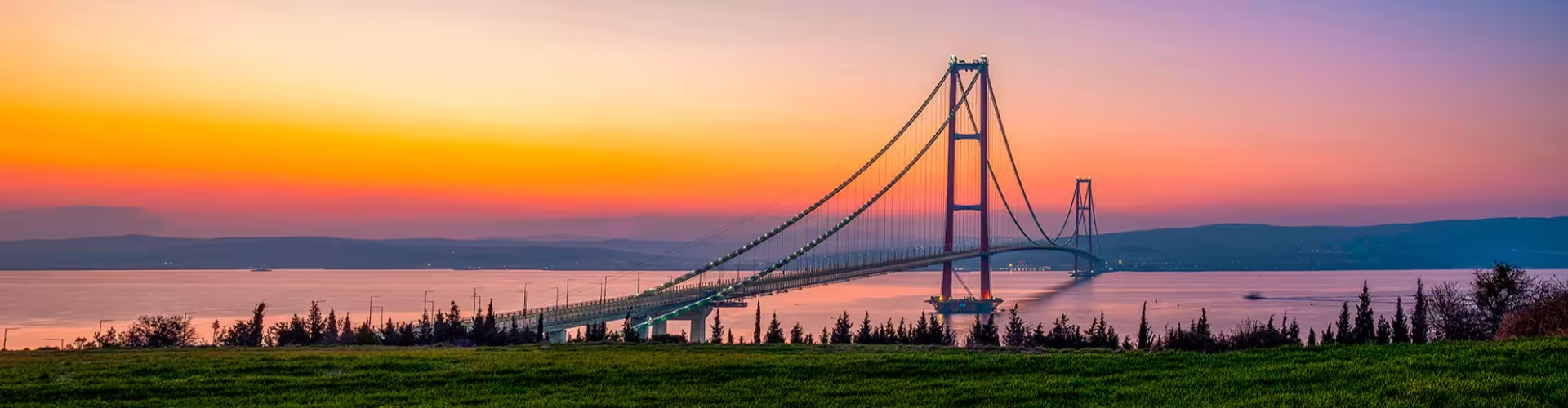
- The most common route is by long-distance bus, which takes approximately five to six hours from Istanbul's main bus terminals. Driving is also straightforward via the E90 highway, with the option of using the 1915 Canakkale Bridge, the world's longest suspension bridge, which spans the Dardanelles.
- Is Troy worth visiting?
- Yes, absolutely. While the ruins themselves require some imagination, Canakkale's Troy site is one of the most significant archaeological locations in the world. With a knowledgeable guide and some prior reading, the experience is genuinely moving and intellectually rich.
- How long should I spend in Canakkale?
- A minimum of two full days is recommended to cover both the Troy ruins and the Gallipoli Peninsula adequately. Three days allows for a more relaxed pace with time for island day trips or exploring Assos.
- What is the best way to visit Gallipoli from Canakkale?
- Canakkale is the most convenient base for Gallipoli tours. Most travelers take the car ferry to Eceabat and join an organized tour from there, as the sites are spread across a wide area and difficult to navigate independently without a vehicle.
- What language is spoken and is English widely understood?
- Turkish is the official language. English is reasonably well understood in hotels, tour operations, and waterfront restaurants, but less so in local markets and smaller eateries. Learning a few basic Turkish phrases is appreciated and goes a long way.
Canakkale is a historically significant city in northwestern Turkey, located on the Asian shore of the Dardanelles Strait. It serves as the primary access point for the ancient ruins of Troy (UNESCO World Heritage Site) and the Gallipoli Peninsula, site of the pivotal 1915 World War I campaign. The city lies at the geographic boundary between Europe and Asia, making it a culturally and strategically unique destination. It is well connected by road and ferry to Istanbul, Izmir, and the Greek Aegean region, and functions as a university town with a lively local culture alongside its role as a heritage tourism hub.
Historic Port City, Archaeological Destination, World War I Heritage, Aegean Turkey, UNESCO-adjacent, Ferry Gateway, Cultural Tourism