Gallipoli

Plan a meaningful trip to Gallipoli with practical logistics, best times to go, essential experiences, itineraries, local flavors, transport tips, day trips, and traveler FAQs.

logoBlack

Build your dream
experience

dreamimg

More to know about Gallipoli


Gallipoli Travel Guide

Gallipoli is a place where coastline, memory, and everyday Turkish life meet on the Dardanelles. Travelers come for the wide sea views, the powerful World War I heritage of the peninsula, and a slower rhythm that feels more local than many headline destinations. This guide focuses on practical planning, meaningful experiences, and how to structure your time so your trip to Gallipoli feels clear, respectful, and rewarding.


Snapshot

Gallipoli balances a reflective, history-forward atmosphere with breezy waterfront moments, cafes, and small-town ease. The signature vibe is coastal and contemplative, with viewpoints and memorial landscapes that invite you to slow down. Go now if you want a destination that can be done as a focused short break, or as a deeper stay paired with nearby Çanakkale and Troy, without the pressure of big-city logistics.


🗺️ Geography and Logistics

📍 Orientation: Where is it within Turkey (Republic of Türkiye) and Türkiye? Name key gateway airports or hubs.

Gallipoli refers to the Gelibolu area and the wider Gallipoli Peninsula in northwestern Türkiye, set along the Dardanelles strait that connects the Aegean Sea to the Sea of Marmara. The closest major hub is Çanakkale, which functions as a regional gateway for the peninsula and the strait. Many travelers also route through Istanbul as the main national transport hub, then continue onward by road and ferry connections in the Marmara and Çanakkale region.

🕒 When to Go: Seasonal breakdown. Weather patterns vs. crowd levels.

For most travelers, late spring and early autumn are the sweet spot for Gallipoli, when daylight is generous and walking outdoors is more comfortable. Summer brings the warmest weather and a livelier coastal feel, but also higher demand for transport and accommodation. Winter can be quieter and more introspective, which suits travelers focused on memorial sites and museum style visits, although wind and rain can make exposed viewpoints feel harsher.

💰 Budget & Currency: Practical money tips, local price levels, and card vs. cash advice.

Türkiye uses the Turkish Lira, and it is smart to carry some cash for small purchases, short taxi rides, and simple local eateries, while keeping a card for accommodation and larger payments. In smaller towns around the peninsula, card acceptance can vary, so a mixed approach reduces friction. Plan your budget around transport, guided touring if you want deeper historical context, and food, which can be a strong value when you choose seasonal dishes and local spots.


⭐ Essential Things to Do

1) Gallipoli Peninsula memorial landscapes
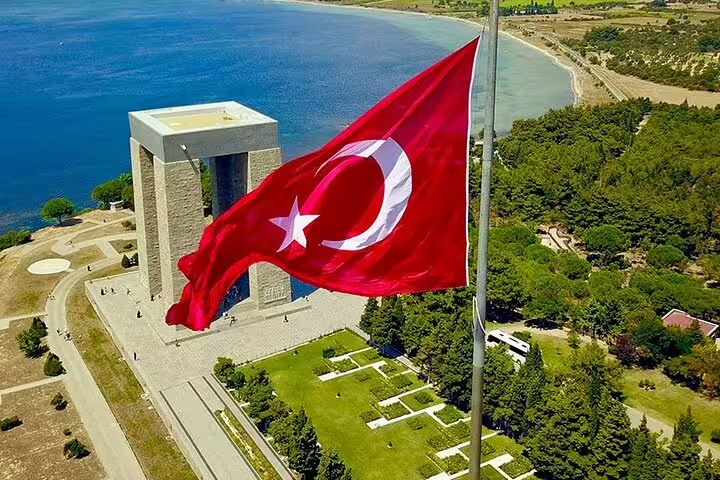
Why it matters: The peninsula is globally significant for its World War I history, and the sites are designed to be visited with care and attention. The terrain itself tells part of the story, with ridgelines, coastal inlets, and open views that help you understand why geography shaped events. Practical tip: Start early to give yourself time for quiet reflection and to avoid rushing between stops.

2) Dardanelles waterfront viewpoints
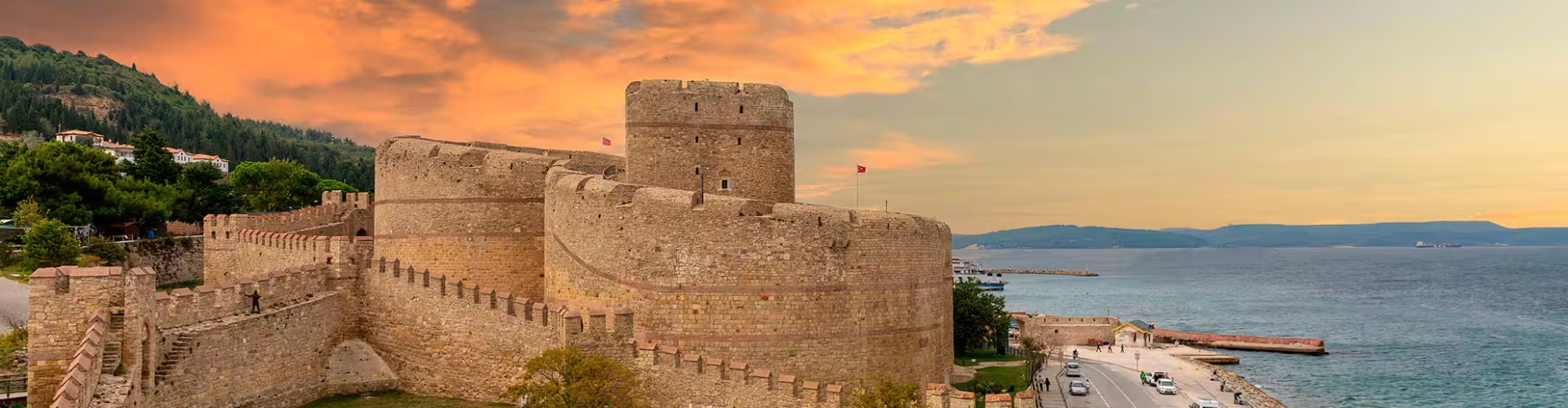
Why it matters: The Dardanelles is the defining natural feature here, and watching ships move through the strait adds a living, present-day layer to a historically famous place. The light changes quickly over the water, which makes short stops surprisingly memorable. Practical tip: Go near sunset for softer light and calmer photos, especially if you enjoy wide seascapes.

3) A history focused day tour
Why it matters: A good guide can connect names, locations, and timelines so the peninsula feels coherent rather than like a set of isolated monuments. Tours are also useful if you prefer not to drive and want a structured route that respects the solemn nature of key sites. Practical tip: Choose a tour that clearly states its route and pacing, and confirm how much walking is involved.

4) Slow walk through local streets and small shops
Why it matters: Beyond the historic narrative, Gallipoli is also a lived-in Turkish town area, and small streets reveal daily routines, tea culture, and a sense of place. This is where you reset between heavier visits and enjoy the coastal tempo. Practical tip: Build in an unplanned hour for a tea stop and a casual browse, it often becomes the most relaxing part of the day.

5) Coastal drive for panoramic stops
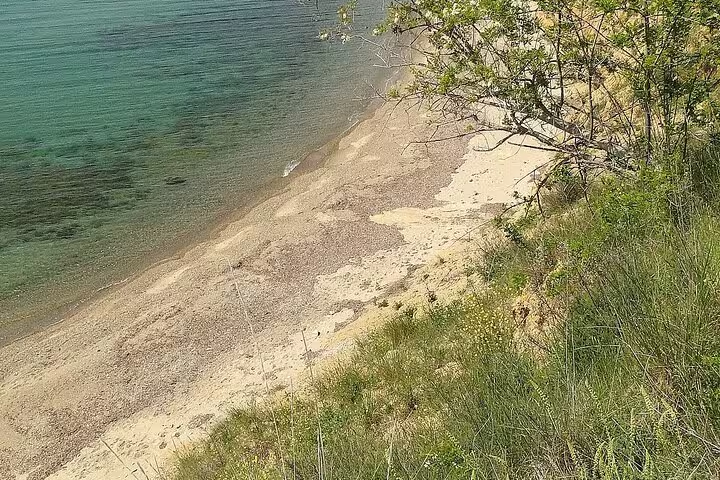
Why it matters: The peninsula rewards travelers who pause often, because viewpoints and changing shorelines provide constant context. A drive also helps you appreciate distances and the scale of the landscape. Practical tip: Keep water and sun protection in the car, and plan short breaks so you do not turn the day into a single long stretch on the road.

6) Reflective photography and journaling time
Why it matters: Many visitors find that the emotional weight of the Gallipoli Peninsula is best processed slowly, not as a checklist. Setting aside time for quiet observation can transform a visit from sightseeing into understanding. Practical tip: Choose one viewpoint and stay longer than you think you need, then move on only when it feels complete.

7) Pair the peninsula with Çanakkale and Troy context
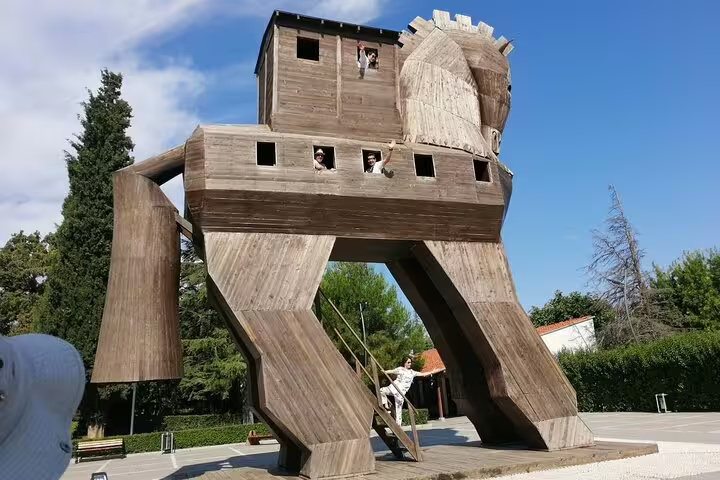
Why it matters: The region is layered, with ancient heritage and modern history close together, which creates a richer narrative for your trip. Connecting the Dardanelles story to nearby archaeological and cultural sites makes the journey feel multidimensional. Practical tip: If you are short on time, prioritize one additional anchor site rather than trying to do everything in a single day.

8) Local seafood focused meal by the water
Why it matters: The coastal setting naturally shapes the food culture, and a simple meal can be a grounding counterpoint to a day of touring. Eating locally also supports smaller businesses in the area. Practical tip: Ask what is freshest that day, and keep the order simple to let ingredients lead.


🚶 Curated Itineraries

⏰ The Highlights (1 Day): A fast-paced “Best Of” route.

Start with an early morning departure so you reach the peninsula before the day feels busy. Spend the first half of the day on the most significant memorial landscapes and viewpoints, moving steadily but leaving space for short moments of silence at each stop. Break for lunch in a local spot, then finish with a Dardanelles waterfront walk to shift the mood from intense to calm. If you have time, end with a golden hour viewpoint for photographs and a final look across the strait.

⏰ Deep Dive (2-3 Days): Adding neighborhood exploration and local secrets.

On day one, focus on the core Gallipoli Peninsula route with a guide or a carefully planned self-drive, then decompress with a relaxed dinner near the water. On day two, slow the pace, revisit one area that felt meaningful, and add time for local streets, tea stops, and unhurried coastal scenery. If you have a third day, connect the region to Çanakkale and the broader Dardanelles narrative, which helps place Gallipoli in a bigger geographic and cultural frame.


🍽️ Flavors of Gallipoli

Seafood plates: Clean, briny flavors that suit the coastal setting, often best when kept simple. Ordering tip: Ask what is freshest today, then choose a straightforward preparation.

Meze selection: Small dishes that can range from tangy and herb-forward to creamy and rich, ideal for sharing. Ordering tip: Pick a mix of textures, then add one seasonal option recommended by the staff.

Grilled meats: Smoky, savory, and satisfying, often paired with bread and simple sides. Ordering tip: If you are unsure, ask for a house specialty and share it family-style.

Soup: Comforting and practical, especially on cooler or windy days along the strait. Ordering tip: Start with soup when you want a lighter meal that still feels complete.

Turkish tea: Strong, warming, and part of the daily rhythm, perfect for a pause between sites. Ordering tip: Take it slow, and treat tea time as a reset rather than a quick drink.

Turkish coffee: Intense and aromatic, usually served in small cups and enjoyed slowly. Ordering tip: If you prefer less sweetness, specify your sugar preference when you order.


🚌 Navigation & Transport

Getting around Gallipoli and the peninsula is easiest when you plan for a mix of walking and vehicle transport. Town areas can be explored on foot, especially waterfront stretches and compact streets, while the memorial landscapes are spread out and typically require a car, a tour vehicle, or pre-arranged transport. If you are driving, take care on coastal and rural roads, and allow extra time for viewpoint stops and respectful pauses at memorial sites. For accessibility, note that some locations may involve uneven ground or inclines, so it helps to confirm walking distances if mobility is a concern.


🌄 Beyond the Center: Day Trips

Çanakkale: A natural regional base with strong Dardanelles context and transport connections. Travel time depends on your exact starting point and route, but it is commonly paired with peninsula visits for a fuller picture.

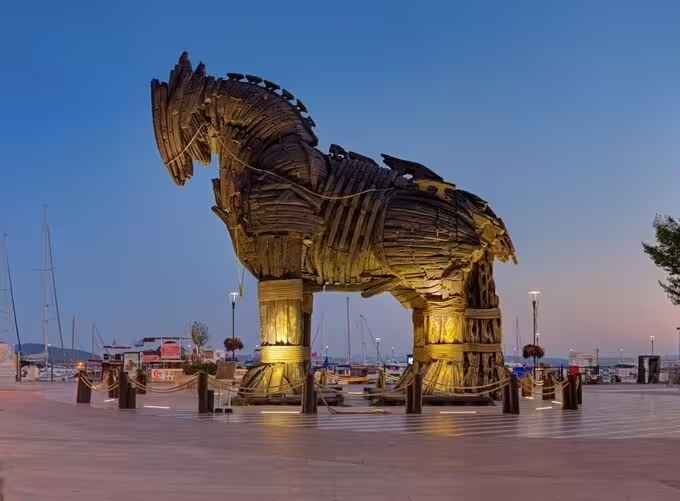
Troy (Truva): A legendary archaeological destination that adds ancient depth to a trip focused on modern history. Plan time for a thoughtful visit rather than a quick stop.

Istanbul: A major hub that many travelers use before or after Gallipoli, offering museums, waterfront districts, and layered history. It is best treated as its own chapter of the trip rather than a rushed add-on.

Aegean coast stops: If your route continues south or west, coastal towns can provide a lighter, beachier counterbalance to the reflective tone of the peninsula. Choose one place to avoid spending your day in transit.


✅ Insider Tips for Travelers

  • Approach memorial areas with quiet respect, and keep voices low, especially near ceremonies or groups paying tribute.
  • Start early to reduce time pressure, and to experience key viewpoints in softer light.
  • Bring water, sun protection, and a light layer, coastal wind can change how the temperature feels.
  • If you prefer structure, book a guided day that clearly lists stops and the amount of walking.
  • Build in decompression time after the most emotionally intense sites, a waterfront walk often helps.
  • Carry some cash for small purchases, and keep a card for larger payments.
  • Do not try to cover every site in one rush, choose fewer places and spend longer at each.

❓ Frequently Asked Questions, FAQ

Is Gallipoli best visited as a day trip or an overnight stay?
A day trip works if you focus on the essential memorial landscapes and a few viewpoints. An overnight stay gives you a calmer pace and time to process the experience without feeling rushed.

How do I get around the Gallipoli Peninsula?
Many key sites are spread out, so a car or guided tour is often the most practical option. You can still enjoy town areas on foot, especially for waterfront walks and meals.

When is the best season to visit Gallipoli?
Late spring and early autumn are often the most comfortable for outdoor touring, with fewer extremes in weather. Summer can be lively but may require more advance planning for transport and lodging.

Do I need cash in Gallipoli, or can I pay by card?
It is wise to carry some Turkish Lira for small eateries and quick purchases. Cards are useful for accommodation and larger payments, but acceptance can vary in smaller places.

What should I pack for a day of visiting memorial sites?
Bring water, sun protection, and a light layer for coastal wind. Comfortable shoes help because some areas can involve uneven ground and longer walks.