Last updated:


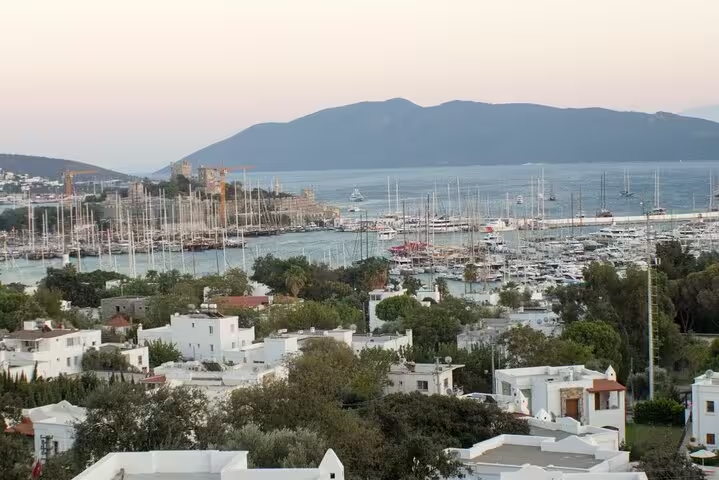
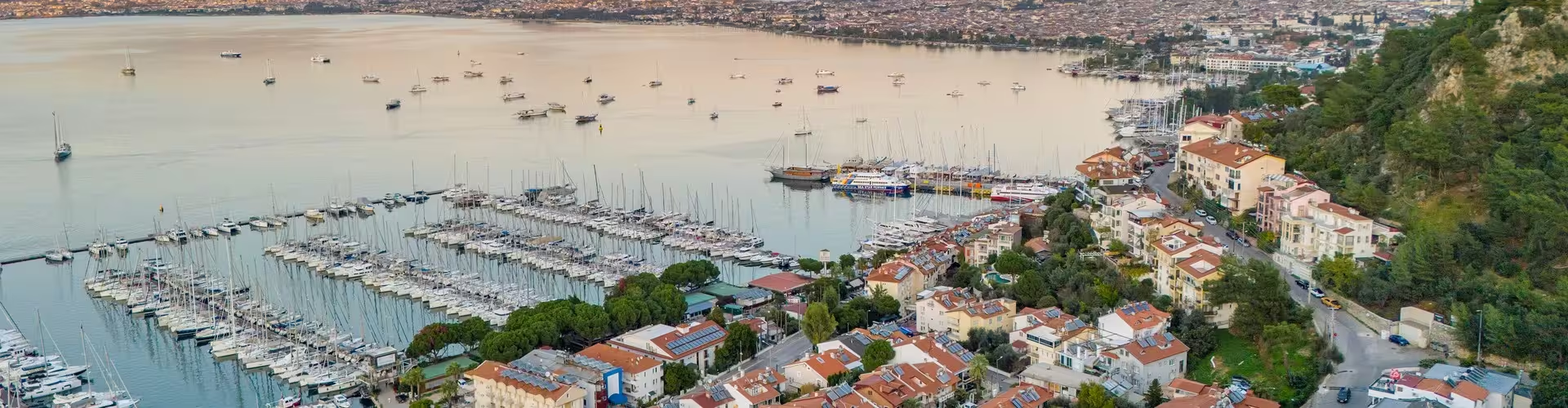
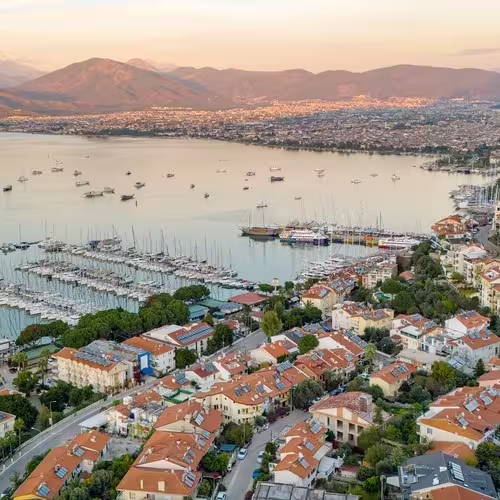
Bodrum suits a trip built around history and the sea: its port sits at the mouth of the Gulf of Gökova, and its castle houses an underwater archaeology museum. The town and district belong to Muğla Province in Turkey; Halicarnassus was its ancient name.
The castle and its museum give a history visit its focus, followed by the surviving traces of Halicarnassus. Built early in the 15th century by the Knights Hospitaller, Bodrum Castle brings together ancient remains, buildings from the knights’ period and Ottoman additions. The English Tower, completed around 1413 and carved with the arms of King Henry IV of England, houses an exhibition on the Knights Hospitaller.
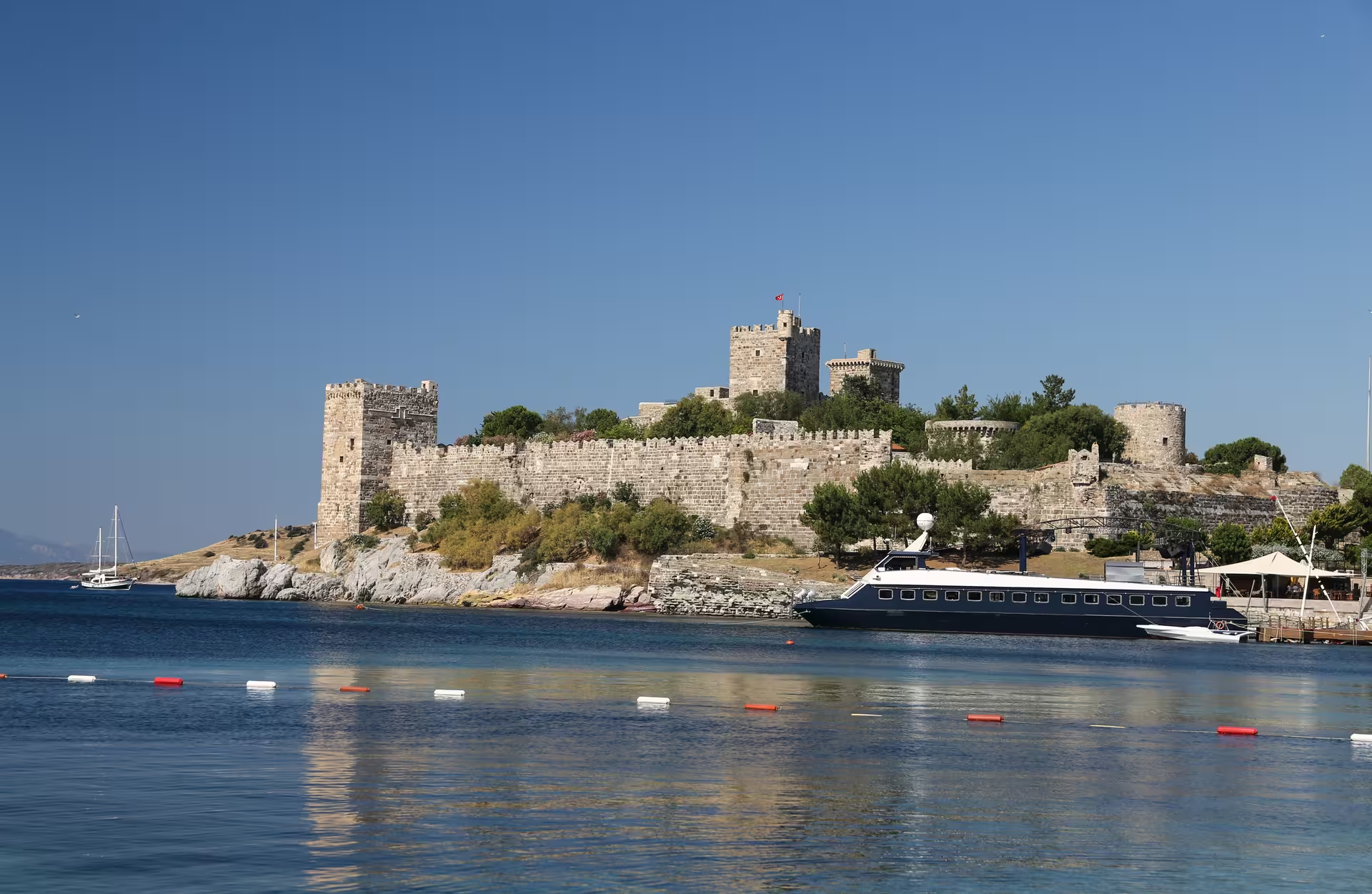
Inside the castle, the Bodrum Underwater Archaeology Museum spreads its displays across 14 halls. The Uluburun wreck belongs to the Late Bronze Age, dating to the 14th century BC. The Serçe Limanı vessel sank around 1025, and roughly three tonnes of glass, broken and intact, were recovered from it.
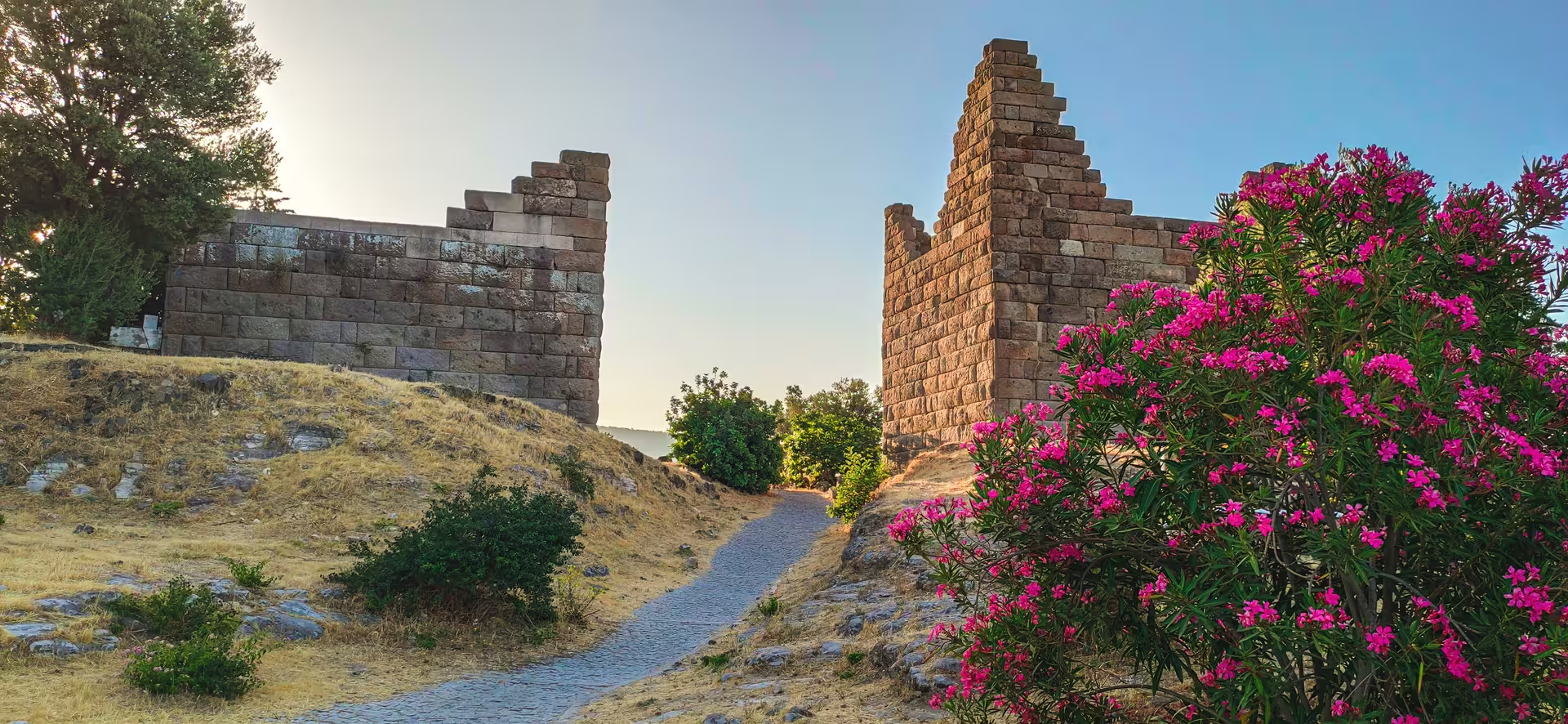
For the ancient city, expect foundations and a small museum at the Mausoleum site. Pieces of the monument became building material for Bodrum Castle, linking these visits through the materials themselves. Myndos Gate adds another surviving element of Halicarnassus: it was among the ancient city’s two monumental gateways.
Three days would let you divide your visit between the castle and museum, ancient Halicarnassus, and Gümüşlük. Give the castle and its 14 exhibition halls the first day, then spend the second on the Mausoleum site and Myndos Gate. Leave the third for Gümüşlük, where ancient remains and beachfront seafood restaurants give the day a different focus.
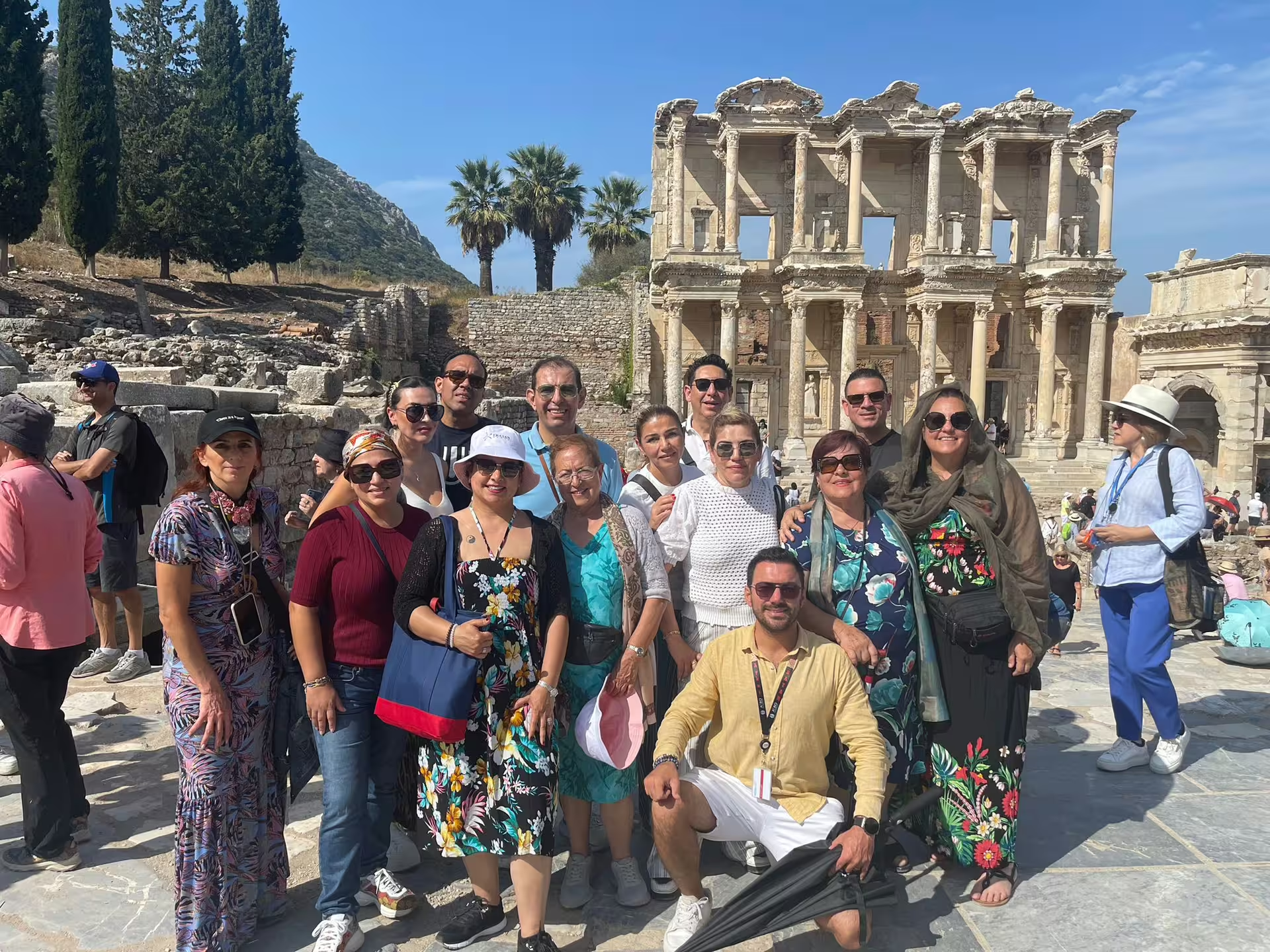
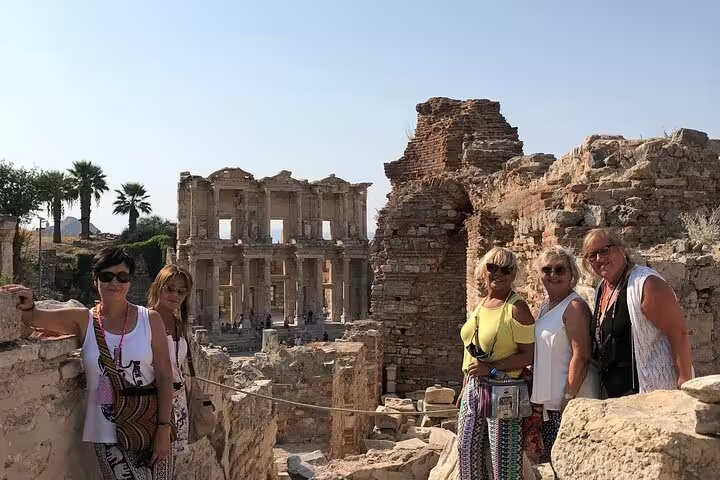
An Ephesus excursion calls for a separate day in that plan. The full-day guided tour from Bodrum to Ephesus and the House of Mary lasts 10 hours and includes an air-conditioned vehicle with driver, a licensed professional guide, entry to Ephesus and the Terrace Houses, visits to the House of Mary and Temple of Artemis site, a carpet cooperative demonstration and a traditional Anatolian lunch. The private guided tour from Bodrum to Ephesus and the Terrace Houses lasts 7 hours, including a private licensed professional guide, a private air-conditioned vehicle with driver and a traditional lunch at a local restaurant.
Late spring and early autumn (April to June, September and October) suit most visits, with warm weather for sightseeing and the sea. Summer brings strong heat, sunshine and crowds; winter is mild but rainy, and many hotels and restaurants close for the season. Bodrum’s Mediterranean climate brings very hot summers with generally sunny weather, while winter stays mild and humid.
For travel beyond Bodrum, a boat can take you to Kos across 20 km of the Aegean Sea. For air arrivals, the airport serving Milas and Bodrum handles domestic and international flights and lies 36 km northeast of Bodrum.
Gümüşlük is worth considering as a base if beachfront seafood meals and ancient remains are your priorities. It lies at the western tip of the peninsula, away from the castle and the town centre. This Bodrum neighbourhood occupies the remains of ancient Myndos, with ruins visible in the shallow water and beachfront restaurants serving fresh fish and seafood.
The castle grounds extend over 33,000 square metres.
The French Tower in Bodrum Castle reaches 47 metres above sea level.
The underwater finds in the collection span the period from the 16th century BC to the 16th century AD.