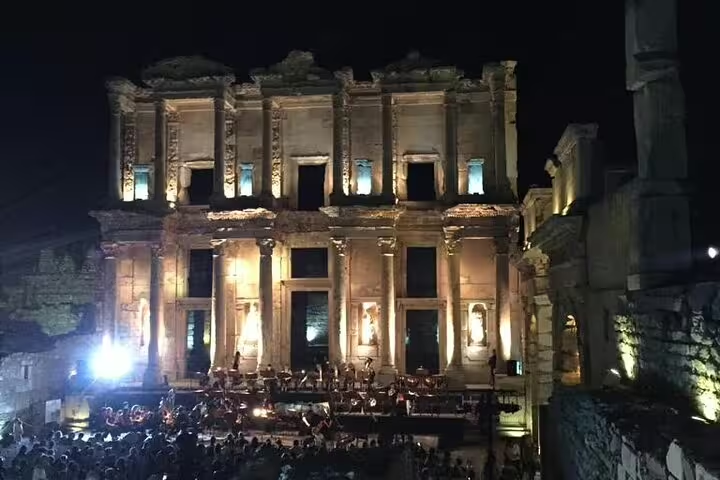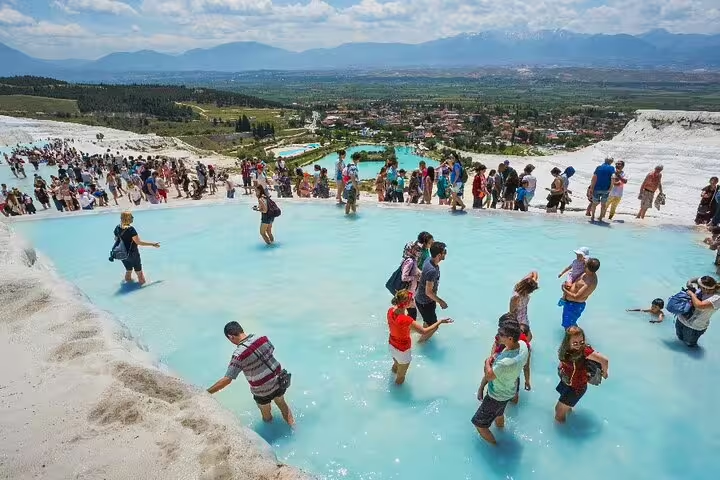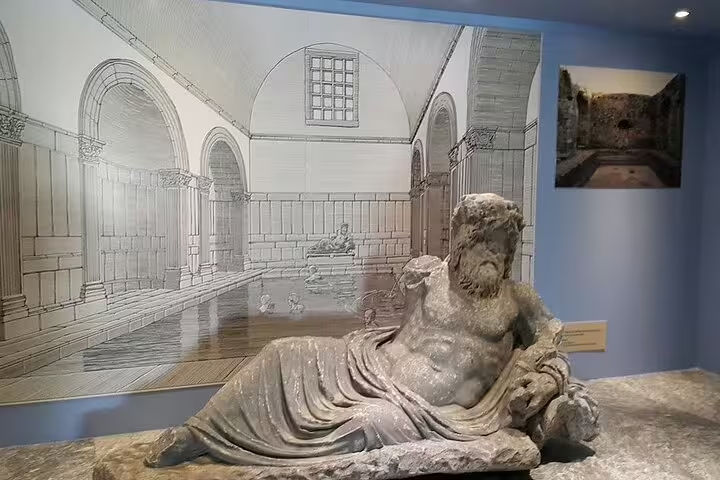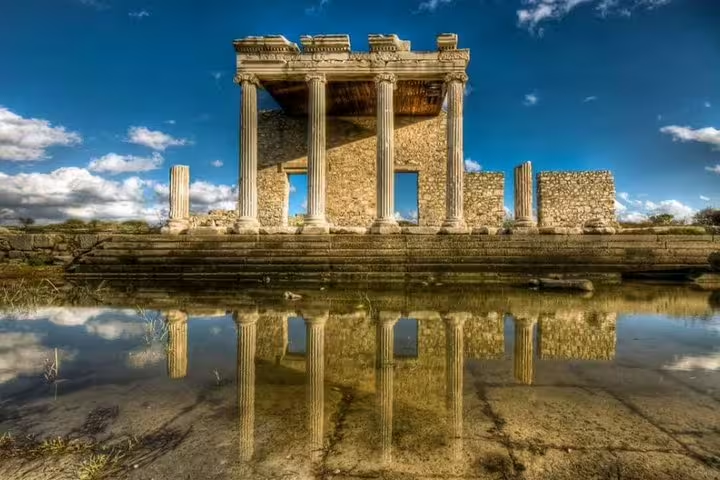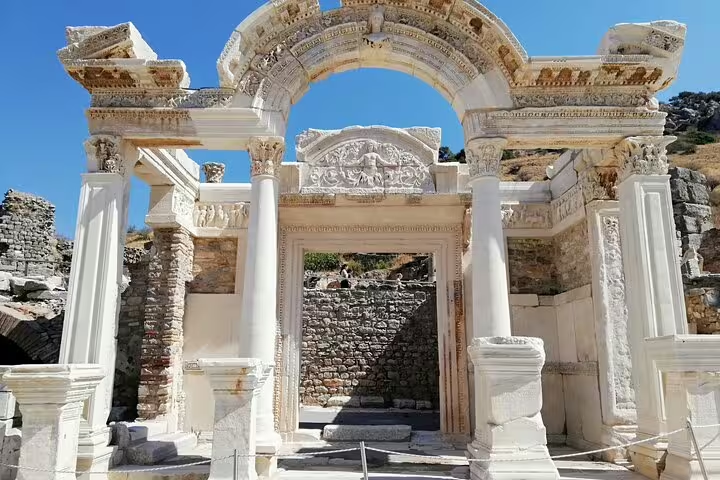



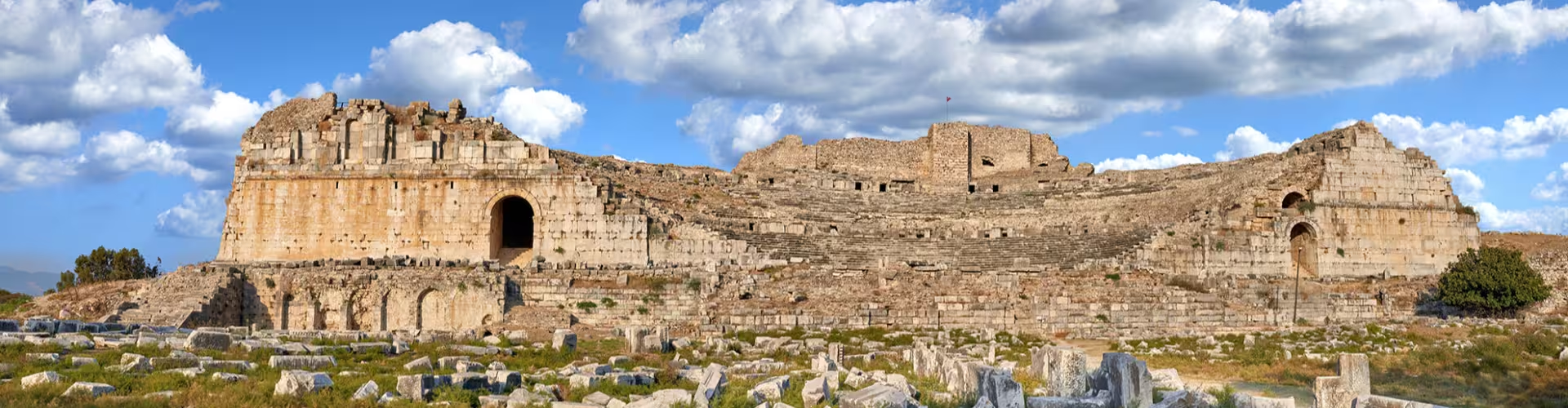


Miletus is one of the Aegean coast’s most atmosphere rich ancient cities, a place where monumental ruins sit in a wide, sunlit landscape that still feels connected to sea routes, trade, and ideas. The experience is spacious rather than crowded, with big sightlines, dramatic stonework, and a sense of walking through layers of history at your own pace. This guide focuses on how to plan a smooth visit, what to prioritize on site, and how to connect Miletus with nearby highlights in the region.
Miletus has a bold, open air vibe, think grand ruins, big skies, and a calm pace that rewards unhurried exploration. It is a strong choice when you want a high impact ancient site without the feeling of a tightly packed attraction. Go with a plan, comfortable shoes, and time to pause, because the scale of the place is part of what makes it memorable.
Miletus is in Türkiye’s Aegean Region within Aydın Province, positioned among a dense cluster of classical era sites that make this part of the country ideal for a multi stop itinerary. In practical terms, travelers often combine it with other nearby archaeological areas and coastal towns, using regional road connections to move between sites. If you are mapping a route, treat Miletus as a key anchor for an Aydın Province loop that also includes other well known heritage stops.
The Aegean region is defined by hot, bright summers and milder shoulder seasons, which affects both comfort and how long you will want to stay outdoors. For many travelers, spring and autumn feel easiest for extended walking and photography because the light is still excellent and the heat is less intense. Summer can be rewarding if you plan for earlier starts, longer breaks, and plenty of water, since the site experience is largely exposed.
Türkiye uses the Turkish lira, and it is smart to carry some cash for small purchases and rural stops, even if you prefer paying by card in larger towns. Expect a generally good value destination compared to many European heritage circuits, especially if you build your days around archaeological visits and simple local meals. Keep a flexible buffer for transport, since costs can shift depending on whether you are self driving, hiring a driver, or joining a guided day tour.
Explore the ancient city remains. The core draw of Miletus is the feeling of moving through a real urban footprint, not a single monument, with ruins that hint at civic life, trade, and public gathering. Give yourself time to walk slowly and look for how spaces relate to each other, because scale and layout are part of the story. Practical tip: bring sun protection and water, and plan short pauses so you do not rush the most photogenic viewpoints.
Prioritize the theater. Ancient theaters are often the emotional high point of a visit, and here it helps you understand how public performance and civic identity were woven together. Sit for a moment and imagine sound carrying across stone seating, then walk different angles to see how the architecture frames the landscape. Practical tip: visit earlier in the day for softer light and fewer people in your photos.
Walk the main streets and civic areas. What makes Miletus distinctive is the sense of an organized city, so moving along the primary routes helps you visualize daily rhythms. This is where the site shifts from “ruins” to “place,” especially if you pay attention to thresholds, open squares, and the way stonework guides movement. Practical tip: use a simple site map or offline notes so you can connect what you are seeing to the broader layout.
Look for details in stonework and inscriptions. Even without reading every fragment, you can spot craftsmanship, repairs, and reused materials that show how the city changed over time. Small details often become the most memorable souvenirs because they feel personal, like discovering a carved edge or an unexpected pattern. Practical tip: bring a small binocular or use your phone camera zoom to examine high or distant details without climbing or stepping off paths.
Plan a combined day with nearby heritage sites. The wider Aydın Province area is rich in archaeology, and Miletus pairs naturally with other stops for a full day of history. This approach also helps with pacing, since you can alternate between walking intensive ruins and shorter, focused visits elsewhere. Practical tip: keep your schedule realistic, and avoid stacking too many large sites back to back if you are traveling in summer heat.
Photograph the site with a storytelling approach. Instead of only taking wide shots, capture sequences, an entry view, a path, a detail, and a final panorama, to recreate your route later. The open terrain around Miletus makes it especially good for scale shots that include people for perspective. Practical tip: carry a lens cloth, since dust and glare can soften images in bright conditions.
Consider a guided visit for historical context. A guide can help you connect what you see to the city’s wider cultural role in the ancient world, including how ports, roads, and civic spaces shaped influence. This is useful if you want more than a visual experience and prefer structured interpretation. Practical tip: if booking a guide, share your interests in advance, such as architecture, daily life, or ancient urban planning, so the tour matches your curiosity.
Start early and focus on the biggest architectural landmarks first, when the light is softer and your energy is highest. Spend the middle of your visit walking the primary routes and pausing at key civic spaces, using a simple plan so you do not miss the most important viewpoints. Finish with slower exploration and photography, then leave time to transition to a nearby town for a relaxed meal and a break from the sun.
On day one, do a structured circuit of Miletus with a focus on orientation, major monuments, and the overall city plan. On day two, revisit with a theme, such as architecture details, panoramic photography, or a deeper look at how public spaces connect, then add a second heritage stop in the region to compare styles and scale. If you have a third day, keep it lighter, pair a shorter archaeological visit with a coastal or countryside break, and build in time for long meals and unhurried driving between stops.
Meze spreads. Small plates can include tangy, herby, and olive oil forward flavors that suit the Aegean style of eating, light but satisfying. Ordering tip: ask for a mixed selection and pace it slowly, it is meant to be shared.
Seafood. Along the Aegean, seafood often leans toward clean, simply seasoned preparations that highlight freshness. Ordering tip: choose what is local and in season, and pair it with a simple salad for balance.
Kebabs and grilled meats. Expect savory, smoky notes and filling portions, especially welcome after a long walking day at the ruins. Ordering tip: if you want variety, ask for a mixed grill and share.
Gözleme. This thin, pan cooked flatbread is comforting and practical for travelers, often filled with cheese, greens, or potato. Ordering tip: it can be a great midday option when you want something quick before continuing your itinerary.
Çay. Turkish tea is part of the rhythm of travel, a small pause that resets your day between drives and site walks. Ordering tip: take it after a meal or during a break, and treat it as a moment to plan your next stop.
Turkish coffee. Rich and intense, it is ideal when you want a slow sip and a strong finish to lunch. Ordering tip: if you do not like sweetness, specify your preference when ordering.
Getting around Miletus and the surrounding Aydın Province area is often easiest with a car, since archaeological sites are spread out and public transport may not align with sightseeing timing. Walking is essential once you are on site, so prioritize sturdy footwear and plan for uneven ground and long, exposed stretches. If you rely on taxis or a private driver, confirm the return plan before you start exploring, and keep offline notes of your pickup point in case mobile coverage is limited.
Didyma. Often paired with Miletus, this is a high value addition for travelers who want another major ancient site experience in the same regional arc. Travel time depends on your route and base, but it is commonly done as part of a single day loop. Primary reason to visit: a contrasting monumental atmosphere that complements your understanding of the area’s classical heritage.
Priene. This nearby ancient city adds variety, especially if you are interested in how different settlements used terrain and planning. Travel time varies by starting point, and it is typically combined with other sites in a multi stop day. Primary reason to visit: a different perspective on ancient urban form and setting.
Kuşadası. A coastal town that works well as a base or a decompression stop after heavy sightseeing days. Travel time depends on where you are staying, and it is straightforward by road. Primary reason to visit: seaside energy, dining options, and an easy change of pace.
Selçuk and the Ephesus area. If you have time for a bigger headline site, this region is one of the most significant classical era destinations in Türkiye. Travel time varies, and it can be a full day depending on your pace. Primary reason to visit: a world class concentration of ruins and museum style context that deepens your overall trip.
Start with the major landmarks, then walk the main routes to understand the city layout. Leave time for photography and short breaks, since the site is large and mostly outdoors.
Many travelers plan a half day to a full day depending on pace and interest in details. If you want a more relaxed experience, combine Miletus with a second nearby stop rather than rushing multiple big sites.
Shoulder seasons are often more comfortable for long walks and extended exploring. Summer can still work well if you start early, take breaks, and plan for heat and sun exposure.
A car is often the easiest option because sites in the region are spread out. If you use taxis or a private driver, confirm your return plan before you begin exploring.
Yes, Miletus is commonly paired with nearby archaeological stops for a full day route. Keep your schedule realistic, and avoid stacking too many long walking visits back to back.