


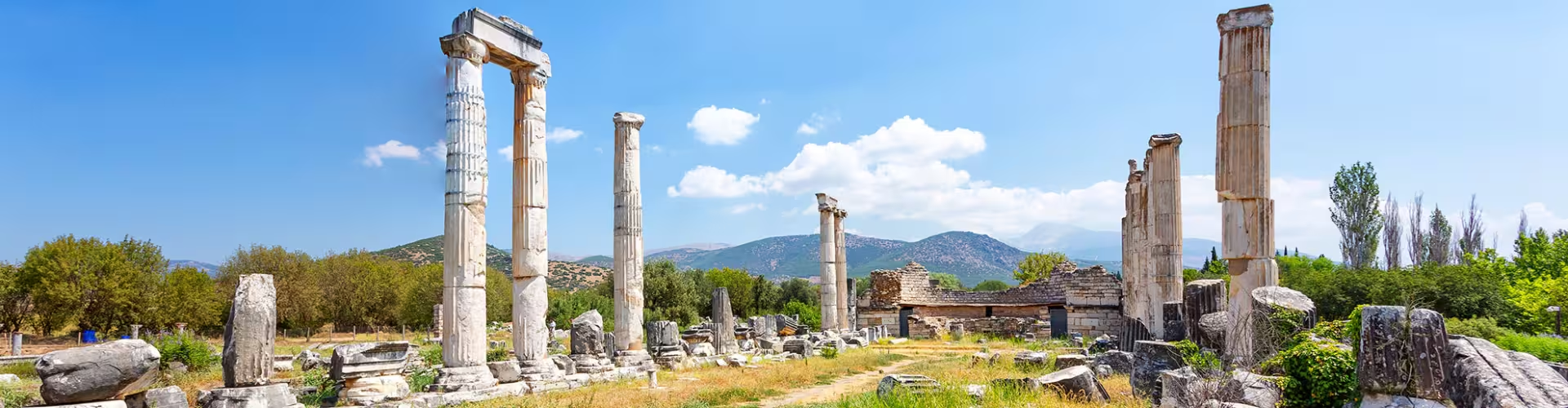


Didyma is one of the Aegean coast’s most atmospheric stops for travelers who want ancient grandeur without the pressure of a big city itinerary. The destination is best known for its monumental sanctuary culture and the sense of scale you feel as you move through its stonework and open skies. Use this guide to plan a smooth, practical trip that balances history, coastline energy, and easy connections across Aydın Province and the wider Aegean Region.
Didyma delivers a distinct mix of sacred history and laid back Aegean pacing, where big ruins and bright coastal light shape the day. It is ideal for travelers who want a high impact cultural visit that still leaves time for long meals and shoreline views. Go now if you want a destination that feels iconic yet manageable, with flexible routing to other Aegean highlights.
Didyma sits in Türkiye’s Aegean Region within Aydın Province, a part of the country known for classical heritage, coastal towns, and summer resort rhythms. For most travelers, the practical gateways are the regional airport hubs serving the Aegean coast and the larger intercity bus network that links Aydın Province with nearby provinces and major cities. Plan your arrival around the transport style you prefer, flight plus road transfer for speed, or bus connections for budget control and flexible timing.
The Aegean coast generally runs on a clear seasonal pattern. Warmer months bring stronger beach energy and higher visitor volumes, while shoulder seasons are often favored for comfortable walking conditions and a calmer pace at major sites. In cooler months, expect a quieter feel, shorter daylight, and a more local rhythm, which can be excellent if your priority is photography, unrushed exploration, and dining without queues.
Türkiye uses the Turkish lira, and travelers typically find that having both card access and some cash improves day to day convenience. Use cards for larger payments when possible, and keep cash for small purchases, local transport needs, and quick snacks. A simple budgeting approach is to separate your spending into transport, meals, and site visits, then add a buffer for spontaneous stops, especially if you plan to combine Didyma with nearby coastal towns.
Explore the Temple Sanctuary Atmosphere
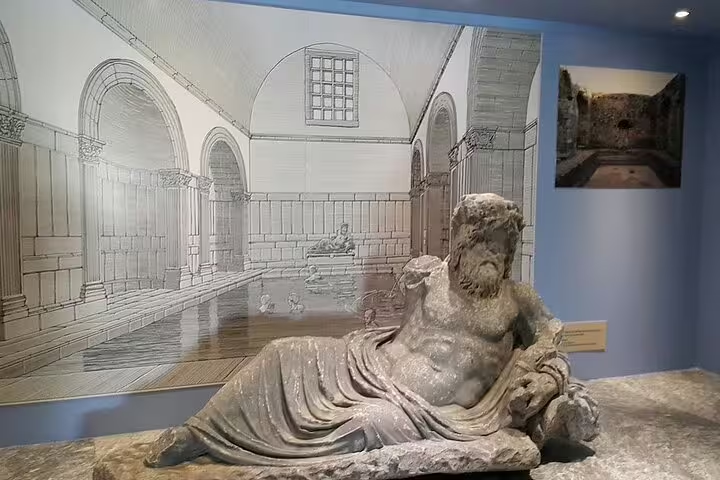
The signature experience in Didyma is the feeling of stepping into a place designed for awe, with massive stone elements, open air space, and a strong sense of ritual history. Even if you are not a specialist in antiquity, the scale communicates its importance immediately. Practical tip, arrive earlier in the day for softer light and a calmer walk through the site.
Walk the Area with a History First Mindset
A rewarding way to experience Didyma is to slow down and treat the visit like a story rather than a checklist. Look for vantage points that show how the landscape frames the ruins and how the Aegean light changes textures on stone. Practical tip, bring water and plan short pauses, since open areas can feel intense in direct sun.
Photograph the Aegean Light
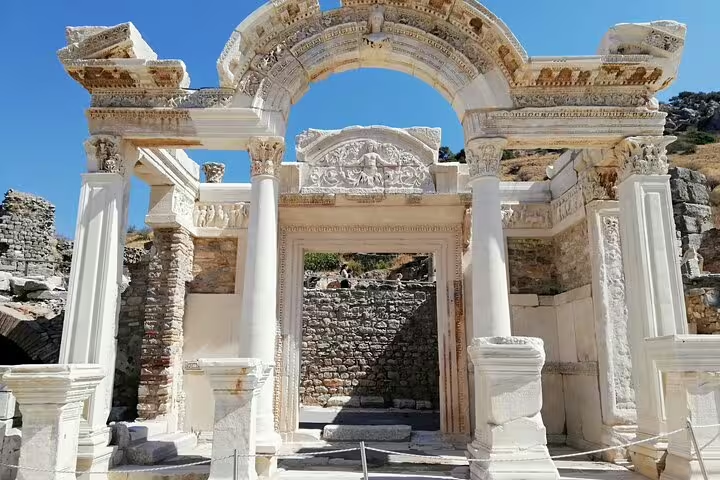
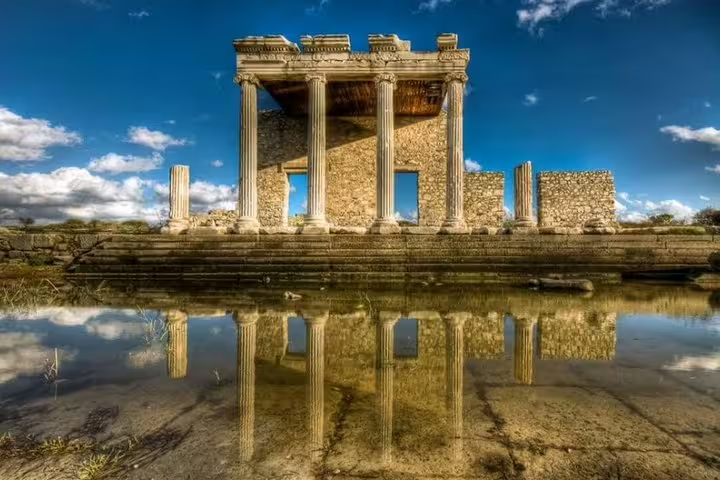
The Aegean coast is famous for crisp brightness, and Didyma benefits from that clarity, especially when you focus on columns, carved details, and long sightlines. Photography here is not only about the monument, it is also about shadow, geometry, and the contrast between stone and sky. Practical tip, use late afternoon light for warmer tones and fewer harsh shadows.
Pair Ruins with a Coastal Meal
One of the best travel rhythms in the region is culture first, then a long meal, and Didyma fits that pattern naturally. After walking through historical spaces, a relaxed table helps you reset and makes the day feel balanced. Practical tip, choose a place with outdoor seating when weather allows, since the Aegean vibe is part of the experience.
Plan a Half Day That Still Feels Complete
A major advantage of Didyma is that you can design a visit that feels substantial without consuming an entire trip. This makes it ideal if you are combining multiple Aydın Province stops or moving along the coast. Practical tip, outline your must see points before you arrive, then leave time for unplanned moments and rest.
Use the Visit as a Gateway to the Aegean Classics
Travelers often use Didyma as a cultural anchor, then branch out to other ancient cities and coastal towns nearby. This approach turns a single site visit into a wider, more memorable route through the Aegean Region. Practical tip, group nearby stops by geography to reduce backtracking and keep transfers simple.
Lean into Slow Travel
The most satisfying visits to Didyma often come from resisting the urge to rush. Give yourself time to notice details, read interpretive material on site, and let the setting sink in. Practical tip, pack comfortable shoes and a light layer, since conditions can shift between sun and breeze.
Build a Culture and Beach Split Day
If your trip includes the coast, Didyma can be the cultural half of a day that also includes seaside downtime. This split keeps energy high and makes the itinerary feel like a holiday rather than a marathon. Practical tip, keep your beach gear compact so you can transition easily between locations.
Start with a focused morning visit to the main historical area so you can explore before peak heat and peak crowds. Take a break for a long lunch and rehydrate, then return for a second short loop dedicated to photography and details you missed the first time. End the day with a relaxed coastal meal, keeping the pace gentle so the experience feels immersive rather than rushed.
Day one, devote your best energy to the core Didyma experience, then spend the afternoon resting and enjoying local dining. Day two, expand outward to nearby coastal towns and additional heritage sites in the Aegean Region, choosing routes that minimize travel time and maximize time on the ground. If you have a third day, use it as a flexibility day for weather, photography light, or an extra day trip, which often becomes the most memorable part of the trip.
Meze, small plates that can include vegetables, herbs, and creamy or tangy flavors, are a classic Aegean way to start a meal. Ordering tip, ask for a mixed selection so you can taste a range without committing to one large dish.
Seafood is a natural fit for the Aegean coast, often highlighting clean, briny flavors and simple preparation. Ordering tip, choose what looks freshest and pair it with seasonal salads for a lighter meal.
Kebabs offer savory depth and are widely available, making them a reliable option after a long walking day. Ordering tip, balance richer meat dishes with yogurt based sides or salads.
Pide, a boat shaped flatbread with various toppings, is comforting and easy to share. Ordering tip, order one classic option and one local style if available, then split to compare flavors.
Gözleme, a thin folded pastry often cooked on a griddle, is a satisfying snack for travel days. Ordering tip, choose a filling that matches your schedule, lighter options for hot afternoons and heartier options for cooler evenings.
Baklava delivers sweet, nutty richness and pairs well with a strong hot drink. Ordering tip, buy a small portion first, since it is filling, then return if you want more.
Turkish tea is part of the daily rhythm and works as a simple reset between stops. Ordering tip, treat it as a pause ritual, especially after walking in the sun.
Getting around Didyma is often straightforward when you plan your day around walking for close range exploration and road transport for longer connections. If you are visiting multiple stops across Aydın Province, consider grouping them to reduce time spent in transit and to keep the day comfortable. For safety and comfort, carry water, use sun protection in warmer months, and keep a flexible plan in case midday heat makes long walks less appealing.
Miletus, a major ancient city site nearby, is a natural add on for travelers building a classical history route. Travel time is typically short by road, and the main reason to go is to deepen your understanding of the region’s role in antiquity.
Priene is another heritage focused stop that pairs well with Didyma for a layered view of ancient urban life. Travel time is manageable by road, and the primary draw is its archaeological character and setting.
Kuşadası is a coastal hub that offers a livelier resort atmosphere and strong transport links. Travel time varies by route, and the main reason to visit is to combine seaside energy with easy onward connections.
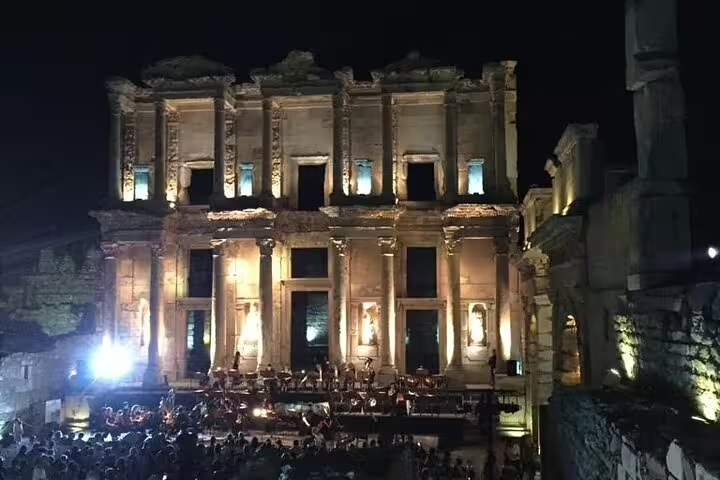
Selçuk and Ephesus area is one of the Aegean’s most famous cultural zones for travelers who want a flagship ancient city experience. Travel time is longer than the closest day trips, and the key reason to go is the concentration of world class heritage nearby.
Bodrum is a popular Aegean destination known for its coastal lifestyle and travel infrastructure. Travel time depends on your starting point and road conditions, and the main reason to visit is to shift from ruins focused days to a more resort oriented pace.
How much time do I need for a visit?
Many travelers can cover the core highlights in half a day, especially if you focus on one main site and a relaxed meal afterward. If you want to add nearby heritage stops, plan for a full day or more.
What is the best season to visit?
Warmer months bring more beach energy and higher crowd levels, while shoulder seasons are often preferred for comfortable walking. Cooler months are quieter and can be great for a slower pace.
Is Didyma easy to combine with other Aegean destinations?
Yes, Didyma works well as part of a wider Aydın Province and Aegean Region route. Many travelers pair it with nearby ancient cities and coastal hubs to balance culture and relaxation.
Should I carry cash or rely on cards?
A mix is the most practical approach, cards for larger payments and cash for small purchases and quick needs. Keeping both helps you stay flexible during transport and dining.
What is the easiest way to get around locally?
Use walking for close range exploration and road transport for longer connections between towns and sites. Plan your day to avoid the hottest hours if you are visiting in peak summer.