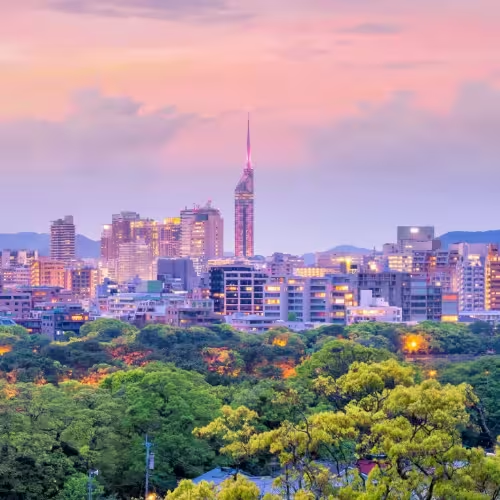
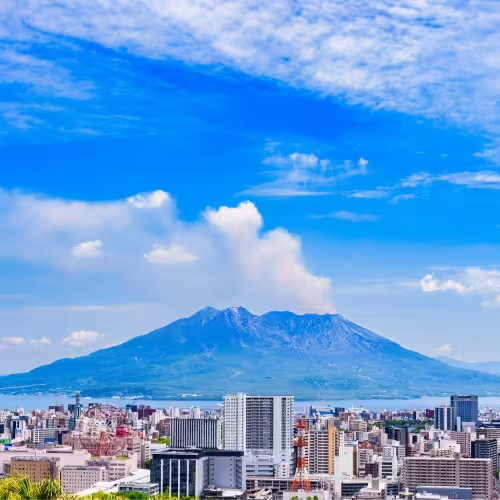
Kyushu is Japan's third-largest island and a captivating destination blending ancient traditions with modern energy. Home to the iconic Aso Caldera, Japan's largest active volcano, and the historic Nagasaki landmarks, Kyushu offers visitors a rich tapestry of natural wonders and cultural heritage that reflects centuries of Japanese history.
What to see in Kyushu
Visitors should not miss the breathtaking landscapes of Aso Caldera, one of the world's largest calderas, and the serene temples of Nagasaki Prefecture. The region also features the picturesque hot spring towns of Beppu and Yufuin, where traditional ryokans offer authentic experiences amid mountain scenery and geothermal wonders.
Things to do in Kyushu
Kyushu offers diverse activities including hiking around volcanic terrain, soaking in therapeutic hot springs, exploring peace memorials in Nagasaki, and visiting historic castles. Day trips to nearby islands, scenic train journeys, and local food tours showcase the region's unique character and culinary traditions.
Kyushu's Culinary Heritage
Kyushu is celebrated for its distinct regional cuisine that reflects local ingredients and traditions. Tonkotsu ramen from Fukuoka, Nagasaki champon, and fresh seafood specialties define the island's food scene, making it a paradise for travelers seeking authentic Japanese gastronomy beyond typical tourist destinations.
Kyushu is Japan's third-largest and southernmost main island, located in the East China Sea. The region encompasses seven prefectures including Fukuoka, Nagasaki, Kumamoto, and Oita, offering geographic diversity from coastal cities to volcanic highlands. Kyushu serves as a cultural gateway between mainland Japan and Asia, with strategic historical significance reflected in its landmarks and preserved heritage sites.
Kyushu represents a unique cultural crossroads in Japan, historically serving as the primary point of contact with foreign influence during Japan's periods of isolation. The island's volcanic geology creates distinctive natural features and geothermal resources that shape both landscape and lifestyle, while its regional cuisines and local traditions distinguish it from other Japanese regions.