Pilanesberg National Park is a world-class wildlife reserve located in the North West Province of South Africa, roughly 50 kilometers north of Johannesburg. Home to the Big Five and diverse ecosystems, this circular park sits within an ancient volcanic crater and offers visitors an authentic African safari experience without traveling to remote regions.
What to see in Pilanesberg National Park
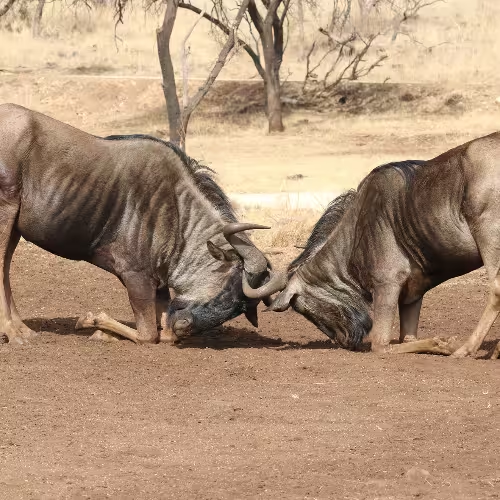
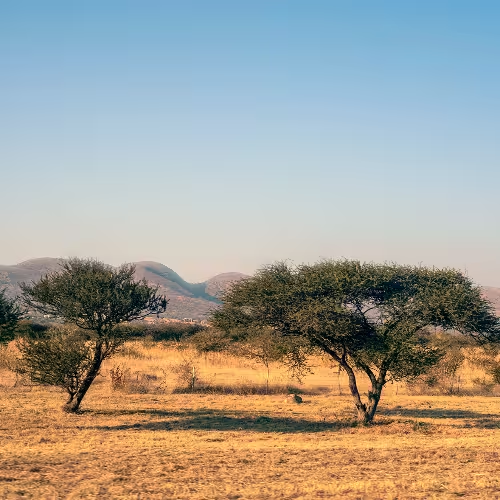
The park showcases abundant wildlife including lions, elephants, buffalo, leopards, and rhinoceros roaming across its 55,000 hectares. Visitors encounter zebras, giraffes, and various antelope species throughout the reserve, along with over 350 bird species. The scenic landscapes range from grasslands to rocky outcrops shaped by the park's volcanic origins.
Things to do in Pilanesberg National Park
Self-drive safaris along well-maintained roads provide flexibility for wildlife viewing at your own pace. Guided game drives led by experienced rangers offer deeper insights into animal behavior and ecology. Hot air balloon safaris deliver bird's-eye perspectives of the landscape, while walking tours allow closer encounters with smaller wildlife and plant life.
Volcanic Geology and Ancient History
Pilanesberg's unique circular formation originates from a volcanic eruption approximately 1,300 million years ago. The geological landscape creates distinct habitats that support diverse flora and fauna, making it a living classroom for understanding African geology and natural history.
Pilanesberg National Park is situated in the North West Province of South Africa, approximately 50 kilometers north of Johannesburg. The park's location provides convenient access for visitors seeking safari experiences without traveling to remote frontier regions. The area's proximity to major urban centers makes it an ideal destination for both international travelers and domestic tourists seeking wildlife encounters and natural beauty within a manageable distance from South Africa's commercial hub.
Pilanesberg National Park is recognized as one of South Africa's premier wildlife destinations, featuring an innovative translocation program that successfully introduced the Big Five to a previously degraded landscape. The park's circular volcanic crater formation creates a naturally contained ecosystem that supports over 7,000 animals and 350 bird species. Its commitment to conservation and sustainable tourism practices makes it a significant contributor to wildlife preservation in the region, attracting visitors from around the world seeking authentic African safari experiences.