




Tuscany Wine Tours & Food Experiences: A Region-by-Region Planning Guide
From Chianti Classico estates to organic olive farms, how to match Tuscany's best wine tours to your travel style and itinerary.
Tuscany produces some of Italy's most structured and geographically distinct wines, from the Sangiovese-dominant blends of Chianti Classico to the age-worthy Brunello di Montalcino and the crisp, mineral Vernaccia di San Gimignano. Guided wine tours here range from single-day winery visits departing Florence to private luxury itineraries combining vineyards with Renaissance cities. This guide maps each major wine zone to a practical tour option for 2026 travellers.
What makes Tuscany one of Europe's most visited wine regions?
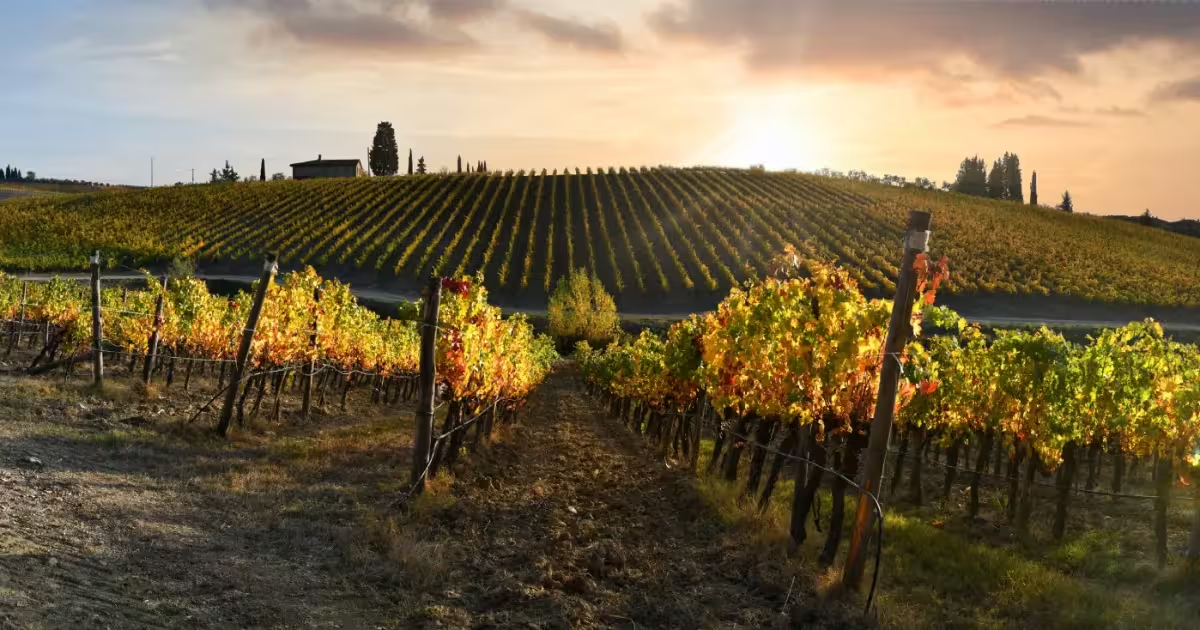
Tuscany's wine reputation rests on a combination of geology, history, and legislation. The Chianti Classico DOCG zone, established in its current boundaries in 1996, sits between Florence and Siena across roughly 7,200 hectares of hillside vineyards planted predominantly with Sangiovese. To the south, the Brunello di Montalcino DOCG surrounds the hilltop town of Montalcino, approximately 42 kilometres south of Siena, and produces wines that require a minimum of five years' ageing before release. Further west, the walled medieval town of San Gimignano holds the distinction of being home to Italy's first-ever DOC, awarded to Vernaccia di San Gimignano in 1966.
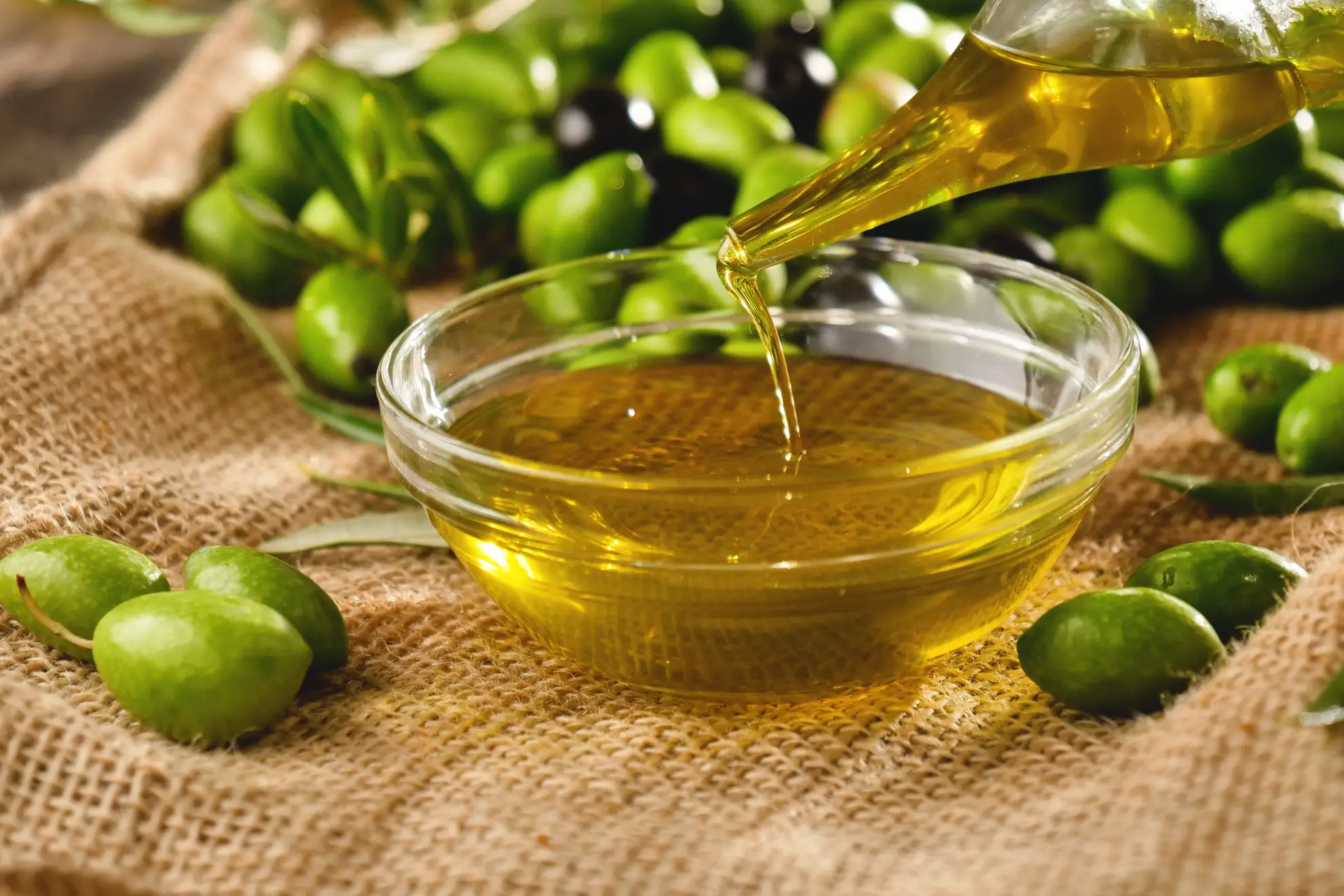
Beyond wine, Tuscany's food culture is inseparable from its vineyards. Working farms in the region often combine olive cultivation with viticulture, producing cold-pressed extra virgin olive oil alongside their estate wines. Visitors on food-focused itineraries can taste oils harvested from centuries-old groves, learning to distinguish the peppery, grassy notes of Tuscan oil from lighter Mediterranean styles.
"Tuscany is not just a wine destination. It is a landscape that has been shaped by agriculture for over two thousand years, and that history is present in every glass." — ToursXplorer Editorial Team
The region is also logistically convenient for international visitors. Florence's Santa Maria Novella railway station connects directly to Siena, Arezzo, and Grosseto, while the A1 autostrada provides road access to most wine zones within 90 minutes of the city centre. This infrastructure makes Tuscany unusually accessible for day-trip wine tourism compared to other Italian regions.
Which Tuscany wine zone should you visit based on your travel style?
Choosing a Tuscany wine tour depends largely on where you are based, how much time you have, and whether wine is the primary focus or one part of a broader cultural itinerary. ToursXplorer's listings reflect three distinct traveller profiles that correspond closely to the region's main wine zones.
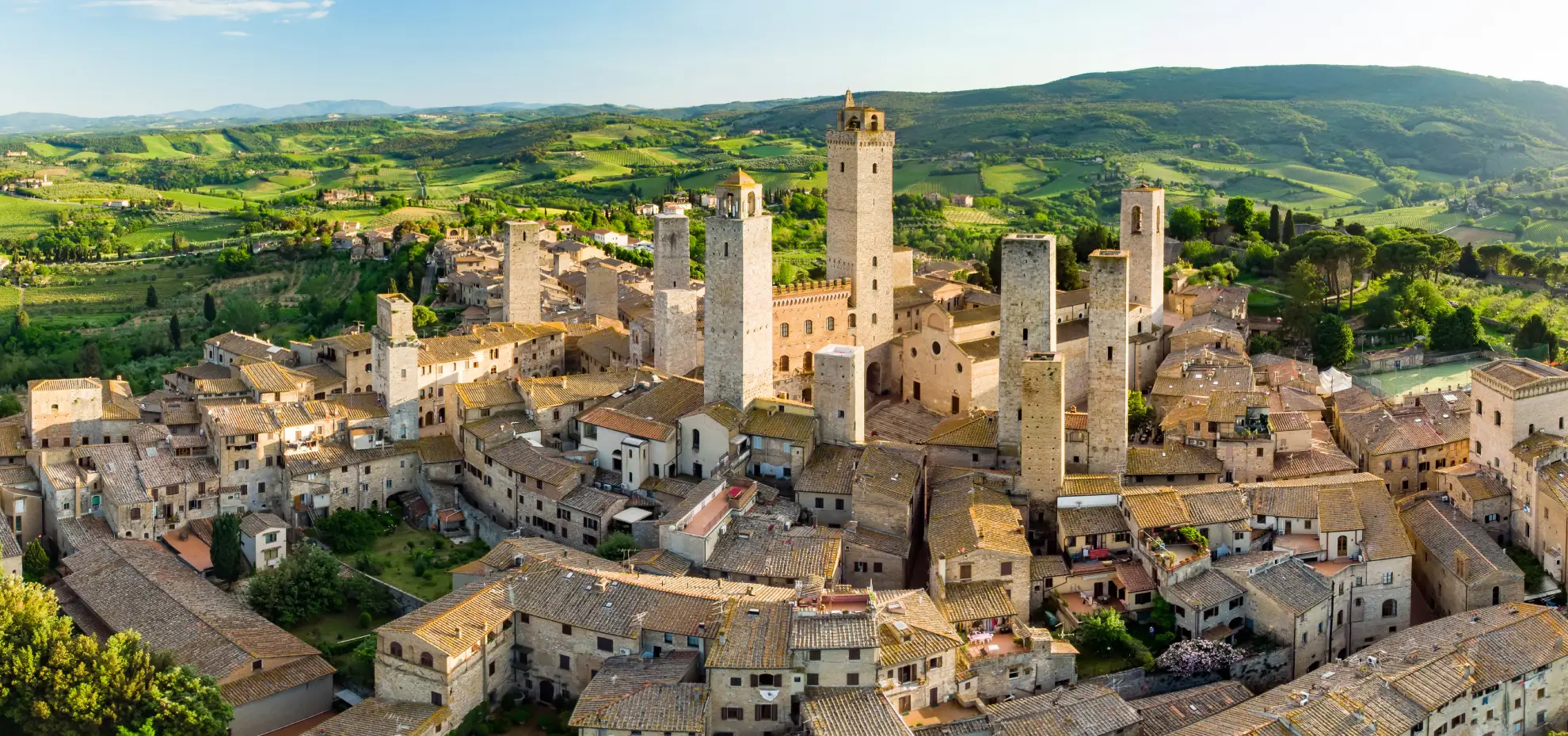
Day-trippers from Florence are best served by guided tours that combine two or more winery stops with a cultural anchor. San Gimignano, located approximately 56 kilometres southwest of Florence, is the most common pairing: its 14 surviving medieval towers and historic centre (a UNESCO World Heritage Site since 1990) provide a full-day itinerary alongside Vernaccia or Chianti Classico tastings. A typical guided day trip covers a morning winery visit, a guided walk through San Gimignano's Piazza della Cisterna, and an afternoon at a second estate, returning to Florence by early evening.
Slow travellers based in Siena are within 40 kilometres of both Montalcino and Pienza, making multi-day exploration of the Val d'Orcia practical without returning to a larger city each night. Brunello estates in Montalcino typically offer cellar tours that include barrel rooms, aged vintages, and food pairings using local Cinta Senese cured meats and Pienza's aged Pecorino cheese.
"The Brunello zone is compact enough to visit two estates in a morning, yet the variation between producers on the northern and southern slopes of Montalcino is genuinely significant." — ToursXplorer Editorial Team
Luxury and private tour clients, particularly those visiting from Rome, often combine Tuscany's wine heritage with its architectural landmarks. Florence's Uffizi Gallery and Piazza del Duomo, along with Pisa's Piazza dei Miracoli (home to the Leaning Tower, which began construction in 1173), offer enough cultural depth to justify a private vehicle, guide, and tailored winery selection within a single extended day trip.
What should first-time visitors know before booking a Tuscany wine tour?
Several practical considerations affect the quality and logistics of a Tuscany wine tour. First, most Chianti Classico and Brunello estates require advance reservations, particularly for small-group or private tastings. Drop-in visits are rare outside of major wine fairs such as the annual Vinitaly trade event in Verona each April, or the Benvenuto Brunello release tastings held in Montalcino each February.
Second, the harvest season, known locally as the vendemmia, runs from late September through October. Visiting during this period offers the chance to observe active harvesting and pressing, but winery staff are occupied with production, and some estates reduce their visitor hours during peak harvest weeks. Late spring (May to June) and early autumn outside the vendemmia (early September) are generally considered the most comfortable periods for guided wine tours, with temperatures averaging between 18 and 26 degrees Celsius.
Third, alcohol consumption and driving regulations in Italy follow EU standards, with a blood alcohol limit of 0.5 grams per litre for private drivers. Guided tours with coach or minibus transport remove this concern, which is one practical reason many visitors prefer organised group or private tours over self-drive winery visits.
| Wine Zone | DOCG/DOC | Primary Grape | Key Town | Distance from Florence |
|---|---|---|---|---|
| Chianti Classico | DOCG (1996) | Sangiovese | Greve in Chianti | ~30 km south |
| Brunello di Montalcino | DOCG (1980) | Brunello (Sangiovese Grosso) | Montalcino | ~110 km south |
| Vernaccia di San Gimignano | DOC (1966), DOCG (1993) | Vernaccia | San Gimignano | ~56 km southwest |
ToursXplorer lists curated tours across all three zones, each vetted for inclusion of authentic winery access, licensed guides, and transparent itinerary details. Travellers can filter by departure city, group size, and experience type to find the option that best matches their schedule.
Recommended Tuscany Wine Tours & Food Experiences
Ready to explore Tuscany's wine regions? Browse all available wine tours and food experiences on ToursXplorer and book with confirmed winery access and licensed guides.
Browse all Tuscany tours on ToursXplorerHow to plan a practical Tuscany wine itinerary for 2026
A well-structured Tuscany wine itinerary in 2026 should account for travel time between zones, seasonal availability, and the balance between wine-focused stops and cultural sightseeing. The following framework covers three traveller types identified by ToursXplorer based on the most common booking patterns for the region.
One day from Florence: The Tuscany Wine Tasting Day Trip combining two wineries with San Gimignano covers approximately 120 kilometres of driving in total and typically runs eight to nine hours. No personal vehicle is required. This is the most efficient single-day structure for visitors who want winery access and a UNESCO cultural site without renting a car or navigating rural Tuscan roads independently.
Food-first approach: The Olive Grove Guided Tour offers an entry point into Tuscan agricultural heritage that does not centre on alcohol, making it suitable for non-wine drinkers travelling with wine enthusiasts, or for morning activities that precede an afternoon cellar visit. Tuscany produces approximately 20 percent of Italy's certified organic olive oil, with farms concentrated in the provinces of Lucca, Siena, and Grosseto.
Rome-based visitors: Florence is approximately 277 kilometres north of Rome via the A1 autostrada, a journey of roughly two hours and 45 minutes by high-speed Frecciarossa train. The Luxury Private Tour from Rome to Florence and Pisa is designed specifically for this corridor, offering door-to-door service with no public transport logistics. For visitors who wish to extend into wine country, private guides can incorporate a Chianti Classico estate stop between Florence and the return journey south.
Why book Tuscany wine tours through ToursXplorer?
ToursXplorer curates Tuscany wine and food experiences with verified operator details, clear cancellation policies, and itinerary transparency. Each listing includes confirmed winery access, group size information, and departure logistics, reducing the most common points of confusion for first-time visitors to Italian wine regions. Travellers can compare day trips, private tours, and food experiences side by side using the search filters at ToursXplorer's Tuscany category page, with options spanning multiple departure cities including Florence, Rome, and Siena.
Frequently Asked Questions
The most practical wine tours in Tuscany for day visitors are guided full-day trips from Florence that combine two winery stops with a cultural site such as San Gimignano. Travellers with more time can add Brunello di Montalcino estates near Siena, approximately 42 kilometres away. Private tours from Rome also offer curated vineyard access combined with cultural stops in Florence and Pisa.
Late May through June and early September are the most comfortable months for wine tours in Tuscany, with average temperatures between 18 and 26 degrees Celsius. The vendemmia (harvest) in late September and October is atmospheric but can limit winery access as staff focus on production. February is notable for the Benvenuto Brunello release tastings in Montalcino.
San Gimignano is approximately 56 kilometres southwest of Florence, about a 75-minute drive depending on the route. Guided day trips from Florence to San Gimignano typically depart in the morning, include winery stops in the Chianti or Vernaccia zones along the way, and return to Florence by early evening, making the round trip around eight to nine hours total.
Yes. Several Tuscan farms operate both vineyards and olive groves, and some tour operators structure full-day itineraries that include both wine and olive oil tastings. The Olive Grove Guided Tour on ToursXplorer is specifically designed as a food-first experience covering cold-pressed organic olive oil production and can be paired with a morning or afternoon winery visit on the same day.
Montalcino is approximately 110 kilometres south of Florence, roughly a two-hour drive. A day trip is possible but tight if Florence is also on the itinerary. Travellers based in Siena, which is about 40 kilometres from Montalcino, are better positioned for a comfortable half-day Brunello estate visit. Most estates require advance reservations for private or small-group cellar tours.
Most organised wine tours in Tuscany include coach, minibus, or private vehicle transport, so no personal driving is required. This is especially relevant given Italy's EU blood alcohol limit of 0.5 grams per litre for drivers. Guided tours from Florence, Rome, and Siena all include return transfers, allowing participants to taste freely without logistical or legal concerns.