




Tokyo & Kyoto Tours: Cultural Sightseeing, City Walks & Heritage Experiences
Explore Japan's urban energy and ancient traditions through guided neighbourhood walks, temple visits, and curated cultural experiences.
Tokyo and Kyoto represent two contrasting yet complementary faces of Japan. Tokyo, the sprawling capital, pulses with 37 million residents across the Greater Tokyo Area and offers ultra-modern districts, Michelin-starred restaurants, and centuries-old shrines hidden between skyscrapers. Kyoto, Japan's former imperial capital (794-1868), preserves over 2,000 temples and shrines, traditional wooden machiya houses, and geisha culture in districts like Gion. Most first-time visitors benefit from experiencing Tokyo first for urban energy and modern Japan, then moving to Kyoto for depth, tradition, and contemplation.
Should You Visit Tokyo or Kyoto First?
The classic recommendation for first-time Japan visitors is Tokyo first, then Kyoto. Tokyo's size (2,194 square kilometers) and complexity demand fresh energy and patience while you adjust to Japan's train systems, convenience culture, and social customs. Once acclimatised, Kyoto's more intimate pace and focused cultural offerings feel rewarding rather than overwhelming. A typical itinerary allocates three to four days in Tokyo, followed by two to three days in Kyoto, with the Shinkansen bullet train connecting the cities in approximately two hours and thirty minutes.
Tokyo excels for travellers seeking variety, efficiency, and contemporary culture. The city hosts 51 Michelin-starred restaurants (as of 2024), world-class museums like the Tokyo National Museum (established 1872), and neighbourhood diversity from the youth-oriented Harajuku to the upscale Ginza shopping district. Kyoto rewards those prioritising depth, historical continuity, and slower exploration. With 1,994 registered temples and 270 registered shrines, Kyoto allows visitors to study Buddhist and Shinto traditions across different periods and architectural styles.
Both cities are beginner-friendly, but Tokyo's size and transport complexity make it the logical starting point. Once comfortable with Japan's systems, Kyoto's gentler rhythm and concentrated cultural landmarks feel more accessible.
Tokyo: Urban Energy, Modern Districts & Historic Pockets
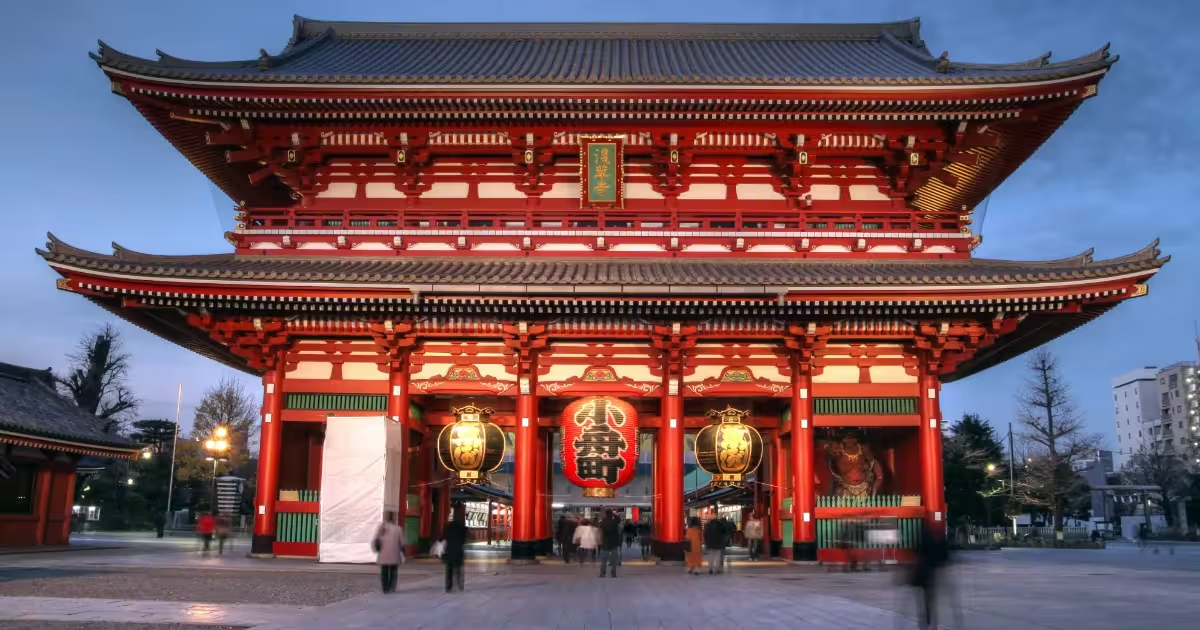
Tokyo's appeal lies in its layered contradictions. The Asakusa district, centred on Senso-ji Temple (founded 645 CE), juxtaposes centuries-old spirituality with modern commerce. Visitors can worship at the temple, browse traditional craft shops along Nakamise street, and then walk 1.5 kilometres to the futuristic Akihabara district, famous for electronics and anime culture. Shibuya Crossing, one of the world's busiest pedestrian intersections, channels 2.5 million crossings daily and epitomises Tokyo's kinetic energy.
Neighbourhood walks reveal Tokyo's depth. The upscale Ginza district, named for its historical silver coin mint, stretches eight blocks and combines luxury department stores with galleries and traditional soba restaurants. Meiji Shrine, dedicated to Emperor Meiji (1852-1912), sits within a 70-hectare forested precinct in central Tokyo and attracts over 3 million visitors annually. The nearby Meiji-dori and Takeshita-dori streets contrast serene woodland with youth-focused fashion retail, allowing visitors to move between contemplation and contemporary consumer culture within minutes. ToursXplorer's self-guided and private tour options let visitors navigate these diverse neighbourhoods at personal pace.
Kyoto: Temples, Geisha Districts & Classical Heritage
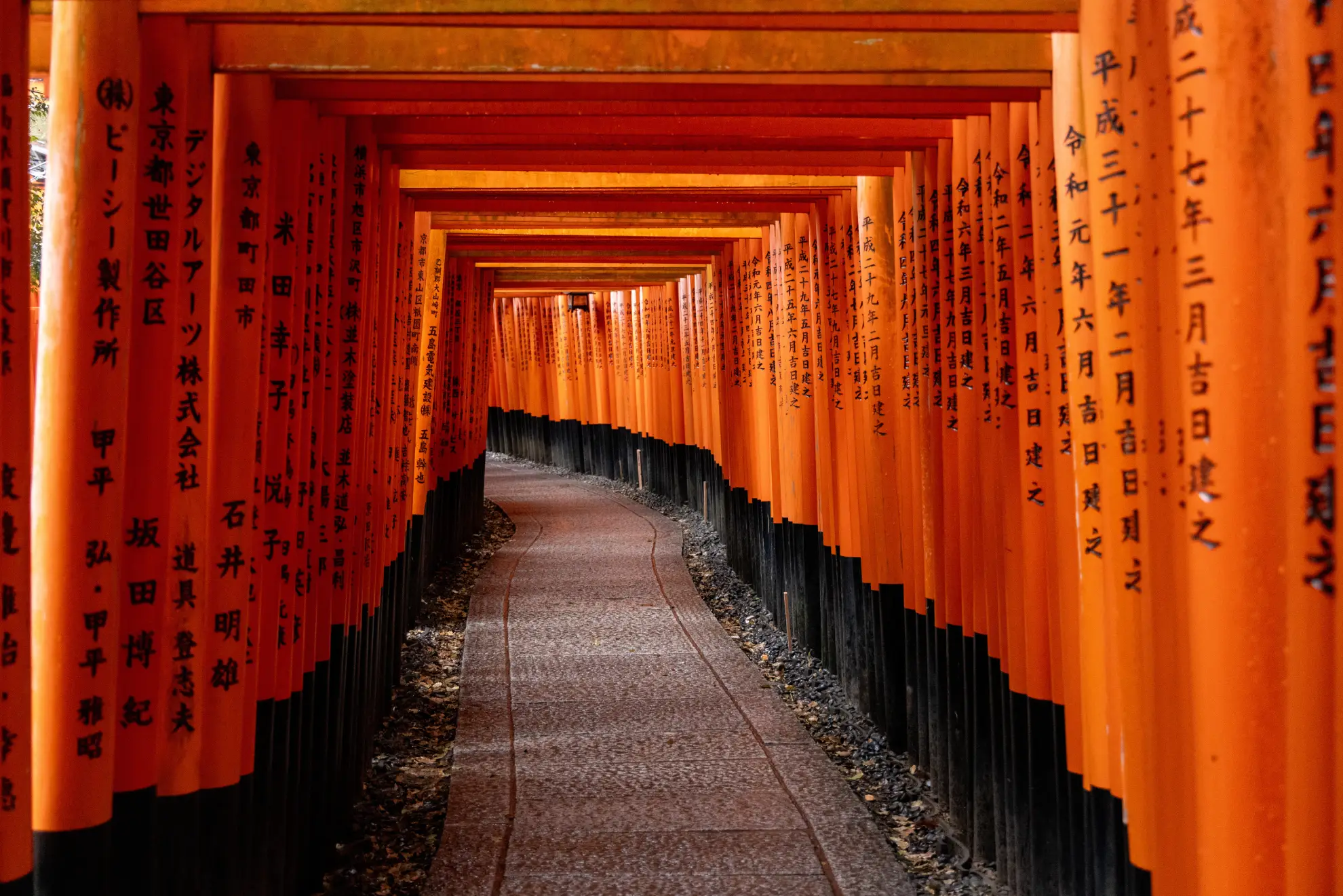
Kyoto served as Japan's imperial capital for over 1,000 years (794-1868) and retains more pre-modern architecture and cultural institutions than any other Japanese city. The city covers 827 square kilometres and preserves 18 UNESCO World Heritage sites within Kyoto Prefecture. The Fushimi Inari Shrine, one of Japan's oldest shrines (founded 711 CE), features over 10,000 vermillion torii gates climbing the mountainside, each donated by devotees and businesses. Walking the full path takes approximately two hours and covers roughly four kilometres.
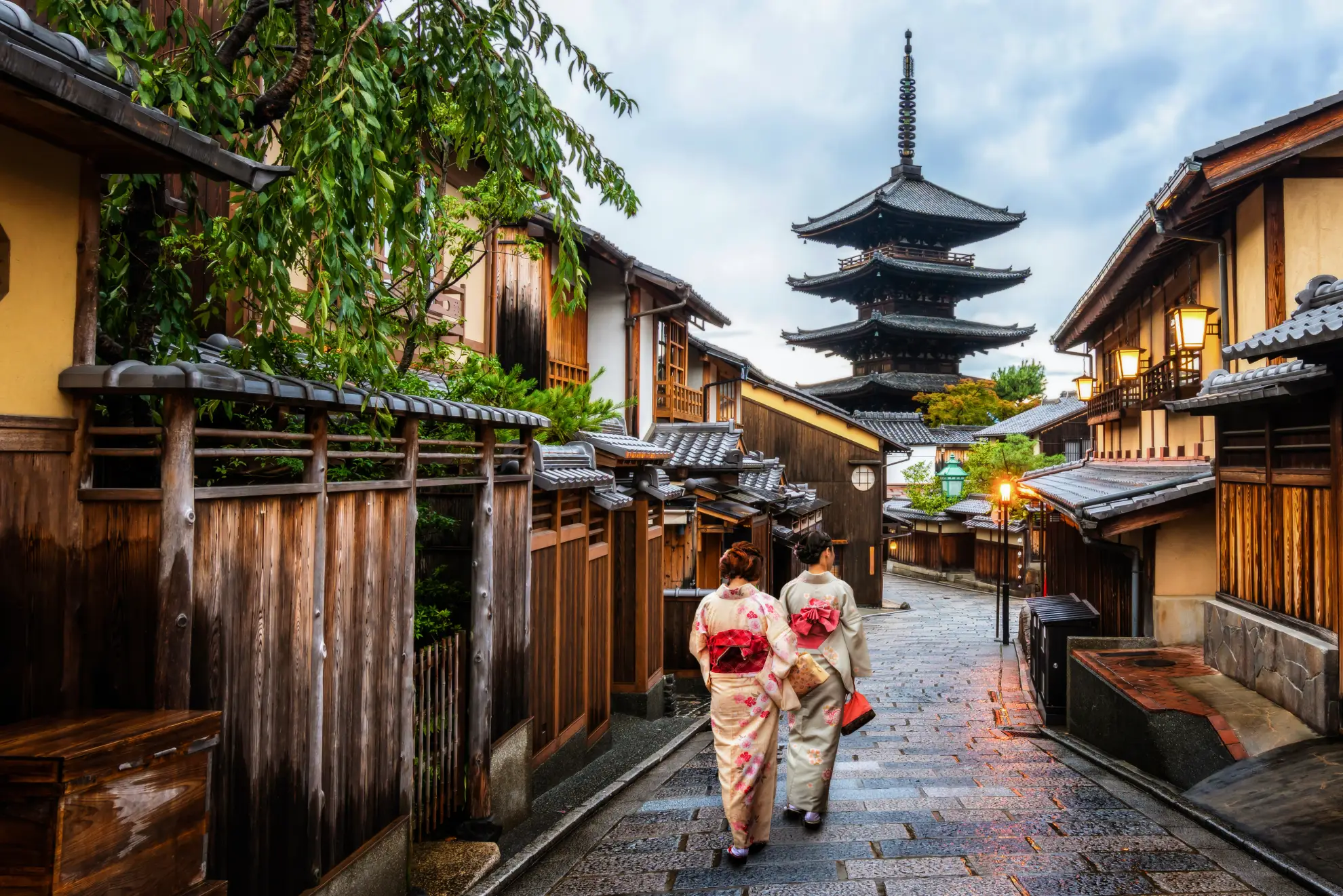
Gion, Kyoto's most famous geisha district, retains wooden machiya houses built during the Edo (1603-1868) and Meiji periods. Evening walks here offer chances to glimpse geishas (female entertainers trained in classical arts) moving between tea houses. The Philosopher's Path, a two-kilometre canal-side walk lined with cherry trees, connects Nanzen-ji Temple to Ginkaku-ji (the Silver Pavilion). Arashiyama Bamboo Grove, a 400-metre path through towering bamboo stalks, attracts 1.5 million visitors annually and requires early morning visits to avoid crowds.
Kyoto rewards slow, intentional exploration. Rather than maximising sightseeing, visitors often choose one or two neighbourhoods daily, allowing for tea ceremonies, temple gardens, and street-level encounters with local culture.
Curated Tours in Tokyo & Kyoto
Explore curated Tokyo & Kyoto tours on ToursXplorer to find neighbourhood walks, private guides, and heritage experiences matching your travel style and schedule.
Browse all Tokyo & Kyoto tours on ToursXplorerTokyo vs. Kyoto: Quick Comparison
| Aspect | Tokyo | Kyoto |
|---|---|---|
| Primary Atmosphere | Urban, contemporary, diverse | Traditional, contemplative, heritage-focused |
| Key Sights | Senso-ji Temple, Meiji Shrine, Shibuya Crossing, Akihabara | Fushimi Inari, Philosopher's Path, Gion, Arashiyama Bamboo |
| Best Time to Visit | September-November, March-May (avoid July-August heat) | March-May, September-November (cherry blossoms, autumn foliage) |
| Recommended Duration | 3-4 days minimum | 2-3 days minimum |
| Major Temples/Shrines | 1,994 temples and shrines across greater Tokyo area | 1,994 registered temples and 270 registered shrines |
| Typical Daily Cost (Budget) | JPY 8,000-15,000 (USD 55-100) excluding accommodation | JPY 6,000-12,000 (USD 40-85) excluding accommodation |
| Transport to Partner City | Shinkansen bullet train (2.5 hours) to Kyoto | Shinkansen bullet train (2.5 hours) from Tokyo |
Practical Tips for Tokyo & Kyoto First-Time Visitors
Both cities reward preparation. Download transit apps like Google Maps and Hyperdia (for train schedules) before arrival, as they function without mobile data using offline maps. Tokyo's JR Pass (Japan Railways Pass) offers unlimited train and bus travel within the capital and Greater Tokyo Area; Kyoto's ICOCA card provides reloadable payment across local transit and vendors. Many temples in both cities charge small entrance fees (typically JPY 400-1,500 per site) and close around 5 p.m., making early starts beneficial.
Language is minimal barrier in central Tokyo and Kyoto, where English signage, Google Translate, and helpful locals ease navigation. However, neighbourhood exploration using walking tours through ToursXplorer provides context, safety, and cultural insights unavailable to solo wanderers. Spring (late March to April) brings cherry blossoms to both cities but also crowds; autumn (October-November) offers cooler temperatures, clear skies, and maple foliage with fewer crowds than spring. Avoid mid-July to August, when heat and humidity peak above 35 degrees Celsius.
Pack light for frequent neighbourhood walking. Many traditional sites and restaurants require removing shoes, and Tokyo's crowded trains favour smaller bags. Both cities have excellent convenience stores (7-Eleven, FamilyMart, Lawson) open 24 hours, making provisions accessible. ToursXplorer's luggage storage service in Tokyo (e.g., Akihabara Station) enables lighter exploration during peak walking days.
Ready to plan your Japan journey? Browse ToursXplorer's Tokyo and Kyoto tour options to book self-guided walks, private tours, and cultural experiences today.
Frequently Asked Questions
Yes, a five-day itinerary works: two to three days in Tokyo (covering 2-3 neighbourhoods), Shinkansen travel (2.5 hours), and two to three days in Kyoto (one to two neighbourhoods). Focus on single districts daily rather than rushing multiple sites, allowing time for street meals, tea, and museums.
March-May (spring cherry blossoms, 15-20 degrees Celsius) and September-November (autumn foliage, 15-25 degrees Celsius) offer ideal weather and scenery. July-August brings oppressive heat and humidity (35+ degrees); December-February is cool but less vibrant. Book accommodation early for spring and autumn.
Budget approximately JPY 120,000-200,000 (USD 800-1,350) for seven days including accommodation, food, transport, and temple entries (excluding international flights). Tokyo averages JPY 8,000-15,000 daily; Kyoto JPY 6,000-12,000 daily. JR Pass and ICOCA cards reduce transport costs by 20-30 percent.
Yes, both cities rank among the world's safest. Tokyo and Kyoto have police boxes (koban) every few hundred metres, well-lit streets, and low violent crime. Women and solo travellers generally walk unharassed after dark. Use common sense with valuables, avoid isolated areas late night, and let someone know your plans.
No. Central Tokyo and Kyoto offer English signage, multilingual staff in hotels and major restaurants, and translation apps (Google Translate, iTranslate) work reliably. Learning a few polite phrases (arigatou gozaimasu / thank you, sumimasen / excuse me) enhances interactions but is not required for navigation or dining.
Temples (otera) worship Buddha and Buddhist teachings; shrines (jinja) honour Shinto deities and ancestors. Temples often have large gates (torii are absent) and house priests; shrines feature torii gates, rope with bells (shimenawa), and Shinto symbols. Both welcome visitors, often charge small fees, and close by 5 p.m. Kyoto's 1,994 temples and 270 shrines allow study of both traditions.