




Thessaloniki Cultural Tours: Best Guided Experiences for First-Time Visitors
Explore Byzantine landmarks, Ottoman heritage, and authentic local culture with expert-led private tours across Greece's most layered destination.
Thessaloniki stands as Greece's most culturally layered urban destination, yet remains far less crowded than Athens or the Greek islands. The city's Byzantine heritage, Ottoman architecture, Jewish quarter history, and world-class food scene converge around a vibrant waterfront, creating an ideal setting for guided cultural exploration. First-time visitors gain the most from tours that contextualise these overlapping historical layers through expert narration and strategic viewpoints.
Why Thessaloniki Deserves Your Cultural Itinerary
Thessaloniki ranks as the second-largest city in Greece and served as the Byzantine Empire's second capital after Constantinople (modern-day Istanbul) for nearly 400 years, from the 5th to 15th centuries. This heritage distinguishes it fundamentally from the Cycladic islands or Peloponnese coastal towns. The city endured Ottoman occupation for 490 years (1430-1920) before incorporation into Greece, creating architectural and cultural layers that no single day-tour can fully decode without expert guidance.
The city's modern identity also reflects its once-thriving Jewish community, which numbered over 50,000 residents in the 1920s and built the world's largest Jewish quarter by density. Today, the Modiano Market and Ladadika neighbourhood preserve this legacy through restored Ottoman warehouses, kosher restaurants, and cultural institutions. Guided tours unlock these narratives in ways that solitary exploration cannot, situating landmarks within their historical and social context.
Thessaloniki offers the historical depth of Athens with the authentic, less-touristed character that discerning travellers increasingly seek.
The waterfront, known locally as the Paralia, stretches for 6 kilometres along the Thermaik Gulf and serves as the city's living room, where locals gather for afternoon coffee or evening walks. Private sightseeing tours typically incorporate this district alongside the city's most significant monuments, creating a balanced introduction to Thessaloniki's urban rhythm.
What Historical Sites Should First-Time Visitors Prioritize?
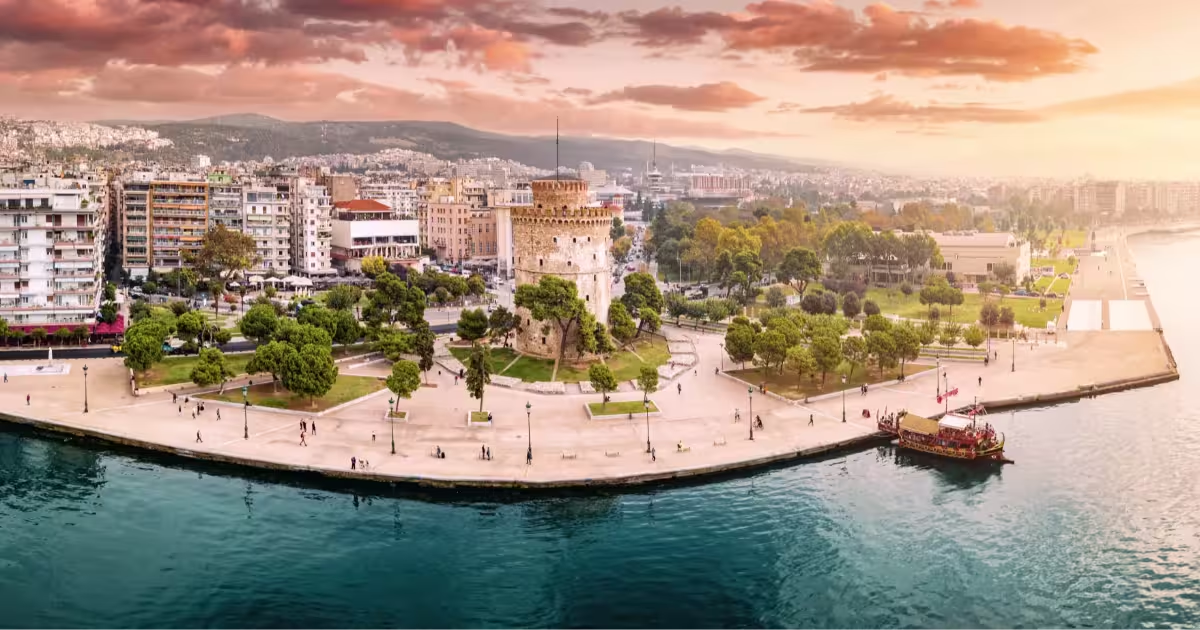
The White Tower (Lefkos Pyrgos) anchors Thessaloniki's identity and remains the most photographed landmark, built in the 16th century as an Ottoman fortress and later used as a prison and watchtower. Standing approximately 34 metres tall with a diameter of 23 metres, the tower offers panoramic views of the city and gulf from its upper levels. Most guided sightseeing tours begin or end here, using it as both a visual orientation point and a narrative entry to Ottoman military history.
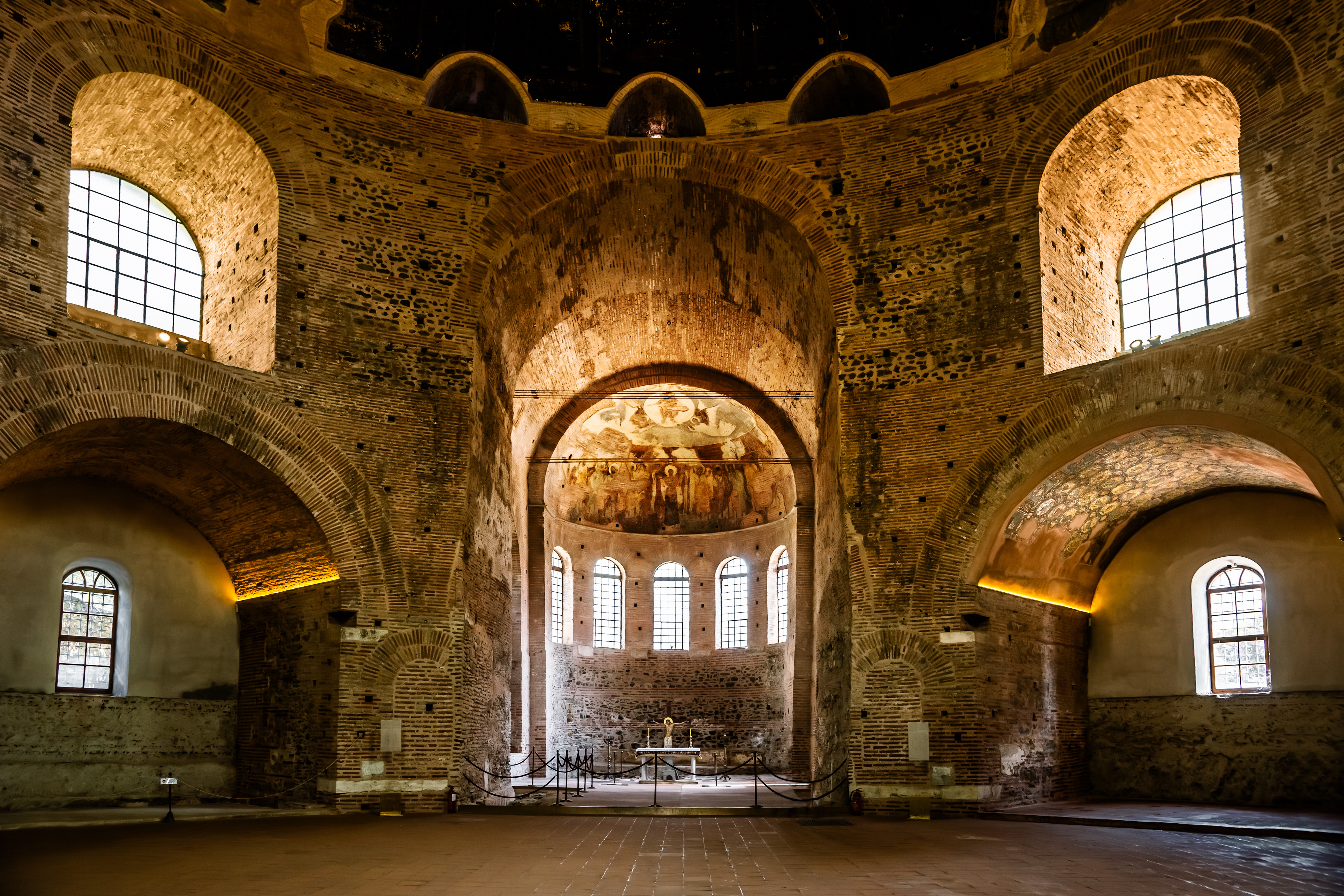
The Rotunda (Agios Georgios) represents Thessaloniki's oldest surviving structure, originally constructed as a mausoleum for the Roman Emperor Galerius in the 4th century AD, approximately 305 CE. Its massive dome, 24.5 metres in diameter, influenced Byzantine architecture for centuries and remains virtually intact despite millennia of use as a church, mosque, and now museum. The building's interior mosaics and decorative programme reflect multiple faith traditions layered atop one another.
The Rotunda exemplifies how Thessaloniki's monuments embody successive empires without erasing earlier histories, a pattern repeated throughout the city's central district.
The Church of Hagios Dimitrios, Thessaloniki's most important Byzantine basilica, dates to the 5th century and sits atop an earlier Roman building. Early Christian mosaics surviving in the structure were documented as late as the 1917 Great Fire, which destroyed much of the surrounding urban area. Guided tours provide historical context that solo visitors often miss, explaining how the church's crypt, once believed to house healing waters connected to Saint Demetrius, drew pilgrims from across the Mediterranean.
The Arch of Galerius, built around 305 CE to commemorate the Roman Emperor Galerius's victory over the Persians, stands near the Rotunda and features extensive relief carvings depicting military campaigns, processions, and sacrificial scenes. The arch once stood approximately 20 metres tall with a width of 12 metres and remains partially reconstructed after Ottoman damage.
Which Neighbourhoods Reveal Thessaloniki's Food and Daily Culture?
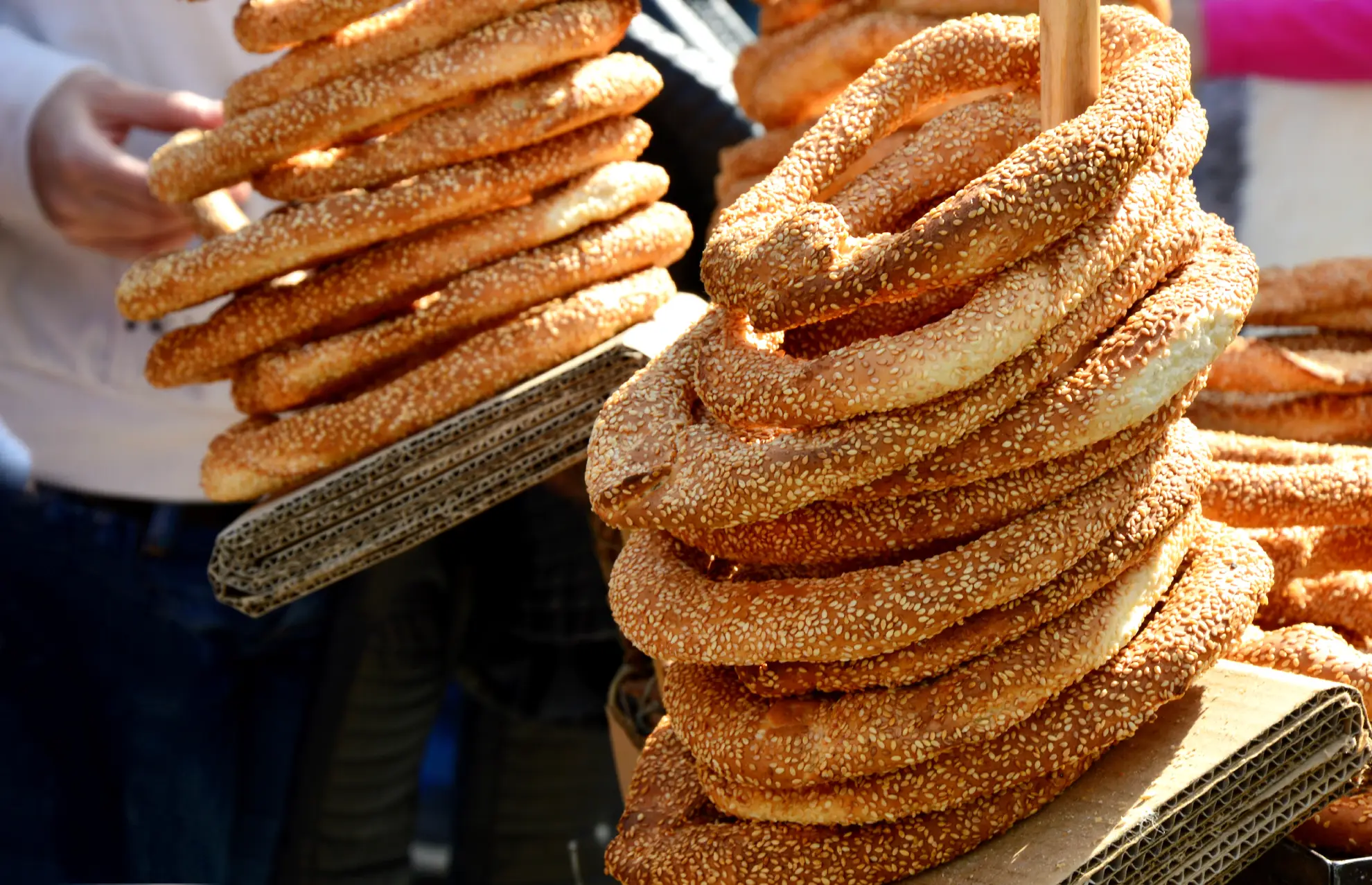
The Modiano Market, constructed in 1922 and named after architect Eli Modiano, occupies an entire city block in the heart of downtown Thessaloniki. The iron-and-glass-roofed structure houses over 60 vendor stalls selling seasonal produce, herbs, spices, olives, cheese, and prepared foods, representing the city's authentic food culture outside tourist restaurants. Many private sightseeing tours now include a guided walk through Modiano, where vendors explain local dishes, seasonal specialties, and the market's historical role as the commercial heart of the Jewish quarter.
Ladadika, the former oil-warehouse district near the waterfront, has undergone careful restoration since the 1990s and now hosts family-run tavernas, wine bars, and small shops selling local honey, preserves, and handicrafts. The neighbourhood's narrow lanes and stone-paved courtyards evoke Ottoman-era Thessaloniki without feeling artificially preserved. Evening tours by car often include a stop or walk through Ladadika to experience the neighbourhood's atmospheric character after dark, when warm lighting spills from taverna doors and the pace becomes more social and relaxed.
Valaoritou Street, one of the oldest continuous shopping streets in Europe, runs north-south through the city centre and has witnessed continuous commercial activity since Byzantine times. Today it hosts fashion boutiques, bookshops, and cafes, maintaining its function as a social spine of the city despite modernisation. Guided tours use Valaoritou as a touchpoint for explaining how Thessaloniki's urban core has remained functionally similar across different historical periods.
Private Sightseeing Tours Covering Thessaloniki's Main Landmarks
Evening and Night Tours Revealing Thessaloniki's Atmospheric Side
Ready to explore Thessaloniki's layered history? Start with a private sightseeing tour to grasp the city's Byzantine and Ottoman monuments, then extend with an evening tour by car to experience the waterfront and Ladadika's atmospheric character.
Browse all Thessaloniki tours on ToursXplorerHow to Build a Two-Day Thessaloniki Cultural Itinerary
Day one typically pairs a morning private sightseeing tour (4 to 6 hours) with afternoon exploration of the Modiano Market and nearby Ladadika neighbourhood on foot. This structure provides expert contextual grounding in the morning, then allows independent wandering through food markets and restored Ottoman quarters in the afternoon, creating a natural rhythm between guided narration and self-paced discovery.
Day two benefits from an evening private car tour departing at sunset, allowing the morning for museum visits (the Archaeological Museum of Thessaloniki or the Museum of Byzantine Culture, located approximately 5 kilometres east of the city centre) or extended time in specific neighbourhoods. Many ToursXplorer users report that pairing a daytime sightseeing tour with an evening car tour maximises both the informational and atmospheric dimensions of Thessaloniki's character.
Alternative itineraries substitute walking tours of specific districts (the upper city's Ano Poli neighbourhood, where narrow lanes and traditional houses offer views back toward the waterfront) for parts of the structured tour experience, though this approach requires more planning and may miss contextual details about Ottoman-era settlement patterns or Byzantine religious significance.
Comparison Table: Tour Types and Their Best Uses
| Tour Type | Duration | Best For | Key Sites Covered | Time of Day |
|---|---|---|---|---|
| Private Sightseeing Tour | 4 to 6 hours | First-time visitors needing comprehensive orientation | White Tower, Rotunda, Arch of Galerius, panoramic viewpoints | Morning or early afternoon |
| Private Night Tour by Car | 2 to 3 hours | Experiencing the city's illuminated character and evening atmosphere | White Tower, waterfront promenade, Ladadika neighbourhood | Sunset onwards |
| Walking Tour (self-guided or group) | 2 to 4 hours | Deeper neighbourhood exploration and food market discovery | Modiano Market, Ladadika, Ano Poli, Valaoritou Street | Late morning or late afternoon |
| Museum-Focused Tour | 2 to 3 hours | Detailed Byzantine art and archaeological context | Archaeological Museum, Museum of Byzantine Culture | Morning or early afternoon |
Practical Logistics for Touring Thessaloniki
Thessaloniki's city centre is compact enough to navigate on foot once oriented, but the primary historical sites (Rotunda, White Tower, Arch of Galerius) span approximately 2 kilometres in a north-south line, making private car tours more efficient for covering ground and visiting elevated viewpoints. The city's public transport system includes buses and a tram network, but guided tours handle logistics and eliminate wayfinding uncertainty.
Most private tours pick up visitors from hotels in the city centre or the waterfront area. The nearest international airport, Thessaloniki International Airport Makedonia, sits approximately 15 kilometres southeast of the city centre, connected by bus, taxi, or rental car services (roughly 20 to 30 minutes depending on traffic). Many visitors arriving from Athens take the bus or train (approximately 5 to 6 hours by intercity coach) rather than flying, making Thessaloniki a natural northern extension of a Greece itinerary.
Thessaloniki's climate suits outdoor touring year-round, though summer heat (July and August typically exceed 30 degrees Celsius) may prompt preference for early-morning or evening tours. Winter months (December to February) average 8 to 12 degrees Celsius and include rainy periods, but daytime cultural exploration remains feasible. ToursXplorer recommends booking tours at least 2 to 3 days in advance to ensure guide availability and personalised itinerary planning.
Why Thessaloniki Matters in Broader Greece Travel Context
Thessaloniki serves as the logical northern anchor for travellers moving beyond the typical Athens-Delphi-Peloponnese triangle. The city's position in Macedonia (the northern Greek region distinct from the modern North Macedonia country to its north) makes it a strategic base for exploring Mount Olympus, the Meteora monasteries (approximately 230 kilometres south, or roughly 3 to 4 hours by car), and the beaches of the Halkidiki peninsula (approximately 50 kilometres southeast, or 1 to 1.5 hours). A two-day Thessaloniki cultural foundation prepares travellers intellectually and contextually for understanding the broader Macedonian and Byzantine historical narratives that shape northern Greece.
The city's international food scene and restoration culture also distinguish it as an emerging gastro-cultural destination within Greece, attracting chefs and food writers alongside history enthusiasts. This diversity means that Thessaloniki appeals equally to culture-first travellers and those balancing historical learning with culinary exploration, making it versatile within different travel styles.
ToursXplorer's curated selection of private tours ensures expert local narration, flexible timing, and the ability to pause at landmarks that resonate most with your interests.
Frequently Asked Questions
Private sightseeing tours covering the White Tower, Rotunda, Arch of Galerius, and panoramic viewpoints provide the most comprehensive first-day orientation for cultural context. These typically run 4 to 6 hours with expert local narration. Evening private car tours complement daytime sightseeing by revealing the city's atmospheric character after dark, particularly the Ladadika neighbourhood and illuminated waterfront. ToursXplorer recommends pairing both tour types for a complete two-day introduction.
Two to three days allows time for a full private sightseeing tour (4 to 6 hours), independent exploration of food markets and neighbourhoods (4 to 6 hours), museum visits (2 to 3 hours), and an evening car tour (2 to 3 hours). First-time visitors with limited time should prioritise a daytime sightseeing tour covering the White Tower, Rotunda, and Arch of Galerius, plus an afternoon walk through the Modiano Market and Ladadika.
The White Tower was constructed in the 16th century as an Ottoman military fortress and served subsequently as a prison, watchtower, and museum. Standing 34 metres tall, it dominates the waterfront and has become Thessaloniki's most recognizable symbol. Today it houses exhibits on Ottoman military history and offers panoramic views of the city and Thermaik Gulf from its upper levels.
Solo exploration is possible, though guided tours provide historical context and connections between sites that significantly enhance understanding. The White Tower, Rotunda, and Arch of Galerius can be visited independently, but a guide clarifies how these monuments relate to successive Byzantine and Ottoman periods, helping contextualize Thessaloniki's unique multi-layered identity.
Yes. Private night tours reveal Thessaloniki's atmospheric character as the city's social rhythm shifts toward evening gatherings. Illuminated monuments, the illuminated waterfront promenade, and the lively taverna district in Ladadika create distinctly different experiences than daytime sightseeing, making a two-tour pairing ideal for comprehensive cultural immersion.
The Modiano Market and Ladadika neighbourhood offer the most authentic experience. The Modiano Market, built in 1922, hosts over 60 vendor stalls selling local produce, spices, and prepared foods, while Ladadika's restored Ottoman warehouses now house family-run tavernas and small shops. Evening walks through Ladadika particularly showcase local social rhythms and culinary traditions.