Last updated:
Rain does not fall on the whole island at the same time of year, so the question for a winter trip is which side of Sri Lanka to base yourself on. The climate averages below come from Sri Lanka's National Meteorological Centre and cover the years 1961 to 1990.
In Colombo, on the west coast, January and February average 5 rain days each, against 17 in October and 15 in November. December still averages 10 rain days in Colombo, and March 9. The mean daily maximum in Colombo goes from 30.3 °C (87 °F) in December to 31.7 °C (89 °F) in March.
Galle, on the south coast, averages 8 rain days in January and 6 in February, against 18 in October. For a beach base in winter, then, look west and south, and expect the driest months from January onwards rather than in December.
On the other side of the island the calendar turns round. Trincomalee, on the east coast, averages 16 rain days in November and 16 in December. Further south on the same coast, Batticaloa averages 17 rain days in December, 11 in January and 2 in June.
In Trincomalee the figure falls to 4 rain days in March and 2 in June. If your heart is set on the east coast, plan it for a spring or summer trip and keep the winter weeks for the west and south.
The Sinhala kings kept their last capital at Kandy until the British occupation of Sri Lanka in 1815, and the city is the site of the Temple of the Tooth Relic, a pilgrimage site. In Kandy, January and February average 6 and 5 rain days, and the mean daily minimum in January is 18.4 °C (65 °F).
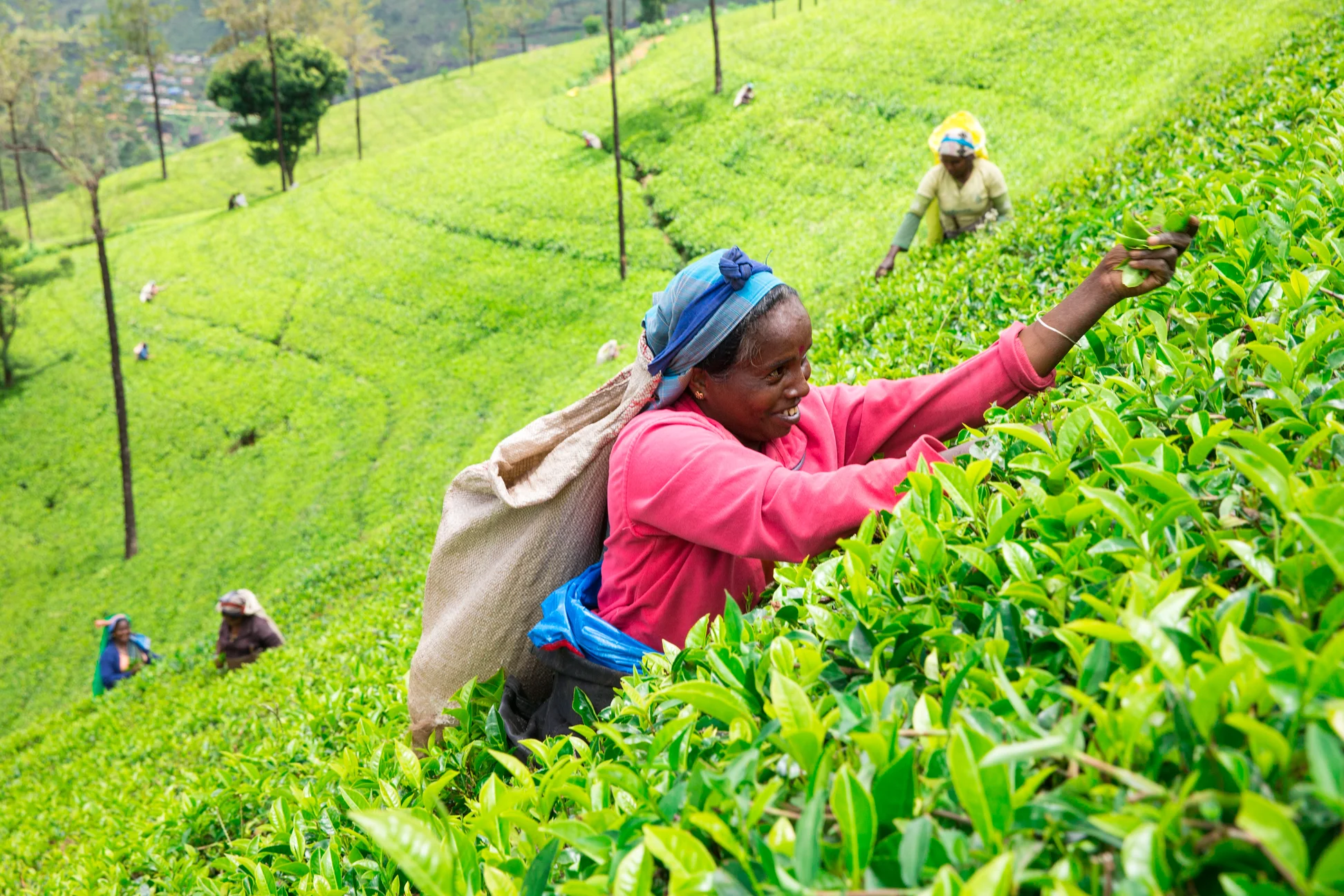
Nuwara Eliya is cooler: in January the mean daily maximum is 20.0 °C (68 °F) and the mean daily minimum 9.4 °C (49 °F), with 8 rain days. Pack a warm layer and a rain jacket for the tea country, even when the coast is hot.
From a beach hotel on the southwest coast, the Private 2-Days Tour: Kandy, Sigiriya and Dambulla Trip drives inland to Kandy and the Temple of the Tooth Relic and continues to Sigiriya and Dambulla; its operator also lists a tea plantation and a spice garden along the way. Pickup is arranged at your hotel.
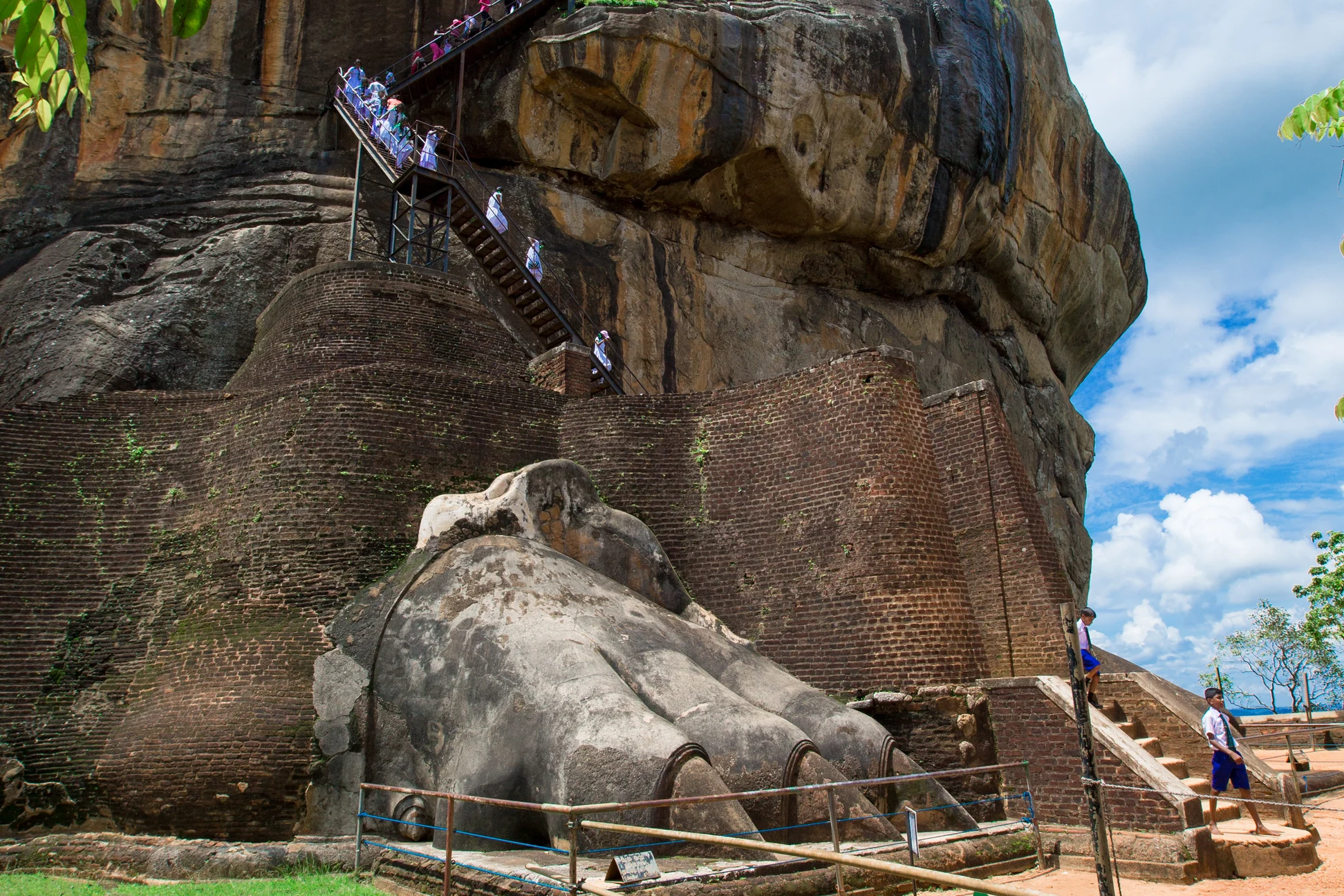
At Sigiriya, the ruins of the capital built by King Kassapa I lie on the slopes and at the summit of the Lion's Rock, a granite peak some 180 m (591 ft) high. The way up is through galleries and staircases that emerge from the mouth of a huge lion of brick and plaster.
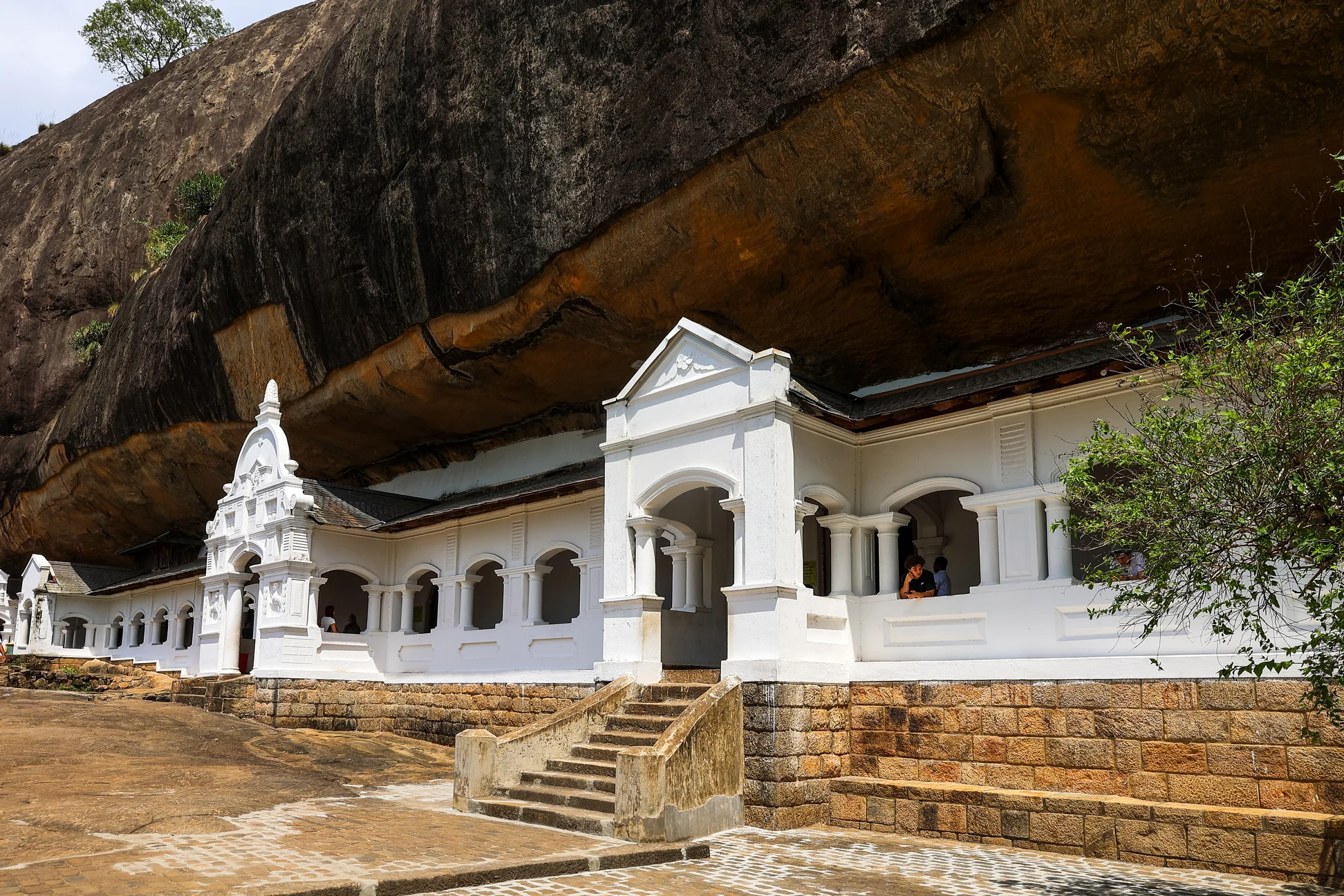
The Rangiri Dambulla Cave Temple has been a sacred pilgrimage site for 22 centuries, and its five sanctuaries hold Buddhist mural paintings and 157 statues. Forest-dwelling Buddhist monks have lived in these caves since the 3rd century BCE.
For a slower pace, the Private 4-Days Tour of Kandy Sigiriya and Dambulla covers the same sites with more time in each, and adds the Royal Botanical Gardens of Peradeniya near Kandy, according to its operator.
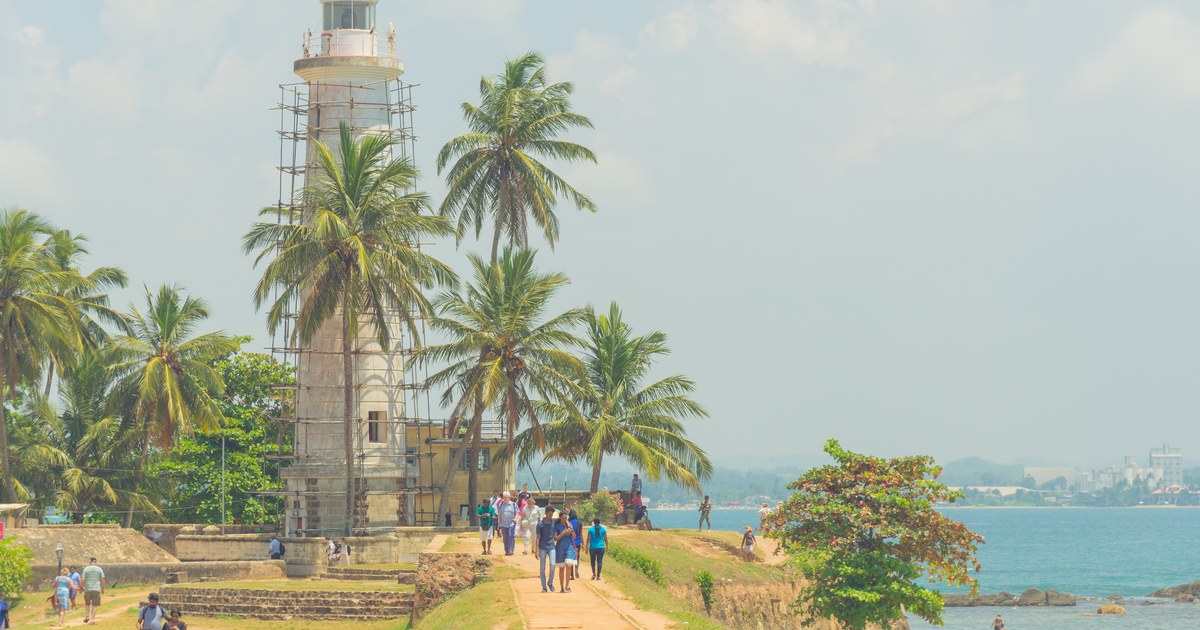
The Old Town of Galle stands on a small rocky promontory on the southwest coast. The Portuguese founded it as a fortified town in the 16th century, and it was at its peak in the 18th century, under Dutch colonial rule.
Its houses stand in rows with their narrow sides to the street, and their verandas are shaded by high overhanging roofs on slender columns. The ramparts follow the rock outcrops of the promontory rather than a regular European plan, with bastions facing both the sea and the land.
The Yala and Galle 2-Days Private Tour from Bentota pairs Galle Fort with a safari in Yala National Park, and the operator's itinerary also includes the Elephant Transit Home at Udawalawe and a boat ride on the Madu River, with pickup at your hotel. Closer to the beach hotels, the Bentota River Boat Tour: Mangroves, Crocs and Monkeys starts on the Bentota River and follows its mangrove channels; the operator names crocodiles, monitor lizards and kingfishers among the wildlife seen from the boat.
If you land in Colombo and stay a night, the Colombo Private Tuk Tuk Tour: Landmarks, Markets & Temples takes you by private tuk-tuk through the Fort and Pettah districts, starting in central Colombo; the operator's route takes in the Jami Ul-Alfar Mosque and Beira Lake.
If you stay on the coast for the whole trip, a river morning and a day in Galle fit around beach time. If you have a few days to spare, a private tour to Kandy, Sigiriya and Dambulla trades the heat of the coast for the hills and the rock sites.
Read the current GOV.UK travel advice for Sri Lanka, or your own government's current advice, before you book. GOV.UK warns that heavy rain in the inter-monsoon season has raised the risk of floods and landslides all over Sri Lanka, and that disruption to transport and other services is possible. Sri Lanka Tourism's 24-hour hotline is 1912.
GOV.UK adds that in many parts of Sri Lanka the monsoon rains can bring floods, and that heavy rains and landslips can close roads and affect local transport. According to GOV.UK, the surf or rip tides on many Sri Lankan beaches can be dangerous at some times of year, so ask your hotel or tour operator for advice before you go into the sea. Terrorist attacks in Sri Lanka cannot be ruled out, and they could be indiscriminate, hitting places that foreign nationals and tourists visit too.
Inside a Buddhist temple, keep your legs and shoulders covered and remove shoes and hats. Do not have your photo taken posing in front of a Buddha statue, and note that visible tattoos of Buddha can lead to refused entry or deportation. Wild elephants and crocodiles will attack humans on occasion, so follow the advice of authorised guides or your travel operator.
For a tuk-tuk, settle the fare before the ride starts, or choose one whose meter works. On a moving train, stay inside the carriage: visitors have died hanging out of open doorways or windows.
To enter Sri Lanka you need an Electronic Travel Authorization (ETA), a form of visa, which you should apply for online before travelling; it is valid for 30 days. Your passport should still be valid for at least 6 months from the day you arrive. You need a yellow fever vaccination certificate if you are coming from a country listed as a transmission risk. The GOV.UK health advice for Sri Lanka advises checking the latest vaccine recommendations at least 8 weeks before your trip, and lists dengue, chikungunya and Zika among the health risks.
The west or the south. Colombo and Galle are at their driest in January and February, while Trincomalee on the east coast has its wettest months in November and December.
It can be, but it is wetter than the months that follow: Colombo averages 10 rain days in December, twice its January figure. January and February are the driest months on the southwest coast.
From March into the summer. Trincomalee averages 4 rain days that month, and June is drier still.
Cooler rather than cold, but nights in the tea country are fresh: in January, Nuwara Eliya's mean daily minimum is 9.4 °C (49 °F). Bring a warm layer.