




Peloponnese Guided Cultural & Archaeological Tours from Athens
Expert-led day trips to Bronze Age citadels, ancient waterways, and Venetian harbour towns across mainland Greece's richest archaeological region.
The Peloponnese ranks as mainland Greece's most archaeologically significant region, home to Bronze Age citadels, Classical temples, and Venetian fortresses spanning over 3,000 years of history. Situated just 1 to 2 hours from Athens, this peninsula offers visitors efficient access to UNESCO World Heritage Sites and lesser-known ruins without the seasonal congestion of island destinations. Guided day tours from Athens provide expert interpretation of Mycenae's Cyclopean walls, the engineering marvel of the Corinth Canal, and Nafplio's pastel-coloured harbour.
Why Choose Guided Tours in the Peloponnese?
The Peloponnese presents an exceptional opportunity for history-focused travellers, couples, and small groups seeking structured access to Bronze Age landmarks. Unlike self-guided itineraries, professionally managed day tours eliminate logistical uncertainty and provide contextual knowledge that transforms archaeological sites from silent stone into living narratives.
Guided tours operating from Athens typically cover 80 to 120 kilometres in a single day, visiting 2 to 4 key sites with specialist commentary in multiple languages. Many itineraries incorporate the Corinth Canal (6 kilometres long, constructed in 1893), a practical gateway that separates the Peloponnese from central Greece and serves as a stunning photographic landmark. Tours often pair archaeological visits with local food experiences, such as olive oil tastings at family-run mills or wine sampling at regional producers, creating a fuller picture of Peloponnese culture and economy.
The Peloponnese is not merely a museum of ancient stones, but a living landscape where modern Greek agricultural traditions and 3,000 years of history coexist within the same valleys and hillsides.
What Are the Key Archaeological Sites in the Peloponnese?
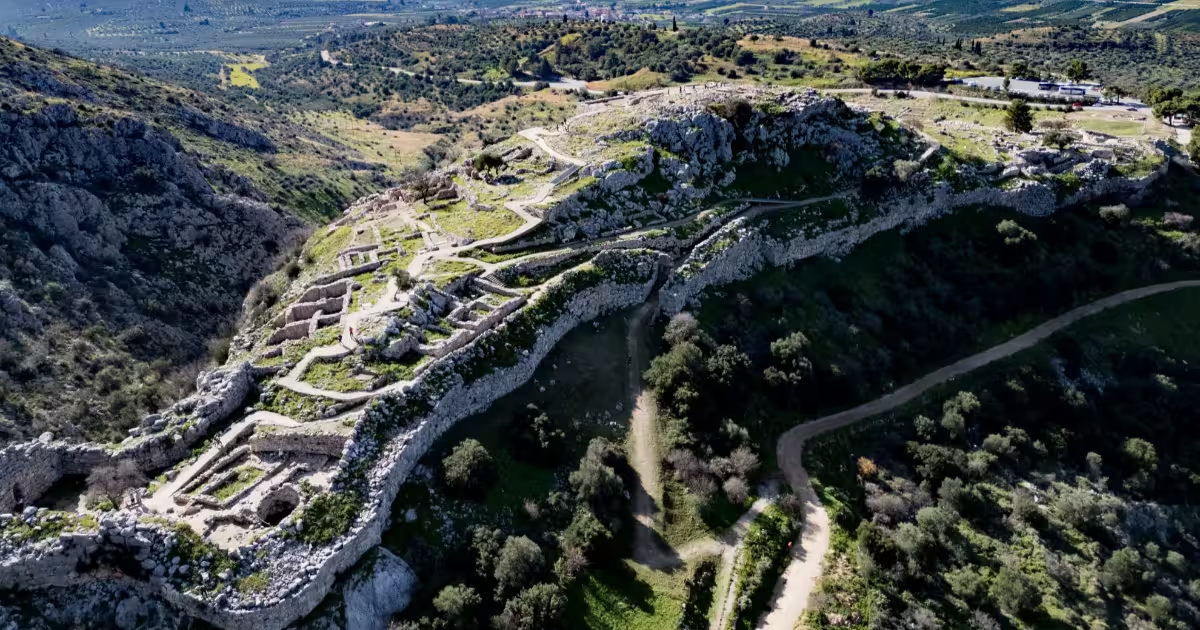
Mycenae stands as the region's most iconic destination, home to the citadel of the legendary Agamemnon and dating to approximately 1600 BCE. The site features the famous Lion Gate (the oldest monumental entrance in European architecture), Cyclopean masonry walls (some reaching 7 metres in height), and a subterranean chamber known as the Treasury of Atreus. Most guided tours allocate 90 to 120 minutes at Mycenae, allowing visitors to explore the acropolis, palatial ruins, and museum collections.
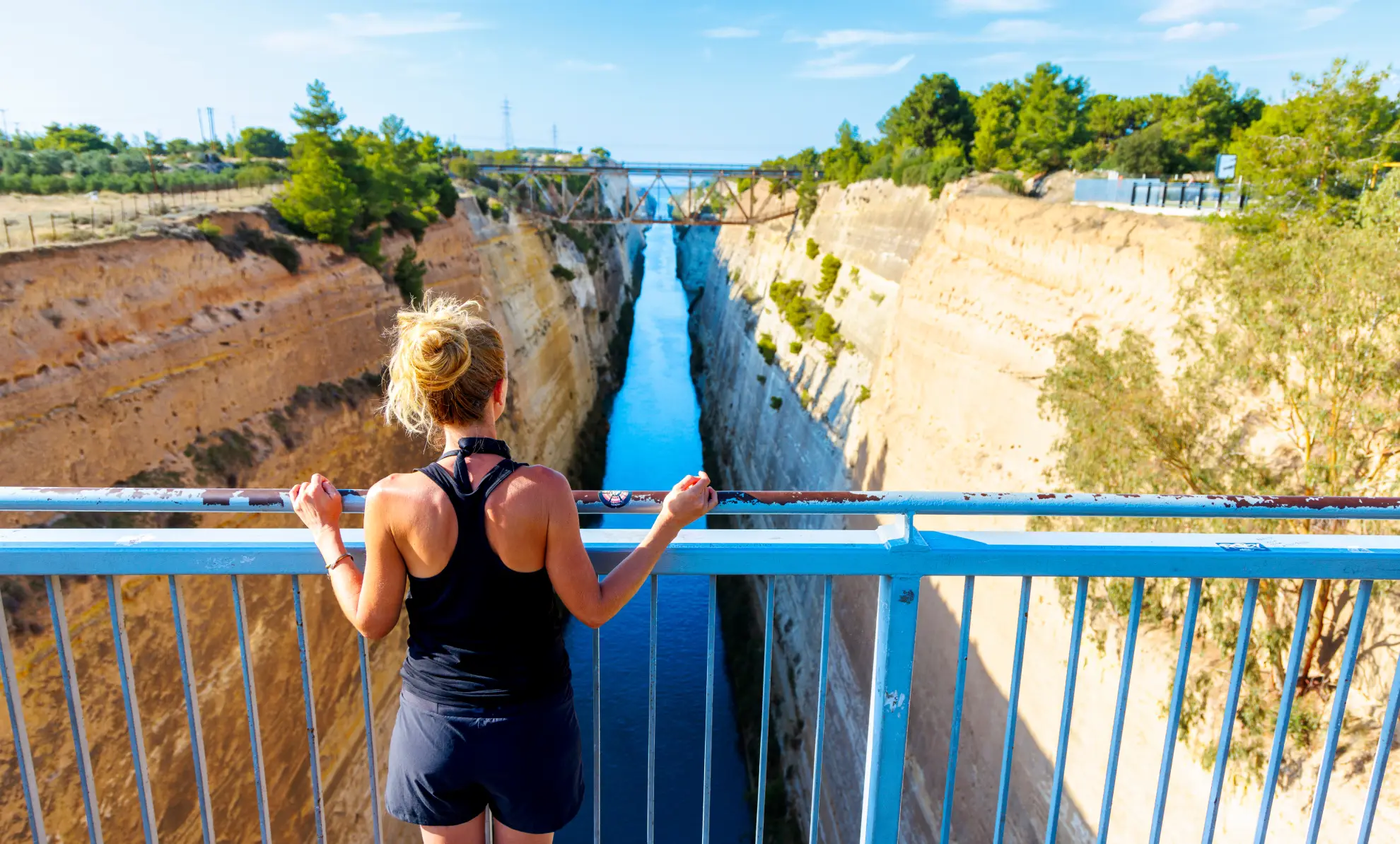
Corinth, situated 48 kilometres south-west of Athens, preserves temples, theatres, and administrative buildings spanning Archaic, Classical, and Roman periods. The Corinth Canal, cutting through the narrow Isthmus of Corinth, ranks among the world's most dramatic engineering accomplishments. Excavated between 1882 and 1893, the canal measures 6 kilometres in length and just 24 metres in width, creating near-vertical cliffs that rise 79 metres above the water level. Viewing platforms along the canal provide unobstructed vistas and photo opportunities.
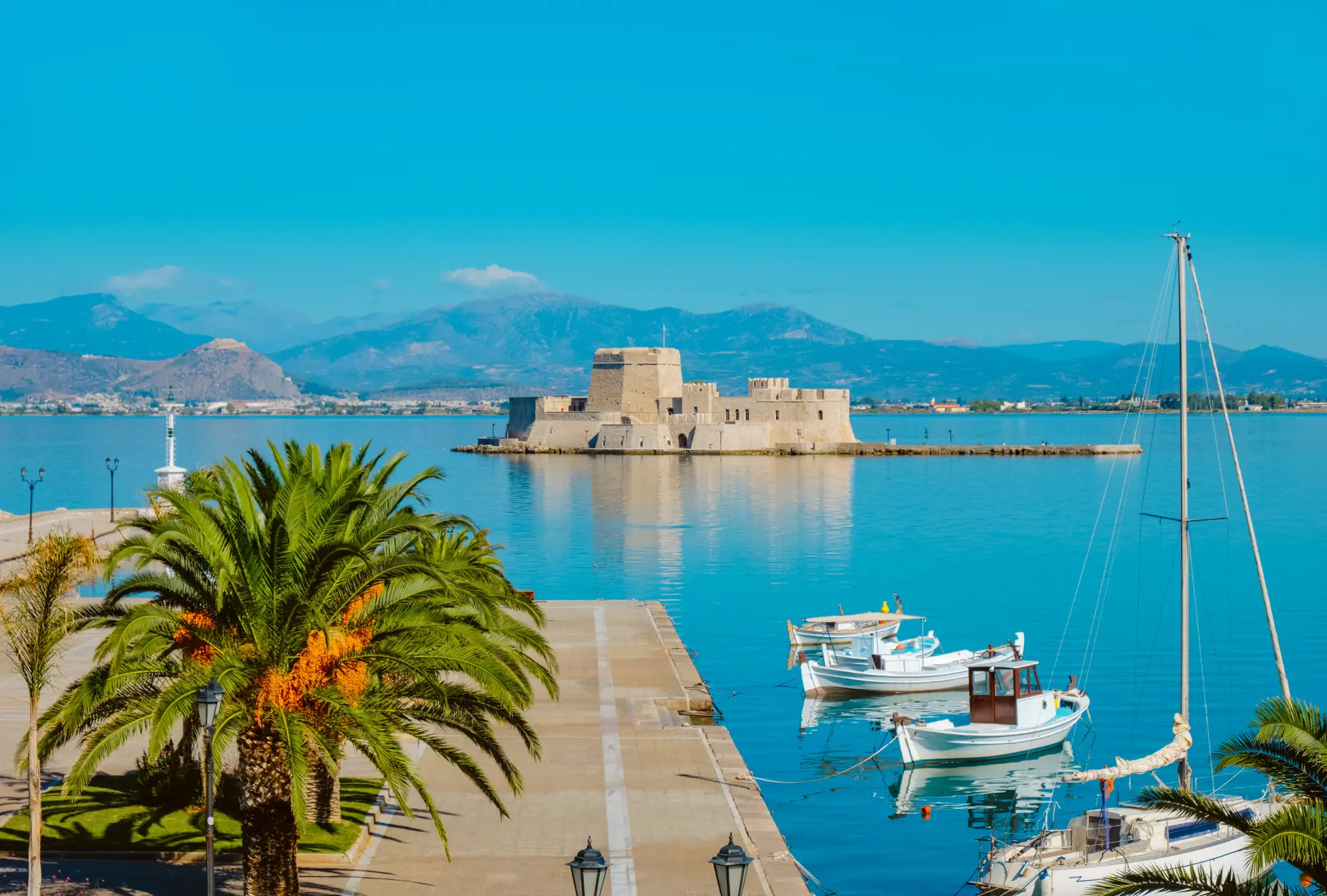
Nafplio, the Peloponnese's most picturesque port town, served as the first capital of independent Greece (1829-1834). The town's Venetian fortress, Palamidi, crowns a 216-metre promontory and features 999 stone steps leading to ramparts with panoramic views across the Argolic Gulf. Guided tours typically include 60 to 90 minutes in Nafplio's old town, wandering narrow streets lined with neoclassical mansions, local tavernas, and Ottoman-era mosques converted to Christian chapels.
Nafplio's transformation from Ottoman garrison town to Venetian stronghold to Greek national capital mirrors the broader political upheaval of the eastern Mediterranean.
What Experience Levels and Group Sizes Are Available?
ToursXplorer offers tours designed for travellers ranging from first-time visitors to seasoned archaeology enthusiasts. Private day trips accommodate 1 to 6 passengers, allowing fully customizable itineraries and personalised pacing. Group tours operate with 8 to 20 participants, creating opportunities to meet fellow history-focused travellers while benefiting from economies of scale on transportation and guide fees.
Tours rated for 'all fitness levels' typically involve 2 to 3 hours of walking across uneven terrain, moderate climbing, and periods of standing. More challenging itineraries (such as tours visiting both Mycenae and the acropolis of Corinth) may require 4 to 5 hours of activity. Children under 12 often participate free or at discounted rates when travelling with an adult ticket holder, making multi-generational trips feasible.
Departure times from central Athens (typically Syntagma or Omonia squares) range from 06:00 to 08:00, with return times between 18:00 and 20:00, depending on itinerary. ToursXplorer recommends booking tours 3 to 7 days in advance during peak months (April-May, September-October) to secure preferred departure times and group compositions.
Featured Peloponnese Cultural & Archaeological Tours
Ready to explore Peloponnese's ancient wonders? Browse ToursXplorer's full range of cultural and archaeological day trips from Athens and book your preferred date today.
Browse all Peloponnese tours on ToursXplorerHow to Plan Your Peloponnese Archaeological Day Tour
Most travellers departing Athens select between single-site focused tours (allowing 4 to 5 hours of immersion at one location) or multi-site combo tours (covering 2 to 3 highlights with shorter dwell times). Single-site tours suit archaeology enthusiasts and photographers willing to spend extended periods documenting details. Multi-site itineraries appeal to first-time visitors seeking a broad survey of Peloponnese history.
The optimal booking window is 5 to 14 days before your preferred departure date. Peak seasons (April-May, September-October) see tours filling 10 to 15 days in advance. Off-season months (November-February) offer smaller group sizes and lower prices but reduced daylight hours (sunset around 17:00-17:30). Travel between April and October offers daylight hours extending to 19:00-20:00, permitting later afternoon site visits and evening returns to Athens.
Physical fitness considerations are important. Mycenae requires climbing 120 to 150 metres of uneven, ancient pathways with occasional loose stones. Corinth involves some climbing but remains more accessible. Nafplio's Palamidi fortress demands ascending 999 stone steps (approximately 25 minutes at moderate pace), though guides can provide alternative lower-elevation views of the town. Comfortable walking shoes with ankle support are essential; trainers without proper grip can be risky on ancient stone surfaces.
ToursXplorer's featured tours include hotel pickup from central Athens locations, professional guide fees, and entrance tickets to all sites. Wine or olive oil tastings are included in relevant itineraries, though some tours offer optional meal upgrades at local restaurants. Private tours cost approximately 15 to 25 percent more than group alternatives but offer flexibility for custom stops and photography time.
The Broader Cultural Significance of Peloponnese Archaeology
The Peloponnese's archaeological importance extends far beyond monument tourism. The region witnessed the rise and fall of the Mycenaean civilization (c. 1600-1100 BCE), the development of Classical Greek city-states, the Hellenistic expansion following Alexander the Great, and Roman provincial administration lasting nearly 400 years. Each era left tangible traces: Mycenaean tholos tombs, Doric temple columns, Hellenistic pottery, and Roman bath complexes coexist within the same landscape.
For scholars and serious students of ancient history, guided tours unlock interpretive frameworks that solo travel cannot provide. Professional guides at ToursXplorer specialise in Bronze Age palatial economies, trade networks spanning the eastern Mediterranean, linguistic evidence preserved in Linear B inscriptions, and the archaeological debate surrounding the Trojan War's historical accuracy. These guides often hold graduate qualifications in archaeology, classical studies, or museum curation, bringing depth to site narratives.
The Peloponnese also illustrates continuity amid change. Modern grape and olive cultivation in the region follows methods documented in ancient texts. Nafplio's neoclassical architecture incorporates building stones and Islamic artisan traditions from Ottoman occupation. Contemporary communities maintain harvest festivals and local food cultures directly descended from Classical symposium practices. Guided tours often emphasise this living heritage, moving beyond 'dead museum culture' to show how ancient traditions inform modern Peloponnese identity.
| Site | Distance from Athens | Founded | Key Features | Recommended Duration |
|---|---|---|---|---|
| Mycenae | 120 km | c. 1600 BCE | Lion Gate, Cyclopean walls, Treasury of Atreus | 2-3 hours |
| Corinth | 70 km | c. 900 BCE (Classical period) | Temple of Apollo, Theatre, Roman ruins | 1.5-2 hours |
| Corinth Canal | 78 km | 1893 (completed) | Viewing platforms, 79-metre cliffs, 6 km length | 30-45 minutes |
| Nafplio | 140 km | Medieval Venetian period | Palamidi fortress, neoclassical old town, Argolic Gulf harbour | 2-3 hours |
| Olympia | 320 km | c. 776 BCE (Olympic Games origin) | Zeus temple, stadium, ancient workshop sites | 3-4 hours |
Practical Considerations for Day Tours from Athens
Transportation logistics form the backbone of successful day itineraries. Private tours provide door-to-door service (pickup from most Athens hotels at 06:00-07:30, return by 19:00-20:00). Group tours depart from centrally located meeting points (typically Syntagma Square) with similar timeframes. Road conditions from Athens to the Peloponnese are excellent, with modern motorways (A7/E65) completing the 70-120 kilometre journeys in 1 to 1.5 hours depending on destination.
Ticket prices vary by site and tour type. Mycenae entrance (UNESCO World Heritage Site) costs approximately 12 EUR per adult, valid for entry to the museum and archaeological zone. Ancient Corinth charges roughly 9 EUR. Nafplio's Palamidi fortress entrance is approximately 8 EUR. Most ToursXplorer tours include all site tickets in the headline price. Guides typically receive gratuities (5-10 EUR per person) at tour conclusion, though tips remain optional and genuinely voluntary rather than obligatory.
Seasonality significantly impacts the experience. Summer months (June-August) bring crowds exceeding 2,000 daily visitors to Mycenae, with peak congestion between 11:00 and 14:00. Visiting in shoulder seasons (April-May, September-October) reduces crowds by 40 to 50 percent while maintaining comfortable daylight hours. Winter tours (November-February) operate but encounter shorter daylight windows (sunset around 17:00) and occasional rainfall; however, these months offer the most authentic experience of site archaeology without seasonal tourism noise.
Frequently Asked Questions
April-May and September-October offer ideal conditions with moderate temperatures (20-25 degrees Celsius), extended daylight (until 19:00+), and manageable visitor numbers. June-August peak season brings 2,000+ daily visitors to major sites and intense heat (30-35 degrees Celsius). November-February provides solitude and lower prices but reduced daylight (sunset by 17:00) and occasional rain.
Yes. Children under 12 typically enter archaeological sites free or at 50 percent discount. Physical demands vary by tour: Nafplio's Palamidi fortress requires ascending 999 steps (25 minutes), while Corinth site access is more accessible. Tours accommodate children aged 5+; younger children may find extended driving times challenging. Confirm child pricing and itinerary suitability when booking.
Most day tours depart Athens 06:00-07:30 and return 18:00-20:00, totalling 12-14 hours including 3-4 hours at archaeological sites, 2-3 hours driving, and meal/tasting breaks. Multi-site tours visit 2-3 locations; single-site focused tours allow 4-5 hours at one destination. Private tours offer flexibility to shorten or extend the itinerary.
Featured guides hold qualifications in classical studies, museum curation, or archaeology. Most speak 2-4 languages and specialise in Bronze Age Mycenaean civilisation, Classical Greek history, or Roman Peloponnese archaeology. Guides provide contextual interpretation of site narratives, not merely monument facts. Confirm guide language and specialisation when booking.
Wear comfortable walking shoes with ankle support (ancient stone surfaces are uneven). Bring water (2+ litres, refillable bottles recommended), sun protection (hat, SPF 30+ sunscreen), and lightweight layers (mornings cool, afternoons warm). Archaeological sites offer minimal shade; consider a light rain jacket for off-season travel. Mobile phones useful for photography; guides provide cultural context, not audio-guide reliance.
Most tours do not include meals but provide 45-90 minute lunch breaks in local towns (Corinth, Nafplio, Mycenae village). Guides recommend authentic tavernas serving traditional Greek fare at moderate prices (12-18 EUR per meal). Wine and olive oil tastings are included in 'combo' tour itineraries; standard archaeological tours do not include food. Carry snacks and water for afternoon site visits.