




Palermo Food & Culinary Tours: Local Markets, Street Food & Authentic Recipes
Guided tastings through centuries of Arab-Norman cuisine on Sicily's most food-focused island.
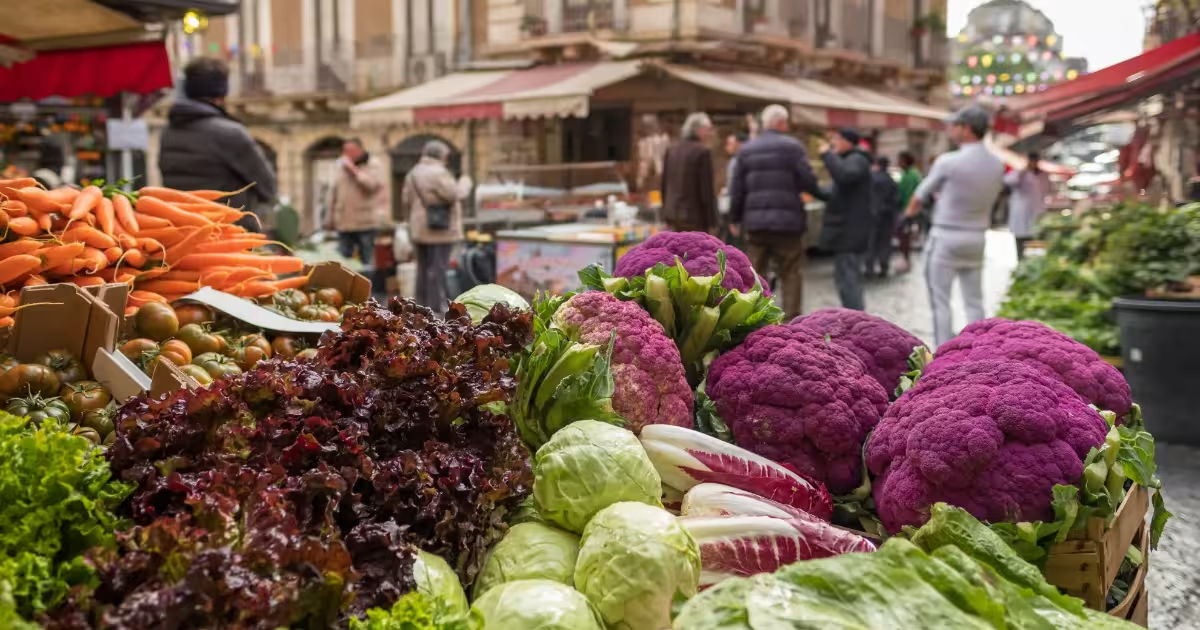
Palermo's food scene ranks among Europe's most culturally layered, shaped by 800 years of Arab, Norman, and Spanish rule. Street markets like Ballarò and Vucciria remain the city's culinary heartbeat, where vendors sell arancini, sfincione, and fresh seafood alongside housewares and textiles. A guided food tour transforms these markets from tourist attractions into edible history lessons, connecting each dish to the civilizations that shaped Sicilian identity.
Why Palermo's Markets Tell the Island's Cultural Story
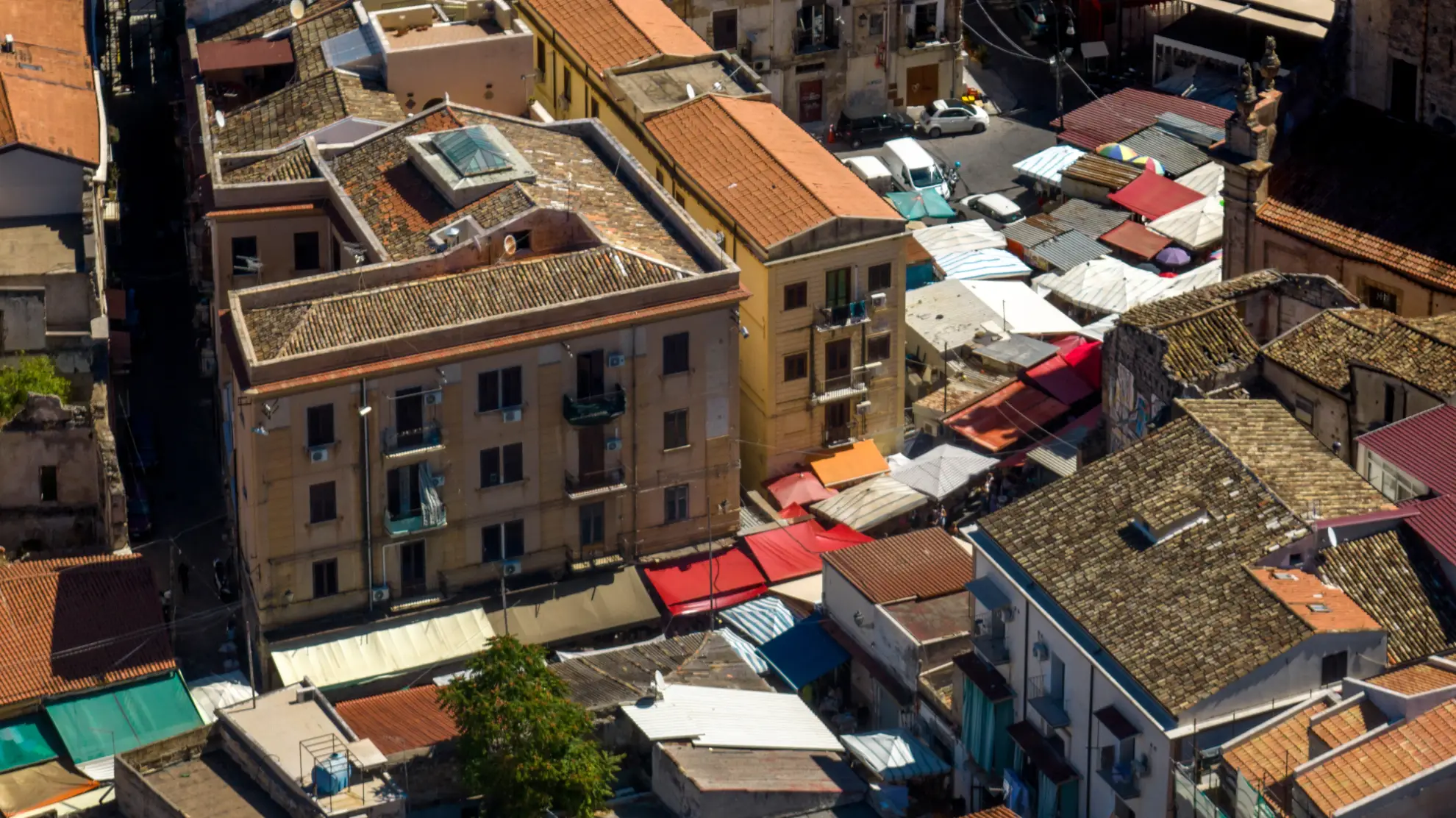
Palermo's three main markets (Ballarò, Vucciria, and Capo) occupy the same street corners they have for centuries. The Ballarò market, established in the 15th century under Spanish rule, stretches nearly 1 kilometer through the Albergheria district. Street vendors there sell arancini (rice balls with ragù) and panelle (chickpea fritters) from carts unchanged in design for 100 years. These foods are not mere snacks; they document migration, trade routes, and religious practices that shaped medieval Mediterranean commerce.
The Vucciria market, mentioned in historical records dating to the 1400s, derives its name from the Sicilian word 'vuciria' (voiciness, clamor). Here, fishmongers display swordfish from the Tyrrhenian Sea alongside pasta vendors and sellers of preserved lemons. According to ToursXplorer's guide network, a local-led walk through these markets typically lasts 2 to 3 hours and covers food history from Arab occupation (827-1091) through Spanish and Italian rule. Food tours that include tastings at market stalls cost between EUR 35 and EUR 65 per person.
The markets of Palermo are outdoor museums of culinary history, each ingredient and preparation method carrying the fingerprint of civilizations that ruled Sicily for a thousand years.
What Authentic Street Foods Should You Taste in Palermo?
Arancini represent Sicily's most iconic street food and originate from 12th-century Arab kitchens. These golden, breaded rice balls typically contain ragù (beef stew), peas, and mozzarella, and are sold warm from market carts throughout Palermo. Street vendors often fry them fresh to order, a practice that distinguishes them from pre-made varieties sold in souvenir shops near monuments.
Sfincione is Palermo's answer to pizza, a rectangular, thick-crusted bread topped with tomato sauce, onions, anchovies, and breadcrumbs. Unlike Neapolitan pizza, which relies on mozzarella, sfincione uses caciocavallo (stretched cheese) and is sold by the slice at bakeries and market stalls. Cannoli, the dessert of ricotta cream in fried pastry tubes, originated in convents around Palermo in the 10th century and remain the city's most photographed treat. Other essential tastes include panelle (chickpea fritters), croquettes filled with meat or potato, and pasta con le sarde (pasta with sardines and wild fennel), which appears on menus throughout the city.
ToursXplorer offers guided culinary experiences that include guided tastings at 4 to 6 stops across a single market, typically sampling 8 to 12 foods in 2 hours. Many tours conclude with a seated meal at a local restaurant or at a market vendor's adjacent trattoria, allowing deeper exploration of how street food connects to sit-down dining traditions.
How Do Day Trips Extend Palermo's Culinary Reach?
While Palermo's markets anchor food tourism, several day trips showcase Sicily's wider culinary diversity. A journey to Erice, a 14th-century hilltop town 130 kilometers west of Palermo, combines narrow medieval streets with visits to artisanal producers. Erice is famous for almond-based sweets (torrone), pasta production, and pasta-making demonstrations. Tours to Erice typically require 3 to 4 hours of driving from Palermo and include stops at nearby Segesta, an ancient Greek temple site 50 kilometers away, with lunch at a countryside trattoria serving Trapani-style pasta with pesto made from basil, garlic, and local almonds.
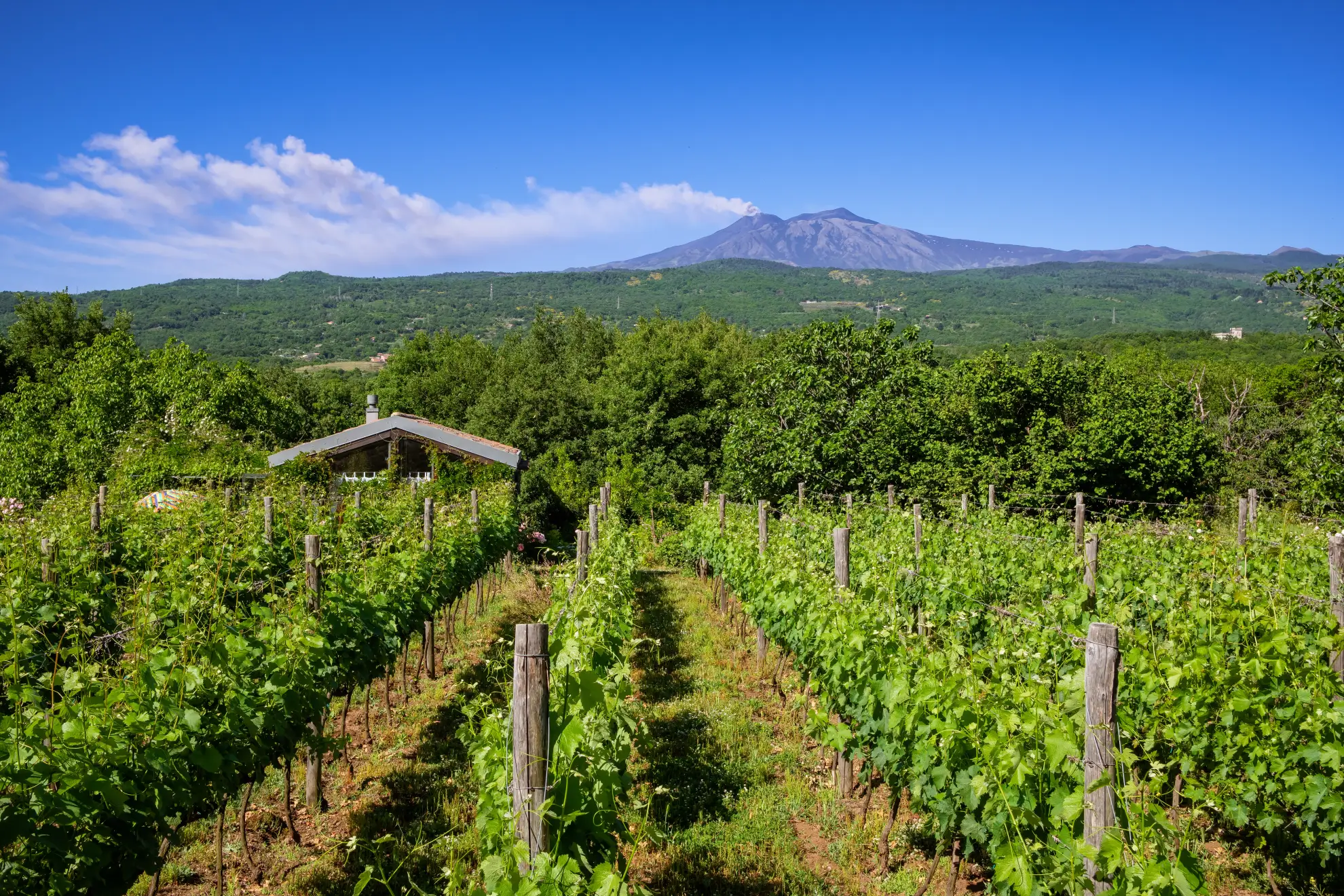
Mount Etna, located 200 kilometers southeast of Palermo near Taormina, offers a contrasting landscape where volcanic soil produces distinctive wines and almonds. Full-day Mount Etna tours from Palermo typically depart at 6 a.m., include a 4x4 vehicle ascent to the 1,920-meter mark on the volcano's slope, and feature a rustic lunch at a family-run farm restaurant featuring smoked meats, vegetables roasted in volcanic stones, and Etna Rosso wine. These tours last 11 to 13 hours including travel time and return to Palermo by 7 p.m.
Extending a Palermo food tour to Erice or Mount Etna reveals how Sicily's culinary identity shifts with landscape, altitude, and soil, transforming simple ingredients into region-specific traditions.
Multi-Experience Tours Combining Markets, Monuments & Culinary Stops
Browse 156 active tour options on ToursXplorer, including guides specializing in Palermo's markets and Sicily's wider culinary regions.
Browse all Palermo tours on ToursXplorerQuick Reference: Palermo Food Tour Essentials
| Tour Type | Duration | Typical Cost (EUR) | Best For | Key Experience |
|---|---|---|---|---|
| Market Walk & Tasting | 2-3 hours | 35-65 | Street food enthusiasts, first-time visitors | Guided tastings at 4-6 market stalls; arancini, panelle, sfincione |
| Full-Day Palermo City | 8-10 hours | 60-100 | Cultural travelers, monument seekers | Markets + Monreale Cathedral + Mondello Beach + lunch |
| Erice & Segesta Day Trip | 11-12 hours | 75-120 | History and cuisine combined | Medieval town, Greek ruins, Trapani pasta, artisanal sweets |
| Mount Etna Jeep Tour | 11-13 hours | 85-150 | Adventure-focused food travelers | Volcanic landscape, farm lunch, Etna wine, 4x4 ascent to 1,920m |
| Private Market Guide | 2-4 hours | 120-250 | Couples, small groups, specialized interests | Customized stops, one-on-one culinary history, cooking class options |
Planning Your Palermo Food Tour: Practical Guidance
Palermo's markets operate year-round but reach peak liveliness between 6 a.m. and 1 p.m., when vendors display fresh stock and foot traffic allows room for tour groups to move comfortably. Most food tours depart hotels in central Palermo (near the railway station or Teatro Politeama) between 8 a.m. and 10 a.m., concluding by 1 p.m., allowing travelers to rest before afternoon sightseeing or dining. Early morning tours capture the markets at their most authentic, with fewer tourists and more active vendor interactions.
Wear comfortable walking shoes; market floors are often wet from vendor stalls and early-morning cleaning. Bring cash in small denominations (EUR 5-20 notes) as many market vendors and small trattorie do not accept cards. Most food tours include 4 to 6 tastings (arancini, panelle, pasta, pastry, drink) but do not constitute a meal; travelers eat snacks throughout the walk rather than a single seated course. ToursXplorer recommends booking tours with guides holding official Palermo Chamber of Commerce accreditation, a distinction that signals knowledge of food history and health-safety protocols at tasting locations.
Dietary requirements are accommodable on many tours (vegetarian, vegan, gluten-free, shellfish allergies) if communicated to the operator at least 48 hours before departure. Guides affiliated with ToursXplorer's platform typically speak Italian and English, with many fluent in German, French, or Spanish. Group food tours average 8 to 15 participants, while private guides serve couples, families, or groups up to 4 people at higher rates.
Beyond Palermo: How Sicilian Food Culture Varies Across Regions
While Palermo dominates Sicily's food tourism reputation, the island's culinary identity shifts dramatically across its three provinces. Eastern Sicily (Catania, Messina, Syracuse) emphasizes seafood, pasta con le sardine (a 15th-century Sicilian dish), and wines from Mount Etna's volcanic slopes. Western Sicily (Trapani, Marsala) specializes in pasta with pesto (basil, almonds, garlic), preserved lemons, and fortified Marsala wine used in both savory and sweet dishes. The island's central valley produces sheep's milk cheese (caciocavallo, tuma) and cured meats influenced by Spanish traditions imported during the 15th-16th century Habsburg rule.
Food tours extending from Palermo to these regions reveal how geography, historical occupation, and local ingredients create distinct Sicilian cuisines within a single island. A traveler exploring only Palermo's markets misses Mount Etna's unique farm-to-table experience, Erice's almond confections, and Syracuse's Greek-influenced seafood traditions. ToursXplorer lists 156 Sicily tours across the island, with 40-50 specifically focused on food and wine in the Palermo region, making it feasible to combine city-based markets with multi-day regional culinary itineraries across western and eastern Sicily.
Book a morning or afternoon food tour through ToursXplorer to join small groups or arrange private guides for market walks and tastings.
Frequently Asked Questions
Arancini (rice balls with ragù), panelle (chickpea fritters), sfincione (thick-crusted bread pizza), croquettes, and pasta con le sardine are Palermo's essential street foods. Most market food tours include tastings of 4 to 6 items at vendor stalls. Cannoli (ricotta cream in fried pastry) and granita (frozen fruit cream) are popular desserts. Prices range from EUR 2-5 per item; a full tasting walk costs EUR 35-65.
Market-focused food tours last 2 to 3 hours, typically departing between 8 a.m. and 10 a.m. to capture peak vendor activity and fresh stock. Tours cover one or two of Palermo's three main markets (Ballarò, Vucciria, Capo). Full-day city tours combining markets with monuments (Monreale Cathedral, Mondello Beach) run 10 to 12 hours. Guides affiliated with ToursXplorer generally provide English-language commentary.
Yes, private food guides are available through ToursXplorer, serving couples, families, or small groups at rates between EUR 120-250 for 2-4 hours. Private tours allow customization (dietary needs, specific interests, pace). Many private guides offer cooking classes in addition to market walks, teaching pasta-making or cannoli preparation. Book at least 48 hours in advance through ToursXplorer to confirm availability.
Street food markets sell individual items (arancini, panelle, croquettes) designed for eating while walking; portions are small, prices low (EUR 2-5), and consumption is communal and informal. Sit-down trattorie serve multi-course meals with pasta, secondi (meat or fish), and wine, lasting 1.5-2 hours, costing EUR 15-35 per person. Many food tours include a final seated meal at a market-adjacent restaurant to contrast quick snacking with traditional dining rituals.
Day trips extend Palermo's culinary experience significantly. Erice (130 km west) offers medieval architecture, artisanal almond sweets, and Trapani-style cuisine; tours run 11-12 hours and cost EUR 75-120. Mount Etna (200 km southeast) provides volcanic landscape, farm lunches with Etna wines, and unique altitude-grown crops; tours run 11-13 hours and cost EUR 85-150. Combination itineraries can be booked through ToursXplorer to maximize Sicily's culinary diversity in a single week.
Yes, dietary needs (vegetarian, vegan, gluten-free, shellfish allergies) are accommodable if reported to the tour operator at least 48 hours before departure. Market vendors often have alternative options; many guides maintain lists of restaurants and market stands offering substitutions. Private guides offer more flexibility for customizing tasting routes around restrictions. ToursXplorer operators can coordinate with guides to ensure safe, inclusive experiences for all traveler types.