





Nara Tours: Guided Day Trips to Japan's Ancient Capital
Explore UNESCO World Heritage temples, sacred shrines, and the iconic Nara Park deer on a guided cultural excursion from Kyoto.
Nara stands 45 minutes south of Kyoto by direct train, making it Japan's most accessible ancient capital for a single-day cultural excursion. Home to the world's largest bronze Buddha at Todai-ji Temple and a UNESCO World Heritage complex spanning eight centuries of Buddhist and Shinto architecture, Nara attracts over 14 million visitors annually. A guided tour cuts through the layers of historical significance often missed by independent travellers, especially across the four major temple and shrine complexes that define the city's spiritual landscape.
Why Choose a Guided Day Trip to Nara from Kyoto?
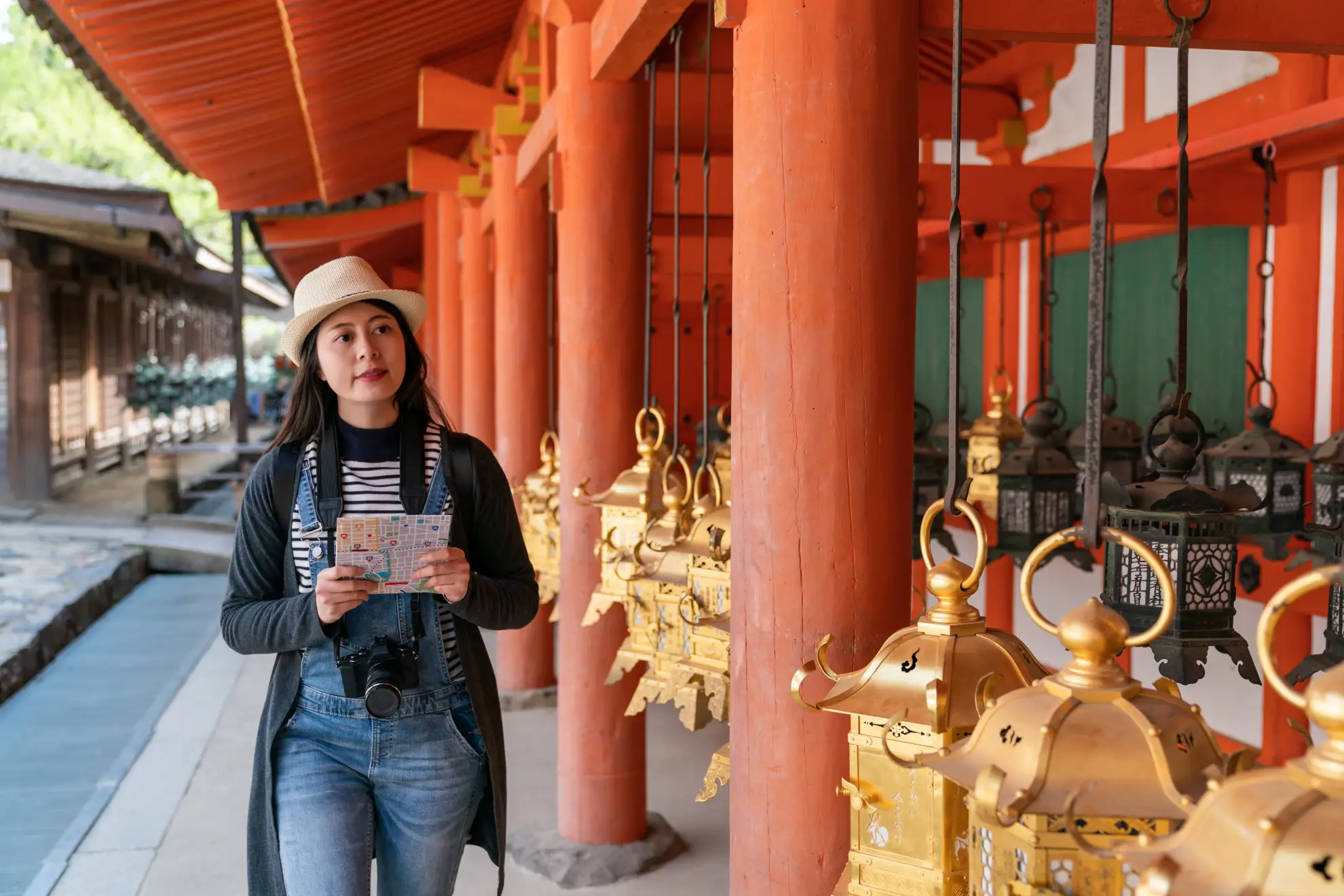
The 45-minute Kintetsu Limited Express train from Kyoto's Kawaramachi Station to Nara Station eliminates the need for a rental car and removes navigation uncertainty. Guided tours provide historical context that temple inscriptions and tourist maps cannot convey alone. At Todai-ji Temple, built in 752 CE during the Nara Period, a guide explains the geopolitical role of the Great Buddha (Daibutsu) in consolidating imperial authority, whereas a solo visitor sees only the 15-meter-tall bronze statue. Similarly, Kasuga Taisha Shrine's 3,000 hand-cast lanterns represent a votive tradition spanning over 1,100 years, a significance that becomes clear through expert narration rather than observation.
ToursXplorer specializes in curating cultural experiences that connect travellers with the stories behind monuments rather than treating them as photo opportunities. First-time visitors to Japan, particularly those extending a Kyoto itinerary, benefit from having a knowledgeable guide manage logistics, entry times, and crowding patterns at peak-traffic sites.
A guided tour adds historical context that independent visitors often miss, particularly at UNESCO World Heritage sites where layers of Buddhist and Shinto significance are not immediately visible.
What Are Nara's Must-See Cultural Landmarks?
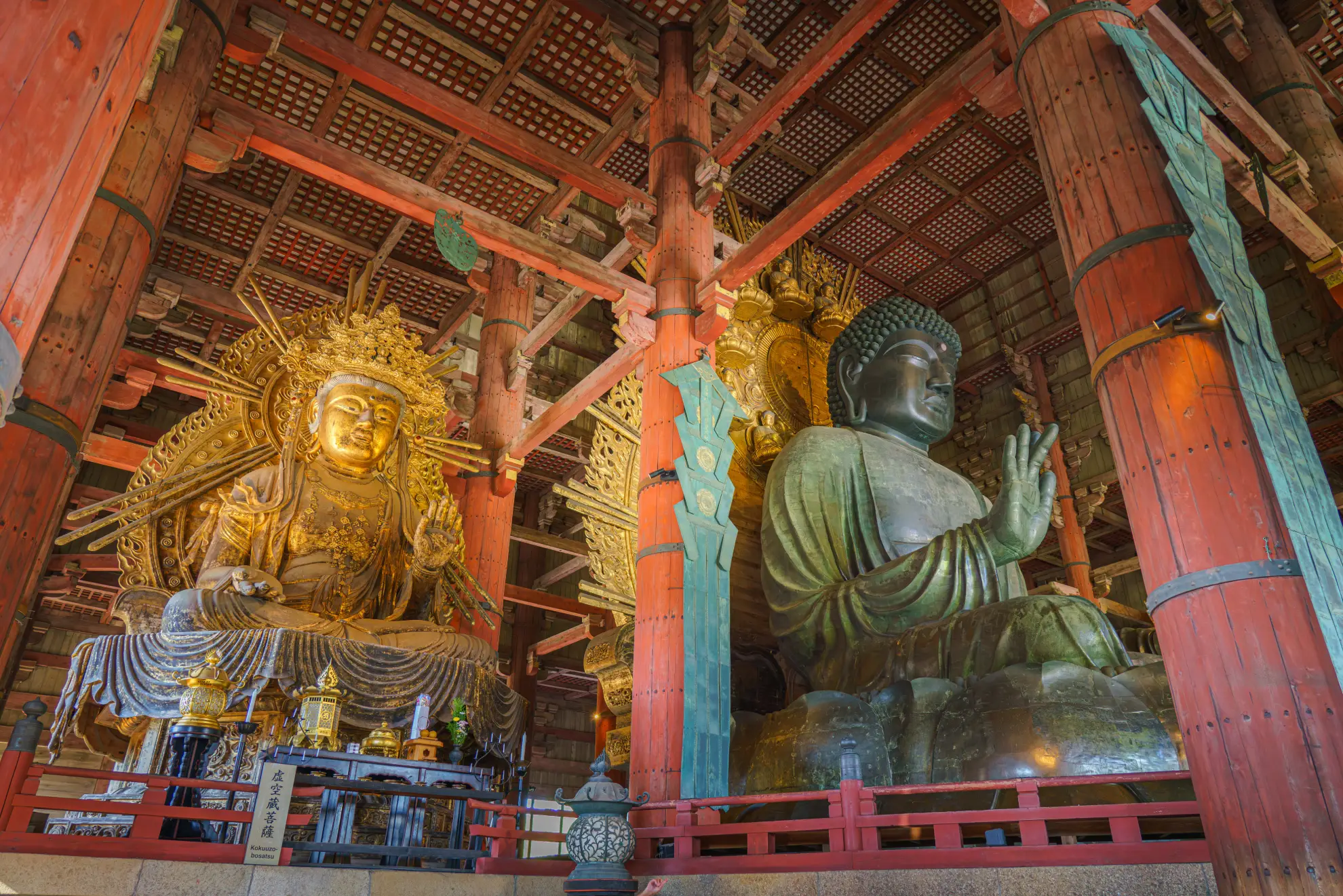
Nara's eight UNESCO World Heritage sites cluster within a 2-kilometre radius of Nara Station, making the city remarkably compact. Todai-ji Temple dominates the eastern parkland, housing the Great Buddha cast from 437 tonnes of bronze. Kasuga Taisha Shrine, founded in 768 CE, sits deeper within forested slopes and features a distinctive architectural style blending Shinto minimalism with gilded decorative elements rare outside the Kansai region. Kofuku-ji Temple, part of the same World Heritage ensemble, contains a five-storey pagoda rebuilt in 1426, making it the second-oldest wooden tower structure in Japan after the Horyu-ji pagoda in nearby Ikaruga (built 710 CE).
The Naramachi merchant district preserves pre-Meiji wooden merchant houses, some now operating as small museums, tea rooms, and craft shops. Nara National Museum, founded in 1889, holds one of Japan's largest Buddhist art collections, with over 9,000 items spanning sculpture, painting, and decorative metalwork. Walking through these sites over six to eight hours allows meaningful engagement with Japanese cultural heritage without the overnight logistics of a multi-day stay.
How Long Does a Day Trip from Kyoto to Nara Take?
A full cultural itinerary requires 8 to 10 hours door-to-door, accounting for the 45-minute train ride each way plus a 5-10 minute walk from Nara Station to the main sites. Most guided tours allocate 4 to 5 hours for temple and shrine visits, leaving 2 to 3 hours for the Naramachi district, museum visits, or lunch breaks. Train service runs from early morning (first departures around 6:30 AM) through late evening (last trains around 11:00 PM), allowing flexibility for early starts or evening returns to Kyoto.
Nara's eight UNESCO World Heritage sites cluster within a 2-kilometre radius, making the city remarkably compact and manageable in a single day.
Travellers should wear comfortable walking shoes, as the itinerary involves approximately 4 to 6 kilometres of walking across parks, temple grounds, and pedestrian streets. The best seasons are April (cherry blossom bloom) and October to November (autumn foliage), though Nara remains accessible year-round. Summer months (July and August) bring high humidity and midday temperatures exceeding 32°C, while winter (December to February) sees fewer tourists and clearer visibility for photography.
| Landmark | Distance from Station | Typical Visit Duration | Entry Fee (2026) |
|---|---|---|---|
| Todai-ji Temple | 1.2 km | 1 to 1.5 hours | ¥1,000 |
| Nara Park | 0.8 km | 1 to 2 hours (deer observation) | Free |
| Kasuga Taisha Shrine | 1.8 km | 1 hour | ¥500 |
| Kofuku-ji Temple | 0.6 km | 45 minutes to 1 hour | ¥900 |
| Naramachi District | 0.5 km | 1.5 to 2 hours | Free (museum visits separate) |
| Nara National Museum | 1.1 km | 1.5 to 2 hours | ¥1,700 |
What Should Travellers Know About Nara's Free-Roaming Deer?
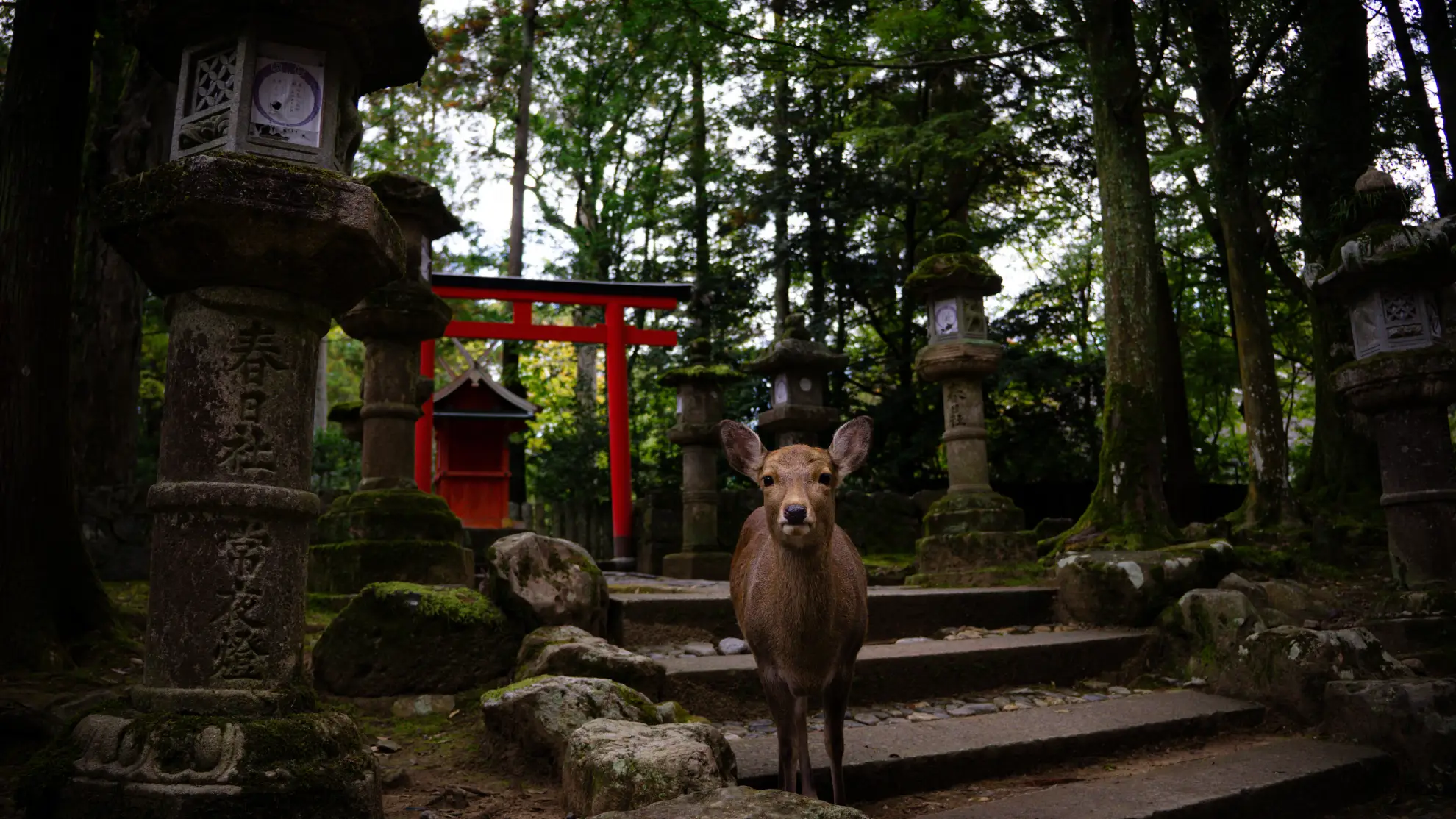
Nara Park's approximately 1,200 sika deer roam freely across 502 hectares of open grassland and woodland. These are not tame animals; they are wild creatures accustomed to human presence but capable of causing injury if provoked. Guides trained in animal behaviour educate visitors on safe interaction, teaching visitors not to feed the deer anything other than purchased deer crackers (shika senbei), which are sold at kiosks throughout the park. Feeding non-approved foods can cause digestive distress in the animals and has led to several high-profile incidents involving tourists carrying plastic bags mistaken for food.
Photography tips, seasonal behavioural patterns (autumn rutting season brings more aggressive male deer), and optimal times for observing herds in natural grazing behaviour are details that elevate a guided experience. Nara attracts 8 to 14 million annual visitors, with summer vacation periods (late July and early August) bringing the highest crowds, while December and January see the fewest tourists.
Currently, ToursXplorer's guided Nara tour catalogue is being updated for 2026. Check back regularly or explore nearby Kansai cultural experiences while we expand our offering.
Browse all Nara tours on ToursXplorerPlanning Your Nara Day Trip: Practical Information
Transportation from Kyoto is straightforward: purchase a Kintetsu railway ticket (approximately ¥600 to ¥1,200 depending on train type) at Kyoto's Kawaramachi Station and arrive in Nara within 45 minutes. The Kintetsu Nara Station sits steps from the central commercial district and a 10-minute walk from the first temple entrances. Japan Rail (JR) offers an alternative route via Nara Station (JR line), but the Kintetsu route is more direct for this itinerary.
Food and refreshments are abundant throughout Nara. The Naramachi district features traditional soba and udon noodle shops, while tea rooms serve matcha and traditional sweets. Lunch typically costs ¥1,500 to ¥3,000 per person. Most temples remain open from 8:00 AM to 5:00 PM year-round, though winter (November to February) sees slightly earlier closing times (4:30 PM). ToursXplorer recommends booking accommodation in Kyoto the night before to ensure an early start, though ambitious travellers can depart Kyoto at 7:00 AM and return by 8:00 PM the same day.
Accessibility considerations: while Todai-ji Temple has wheelchair-accessible entrances and level interior pathways, Kasuga Taisha Shrine involves steep uphill walking and stone stairs, making it challenging for those with mobility restrictions. Kofuku-ji is largely accessible at ground level. Nara's compact layout reduces unnecessary travel between sites, and several guided providers offer abbreviated itineraries for visitors with time or mobility constraints.
Why Nara Complements a Kyoto-Centred Japan Itinerary
Kyoto and Nara represent distinct periods in Japanese history. Kyoto served as the imperial capital from 794 to 1868 CE (Heian through Meiji transition), while Nara held that role from 710 to 794 CE during the early Buddhist adoption. A traveller experiencing both cities in a single trip gains perspective on how Buddhist architecture, Shinto shrine design, and imperial patronage evolved across centuries. Kyoto's temples reflect later medieval refinement (Zen Buddhism, minimalist gardens), whereas Nara's monuments showcase the grandiose scale and Chinese-influenced aesthetics of Japan's earliest centralized state.
The UNESCO World Heritage designation of Nara's Historic Monuments (awarded in 1998) recognizes eight temple and shrine complexes: Todai-ji Temple, Kasuga Taisha, Kasuga Okuyama Primeval Forest, Kofuku-ji Temple, Gangoji Temple, Yakushi-ji Temple, Toshodai-ji Temple, and Heijo Palace. These sites collectively document nearly 1,300 years of continuous cultural and spiritual practice. Kyoto-based travellers can experience this depth in a single day without overnight accommodation, making Nara an ideal secondary destination for those prioritizing efficient cultural immersion.
ToursXplorer guides who work in the Kansai region often combine Nara with Osaka castle or Mount Yoshino (a further 90 minutes south by train) for travellers with extended itineraries. Day-trippers with one full day are best served by focusing exclusively on the Nara Park cluster, allowing time for both landmark visits and leisurely exploration of the Naramachi merchant district.
Frequently Asked Questions
A guided tour is not strictly necessary, as Nara's compact layout and English signage make independent navigation feasible. However, guides provide historical context about temple construction dates, architectural influences, and votive traditions that transforms visits from sightseeing to deeper cultural understanding. Guides also manage logistics, crowding patterns, and photography timing, especially valuable during peak seasons (April and October to November).
Expect to spend ¥3,500 to ¥6,000 per person for a Kyoto-Nara day trip. This includes train fare (¥600 to ¥1,200 return), temple and shrine entry fees (¥3,400 total for all major sites), lunch (¥1,500 to ¥3,000), and optional museum visits (¥1,700). Guided tour prices vary by provider but typically range from ¥8,000 to ¥15,000 per person, including transportation and entry coordination.
April (cherry blossom season) and October to November (autumn foliage) offer optimal weather and scenic conditions, though these periods attract 8 to 14 million annual visitors. December to January sees fewer tourists and clearer visibility. Summer (July and August) brings high heat and humidity exceeding 32°C, while temple interiors remain cool due to thick wooden construction. Avoid peak summer vacation weeks (late July to early August) for shorter queues.
Yes. A 45-minute train ride connects Kyoto to Nara, allowing a complete 8-10 hour day trip visiting Todai-ji Temple, Kasuga Taisha Shrine, Kofuku-ji, and Naramachi district. Depart Kyoto by 7:00 AM to maximize daylight and return by 8:00 PM. This schedule requires moderate walking (4 to 6 kilometres) and strategic time management but is entirely feasible for first-time visitors.
Nara's 1,200 sika deer are wild animals, not pets. Guides teach safe interaction, emphasizing that only approved deer crackers (shika senbei) sold in the park should be used for feeding. Avoid sudden movements, loud noises, and carrying plastic bags, which deer may mistake for food. During autumn rutting season (September to October), male deer can be aggressive. Proper behaviour ensures safe, respectful wildlife observation.
Eight monuments in Nara hold UNESCO World Heritage status: Todai-ji Temple (built 752 CE), Kasuga Taisha Shrine (founded 768 CE), Kofuku-ji Temple (established 710 CE), Gangoji Temple, Yakushi-ji Temple, Toshodai-ji Temple, Kasuga Okuyama Primeval Forest, and Heijo Palace. Together, they document 1,300 years of Japanese Buddhist and Shinto practice and imperial patronage, designated as Historic Monuments of Nara in 1998.