




Lyon Food & Culinary Tours
Discover France's gastronomic capital through guided tastings, markets, and authentic bouchon dining experiences.
Lyon holds the distinction of France's gastronomic capital, with more Michelin-starred restaurants per capita than any other French city. The centuries-old bouchon tradition, covered markets such as Les Halles de Lyon Paul Bocuse, and a thriving community of artisan producers define the city's food culture. Guided culinary tours provide structured, expert-led access to authentic local dishes including quenelles, andouillette, and gratins dauphinois, transforming a meal into an immersive cultural experience.
What makes Lyon the gastronomic capital of France?
Lyon's food reputation rests on four pillars: the bouchon tradition dating back to the 17th century, a dense concentration of Michelin-starred establishments, renowned covered markets, and a historical role as a silk-weaving center that attracted immigrant communities with diverse culinary traditions. The term "bouchon" originally referred to a bundle of straw hung outside an inn to signal the serving of food and drink to silk workers. Today, bouchons remain small, intimate restaurants serving traditional Lyonnais cuisine in an unpretentious setting.
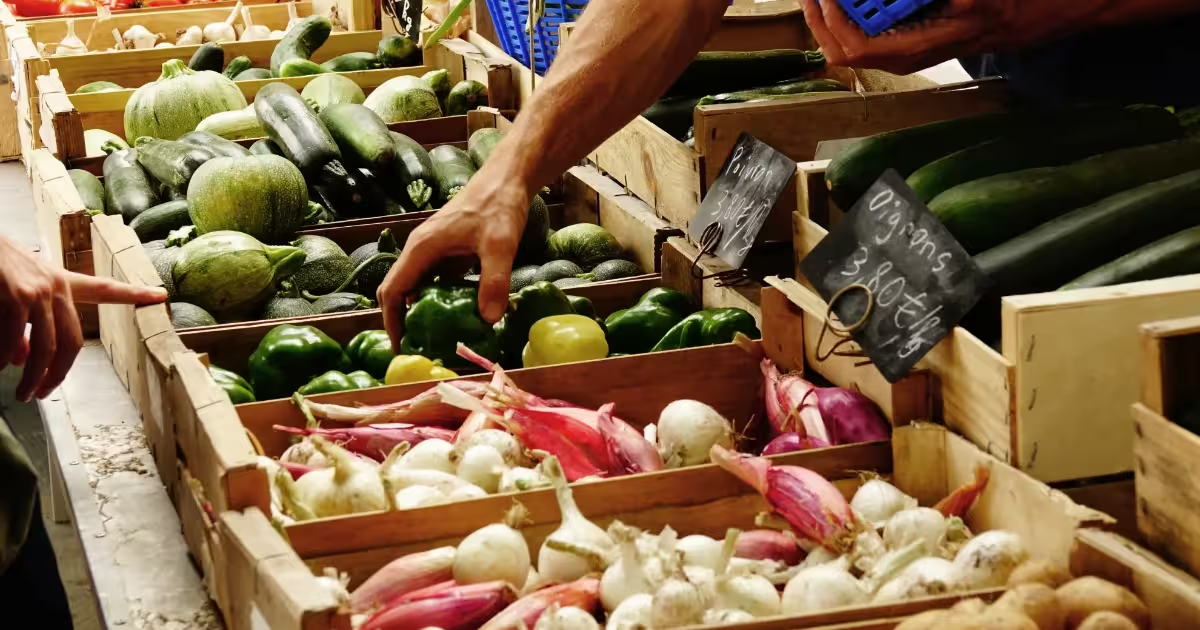
Les Halles de Lyon Paul Bocuse, opened in 1971 and named after the legendary chef, operates as a permanent indoor market spanning 4,200 square meters. It houses over 50 food vendors, from butchers and fishmongers to cheese and chocolate specialists. The market attracts both locals seeking daily provisions and culinary tourists intent on sampling regional products. The market's architectural design uses a barrel-vaulted ceiling that bathes vendors and shoppers in natural light, creating an inviting atmosphere that encourages leisurely browsing and conversation.
"Lyon's food culture is not aspirational or trendy," writes food historian Elizabeth David in her influential essays on French regional cooking. "It is rooted in necessity, seasonality, and the skill of home and restaurant cooks who have perfected the same recipes across generations."
Which guided food tours offer the best introduction to Lyon's culinary scene?
Guided food market tours combine sightseeing with authentic eating, typically lasting between 2 and 3 hours and incorporating stops at multiple market stalls, artisan producers, and a cheese or wine tasting session. These tours often conclude at a traditional bouchon or wine bar, where participants can taste prepared dishes in context. Private food tours of Vieux-Lyon (the UNESCO-listed Old Town) pair architectural history with gastronomic discovery, taking visitors through Renaissance traboules (secret passageways) to hidden restaurants and family-run eateries. Small-group tours, capped at 8 to 12 participants, allow for more intimate interaction with local guides and flexibility in pacing.
Food-curious travellers, couples, and small groups find the most value in these experiences, as they move beyond tourist menus and into the kitchens and markets where Lyonnais cuisine is actually prepared and consumed. Guides provide context on ingredient sourcing, cooking techniques unique to the region, and the social history of dining establishments. Tours departing in the morning, around 9 or 10 a.m., often align with market peak hours when vendors are most engaged and product selection is broadest.
What regional dishes should I expect to taste on a Lyon culinary tour?
Quenelles rank among Lyon's most iconic dishes: a light, airy dumpling made from a mixture of meat or fish, béchamel, and eggs, typically poached and served with a rich sauce such as Nantua (made with crayfish). The dish requires precise technique and timing to achieve the correct texture. Andouillette, a traditional charcuterie made from pork offal, offends some travellers on first encounter but represents a centuries-old commitment to nose-to-tail eating and the complete use of the animal. Gratins dauphinois, thinly sliced potatoes layered with cream and sometimes cheese, originated in the Dauphiné region adjacent to Lyon and has become a standard accompaniment to many Lyonnais mains.
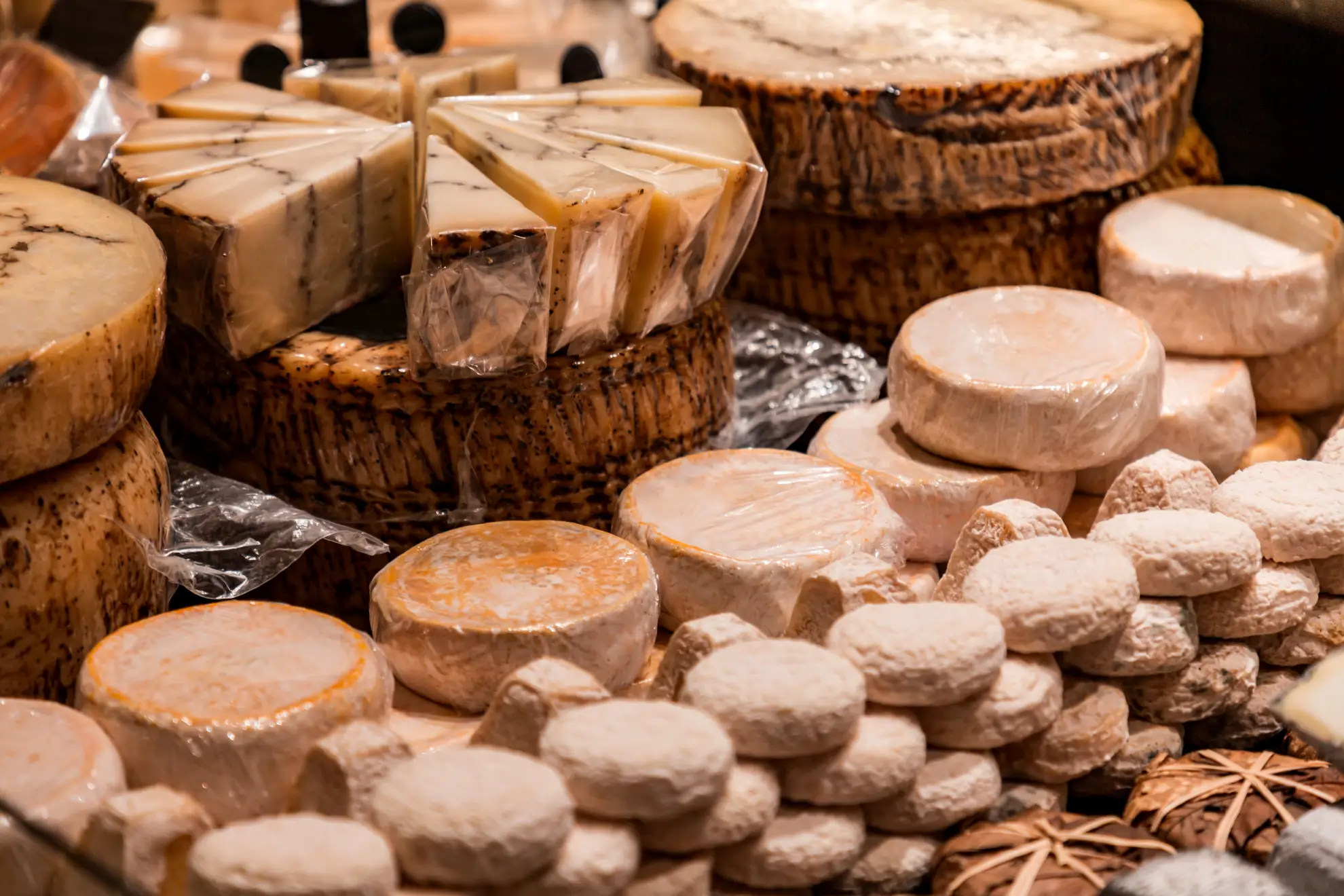
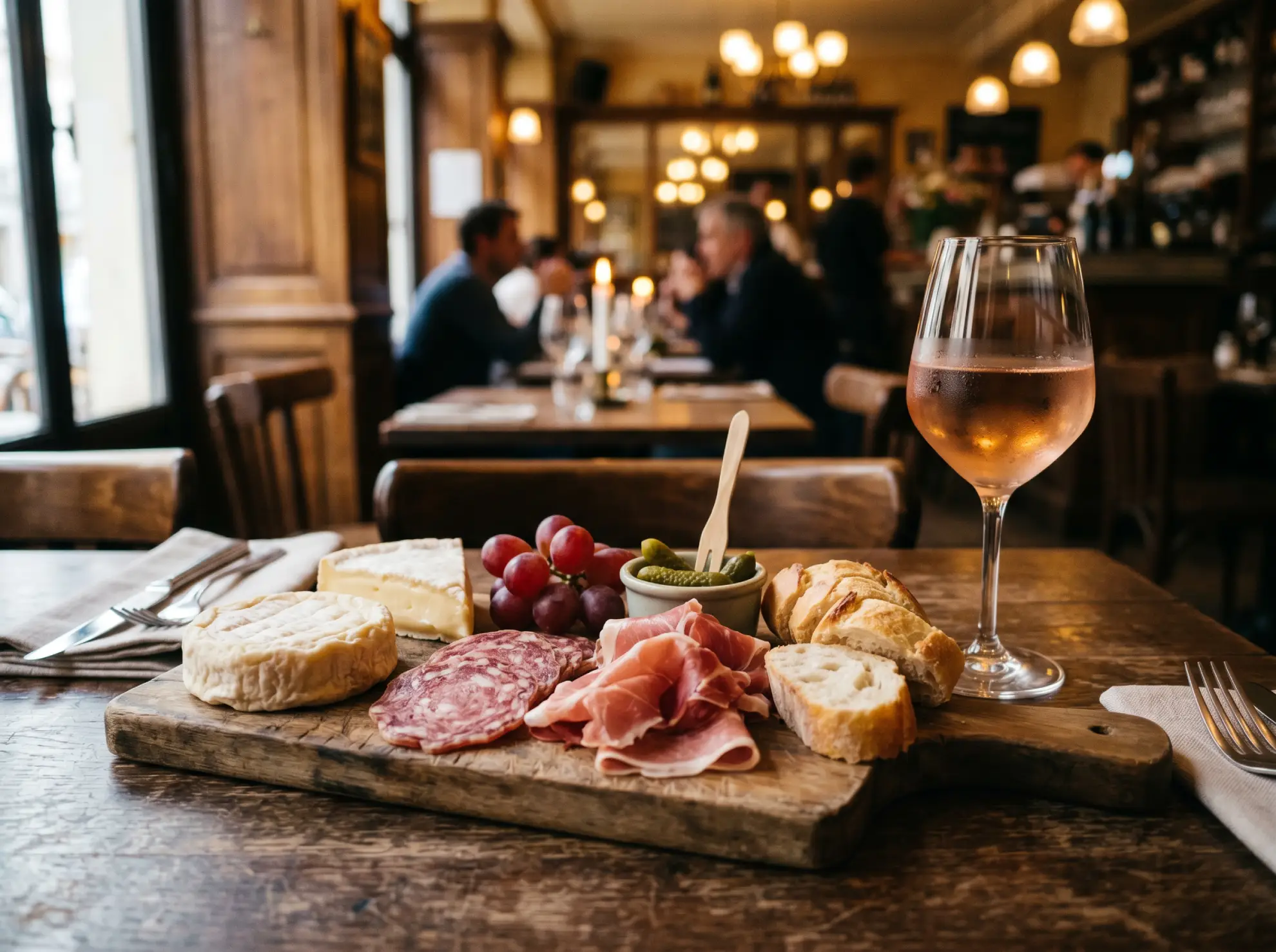
Saucisson sec (dry-cured sausage), often served as an aperitif with wine, showcases the region's charcuterie mastery. Fresh cheese from nearby mountain dairies, including tomme and saint-marcellin (a small, creamy cow's milk cheese from the Isère region), appears on every market visit and at the conclusion of restaurant meals. Rosé wines from nearby Provence and light red wines from the Rhône Valley pair naturally with Lyonnais cuisine. Guided tours typically include tastings of 4 to 6 regional products and dishes, allowing visitors to build an understanding of how these elements connect to the landscape, seasons, and local economy.
| Dish | Main Ingredients | Origin / History | Best Season to Try |
|---|---|---|---|
| Quenelles | Meat or fish, béchamel, eggs | Lyon, documented since 19th century | Year-round |
| Andouillette | Pork offal, spices | Lyon, nose-to-tail tradition | Year-round |
| Gratin Dauphinois | Potatoes, cream, sometimes cheese | Dauphiné region, 18th century origins | Autumn through early spring |
| Saucisson Sec | Pork, salt, spices | Rhône-Alpes charcuterie tradition | Year-round |
| Saint-Marcellin | Cow's milk | Isère region, produced since 14th century | Spring through autumn |
Explore Lyon's UNESCO-Listed Old Town and Food Heritage
Market Tastings and Artisan Producer Encounters
Book your Lyon food tour today and move beyond restaurant reservations into the city's vibrant markets and family-run bouchons.
Browse all Lyon tours on ToursXplorerHow do Lyon's food tours differ from culinary experiences in Paris or Provence?
Paris centres on haute cuisine, three-star establishments, and modern gastronomic innovation in formal dining rooms. Provence emphasises fresh vegetables, olive oil, and the influence of Mediterranean cooking across rustic outdoor settings. Lyon, by contrast, preserves a regional working-class food culture rooted in nose-to-tail butchery, cream-based sauces, and the unpretentious bouchon model where chef and diner sit in proximity.
Lyon's food identity emerged from its geography and labour history. The city's position at the confluence of the Rhône and Saône rivers provided access to freshwater fish and the surrounding Massif Central delivered game, dairy, and vegetables. The influx of silk workers in the 17th and 18th centuries created a large population of modest means requiring affordable, filling meals, spurring the development of bouchons as informal eateries serving hearty, flavorful food. Today, this legacy persists as an ethos: Lyonnais cuisine values technique, ingredient integrity, and honest flavours over presentation or trendiness.
Food writer Ruth Reichl observed that Lyon's culinary philosophy reflects "a deep skepticism of pretence and an unwavering belief that good food begins with good technique and respect for the ingredient."
Guided culinary tours in Lyon, as curated by ToursXplorer and other operators, intentionally highlight this working-food culture rather than fine-dining aspirations. Market tours expose visitors to the same ingredients professional chefs source daily. Bouchon visits occur in settings filled with locals, not curated for tourists. Guides explain food history and technique without selling luxury or exclusivity. This approach allows travellers to understand Lyon's gastronomic identity on its own terms, distinct from other French destinations.
Best times to book a Lyon food tour
Spring (March to May) and autumn (September to November) offer optimal conditions. Spring markets brim with fresh produce: strawberries, asparagus, and new peas. Spring also marks the availability of fresh cheeses and lighter wines suited to the season. Autumn brings mushrooms, game birds, and root vegetables, with cooler temperatures making walking tours more comfortable. Summer heat (June to August) can make multi-hour walking tours challenging, though morning tours remain viable. Winter (December to February) concentrates supply on stored vegetables, preserved products, and rich, warming dishes, suiting travellers interested in hearty fare and traditional charcuterie.
Michelin-starred restaurants in Lyon typically close between mid-July and mid-August, when chefs take holiday and supply chains contract. Budget 1.5 to 3 hours for a food tour, with group tours averaging 2.5 hours and private tours flexible based on your pace. Tours departing at 9 or 10 a.m. align with market peak hours. Many operators recommend booking 2 to 4 weeks in advance, particularly during April-May and September-October when demand peaks. ToursXplorer's booking platform allows filtering by date, group size, and tour type, simplifying the process of finding a compatible experience.
Budget and practical considerations for food tours in Lyon
Group market tours typically range from EUR 45 to EUR 75 per person, usually including tastings of 4 to 6 products and a concluding wine-and-cheese session. Private tours cost EUR 150 to EUR 300 for a group of 2 to 4 people, offering customization and flexibility. Restaurant meals in traditional bouchons run EUR 20 to EUR 35 for a three-course meal with wine, positioning them as affordable compared to fine-dining venues. Michelin-starred restaurants in Lyon average EUR 80 to EUR 150 per person for set menus, though many offer "early-bird" pricing for lunch service.
Wear comfortable walking shoes, as most tours involve 1.5 to 3 kilometres of urban walking. Many guides speak English and French; check tour descriptions or contact operators directly to confirm language offerings. Public transportation (métro, tram, or bus) in Lyon costs EUR 2 to EUR 3 per journey and connects tour meeting points to central hotels. Dietary restrictions (vegetarian, vegan, gluten-free, allergies) should be disclosed at booking, as guides can adjust stops and tastings accordingly. Photography is generally permitted on tours, though some artisan vendors prefer that you ask permission before photographing their stall or product.
Payment methods vary by operator. ToursXplorer accepts credit cards and offers a secure payment guarantee. Cancellation policies typically allow free cancellation up to 24 to 48 hours before the tour, with partial or full refunds depending on the operator. Small-group and private tours often fill quickly during peak seasons, so early booking is advisable.
Ready to taste Lyon's gastronomic heritage? ToursXplorer offers curated food and culinary tours led by local experts.
Frequently Asked Questions
A bouchon is a traditional, unpretentious restaurant serving Lyonnais cuisine in an intimate setting. The term originated in the 17th century, when a bundle of straw hung outside an inn signalled the availability of food and drink. Bouchons serve hearty, well-executed regional dishes such as quenelles and andouillette, often in dining rooms where chef and diner are in close proximity. Many bouchons remain family-run and operate in historic buildings in Vieux-Lyon.
Most guided food market tours in Lyon last 2 to 3 hours, covering Les Halles de Lyon Paul Bocuse and nearby producers, with a concluding tasting session of cheese and wine. Private tours are flexible and can range from 1.5 to 4 hours depending on your interests. Plan an additional 30 to 60 minutes if you wish to linger at particular stalls or vendors after the official tour concludes.
Yes. Most tour operators, when notified at booking, adapt their itineraries to avoid meat-based tastings and focus on cheese, vegetables, bread, and wine. Vegan tours are less common but possible, typically emphasising market produce, legumes, oils, and wines. Always disclose dietary preferences 1 to 2 weeks before the tour to allow guides adequate preparation.
Spring (March to May) and autumn (September to November) are optimal. Spring markets feature fresh produce and lighter wines; autumn brings mushrooms, game, and cooler walking conditions. Summer heat can be uncomfortable for multi-hour walking tours, though morning tours remain viable. Winter concentrates supply on preserved and hearty items suited to colder weather.
Yes. Most operators offer private tours for 2 to 4 people, with pricing adjusted per group rather than per person. Expect to pay EUR 150 to EUR 300 for a 2 to 3 hour private food tour. Private tours allow customisation of stops, pacing, and dietary accommodations, making them ideal for couples or small groups with specific interests.
Book 2 to 4 weeks ahead for group tours, particularly during April-May and September-October when demand peaks. Private tours benefit from 3 to 4 weeks' notice to allow guides time to plan a customised itinerary. Last-minute bookings are sometimes possible, but availability is limited. Check ToursXplorer's calendar for real-time availability and instant confirmation options.