Luxury travel is no longer just about five-star hotels, private jets, and Michelin-starred dining. While these elements still define high-end experiences, modern luxury travelers seek more than just lavish indulgence. Today, the true essence of luxury lies in exclusivity, personalization, and meaningful experiences. Whether it's a bespoke itinerary crafted for an individual’s desires, a secluded retreat in an untouched paradise, or sustainable luxury that harmonizes with nature, the evolution of luxury travel reflects a shift from excess to enrichment.
As technology, sustainability, and personalized services redefine the industry, luxury travel continues to evolve, offering unparalleled experiences that engage all five senses. In this article, we explore the transformation of luxury travel, from its historical roots to its future innovations, while maintaining a seamless blend of exclusivity and purpose.
Luxury travel has come a long way from the aristocratic Grand Tours of the 18th century to today’s hyper-personalized, tech-enhanced, and eco-conscious experiences. Historically, luxury was synonymous with extravagance—gilded palaces, opulent train rides, and exclusive clubs accessible only to the elite. However, modern travelers are redefining luxury, moving away from overt displays of wealth toward curated experiences that prioritize uniqueness, privacy, and authenticity.
18th-century Grand Train Tours: Depicting the elite's journey through scenic landscapes by train.In the past, luxury meant grandiosity—think lavish European ballrooms, ornate châteaux, and exclusive memberships. Today, luxury travelers are looking for something deeper: immersive cultural experiences, rare moments of solitude, and authentic local interactions. Instead of the largest suite in a famous chain hotel, they seek boutique accommodations with history, character, and a sense of place.
The Digital Influence on Luxury Travel
Technology has played a significant role in transforming high-end travel. From AI-powered travel assistants that curate tailored itineraries to seamless digital concierge services that anticipate needs before they arise, luxury today is about convenience and personalization. Furthermore, private aviation has evolved, with eco-friendly innovations making exclusive travel more sustainable.
The future of luxury travel is highly personal. Modern high-net-worth travelers don’t just want to visit a destination; they want to experience it in a way that is uniquely their own. Whether that means a private tour of the Louvre after hours, a custom-designed wellness retreat, or a once-in-a-lifetime expedition to Antarctica, personalization is key.
Bespoke Itineraries and Exclusive AccessLuxury is no longer one-size-fits-all. The most exclusive experiences are those that cannot be easily replicated. Some travel brands now offer hyper-personalized services, where itineraries are tailored down to the smallest detail—from a traveler’s preferred scent in their hotel room to a surprise private dinner with a world-renowned chef.
A romantic dinner table for two on a secluded beach, showcasing a luxury travel experience for modern travelers.High-end travel agencies and luxury hotels are pushing the boundaries of concierge services. Some elite travelers have personal travel designers who meticulously craft every aspect of their trip, ensuring their preferences are met at every turn. Whether it's securing front-row seats at a sold-out opera, arranging a private helicopter tour over the Amalfi Coast, or organizing a private fashion consultation with a Parisian designer, exclusivity defines the modern luxury experience.
Romantic outdoor dining: An exquisitely arranged dinner table, showcasing fine tableware and a picturesque setting for a special occasion.Luxury is no longer about excessive materialism. Instead, today’s discerning travelers value quality, authenticity, and exclusivity. They are drawn to experiences that feel intimate and thoughtfully curated rather than mass-produced opulence.
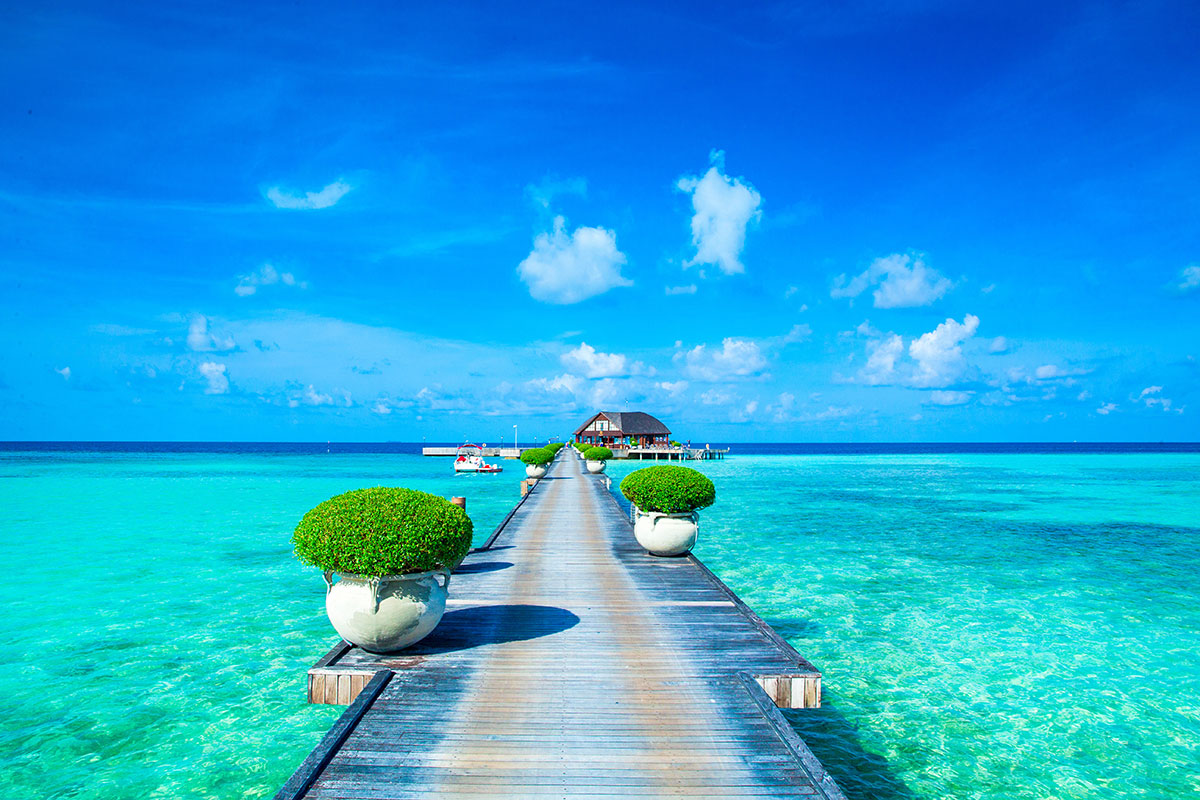
Privacy, Space, and TranquilityThe most luxurious thing in the modern world? Silence. Many affluent travelers are now seeking destinations that offer complete detachment from the chaotic, fast-paced world. Remote lodges in Patagonia, overwater bungalows in the Maldives, or private islands in the Seychelles offer the ultimate luxury of space, tranquility, and uninterrupted relaxation.
From Extravagant Hotels to Eco-Luxury Retreats Escape the fast-paced world: Destinations providing total detachment, with remote locations and opportunities for relaxation.Ultra-luxury hotels with gold-plated fixtures are becoming less attractive compared to eco-conscious resorts that offer a harmonious blend of comfort and sustainability. Luxury safari lodges in Africa, for example, now focus on conservation efforts, ensuring that guests not only enjoy breathtaking landscapes and high-end service but also contribute to protecting endangered wildlife.
Couple on tropical hotel terrace, showcasing a moment of leisure and connection in a beautiful, exotic setting.Luxury travel is an immersive experience that engages all five senses—sight, sound, taste, touch, and smell. The finest experiences captivate travelers at every level, from visually stunning landscapes to the exquisite textures of high-thread-count sheets.
Exquisite Gastronomy & Immersive Cultural ExperiencesHigh-end travel isn’t just about where you stay—it’s about what you eat, drink, and experience. From truffle hunting in the Italian countryside to dining at an underwater restaurant in the Maldives, luxury is about curated experiences that awaken the palate and enrich the soul.
A blend of exquisite gastronomy and immersive cultural experiences, highlighting culinary delights and enriching cultural encounters.Luxury travelers are increasingly drawn to experiences that promote wellness and rejuvenation. World-class spas now incorporate indigenous healing techniques, private yoga sessions are set against stunning landscapes, and hot spring resorts provide deep relaxation amidst nature’s beauty.
Wellness retreats and nature immersion for luxury travelers, showcasing exclusive spa treatments and pristine natural environments.As the luxury travel industry evolves, technology continues to redefine how affluent travelers experience the world. From AI-driven personalization to immersive virtual reality (VR) experiences, cutting-edge innovations are enhancing convenience, exclusivity, and seamless service.
AI-Powered Concierge Services & Smart HotelsLuxury hospitality brands are integrating artificial intelligence (AI) to deliver hyper-personalized experiences. Smart hotel rooms adjust lighting, temperature, and music based on guest preferences, while AI-powered concierges can predict needs and make recommendations tailored to individual tastes. Some high-end hotels even offer voice-activated butlers that cater to guests 24/7, ensuring a frictionless stay.
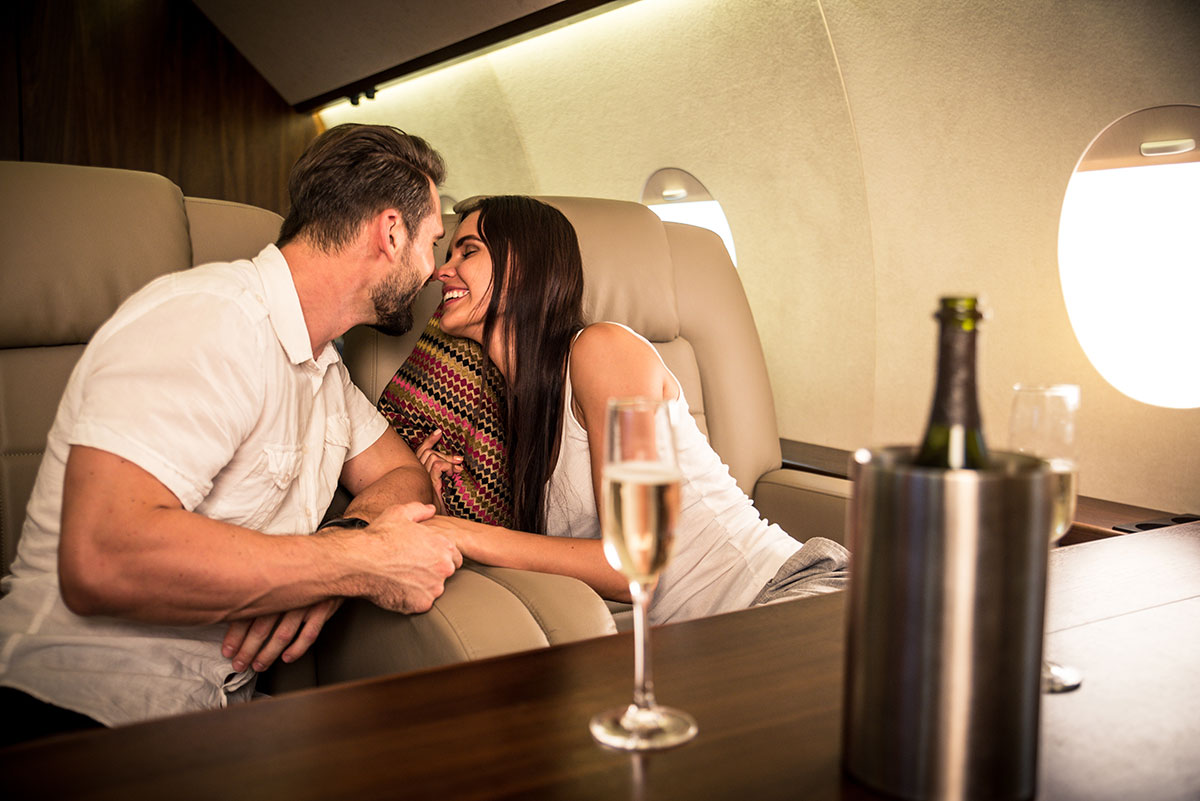
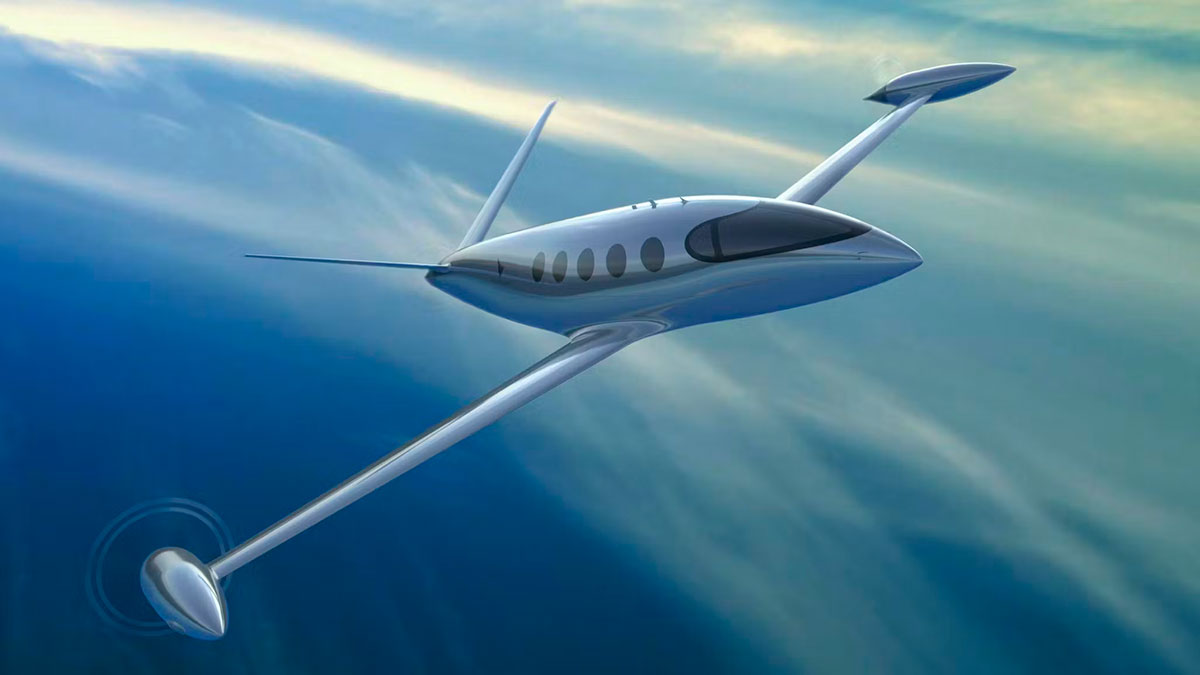
Experience modern travel with AI-powered concierge services and smart hotel technology, demonstrating the future of personalized hospitality.For ultra-high-net-worth individuals, private aviation is no longer just about avoiding commercial flights—it’s about efficiency, comfort, and sustainability. Modern private jets feature state-of-the-art entertainment systems, AI-assisted flight planning, and advanced safety technology. Additionally, the rise of electric and hybrid aircraft is making private air travel more eco-friendly, appealing to environmentally conscious luxury travelers.
Challenges of fully electric flight in private aviation and luxury tourism: depicting limitations on range, battery capacity, and infrastructure for high-end, sustainable travel.Before even stepping foot in a destination, luxury travelers can immerse themselves in experiences through VR previews of hotels, resorts, and exclusive excursions. Imagine being able to explore a five-star suite or virtually tour a private island before making a booking. Augmented reality (AR) is also enhancing in-destination experiences, such as interactive museum exhibits and historical site reconstructions.
Luxury travel is no longer just about extravagance—it’s about responsibility. With rising environmental awareness, elite travelers are seeking high-end experiences that are both exclusive and sustainable. This shift has given rise to eco-conscious luxury, where indulgence meets ethical travel.
The Rise of Eco-Friendly Luxury ResortsSustainability is becoming a key factor in luxury accommodations. Resorts and lodges worldwide are implementing carbon-neutral operations, solar-powered energy systems, and eco-friendly designs that blend seamlessly with their natural surroundings. Some of the world’s most exclusive destinations now prioritize wildlife conservation, ocean protection, and community involvement, ensuring that travelers leave a positive impact.
Carbon-Neutral Private Jet TravelThe private aviation industry is investing in sustainable alternatives, including biofuel-powered jets and carbon offset programs. Some luxury travel companies are offering “green” private flights that minimize environmental impact without compromising on comfort or convenience.
Ethical Safaris and Conservation TourismHigh-net-worth travelers are now prioritizing ethical safaris and conservation-focused retreats that support local wildlife initiatives. Instead of traditional game hunting, luxury safari lodges are emphasizing photographic safaris, anti-poaching programs, and rewilding efforts to ensure future generations can experience Africa’s incredible biodiversity.
As technology advances and sustainability becomes non-negotiable, the future of luxury travel is set to be more immersive, responsible, and personalized than ever before.
Anticipated Trends: Space Tourism & AI-Driven PersonalizationThe next frontier of luxury travel? Space tourism. With companies like SpaceX and Blue Origin pioneering commercial space travel, ultra-wealthy adventurers will soon be able to experience Earth from orbit. Meanwhile, AI-driven personalization will continue to evolve, offering travel experiences so tailored that no two trips will be alike.
A conceptual image of space tourism, showing a luxury space hotel orbiting EarthThe demand for unique, remote, and untouched destinations will continue to rise, but so will the expectation for sustainability. Future luxury travel will seamlessly integrate exclusivity with eco-conscious initiatives, ensuring that indulgence does not come at the expense of the planet.
Luxury Travel Brands: The Next EvolutionLuxury travel brands will need to continuously innovate, offering hyper-personalized, high-tech, and sustainable experiences. The most successful companies will be those that prioritize authenticity, meaningful connections, and a commitment to responsible tourism.
Luxury travel is no longer just about lavish accommodations and first-class flights—it’s about exclusivity, personalization, and purpose. The modern affluent traveler seeks bespoke experiences, immersive cultural engagement, and sustainable indulgence. From AI-powered concierge services to eco-friendly private aviation, the luxury travel industry is embracing innovation while redefining what it means to explore the world in style.
As we move into the future, the emphasis will continue to shift toward highly personalized, sustainable, and immersive experiences. Whether it’s a private island retreat, a tailor-made cultural journey, or an ethical safari, the luxury travel industry is evolving to meet the desires of a new generation of high-net-worth travelers.
If you’re looking to elevate your travel experiences, consider choosing destinations and services that align with exclusivity, sustainability, and cutting-edge innovation. After all, true luxury isn’t just about where you go—it’s about how you experience it.
Luxury travel today is characterized by exclusivity, personalization, and sustainability. It goes beyond material indulgence, offering bespoke experiences that cater to individual preferences while maintaining ethical and eco-friendly practices.
2. How is technology shaping luxury travel?Technology is enhancing luxury travel through AI-powered concierge services, smart hotel innovations, virtual reality previews, and private aviation advancements. These innovations ensure seamless, customized, and immersive experiences.
3. What are some of the most exclusive luxury travel experiences?Some of the most sought-after luxury experiences include private island resorts, VIP cultural tours, space tourism, ethical safaris, and ultra-personalized wellness retreats that cater to every guest’s specific needs.
4. How does sustainability fit into the luxury travel industry?Sustainability is becoming a core pillar of luxury travel, with eco-conscious resorts, carbon-neutral flights, and conservation tourism leading the way. Many high-end brands now prioritize environmental and social responsibility while delivering world-class experiences.
5. What are the top trends shaping the future of luxury travel?Future luxury travel trends include space tourism, AI-driven personalization, sustainable luxury resorts, exclusive remote getaways, and ethical, conservation-focused tourism. The industry is moving toward experiences that are both highly tailored and eco-friendly.
? Be connected with Toursxplorer