




Loire Valley Château and Wine Tours: A Renaissance Journey Through France
Explore UNESCO-listed estates, AOC wine cellars, and Renaissance gardens across the Centre-Val de Loire region.
The Loire Valley, centred in Centre-Val de Loire approximately 100 to 120 kilometres from Paris, represents France's most concentrated collection of Renaissance architecture and world-class viticulture. Home to over 300 châteaux, UNESCO-listed gardens at Château de Villandry, and protected AOC wine regions producing Vouvray and Saumur varieties, the valley attracts cultural travellers and wine enthusiasts seeking deeper engagement than typical day-trip itineraries allow. Multi-day stays in towns like Tours, Amboise, or Blois unlock access to smaller estates, private cellar tastings, and the region's slower rhythms.
Why Is the Loire Valley France's Premier Château and Wine Destination?
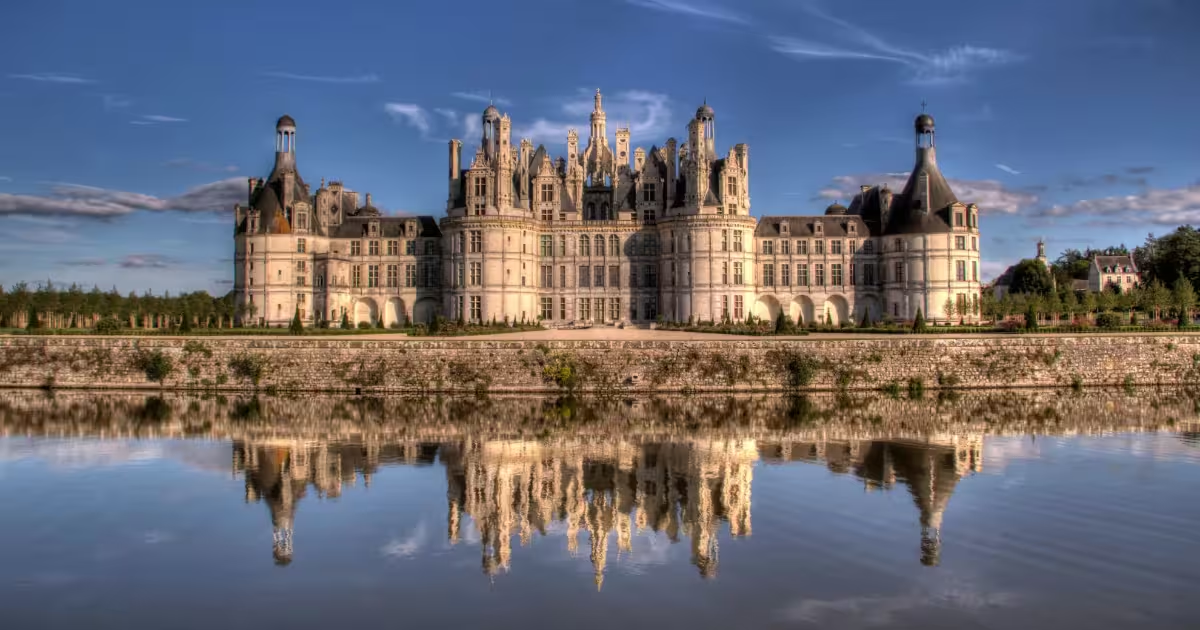
The Loire Valley stretches across Centre-Val de Loire, anchored by the Loire River, Europe's longest river at 625 kilometres. The region's golden age occurred during the Renaissance (roughly 1450 to 1600), when French nobility abandoned feudal strongholds and commissioned pleasure palaces in the valley's temperate climate and fertile limestone soils. Chambord, begun in 1519 under Francis I, exemplifies this shift. Its distinctive double-helix staircase and 365 rooms reflect Renaissance ambitions rather than military necessity.
Today, travellers visiting the Loire Valley encounter not isolated monuments but a living landscape of viticulture, horticulture, and regional gastronomy. The valley's north-facing slopes produce crisp white wines, particularly Vouvray (composed primarily of Chenin Blanc grapes), which pairs naturally with the region's freshwater fish and goat cheeses. Tourism patterns have shifted markedly since the 1990s: coach-based, single-day excursions from Paris (typically covering two to three estates in eight hours) have given way to slower, multi-night itineraries that ToursXplorer and similar platforms now curate for independent and semi-guided travellers. This allows deeper cellar access, smaller-group tastings, and encounters with family-run properties overlooked by larger tour operators.
The Loire Valley is not a museum but a working region where 50 per cent of château properties still operate as private residences, vineyards, or cultural venues, meaning visitor experiences differ markedly based on season, access agreements, and curator relationships.
What Are the Essential Châteaux and When Should You Visit?
Five estates dominate most itineraries, each meriting two to three hours of visit time. Château de Chambord, located near Blois, sprawls across 5,440 hectares of enclosed parkland and welcomes approximately 700,000 annual visitors. Its roof terrace, reached via that famous double staircase, rewards the climb with views across the Loire plain. Hours typically run 9:00 to 18:00 (April to October); winter hours (November to March) close at 17:00. Admission costs approximately 14 euros for adults; combined tickets with other estates offer modest savings.
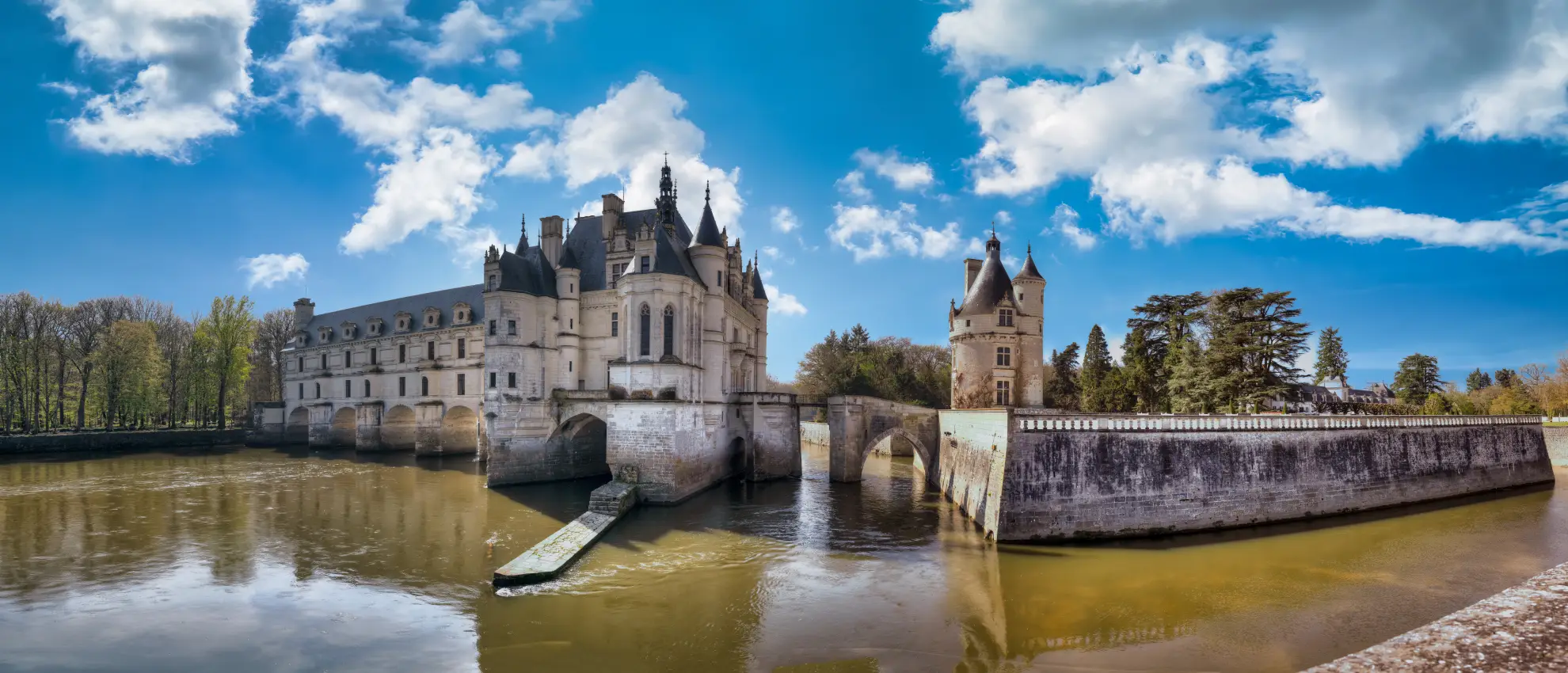
Château de Chenonceau, spanning the River Cher (a Loire tributary) near Amboise, ranks as the second-most visited château in France after Versailles, drawing 800,000 annual guests. Its sixteenth-century gallery, built over the river's span, created an unprecedented architectural feature. Catherine de Medici, widow of Henry II, oversaw much of its embellishment. Spring (April to May) and early autumn (September to early October) offer temperate conditions and slightly fewer crowds than July and August, when coach tours peak.
Château de Villandry, completing the 'Big Three', prioritises its Renaissance gardens over domestic interiors. The gardens descend in four levels (ornamental, water, vegetable, and herb gardens), reflecting sixteenth-century design principles. They require separate admission from the château interior and are best explored on foot, allowing two to three hours. Garden opening runs 9:00 to 18:30 (April to October); winter closures occur mid-November to late January.
Secondary estates such as Château d'Amboise (where Leonardo da Vinci spent his final years), Château de Cheverny (a more intimate, privately owned property famous for its hunting heritage), and Château du Clos Lucé (da Vinci's residence, now a museum) deserve visits when schedules allow. Accommodation in Amboise (population 11,000) or Blois (population 47,000) positions travellers within 20 to 40 kilometres of most major estates, reducing travel time and allowing flexibility for smaller properties.
How Do Wine Tastings and Cellar Visits Work in the Loire Valley?
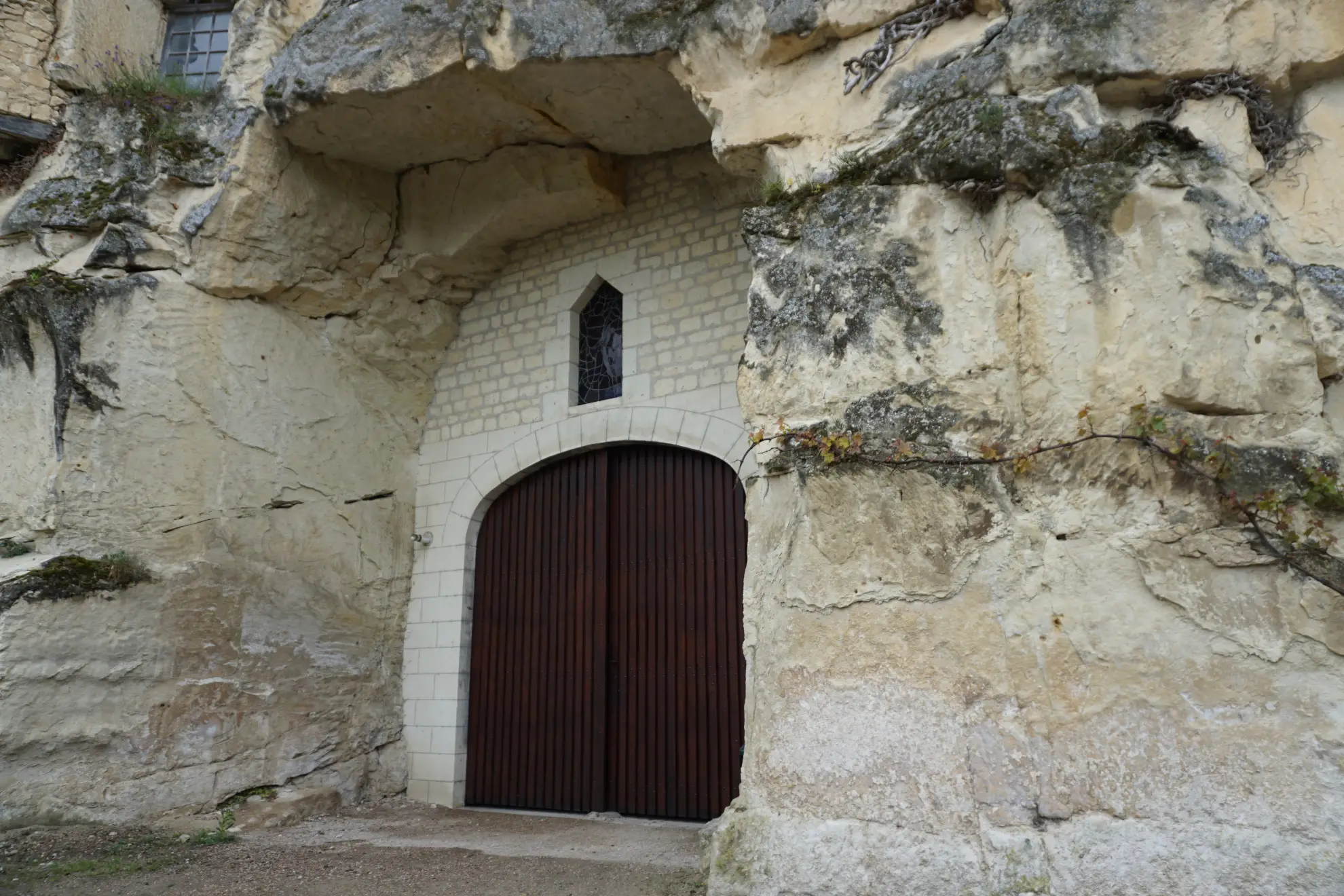
Wine tourism in the Loire Valley operates on a more intimate scale than in Bordeaux or Burgundy. Rather than grand 'châteaux-wineries' with visitor facilities, many Loire producers occupy small cellars (caves), often dug into the soft limestone bedrock. These troglodte dwellings, dating back centuries, maintain constant cool temperatures naturally, making them ideal for aging and storage. Towns such as Vouvray (population 2,700), located 10 kilometres east of Tours, host dozens of small producers open to casual drop-in visits or by-appointment tastings.
A typical tasting experience runs 30 to 60 minutes and costs 5 to 15 euros per person, often waived if you purchase a bottle. Producers typically offer three to five wines (usually a young Vouvray, a demi-sec or medium-sweet variant, and perhaps a sparkling Vouvray made using the Champenoise method). Staff explanations range from brief to comprehensive, depending on producer interest and language capability. Independent travellers benefit from pre-booking through regional tourism offices or via hotel concierge recommendations, which smooths language barriers and ensures cellar availability.
Vouvray producers collectively harvest 600 tonnes of grapes annually, yet individual cellars may produce only 10,000 to 50,000 bottles per vintage, making small-producer tastings far more personal than large-scale operations.
Saumur, located 50 kilometres southwest of Tours along the Loire, produces both still whites (Chenin Blanc-based) and sparkling wines (Saumur Brut). The Maison de Ackerman, founded in 1811, operates as the region's oldest sparkling wine house and welcomes tours with tastings. Smaller producers cluster in communes like Saint-Hilaire-Saint-Florent across the Loire from Saumur town centre. Budget-conscious travellers can visit multiple small cellars in a single day by car or organised tour; wine-focused itineraries suggest visiting no more than two or three producers daily to preserve palate sensitivity and allow proper food pairing at lunch.
Flexible City Games and Self-Guided Exploration Near the Loire Valley
Discover multi-day Loire Valley itineraries and private château tours on ToursXplorer. Filter by wine tastings, garden tours, and Renaissance architecture to customise your journey.
Browse all Loire Valley tours on ToursXplorerPractical Planning: Getting to the Loire Valley and Staying Put
Most international travellers arrive via Paris Charles de Gaulle Airport (CDG, 215 kilometres north) or Paris Orly (ORY, 210 kilometres north). Train connections from Paris Montparnasse Station to Tours (the region's main transport hub) take approximately 2 hours and 15 minutes, with frequent SNCF services running hourly. Tours railway station sits 1 kilometre from the city centre; rental cars or local taxi services bridge this gap. Alternatively, driving from Paris via the A10 motorway (southbound toward Tours) covers 240 kilometres in approximately 2.5 to 3 hours depending on traffic and rest stops.
Two to three nights based in a single town (Tours, Amboise, or Blois) eliminates daily packing and allows deeper engagement with surrounding estates. Tours serves as the valley's cultural and commercial centre, with museums, restaurants, and easy access to Vouvray and Montlouis wine regions to the east. Amboise, population 11,000, suits travellers prioritising château proximity; both Chambord and Chenonceau lie within 30 kilometres. Blois, population 47,000, balances size and charm, with Chambord just 17 kilometres away. Hotel rates vary seasonally: summer (July-August) rooms range 80 to 180 euros per night at three-star properties; shoulder seasons (April-June, September-October) drop to 60 to 140 euros; winter (November-March) falls to 50 to 100 euros, though some smaller properties close seasonally.
Travellers unfamiliar with French rural driving may prefer organised minibus tours or hire car-and-driver services (available through local tourism offices or ToursXplorer's partner network). Public buses connect major towns but run infrequently (typically two to four times daily on main routes). Cycling proves viable for fit travellers; the Loire Valley's relatively flat terrain and well-marked cycle routes (part of the Loire à Vélo network, spanning 800 kilometres of dedicated paths) suit leisurely château-hopping. Bike rentals in major towns cost 15 to 25 euros daily.
Seasonal Considerations and Visitor Flow
| Season | Weather | Château Hours | Visitor Density | Wine Tasting Availability |
|---|---|---|---|---|
| April-May (Spring) | 15-18°C, frequent rain, gardens in bloom | 9:00-18:00 | Moderate | Peak (spring tastings, newly bottled wines) |
| June-August (Summer) | 20-25°C, stable, afternoon thunderstorms | 9:00-19:00 | Very High (coach tours dominate) | High (limited cellar appointments) |
| September-October (Autumn) | 15-20°C, clear, harvest season | 9:00-18:00 | High | High (vintage tastings, harvest events) |
| November-March (Winter) | 5-10°C, occasional frost, grey skies | 10:00-17:00 | Low | Available (quieter, personal visits) |
Spring (April-May) offers optimal conditions for first-time visitors. Gardens at Villandry bloom with ornamental borders, temperatures hover around 15-18 degrees Celsius (comfortable for outdoor walking), and coach-tour crowds remain manageable compared to summer. May's Ascension holiday (40 days after Easter) draws significant domestic French tourism, so booking accommodation two to three weeks ahead proves prudent.
Summer (June-August) sees peak visitation, particularly July and August when schools close across Europe. Château interiors grow crowded by 10:00 to 16:00; early morning (before 9:00) or late afternoon (after 16:00) visits reward early risers and flexible travellers. Wine cellars become bottlenecked during peak hours; pre-booked appointments become essential. Temperatures run 20-25 degrees Celsius, ideal for garden exploration, though afternoon thunderstorms occur frequently.
Autumn (September-October) combines moderate temperatures (15-20 degrees Celsius) with harvest-season wine events. September sees the tail end of summer crowds; October becomes noticeably quieter. Harvest festivals (vendanges) occur throughout October at various producers, offering experiential wine engagement alongside tastings. Foliage around estates peaks late September to mid-October.
Winter (November-March) brings fewer travellers but cold weather (5-10 degrees Celsius) and shorter daylight (sunset by 17:00). Several smaller estates close seasonally (typically mid-November to late January). Budget-conscious travellers benefit from reduced room rates (50-100 euros nightly at three-star properties versus 100-180 euros in summer) and unhurried cellar visits. Frost occasionally affects road conditions in January-February; driving experience helps, though coach tours and train travel eliminate this concern.
Beyond the Big Three: Secondary Châteaux and Hidden Gems
While Chambord, Chenonceau, and Villandry dominate tourist consciousness, 15 secondary estates merit visits for culturally engaged travellers. Château d'Amboise, perched above the Loire in Amboise town centre, served as Leonardo da Vinci's final residence (1516-1519). He lies buried in the adjacent Saint-Denis Chapel; his living quarters and workshop displays provide intimate context absent in grander estates. Admission runs 13 euros; combined tickets with Château du Clos Lucé (da Vinci's former manor, 500 metres away) cost 20 euros and merit full-day exploration for Renaissance-art enthusiasts.
Château de Cheverny, 15 kilometres south of Blois, represents privately owned estates open to visitors. Its hunting lodge heritage and intact interiors (including period furniture, tapestries, and portraits) convey domestic intimacy rather than ceremonial grandeur. The Kennels Museum displays hunting dogs still maintained on the estate; falconry demonstrations run seasonally. Admission (14 euros) costs less than major châteaux; crowds remain lighter, favouring deeper engagement with architecture and landscape.
Château de Montsoreau, located 40 kilometres southwest near Saumur, integrates a contemporary art museum (CARMA, Château Art Museum) into its fifteenth-century fortress structure. The duality (historical architecture hosting modern artistic practice) appeals to cultural travellers seeking contemporary context alongside traditional heritage. Admission (10 euros) grants access to both heritage rooms and rotating art exhibitions.
For wine-focused itineraries, Château de Faye d'Anjou (near Faye-d'Anjou, 60 kilometres southwest) and Clos Rougeard (near Chacé, Saumur area) operate as working vineyards with cellar tours and tastings. These prioritise wine over architectural spectacle, suiting oenophile travellers. ToursXplorer's search function filters by wine-tour categories, allowing easy identification of properties combining both heritage and viticulture.
Dining and Gastronomy: Completing the Loire Valley Experience
Loire Valley cuisine hinges on freshwater fish (pike, perch, shad), soft cheeses (Valencay, Sainte-Maure-de-Touraine goat cheeses), and produce from market gardens surrounding Tours and Blois. Restaurant menus reflect seasonal availability; spring favours asparagus and young vegetables, autumn brings game (wild boar, pheasant) and mushrooms. Wine pairings occur naturally; Vouvray (crisp Chenin Blanc, 12.5-13 per cent alcohol) pairs effortlessly with goat cheese, fish terrines, and lighter poultry dishes.
Fine-dining establishments cluster in Tours and Amboise. L'Arôme, a Michelin-starred restaurant in Tours, showcases regional ingredients with contemporary technique (menus 45-85 euros). Les Hautes Roches, a riverside hotel-restaurant near Rochecorbon (15 kilometres northeast of Tours), combines Loire Valley cuisine with Loire Valley wines in an intimate setting (menus 35-65 euros). Casual bistros in town centres offer plats du jour (daily specials) at 12-18 euros, ideal for budget-conscious travellers.
Picnic culture thrives in the Loire Valley. Boulangeries (bakeries) in every town stock pain au chocolat, croissants, and crusty baguettes (1-3 euros). Fromageries (cheese shops) offer pre-sliced local goat cheeses and cured hams; wine shop staff assist with pairing suggestions. Assembling a picnic lunch (cheese, bread, cured meat, fruit, wine) costs 15-25 euros per person and rewards consumption beside château gardens or riverbank viewpoints. This suits independent travellers seeking flexibility outside structured dining hours.
Ready to explore Renaissance châteaux and AOC wine cellars? Use ToursXplorer's advanced search to combine château visits with local winemaker experiences tailored to your interests.
Frequently Asked Questions
April-May and September-October offer ideal conditions: moderate temperatures (15-20 degrees Celsius), blooming gardens (spring) or harvest events (autumn), and manageable crowd levels. July-August peaks with coach tours and longer château hours (9:00-19:00) but crowding intensifies after 10:00. Winter (November-March) brings lower rates and fewer visitors but shorter daylight and seasonal closures at smaller properties.
Minimum two nights; optimal three to four nights. Two nights allows visits to Chambord, Chenonceau, and one secondary estate with limited rushing. Three nights permit deeper exploration: the Big Three plus wine tastings, garden walks, and dining. Four nights enable secondary estates (Cheverny, Amboise, Clos Lucé), cooking classes, or cycling routes. Single-day Paris excursions (feasible via 2.5-hour train to Tours) skip smaller properties and cellar appointments.
Vouvray is a dry to sweet white wine produced from Chenin Blanc grapes in the Vouvray AOC region, 10 kilometres east of Tours. Its limestone terroir creates crisp acidity and honey-like sweetness; still, sparkling (Vouvray Brut), and medium-sweet (demi-sec) variants suit different courses. Production runs 600 tonnes annually across 50-plus small producers in caves dug into bedrock, making cellar tastings intimate experiences impossible at large wineries.
Yes, via SNCF train (Paris Montparnasse to Tours, 2 hours 15 minutes, 30-60 euros return) or car (240 kilometres via A10 motorway, 2.5-3 hours). However, single-day visits allow only two major châteaux, no wine tastings, and rushed lunches. Two to three nights based locally (Tours, Amboise, or Blois) enable proper engagement with multiple estates, cellar visits, and regional dining without daily commuting fatigue.
No. Trains connect Paris, Tours, Amboise, and Blois hourly. Local buses link towns to nearby châteaux (infrequent, two to four daily on main routes). Bike rentals (15-25 euros daily) suit flat Loire-à-Vélo cycle routes spanning 800 kilometres. Minibus tours and hired car-with-driver services (via tourism offices or ToursXplorer partners) eliminate navigation concerns for non-drivers.
Budget 250-500 euros per person (excluding flights): accommodation 60-180 euros nightly (three nights, 180-540 euros); château entry 12-18 euros per site, multiple visits roughly 60 euros total; wine tastings 5-15 euros per cellar (two to three tastings, 30 euros); meals 15-25 euros for casual lunch, 35-65 euros for dinner. Rail or car rental adds 50-150 euros. Mid-range comfort runs roughly 400-500 euros total per person for three nights.