Last updated:
UNESCO added the central Loire Valley to the World Heritage List in 2000, under criteria (i), (ii) and (iv). The property covers 86,021 hectares, inside a buffer zone of 213,481 hectares. UNESCO's World Heritage List entry for the Loire Valley between Sully-sur-Loire and Chalonnes sets out why.
What UNESCO protects here is not one monument but a whole cultural landscape: historic towns and villages, châteaux and farmed land, all shaped over many centuries by the people who lived beside the Loire and by the river itself. The listed stretch follows the middle course of the river, from Sully-sur-Loire, east of Orléans, to Chalonnes, west of Angers.
From Gallo-Roman times until the nineteenth century, the Loire was a great highway for trade and travel, and the valley and its towns grew rich on it. You can still see the work that tamed it: ports and dykes, some of them built in stone, line the banks.
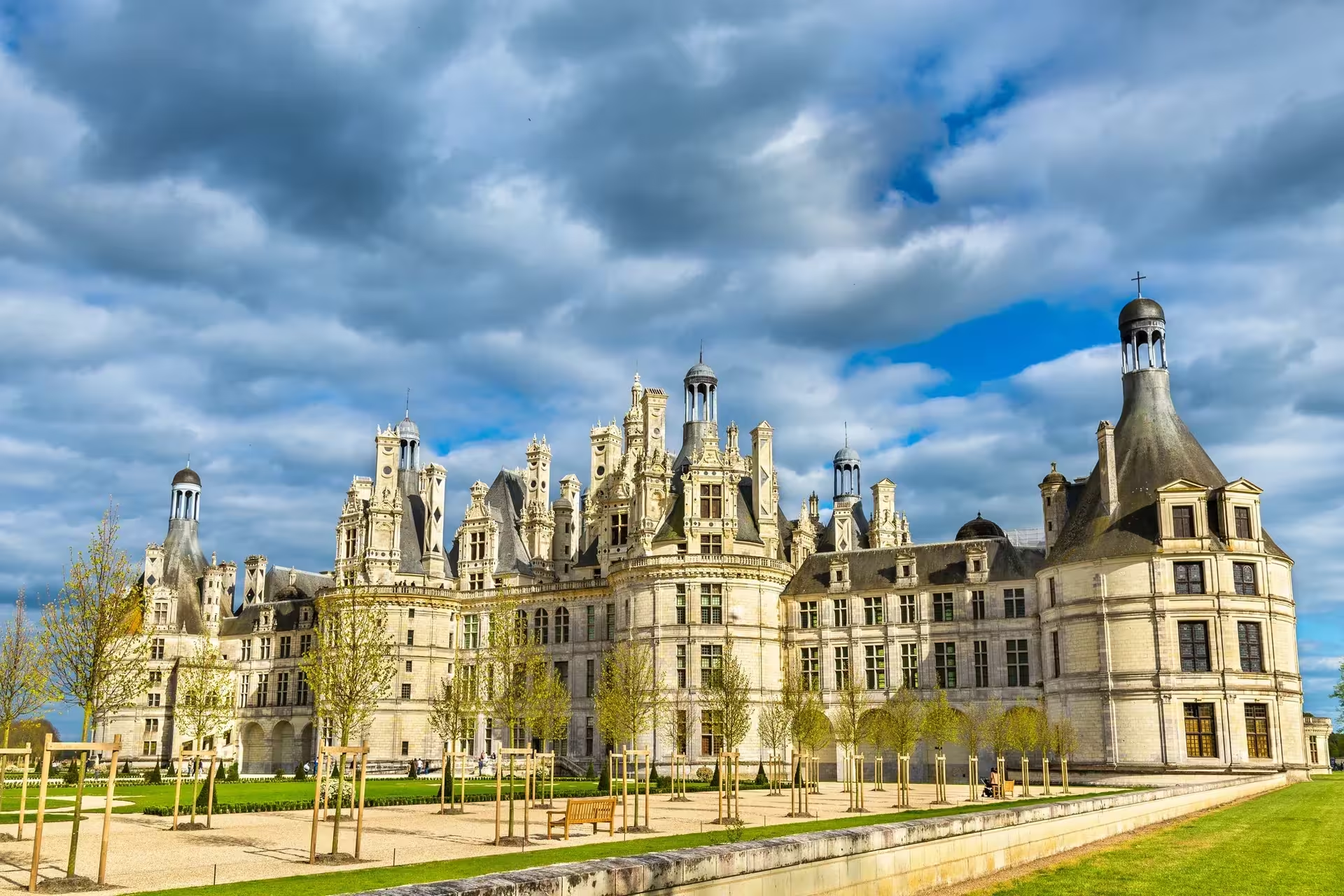
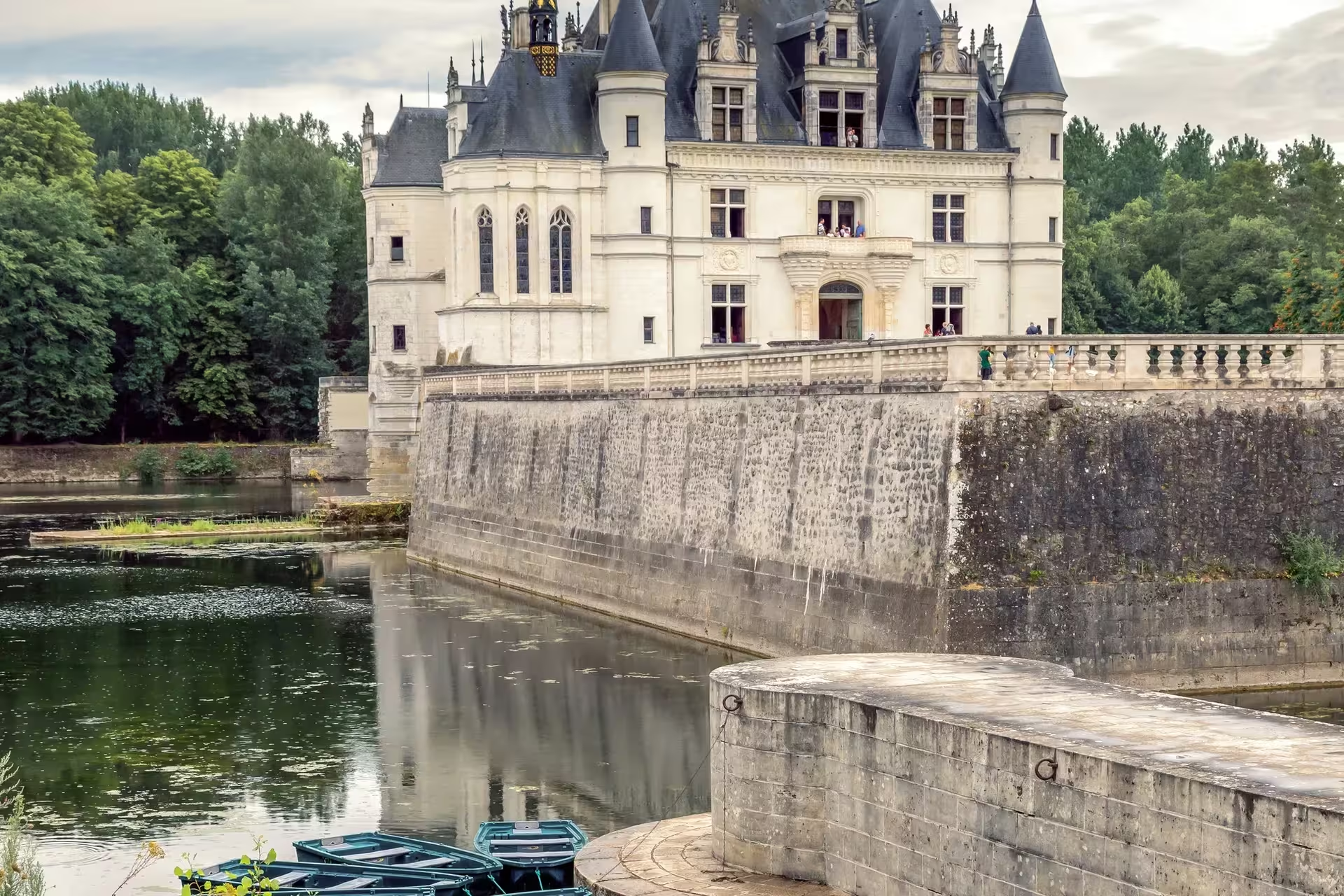
The castles are what most visitors come for. UNESCO names Chambord, Chenonceau, Amboise, Blois and Azay-le-Rideau among those that made the valley famous. Chambord was already on the World Heritage List on its own before the wider valley was added, and it is now part of the Loire Valley property.
Many of these places began as Benedictine abbeys and then as medieval fortresses. In the Renaissance they became country houses built for pleasure, with gardens and views that open onto the countryside.
In the fifteenth and sixteenth centuries the valley was a meeting point for ideas from the Italian Mediterranean, France and Flanders, and it helped garden design and a new taste for landscape to grow. UNESCO says the valley and its monuments show the ideals of the Renaissance and the Enlightenment to an exceptional degree.
Between the castles, the river banks are lined with towns and villages, among them Sully, Orléans, Blois, Amboise, Tours and Saumur. Their tufa and slate buildings, the troglodyte houses cut into the rock and the layout of the streets all show how the river shaped where people settled.
Look out too for the great Romanesque churches: Saint-Benoît-sur-Loire, Fontevraud and Cunault, along with the Gothic churches of Blois and Candes.
UNESCO warns that changes in farming, the spread of towns and large projects such as new bridges and motorways could harm the valley, so the landscape you see is one that needs care.
From Paris, the Loire Valley Full-Day Tour: Chenonceau and Chambord is a small-group day with hotel pickup, says its operator. It visits Chenonceau, built across the River Cher, with an audio guide to explore at your own pace, then Chambord and its famous double-helix staircase, and ends with a guided tasting in the cellars of a family-owned winery.
At your own pace, the Orleans Self-Guided Walking Tour with GPS Audio Guide is a self-guided audio walk on your phone, according to its operator. The loop takes in the Gothic cathedral, a Renaissance town house and its gardens, the Loire quays and the house that remembers Joan of Arc's stay in the city.
Yes. UNESCO listed this part of the valley in 2000.
Chenonceau, Blois, Amboise, Azay-le-Rideau and Chambord are some of the best known.
Yes. It had its own listing first and is now included.
Yes. Some operators run small-group days from Paris, as described above.