Last updated:
UNESCO added Galle's old town and its walls to the World Heritage List in 1988, under criterion (iv). UNESCO's World Heritage List entry for the Old Town of Galle and its Fortifications explains why it matters.
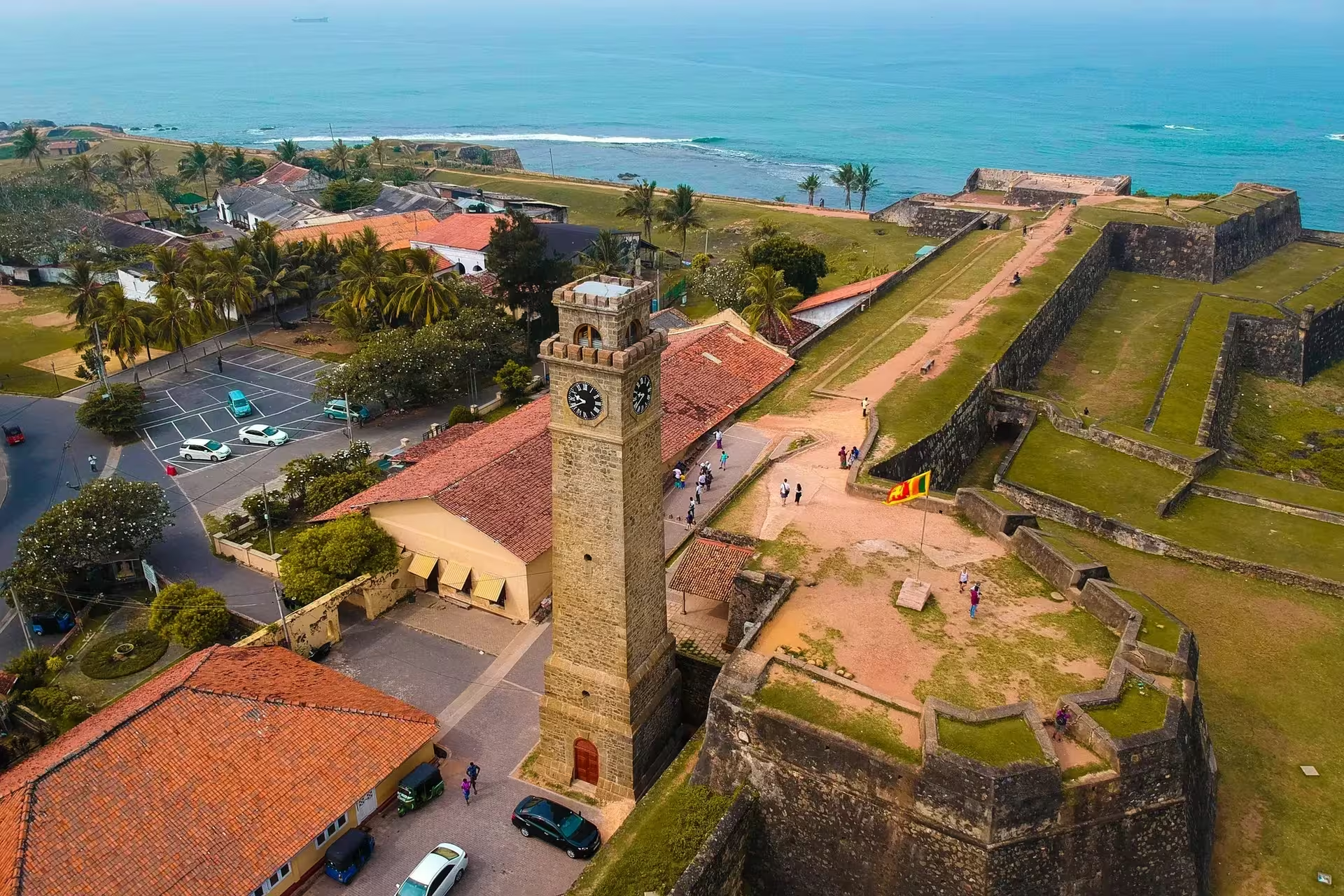
The town sits on a small rocky headland on the southwest coast of Sri Lanka. The Portuguese founded it as a fortified town in the sixteenth century, and it reached its peak in the eighteenth century under Dutch rule, before the British arrived.
For UNESCO, it is the finest fortified city that Europeans built in South and South-East Asia, a place where European styles and South Asian traditions meet. That meeting runs from the sixteenth to the nineteenth centuries.
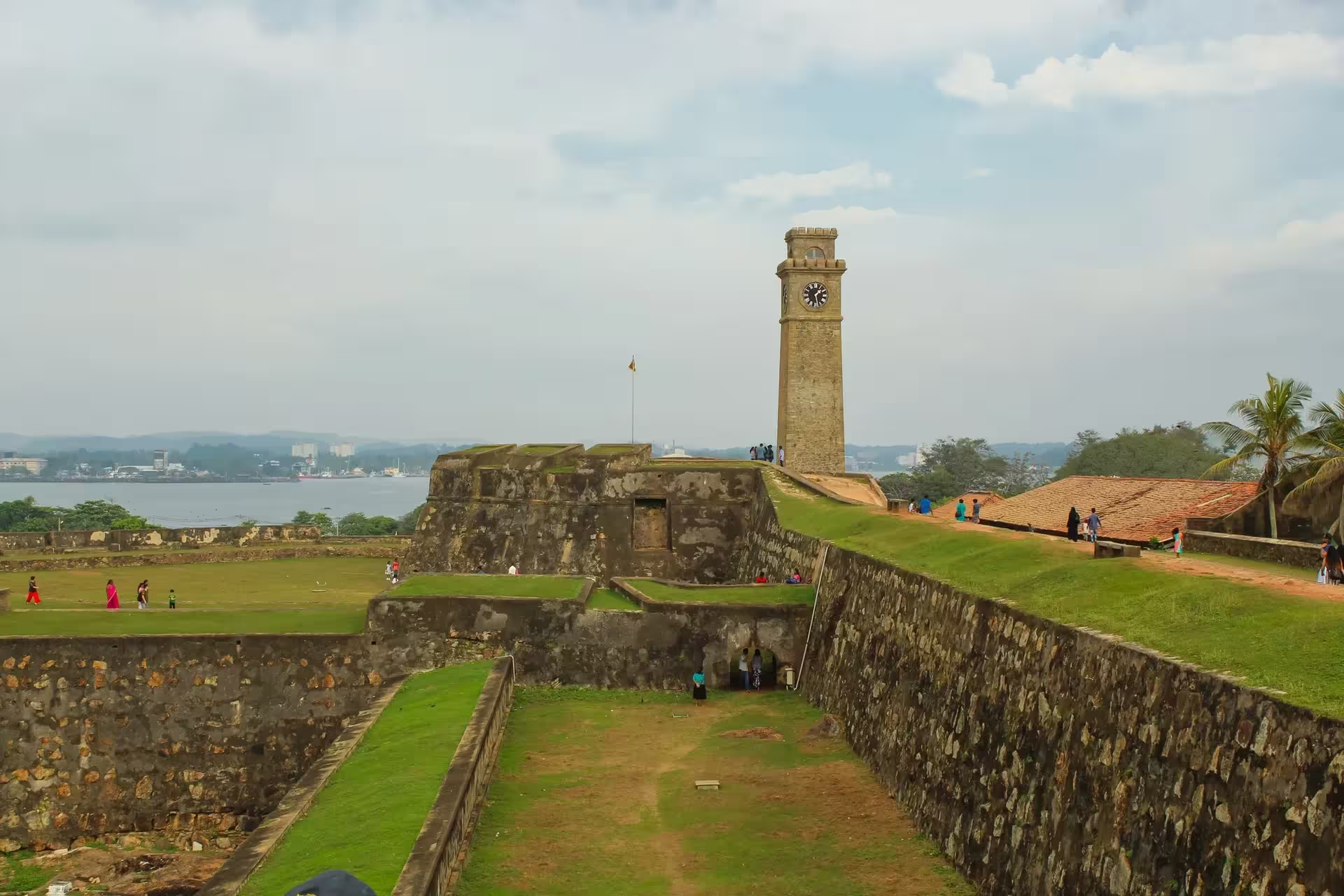
The ramparts are the first thing most visitors notice. They do not follow a neat European geometric plan. Instead they follow the rock outcrops of the headland, with bastions placed at key points facing both the sea and the land.
Look closely at the walls and you will often see coral used together with granite. UNESCO notes that European models were adapted here by local craftspeople, and that every length, width and height in the layout follows the regional system of measures.
Inside the walls, the street grid follows a Dutch habit of dividing land into blocks so that buildings cluster in a small area. Rows of houses stand with their narrow sides to the street, with verandas shaded by high roofs on slender columns and courtyards behind. These are South Asian touches that give the town its own character.
One detail is easy to miss because it is underground: a drainage system from the seventeenth century is still in use, and the tide flushes it with sea water.
The fort no longer has a military role, but people still live and work here, and the old public buildings keep their public uses. The Galle Heritage Foundation, set up in 1994 by an Act of Parliament, brings the partners together to care for the old town.
From the beach resorts, the Yala and Galle 2-Days Private Tour from Bentota is a private two-day trip from Bentota, according to its operator. It pairs a jeep safari in Yala National Park and a visit to an elephant transit home with a guided walk of about two hours through Galle Fort, then a boat ride on the Madu River.
With an extra day, the Private 3-Days Tour: Yala National Park and Galle, Sri Lanka follows a similar private route, says its operator, with the walk through the fort on the second day and a night in Galle before the return to your beach hotel.
For a longer trip, the 8-Days Private Tour of Sri Lanka from Colombo is a private eight-day route from Colombo through five World Heritage Sites, says its operator. It ends on the south coast with the stilt fishermen of Weligama and a guided walk in Galle Fort.
Yes. UNESCO listed the old town and its walls in 1988.
The Portuguese founded it, and it grew most under Dutch rule.
Granite, often mixed with coral.
Yes. Some operators include a guided walk in the fort on private trips from Bentota, as described above.