Last updated:
UNESCO added the Medina of Essaouira to the World Heritage List in 2001, under criteria (ii) and (iv). The listed area covers 56.7 hectares. UNESCO's World Heritage List entry for the Medina of Essaouira explains why it matters.
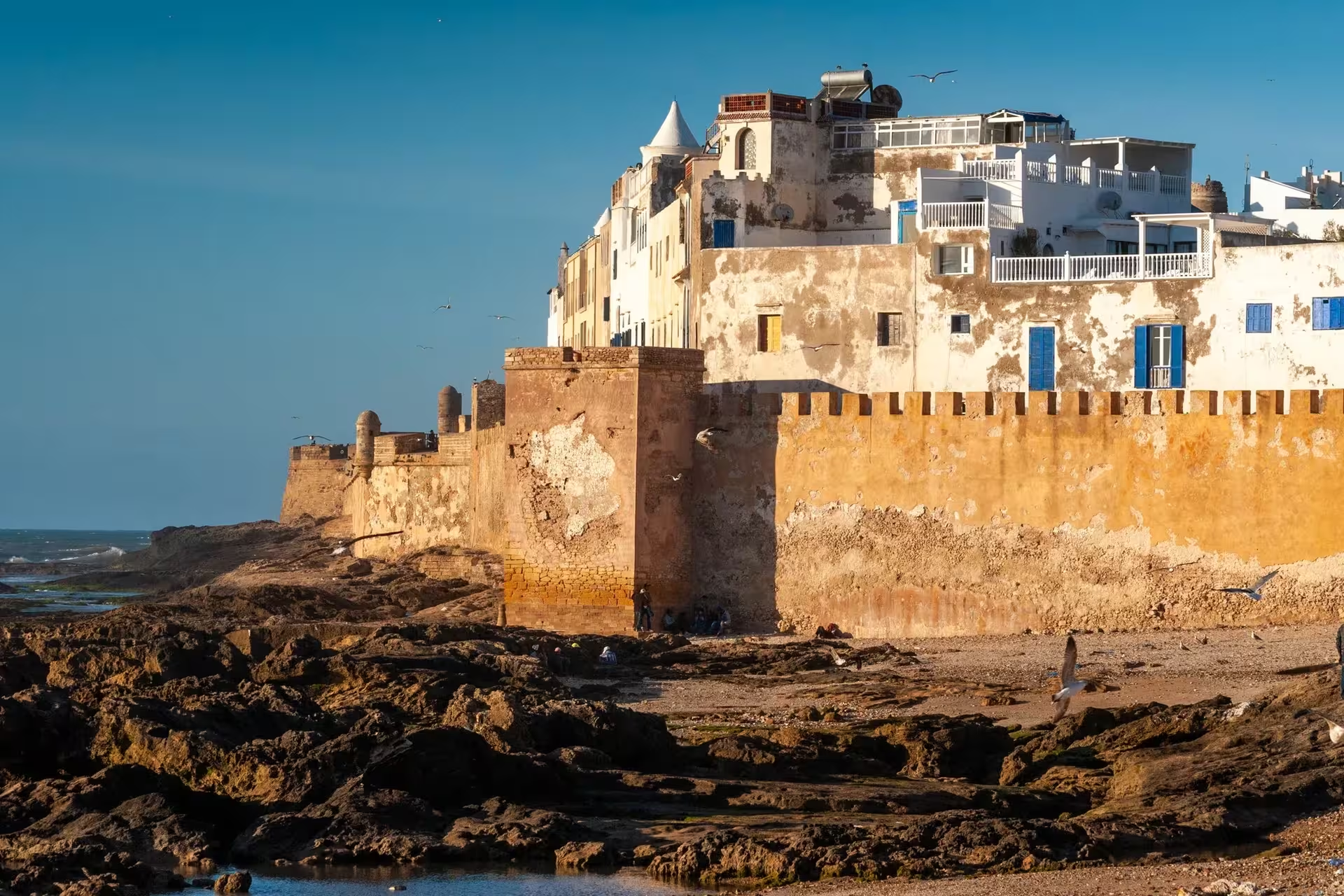
Before it was Essaouira, the town was Mogador. The old name goes back to the Phoenician word Migdol, which means a small fortress, and that is still a good way to picture it: a walled town facing the ocean.
Compared with the other medinas of North Africa, this one is young. It was founded by the Alaouite Sultan Sidi Mohamed Ben Abdallah, who ruled from 1757 to 1790 and wanted the little Atlantic town to become a royal port and the country's main trading centre, open to the world.
It worked. For centuries the port tied Morocco and sub-Saharan Africa to Europe and beyond, and for a long time people called it the Port of Timbuktu. By the late eighteenth century and through the nineteenth, it was one of the great Atlantic trading posts between Africa and Europe.
What makes the medina unusual is its plan. A French architect drew it up, and he had been strongly shaped by the work of the engineer Vauban and what he built at Saint Malo. The walls follow the Vauban model, and on the whole the town still looks European.
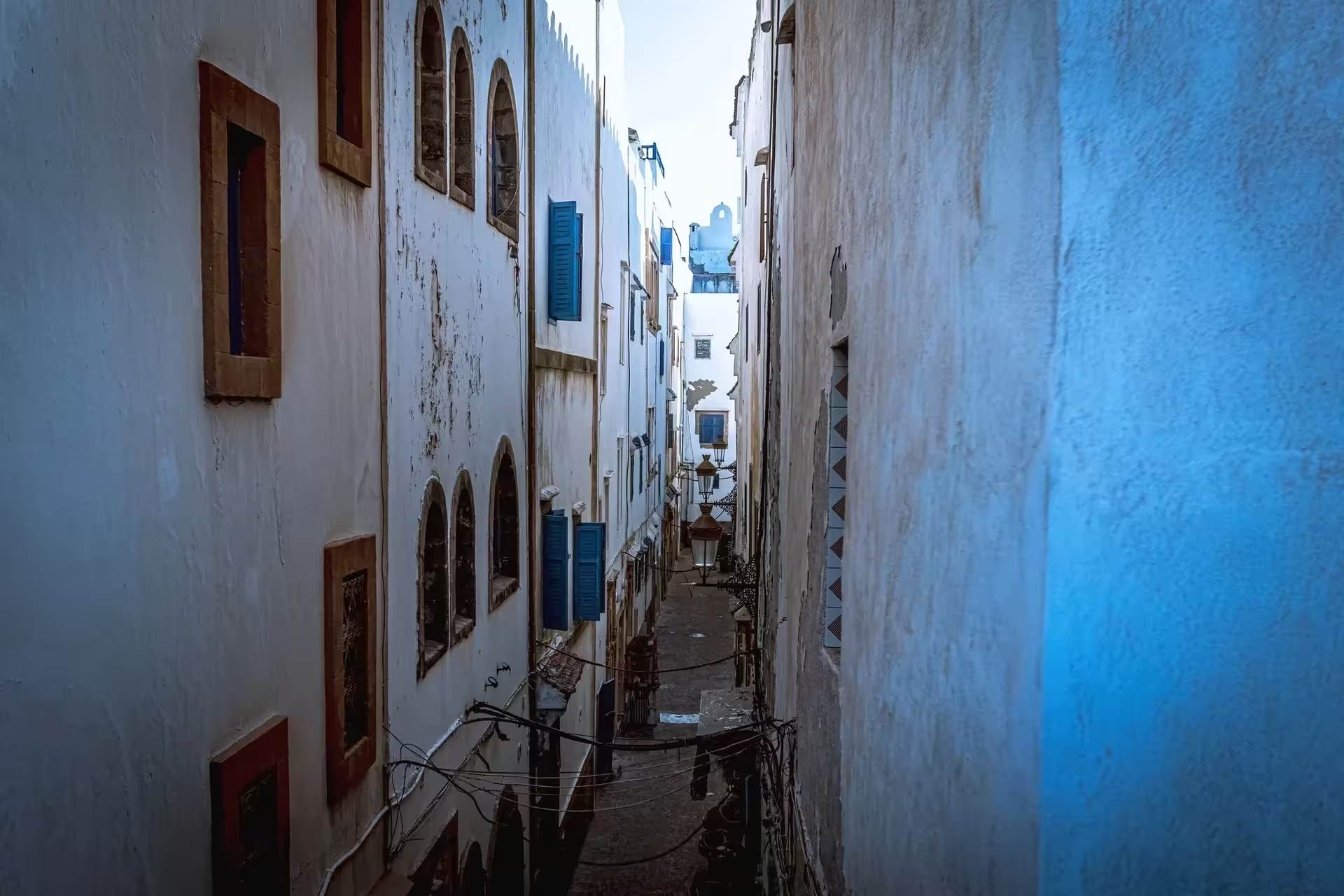
Yet it was built to fit its setting, in step with the traditions of Arab and Muslim architecture and town planning. The town was finished by the nineteenth century, its edges marked by the ramparts, and much of it is built in a local stone called manjour.
From the start, Essaouira was shared. Amazighs, Arabs, Africans and Europeans lived here together, as did Muslims, Christians and Jews. UNESCO notes that some buildings in the Mellah, the old Jewish quarter, have decayed, though not enough to harm the value of the whole.
Offshore, the Mogador archipelago belongs to the same story, and UNESCO counts many cultural and natural sites among its islands.
Inside the walls, the Essaouira Walking Tour: Discover the Medina & Old City is a private walk with a local guide, says its operator. It climbs the ramparts for views over the ocean and the rooftops, stops at the working harbour, and goes through the royal and Jewish quarters, with a visit to one of the old synagogues.
From Marrakech, the Private Day Trip to Essaouira from Marrakech by Car is a private day by car, according to its operator. Your driver takes you through the argan countryside to the medina, the citadel walls, the harbour fortress and the main square by the port, and leaves time to walk the long beach.
For a slower day, the Private Day Trip to Essaouira Beach from Marrakech is another private trip from Marrakech, says its operator, with a stop in the argan forest on the way and free time in the medina and on the sand before the drive back.
Yes. Its medina was listed in 2001.
Mogador, from a Phoenician word for a small fort.
UNESCO names Sultan Sidi Mohamed Ben Abdallah of the Alaouite dynasty.
Yes. Some operators run private days by car, as described above.