




Cultural Tours Across Greece's Islands and Mainland
Discover authentic archaeological sites, coastal landscapes, and cultural encounters beyond the Athens circuit.
Greece's richest cultural experiences extend far beyond Santorini and the Acropolis. Crete, Rhodes, Corfu, Meteora, and Delphi offer structured guided tours that connect travellers directly with Minoan archaeology, Byzantine monasteries, ancient oracle sanctuaries, and coastal heritage sites. Independent travellers and first-time visitors can now book curated experiences spanning nature walks, private photography tours, and wellness retreats across both the islands and northern mainland.
What Makes Cultural Tours in Greece Beyond Athens Stand Out?
While Athens dominates Greece travel marketing, the country's archaeological and cultural wealth extends across its islands and northern regions. Crete alone contains more Bronze Age sites than entire European nations, including the Palace of Knossos, a 3,700-year-old ceremonial complex that predates the Pyramids by centuries. Rhodes preserves medieval Old Town architecture and the remnants of the Colossus, one of the Seven Wonders of the Ancient World. Meteora, located 355 kilometres northwest of Athens, features monasteries built atop 400-metre-high rock pillars dating to the 14th century.
Guided tours provide essential context that solitary exploration cannot. Professional guides at Delphi explain why ancient Greeks believed the site was the centre of the world, while knowledgeable local interpreters in Crete demonstrate how Bronze Age frescoes reveal daily life 3,500 years ago. ToursXplorer connects independent travellers with structured experiences that balance historical depth and practical logistics, eliminating the need to hire local guides or navigate archaeological sites without interpretation.
The islands and mainland beyond Athens offer archaeological continuity spanning from 3000 BC Bronze Age civilizations through Byzantine periods, all within guided tour distance from port cities or regional hubs.
Which Greek Islands Offer the Most Rewarding Cultural Tours?
Crete, the largest Greek island at 260 kilometres long, concentrates Minoan heritage across multiple accessible sites. The Palace of Knossos near Heraklion lies just 5 kilometres from the airport, making it a logical entry point for guided discovery. West of Heraklion, the Palace of Phaistos sits on a hilltop 63 kilometres away, offering both archaeological significance and panoramic views across the Messara Plain. Private photo tours in Crete combine these historical locations with lesser-known beaches and mountain villages, creating narratives that connect cultural artifacts to contemporary island life.
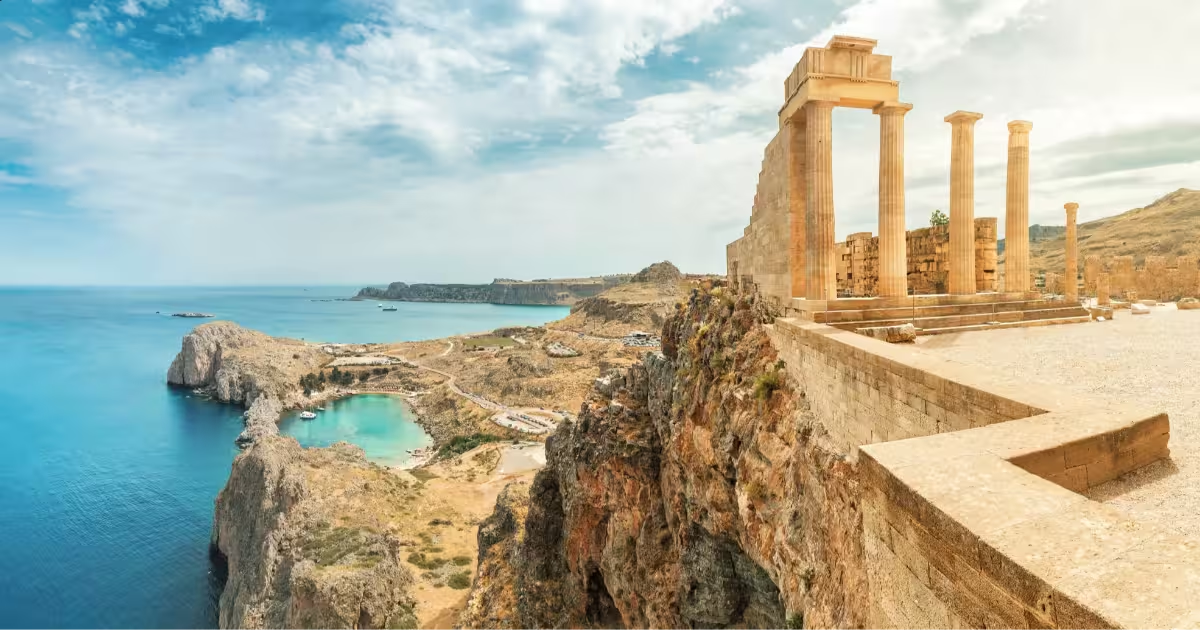
Rhodes attracts visitors interested in medieval history alongside classical ruins. The Old Town, enclosed by a 1.2-kilometre defensive wall built by the Knights Hospitaller in the 14th century, preserves cobbled streets, Gothic architecture, and the Palace of the Grand Masters. The Rhodes archaeological museum houses finds from the Minoan, Hellenistic, and Roman periods. North of Rhodes Town, the ancient city of Lindos features a white-washed village below the Lindos Acropolis, creating a setting where Byzantine, classical, and contemporary Greek cultures overlap within a compact geography.
Corfu, located in the Ionian Sea northwest of mainland Greece, offers Byzantine and Venetian cultural layers absent from southern islands. The Corfu Old Town, a UNESCO World Heritage Site spanning 0.77 square kilometres, displays Venetian fortresses and 19th-century neoclassical architecture. Guided tours explore the Mouse Island (Pontikonissi), a cypress-covered islet with a 17th-century monastery, and the Achilleion Palace, a 19th-century royal villa overlooking the Ionian coast.
Cultural tourism in Greece's islands succeeds because each destination represents distinct historical periods: Crete preserves Bronze Age civilizations, Rhodes combines classical and medieval heritage, and Corfu layers Byzantine and Venetian influences into walkable cultural landscapes.
How Do Mainland Sites Meteora and Delphi Compare to Island Experiences?
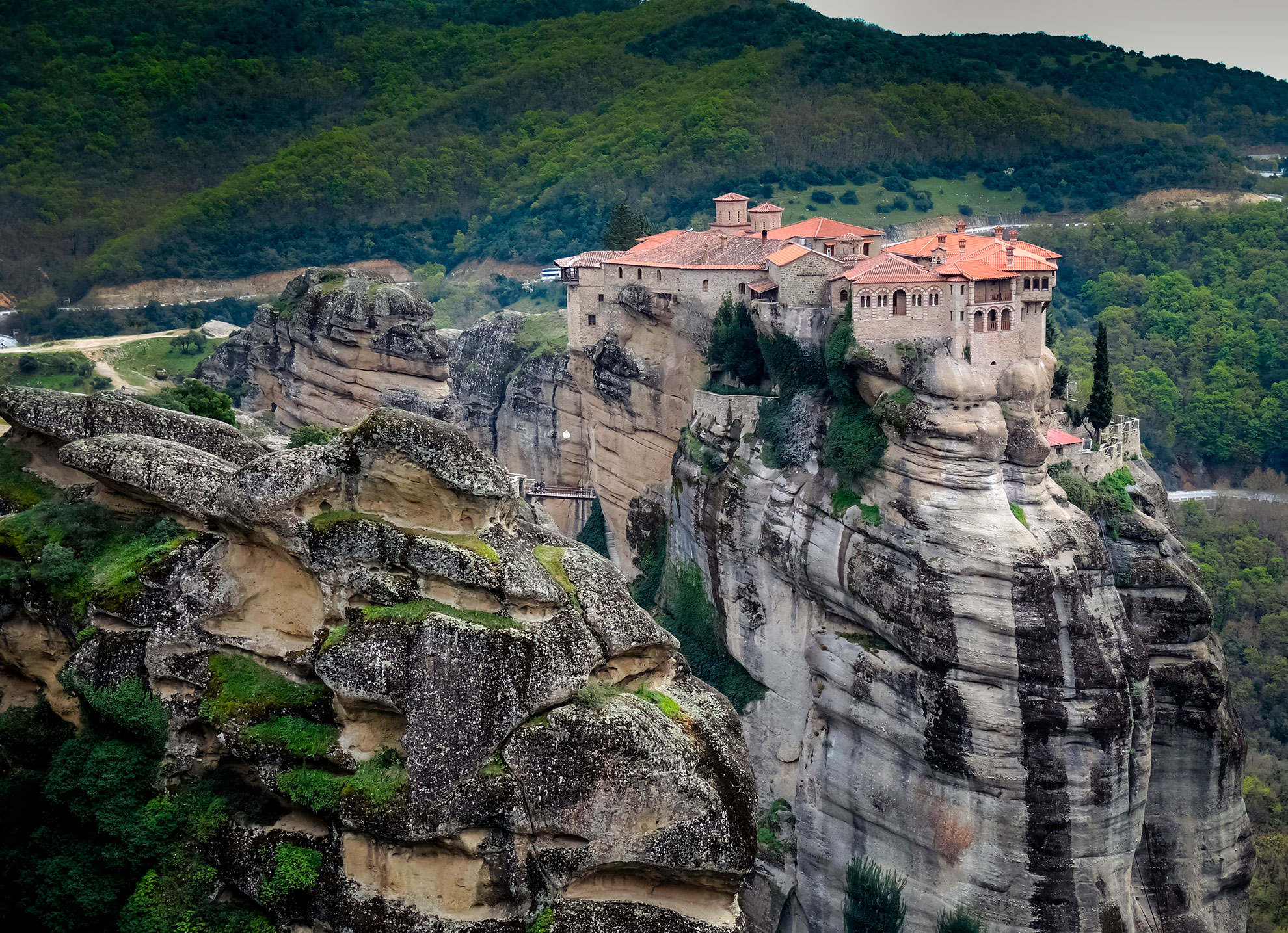
Meteora, a UNESCO World Heritage Site, occupies a unique position in European cultural geography. Six functioning monasteries stand atop natural rock formations 400 metres high, accessed by carved stone steps or rope ladders that monks used until the 1920s. The monasteries date between 1356 and 1517, each housing frescoes, religious manuscripts, and libraries that preserve Orthodox Christian culture. Guided tours explore 2 to 3 monasteries per visit, with professional interpreters explaining Byzantine art traditions and monastic daily life. The surrounding valley contains hiking trails connecting monastery complexes, enabling nature-focused tours that pair cultural discovery with outdoor activity.
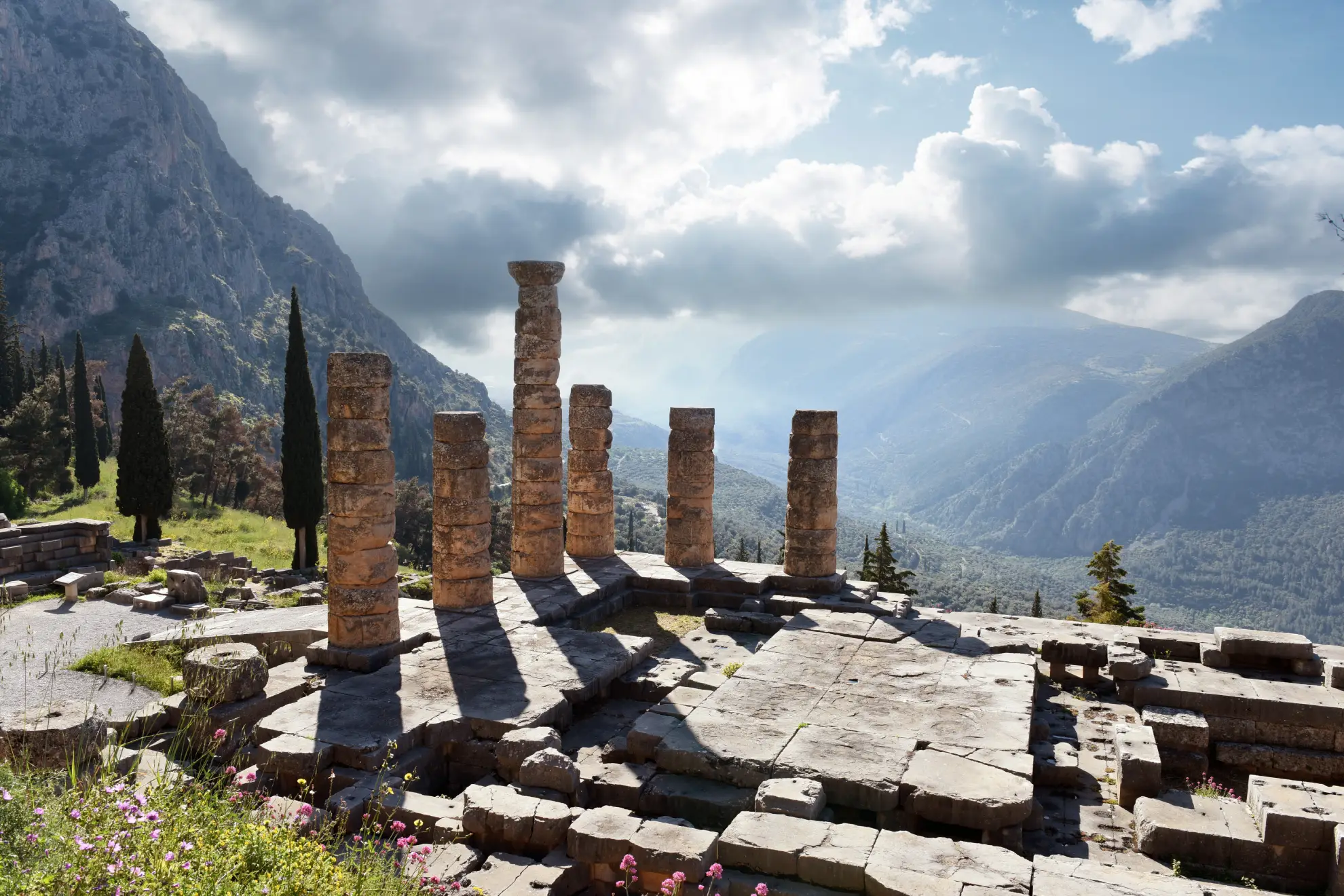
Delphi lies 180 kilometres northwest of Athens at an elevation of 570 metres on the slopes of Mount Parnassus. Ancient Greeks considered the site the navel of the world, home to the Oracle of Delphi, where priestesses delivered prophecies that influenced military campaigns and political decisions across the Mediterranean from 1200 BC until the sanctuary closed in 390 AD. The archaeological site encompasses temples, a theatre seating 5,000 spectators, and a stadium where Pythian Games occurred every four years. The Delphi Archaeological Museum houses the Charioteer of Delphi, a 2,150-year-old bronze statue considered one of classical antiquity's greatest sculptures. Guided tours explain how oracle consultation worked and why ancient powers from Egypt to Persia sent envoys to Delphi seeking prophecies.
Mainland vs. Island Cultural Tours: What's the Practical Difference?
Island tours (Crete, Rhodes, Corfu) combine cultural exploration with beach access and maritime activities, allowing travellers to integrate guided experiences into broader island itineraries. A typical Crete trip might alternate between archaeological site visits and coastal relaxation, with multi-day stays enabling deeper engagement with both history and contemporary local culture. Island tours by boat add navigation experiences to cultural discovery, connecting separate archaeological zones via coastal routes.
Mainland tours (Meteora, Delphi) require more concentrated travel logistics but offer distinct cultural experiences unavailable on islands. Meteora's monastery complex and Delphi's oracle sanctuary exist in mountain landscapes that create physical and psychological separation from daily tourism, enhancing contemplative discovery. Most mainland cultural tours operate as full-day excursions from regional hubs (Kalambaka for Meteora, central Greece towns for Delphi), requiring advance booking and coordinated transport.
ToursXplorer simplifies this choice by presenting both island and mainland options with transparent logistics, allowing independent travellers to balance cultural depth against travel complexity according to their preferences and time constraints.
Recommended Cultural & Experience Tours in Greece
Ready to book your cultural tour? Explore guided experiences across Crete, Rhodes, Meteora, and Delphi through ToursXplorer's curated selection of archaeological, nature, and wellness tours.
Browse all Greece (Crete tours on ToursXplorerPlanning Your Greece Cultural Tour: Seasons, Durations, and Regional Hubs
Greece's Mediterranean climate creates distinct seasonal advantages for cultural tourism. Spring (April-May) and autumn (September-October) offer ideal conditions for archaeological site exploration, with temperatures between 20-25 degrees Celsius and minimal rainfall. Summer (June-August) concentrates tourist crowds and reaches 30-35 degrees Celsius at lower elevations, making mainland sites like Meteora and Delphi preferable to island beaches during peak heat. Winter (November-March) sees reduced tour availability and occasional closures at mountain sites, though Crete and Rhodes remain accessible.
Most cultural tours operate as full-day or half-day excursions. Island-based tours in Crete and Rhodes typically require 4-6 hours per site visit, allowing integration into week-long island itineraries. Mainland tours to Meteora or Delphi function as day trips from regional towns (Kalambaka, Lamia, or Patras), requiring 8-10 hours total for transport and site exploration. Multi-site island tours using private boats or guided group excursions range from 6-8 hours depending on route complexity and archaeological depth.
Regional transport hubs simplify booking logistics. Crete connects via Heraklion International Airport (served by European and Mediterranean airlines), with guided tours departing within 15 kilometres. Rhodes International Airport similarly provides direct access to boat rentals and cultural tours. Meteora access routes through Kalambaka (350 kilometres from Athens via road, 4.5-hour coach journey) or Thessaloniki (210 kilometres via motorway, 2.5-hour drive). Delphi connects to Athens (180 kilometres, 2.5-3 hour coach or rental car drive) and central Greece towns.
| Destination | Key Sites | Best Season | Typical Tour Duration | Primary Transport Hub |
|---|---|---|---|---|
| Crete | Knossos, Phaistos, Spinalonga Island | April-May, September-October | 4-6 hours per site | Heraklion Airport (5 km) |
| Rhodes | Old Town, Lindos Acropolis, Palace of Grand Masters | May-June, September-October | 4-8 hours | Rhodes Airport (14 km) |
| Corfu | Old Town (UNESCO), Achilleion Palace, Pontikonissi | April-May, October | 3-5 hours | Corfu Town Airport (2 km) |
| Meteora | Six monasteries (Byzantine 1356-1517) | April-May, September-October | 6-8 hours | Kalambaka (8 km) |
| Delphi | Temple of Apollo, Theatre, Museum, Stadium | April-May, September-October | 6-8 hours | Athens (180 km, 2.5 hours) |
Cultural Tourism Beyond Standard Itineraries: Photography, Wellness, and Maritime Discovery
Contemporary cultural tourism in Greece extends beyond traditional archaeological site visits. Private photography tours in Crete merge historical documentation with artistic composition, teaching travellers how to frame archaeological sites, traditional architecture, and contemporary island life within single narratives. These tours appeal to solo travellers and couples seeking personal creative engagement with cultural destinations, transforming passive observation into active visual storytelling.
Wellness-focused cultural tours integrate ancient Greek traditions with contemporary practice. Yoga sessions in Kos acknowledge the island's medical heritage under Hippocrates (460-370 BC), who established principles of clinical observation and dietary health that laid foundations for Western medicine. The juxtaposition of wellness practice within historical medical sites creates narrative connections between ancient philosophy and modern wellness trends, appealing to travellers seeking holistic cultural understanding.
Maritime exploration tours using private boat rentals enable independent navigation to cultural sites inaccessible by land. Archaeological sites on offshore islands (Spinalonga in Crete, ancient harbours around Rhodes) become discoverable through self-guided boat exploration, combining navigation experience with cultural site access. These tours appeal to independent travellers with boating experience or those seeking customizable, non-group-based cultural discovery. ToursXplorer's platform bridges traditional guided experiences and independent exploration, offering both structured tours and flexible rental options that align with diverse traveller preferences.
Compare private photography tours, boat rentals, and wellness activities tailored to independent travellers seeking structured cultural discovery beyond Athens.
Frequently Asked Questions
Major sites like Knossos (Crete), Lindos (Rhodes), and Delphi permit independent exploration with purchased entry tickets (typically 12-15 euros per site). However, guided tours provide critical historical context, artifact interpretation, and safety information at restricted areas. Meteora monasteries require guided entry as functioning religious communities with specific visiting protocols. ToursXplorer's tours bridge both approaches, offering structured discovery for complex sites while permitting independent exploration flexibility.
Half-day tours (3-4 hours) suffice for single-site visits like Rhodes Old Town or smaller archaeological zones. Full-day tours (6-8 hours) accommodate multi-site itineraries like Meteora monastery visits or combined Cretan palace exploration. Extended cultural stays (3-5 days) enable deeper engagement with regional archaeology, local communities, and landscape context. Seasonal considerations matter: spring and autumn allow full-day outdoor exploration, while summer heat concentrates touring in early morning or evening hours.
Yes, combination tours exist covering both destinations, though the 215-kilometre separation typically requires a full-day excursion (10-12 hours including transport). Individual full-day tours to each site provide superior archaeological depth than rushed combination itineraries. Most experienced cultural travellers allocate separate days to Meteora (monastery visits, hiking) and Delphi (museum, temple, oracle site interpretation), allowing contextual understanding without time pressure.
Private photography tours (like those in Crete) offer personalized routing, flexible pacing, compositional instruction, and customized site selection matching photographer interests. Group cultural tours provide cost-efficiency, peer interaction, and professional archaeological interpretation at fixed itineraries and times. Photography tours typically cost 80-120 euros per person for half-day experiences. Group tours range from 40-70 euros per person. ToursXplorer displays both options with transparent pricing, allowing comparison based on budget, group size, and interaction preferences.
Crete offers graduated accessibility: Knossos (near airport, well-marked pathways) suits complete beginners, while Phaistos requires moderate walking. Rhodes combines navigable Old Town streets with the Lindos Acropolis climb (90 steps). Corfu's UNESCO Old Town provides flat walkability for all fitness levels. All three islands have professional guided tours available. Kos and Samos suit wellness-focused travellers interested in ancient medicine and agriculture heritage rather than intensive archaeological exploration.
Spring (April-May) and autumn (September-October) offer full tour availability with optimal weather. Summer (June-August) maintains most tours but with crowding and heat challenges. Winter (November-March) sees reduced schedules, with Meteora and Delphi experiencing occasional closures due to mountain weather. Island tours operate year-round with some weather-dependent boat cancellations in winter months. Check ToursXplorer's booking calendar for real-time seasonal availability per destination before committing to specific dates.