Last updated:
UNESCO added the Champagne Hillsides, Houses and Cellars to the World Heritage List in 2015, under criteria (iii), (iv) and (vi). The property covers 1,101.72 hectares, with a buffer zone of 4,251.16 hectares. UNESCO's World Heritage List entry for the Champagne Hillsides, Houses and Cellars explains why.
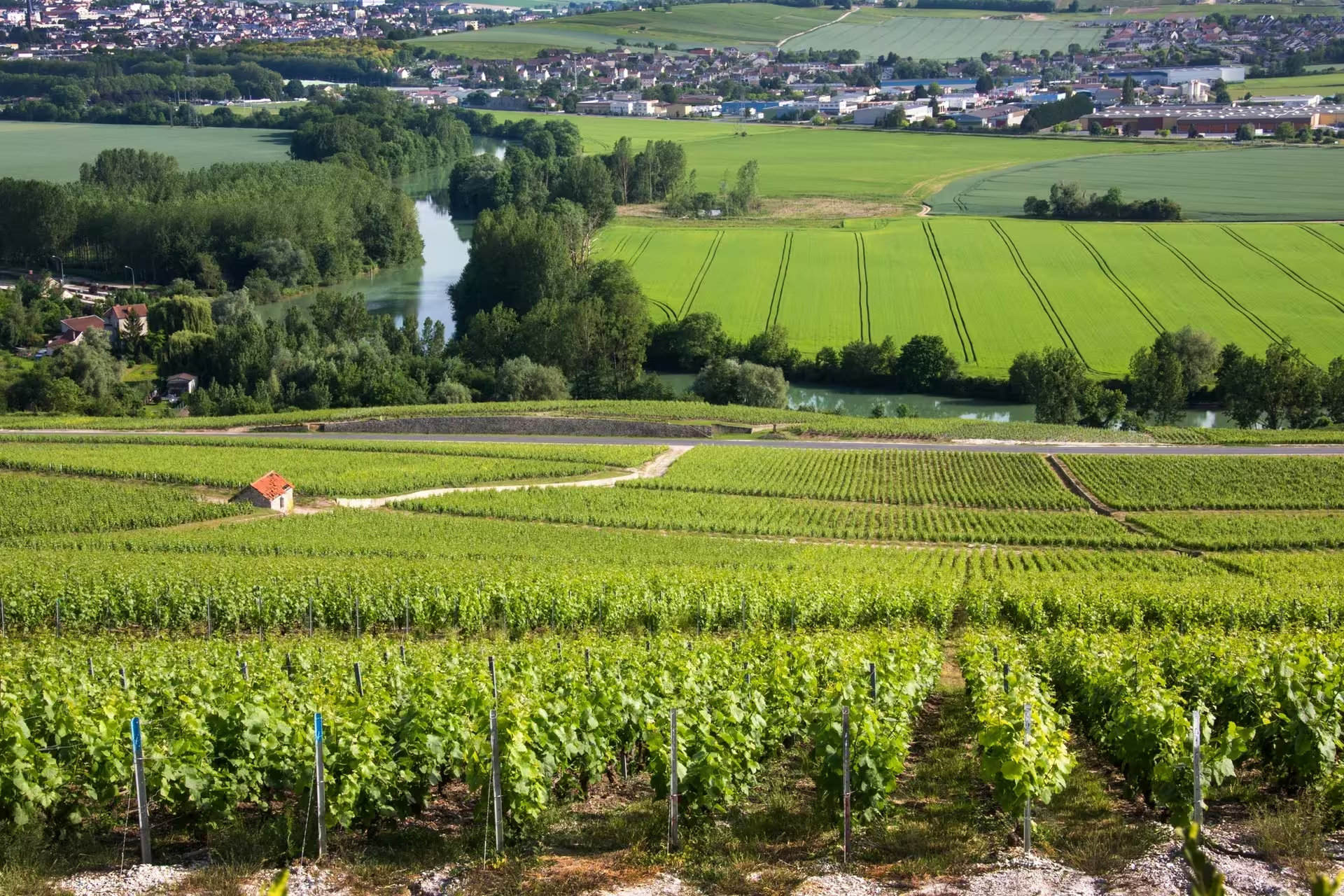
The setting is the cool, chalky country of north-east France. Here the vineyards supply the grapes, while the villages and the town districts make and sell the wine, and together they form a landscape shaped by one product.
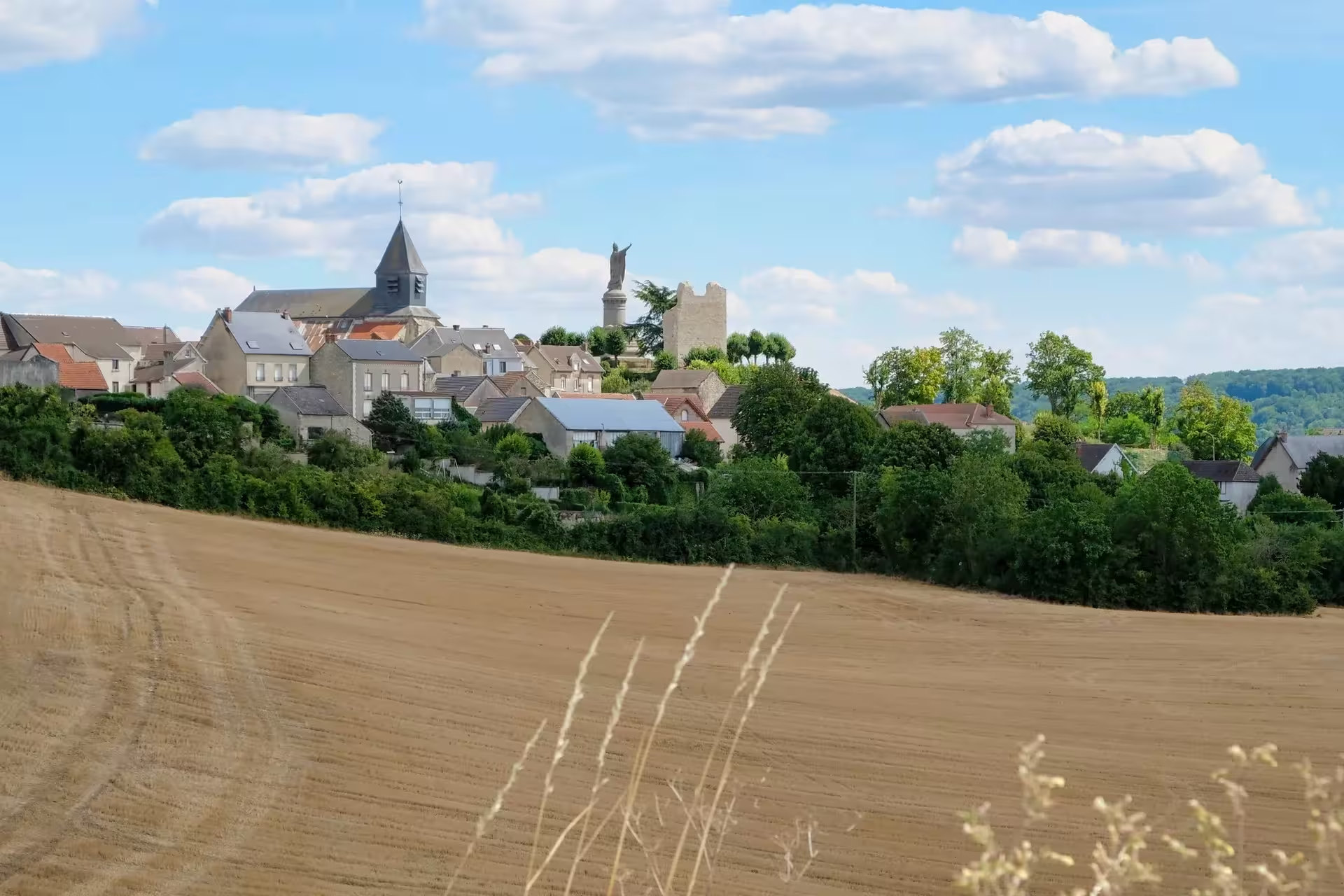
The story starts in Hautvillers, among the hills of Aÿ, which UNESCO calls the heart of the wine-growing area. In the eighteenth and nineteenth centuries it moved into the two closest towns, to Saint-Nicaise Hill in Reims and to the Avenue de Champagne in Épernay.
This is where the reference method for sparkling wine began. From the nineteenth century to today, makers around the world have spread and copied it. UNESCO also gives women a special part in that rise, alongside the Franco-German families who inherited the trade of the old Champagne fairs.
None of it came easily. The growers had to deal with a harsh climate and chalky soils that are not very fertile.
The second fermentation happens in the bottle, and that needed a huge network of cellars. In Reims, makers used old chalk quarries from Gallo-Roman and medieval times, while new cellars were dug in Épernay and on the hillsides. The result is a remarkable underground landscape.
Saint-Nicaise Hill was shelled in the First World War and then restored, and it still does its old job. The chalk quarries remain in use for making Champagne, and the cellars still work.
Champagne has three links in its chain: the vineyards, the places where the grapes are pressed and the wine is kept (the vendangeoirs and the cellars), and the head offices of the Houses that sell it. The Houses have kept much of their buildings, with original decor and furniture.
Trade with the world began in the eighteenth century, and it shaped the towns themselves, with new districts built around the places of production and sale. Patronage brought social change too, and its best symbol is the Chemin Vert garden city in Reims.
Beyond the listed sites, the official Champagne appellation takes in over 300 towns and villages.
For a day shaped around you, the Full-Day Private Tour in Champagne Vineyards and Cellars is a private day for a small group in a minibus, says its operator. It leads down into chalk tunnels where bottles have rested for centuries, and across the vineyards of the Montagne de Reims, the Marne valley and the Côte des Blancs.
The Champagne Region Day Trip from Paris with Reims & Tastings is a small-group day from Paris, according to its operator. It visits the cathedral in Reims, walks Épernay's Avenue de Champagne, stops at Hautvillers, and compares a large producer with a small family estate over lunch and tastings.
By train, the Full-Day Guided Tour to Reims with Champagne Tasting is a private day from Paris with a local guide, says its operator. The morning is spent in Reims and its cathedral, and the afternoon among the vines of Mailly-Champagne, with visits to cellars cut into the chalk.
Yes. Its hillsides, Houses and cellars were listed in 2015.
UNESCO traces its roots to Hautvillers and the hills of Aÿ.
Ancient chalk quarries, now put to work as Champagne cellars.
Yes. Several operators run full days from Paris, as described above.